
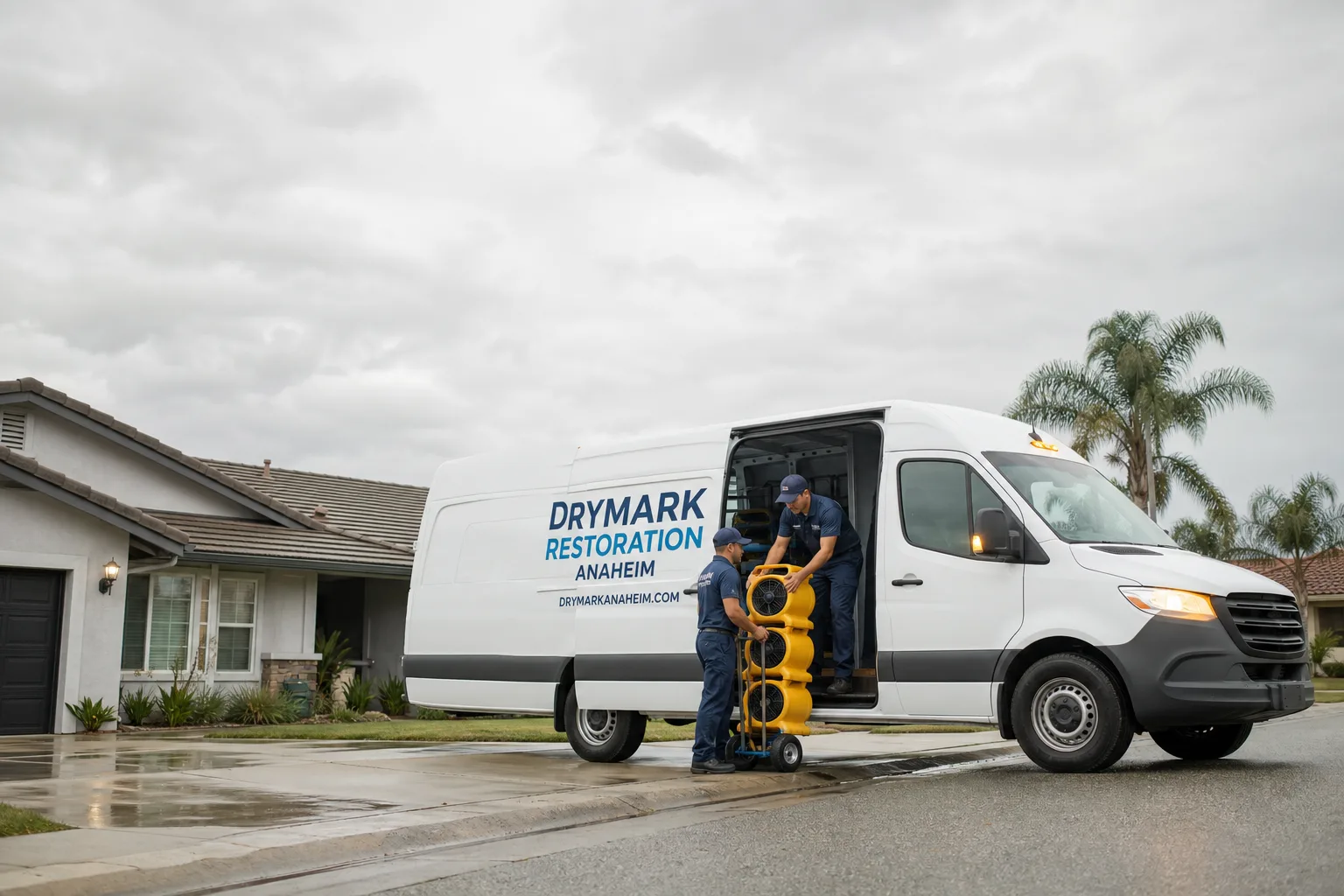
Free visual inspection and a written scope of work before any mitigation begins - photos, moisture readings, and drying logs go in your claim file
The scope we write is the scope we bill. Anything new gets shown to you, in writing, before we touch it.
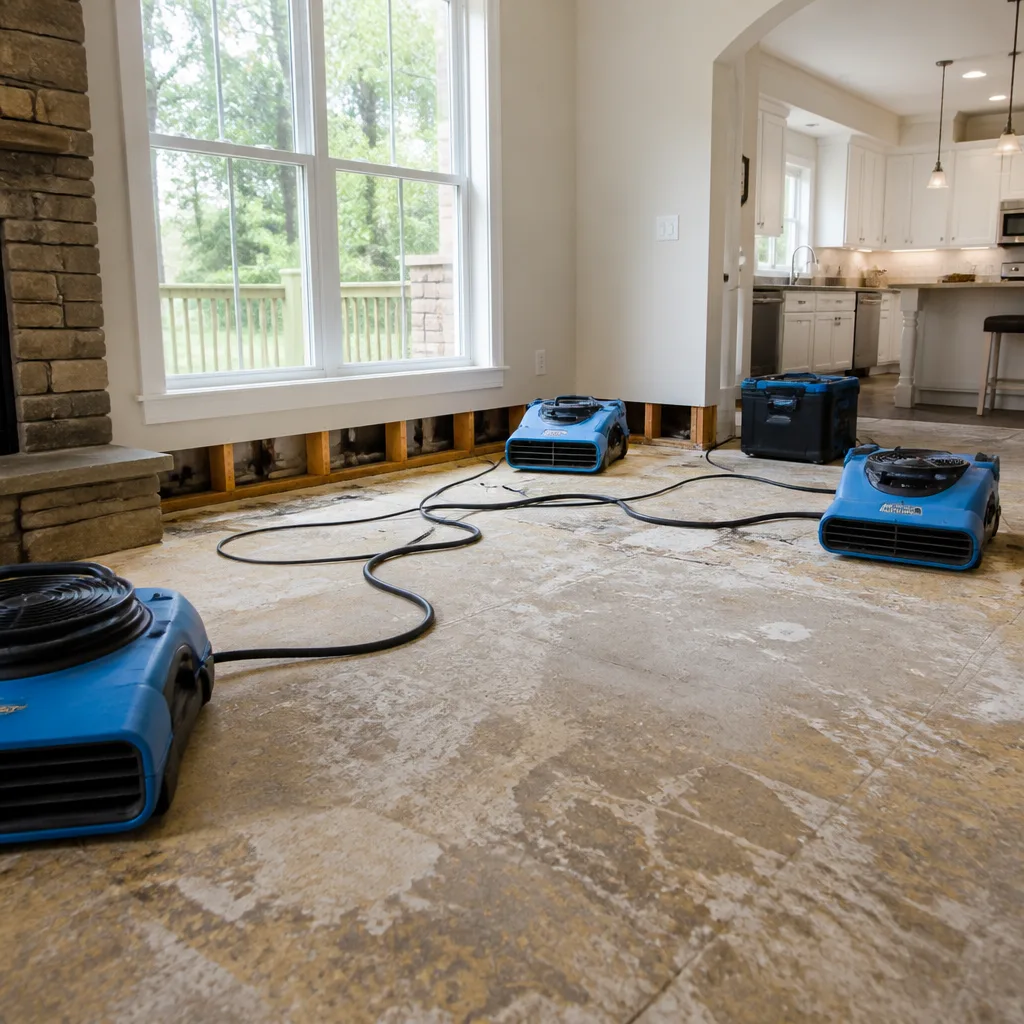
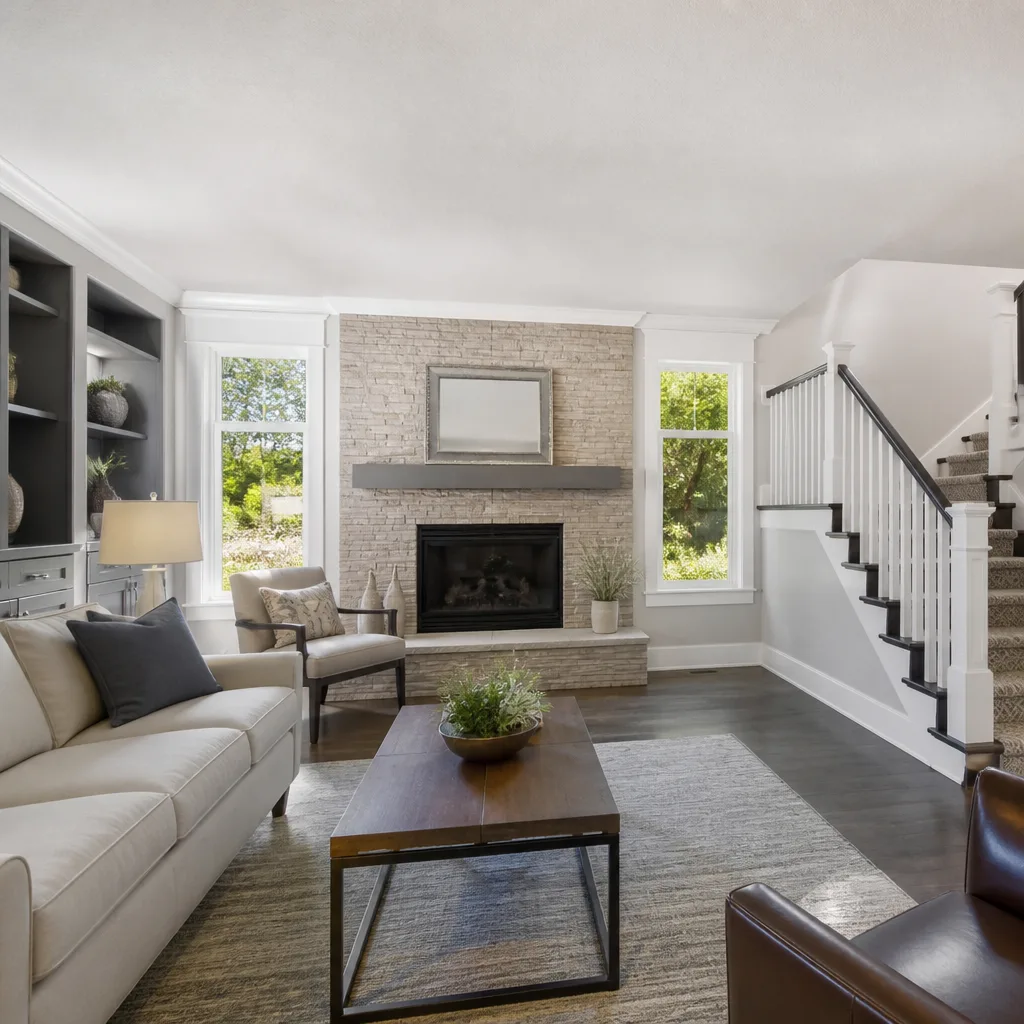
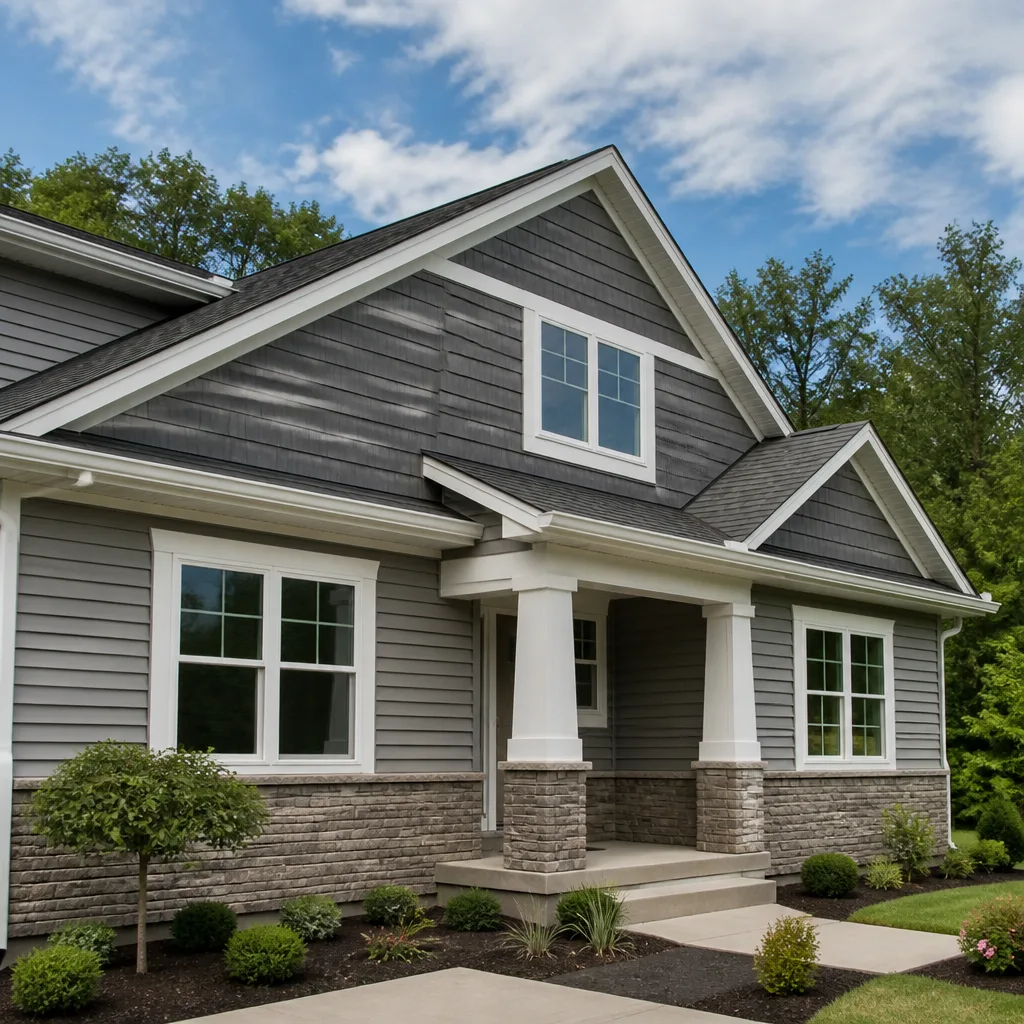
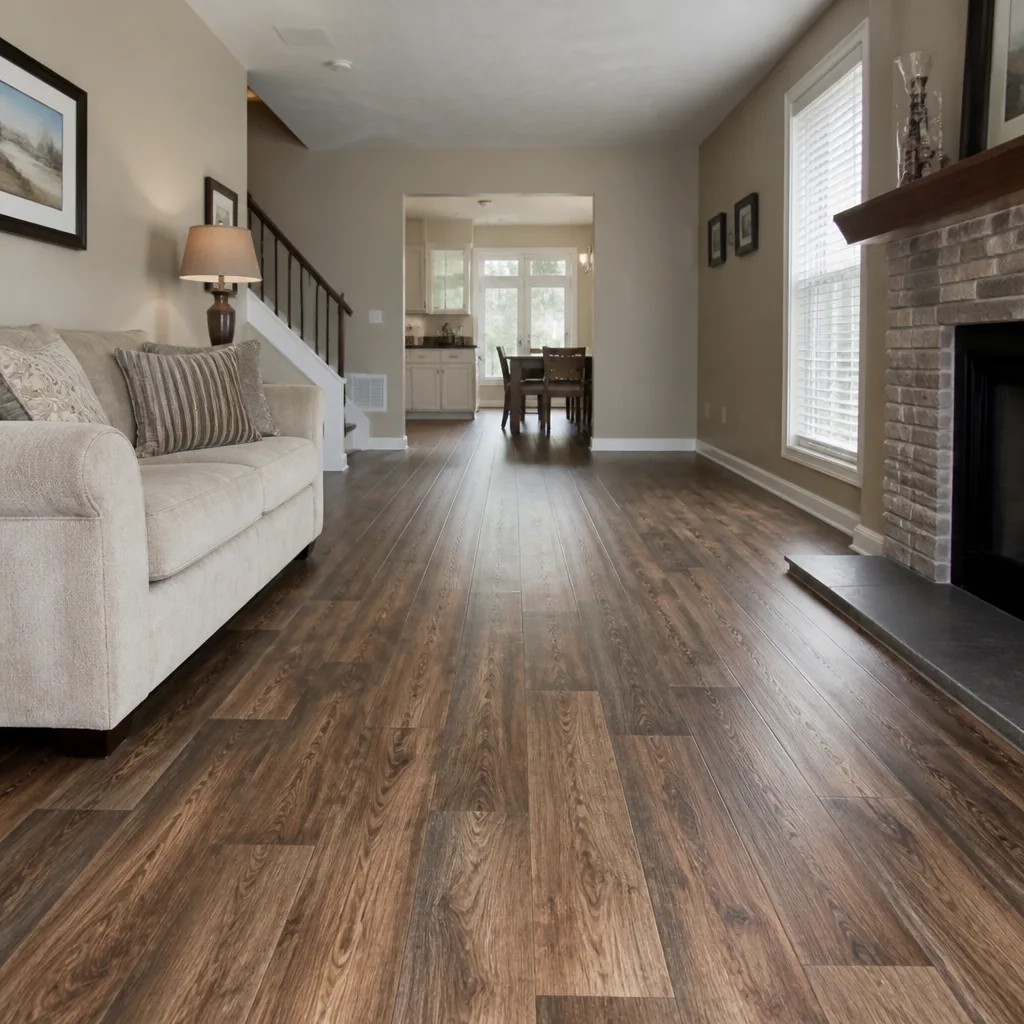
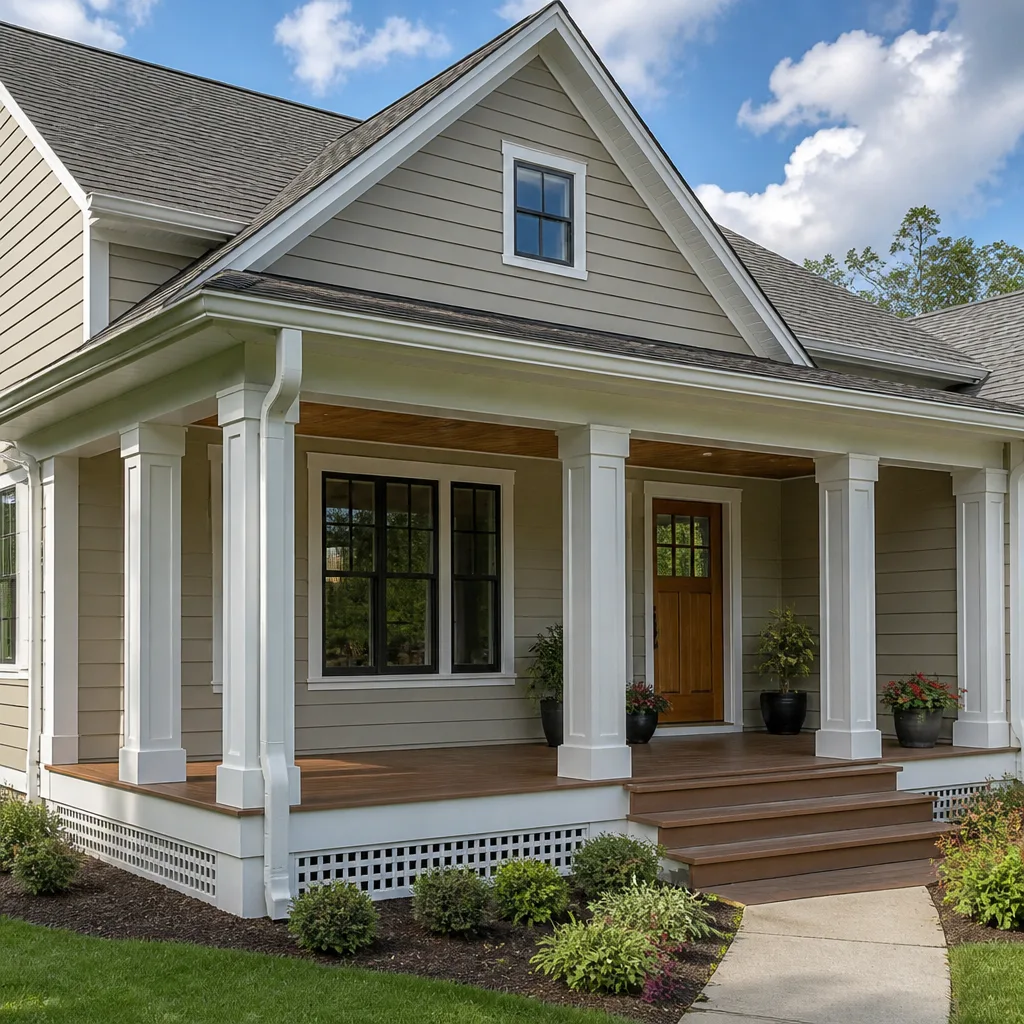
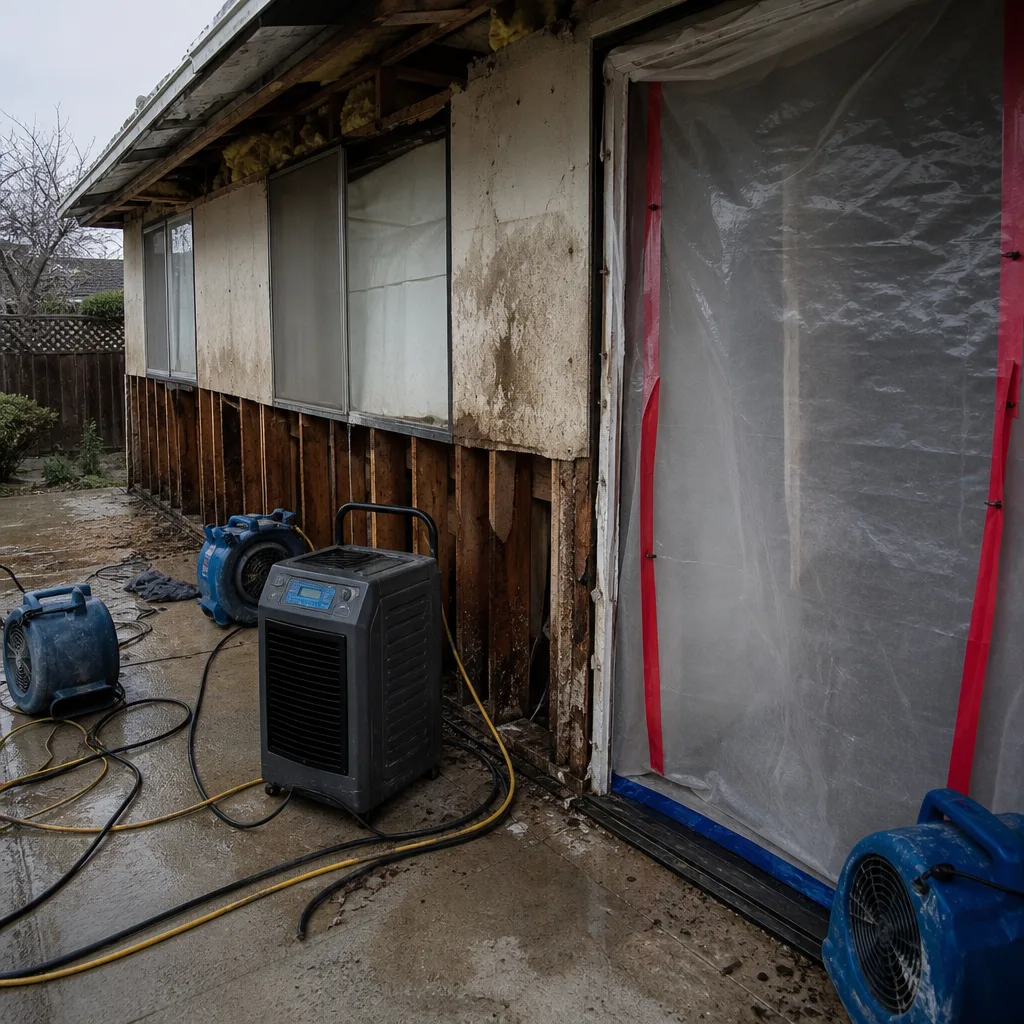 Before
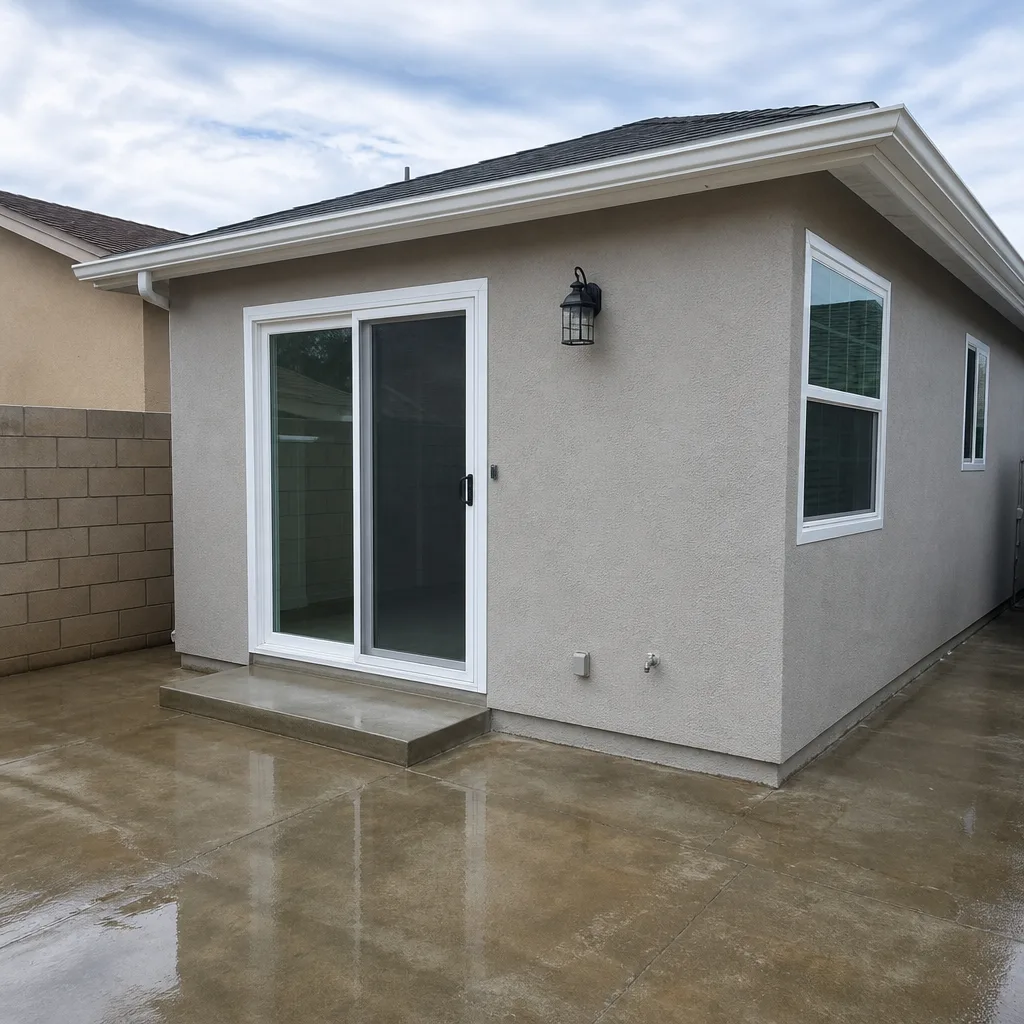 After
After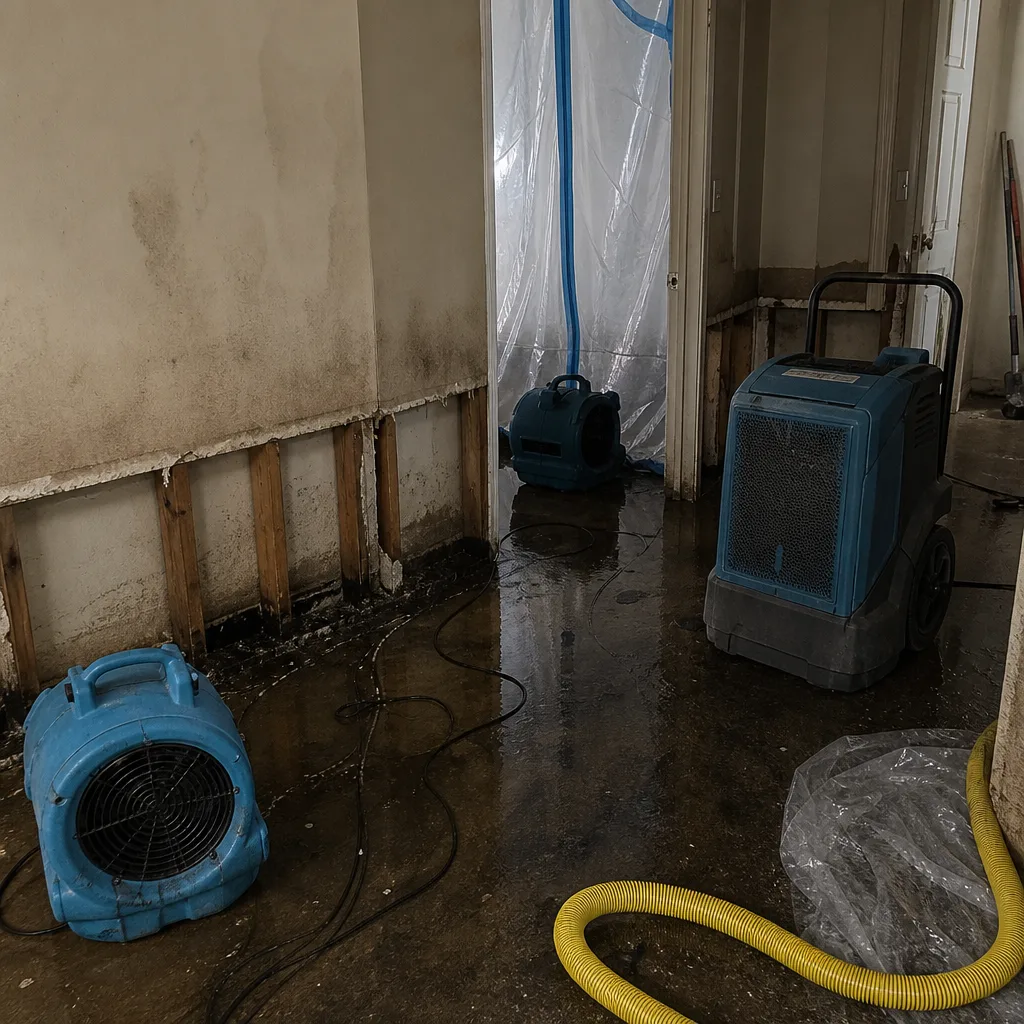 Before
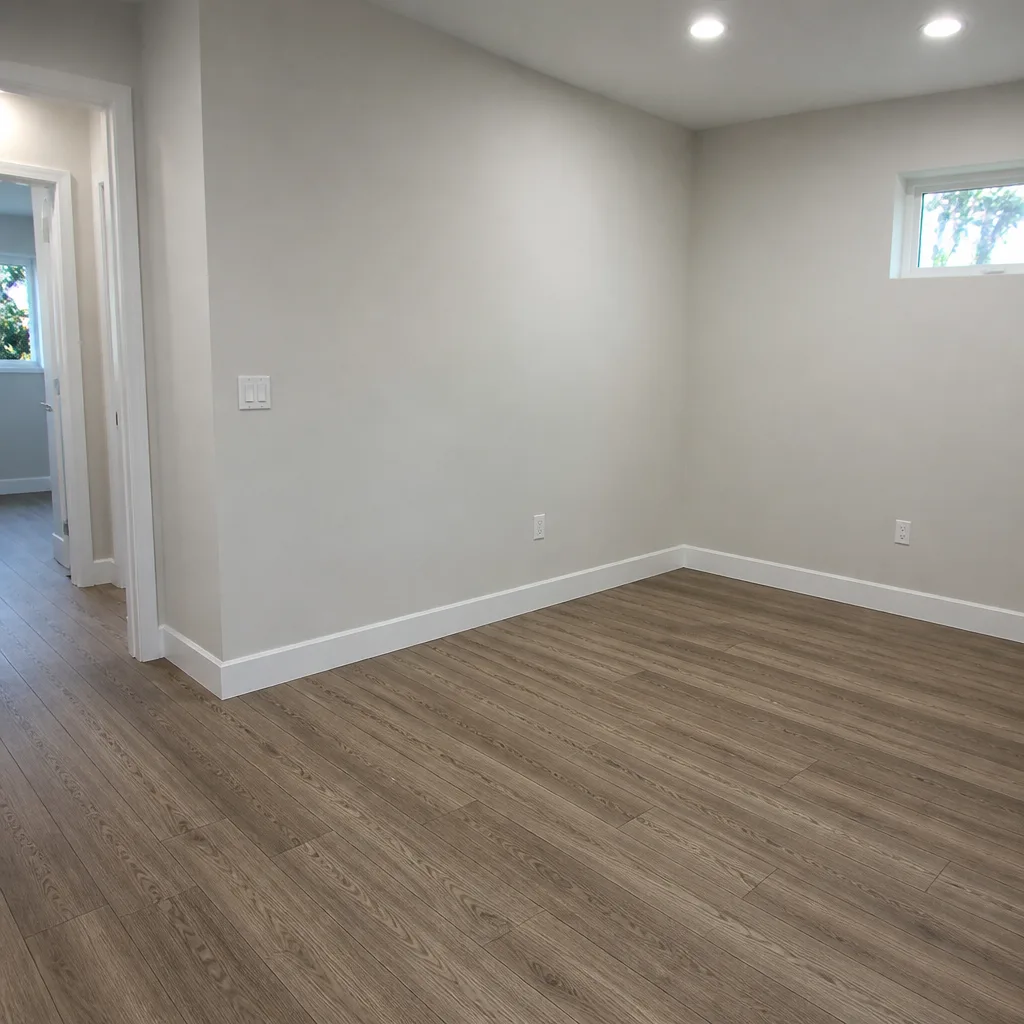 After
After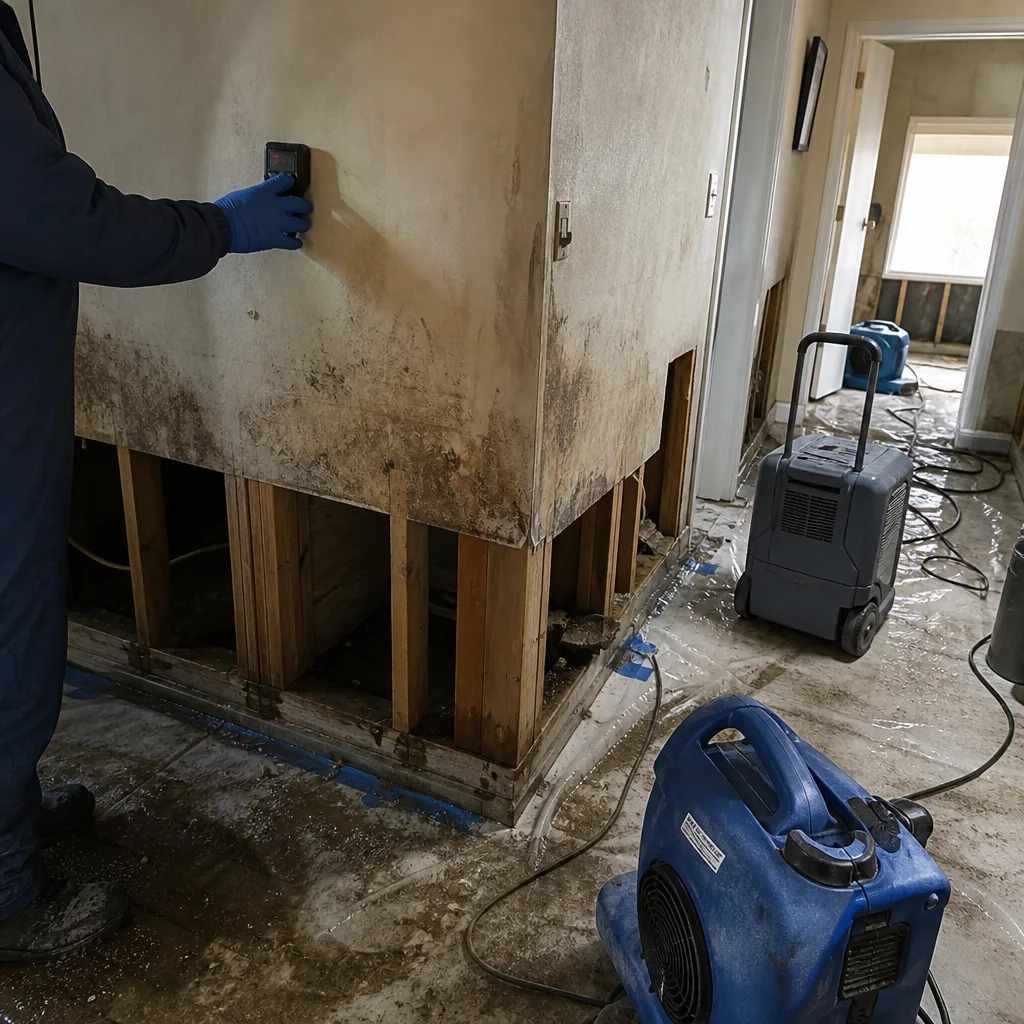 Before
 After
AfterHow Much Does Storm & Disaster Restoration Cost in Anaheim?
Storm & Disaster Restoration in Anaheim typically costs between $2,500 and $18,000, depending on the severity of the structural damage, the square footage affected, and the type of contamination involved. For minor water intrusion caused by roof leaks after a storm, homeowners can expect to pay $2,500 to $6,000 for professional mitigation, while extensive reconstruction following severe wind or flood damage often exceeds $15,000. DryMark Restoration Anaheim provides a written price before any work begins, ensuring you know the exact cost of your recovery effort without surprise fees or scope creep.
Every restoration project we undertake is governed by The Haven Standard. This means we provide a detailed, line-item scope of work and a written price estimate before our team touches a single piece of equipment. If you have questions about your specific situation, call us at (909) 525-4167 for a clear, written estimate.
Storm & Disaster Restoration Cost Breakdown (2026)
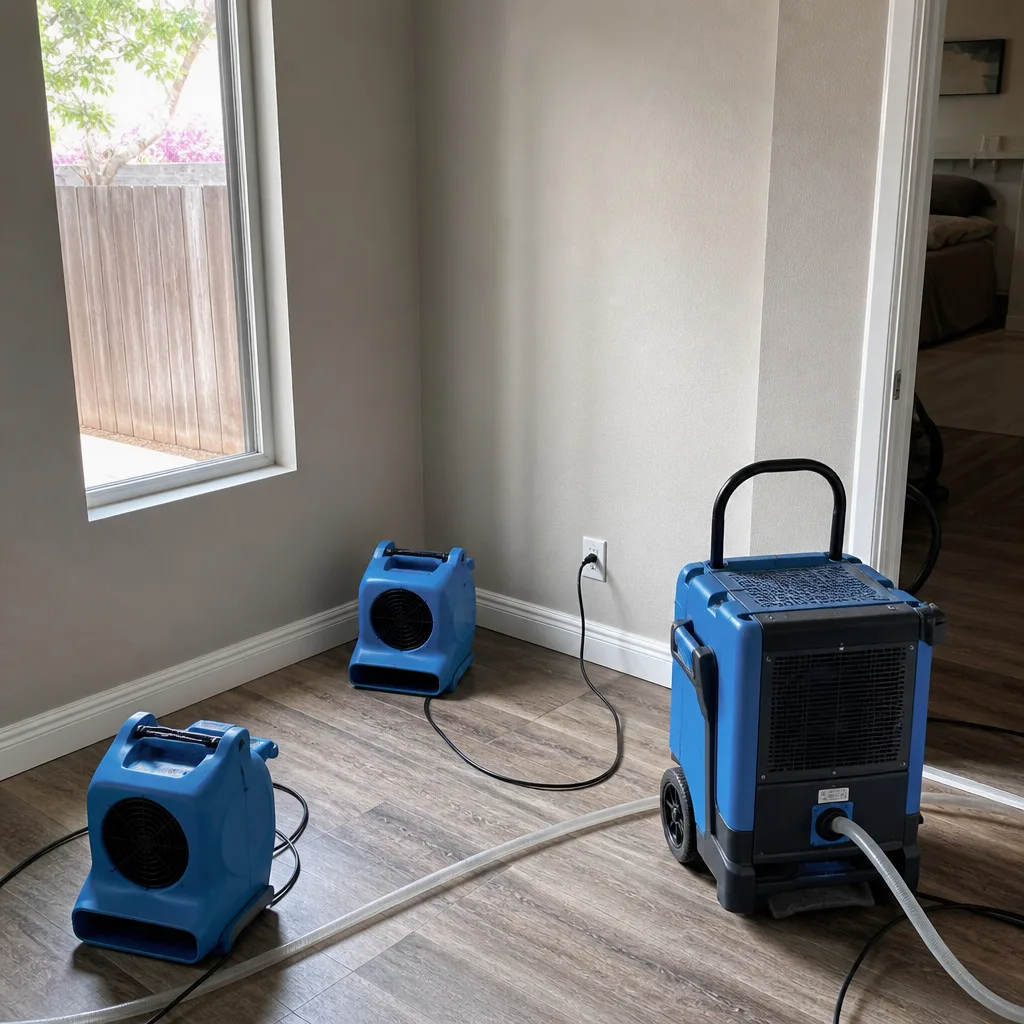
Restoration costs are driven by the specific materials impacted and the time required to return those materials to an equilibrium moisture content. In Anaheim, we often see older housing stock that requires more careful handling of original materials, while newer builds in areas like Anaheim Hills often involve modern, synthetic materials that react differently to moisture. The following table provides a baseline for the Anaheim market.
| Service Category | Estimated Cost Range | What is Included |
|---|---|---|
| Emergency Water Mitigation | $2,500 – $6,500 | Extraction, moisture mapping, drying equipment setup, and daily monitoring logs. |
| Mold Remediation (Localized) | $3,000 – $7,500 | Containment, HEPA air filtration, antimicrobial treatment, and material removal. |
| Structural Drying (Large Loss) | $7,000 – $15,000+ | Advanced desiccant dehumidification, sub-floor drying, and wall cavity drying. |
| Reconstruction & Repairs | $5,000 – $20,000+ | Drywall replacement, flooring installation, trim work, and painting. |
| Biohazard & Sewage Cleanup | $4,000 – $12,000+ | Category 3 water removal, sanitization, and disposal of porous materials. |
These numbers represent the cost of professional intervention. Trying to handle these issues with residential-grade equipment often leads to secondary damage, such as microbial growth or structural rot, which significantly increases the final cost of repair. Our focus is on stopping the damage as quickly as possible to prevent these escalating costs.
What Affects Storm & Disaster Restoration Pricing in Anaheim?
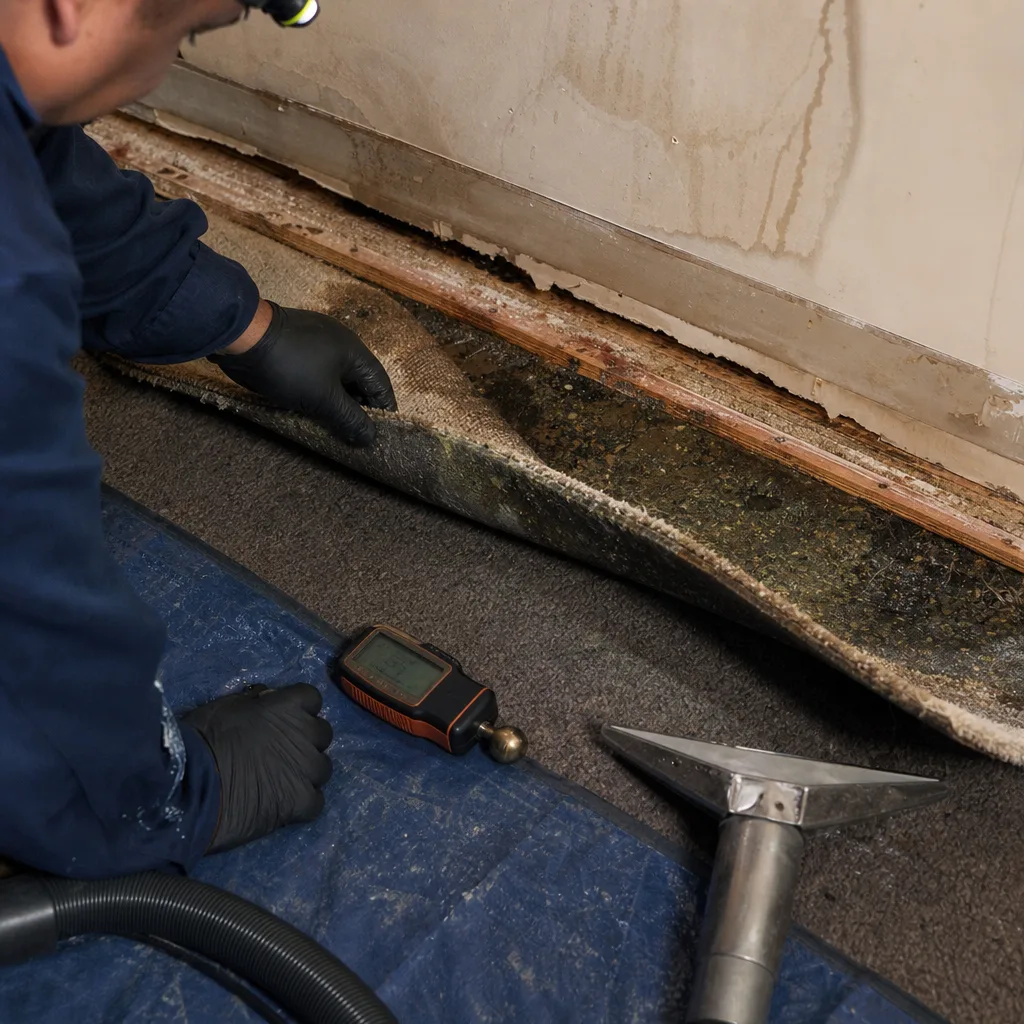
Pricing is not arbitrary. It is calculated based on the specific conditions found at your property. When we assess a site, we look at several variables that dictate the final scope of work.
- Material Porosity: Porous materials like carpet, padding, and drywall absorb water rapidly and often require removal and replacement rather than drying. Non-porous materials like tile or concrete are easier to clean and dry, which lowers the overall labor cost.
- Water Category: Category 1 water is clean supply line water. Category 2 is gray water, which contains contaminants. Category 3 is black water, such as sewage, which carries pathogens and requires specific safety protocols and disposal procedures that increase costs.
- Square Footage and Saturation Depth: We measure the affected area in square feet, but we also measure the depth of saturation. A room with two inches of standing water requires more labor and longer drying times than a room with a minor leak, directly impacting the equipment rental and labor hours.
- Structural Complexity: Homes with complex layouts, multiple levels, or inaccessible wall cavities require more time for moisture mapping and equipment setup. We use professional-grade drying systems from Dri-Eaz, Phoenix, XPOWER, B-Air, and Injectidry to address these challenges efficiently.
- Timing of Mitigation: The longer water sits, the more it spreads and the higher the risk of mold. Rapid response prevents the need for extensive mold remediation, which is always more expensive than initial water extraction.
When you contact DryMark Restoration Anaheim, we prioritize a rapid assessment to determine the most cost-effective path forward. Our goal is to minimize the destruction of your property while ensuring that all work meets IICRC, RIA, and IFA standards. This documentation-first approach is what Alicia Brennan built the company on, ensuring that your insurance carrier receives the evidence they need to approve the claim.
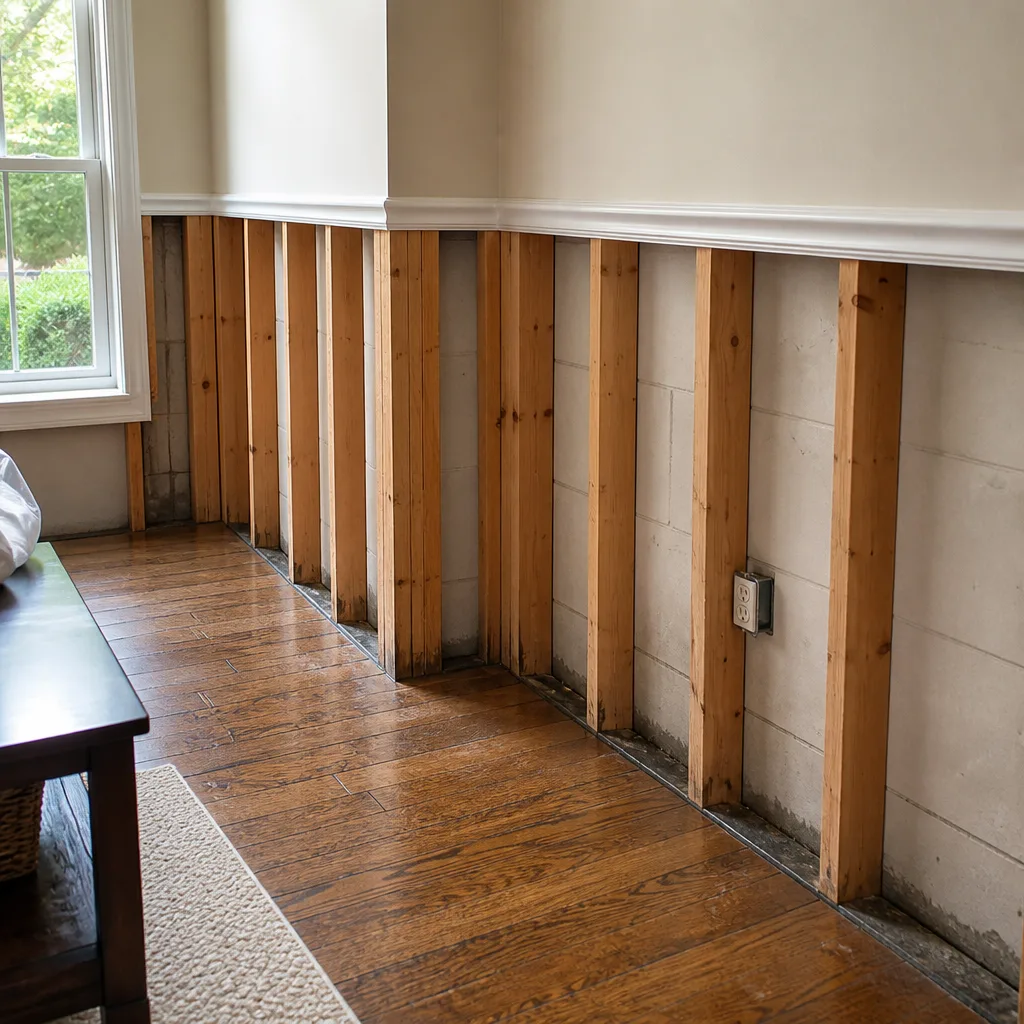
 Before
 After
AfterWhy Documentation Matters for Your Insurance Claim
Many homeowners struggle with insurance claims because their restoration provider failed to document the process correctly. A restoration invoice is only as good as the evidence attached to it. If you cannot prove why a specific piece of drywall was removed, or why a certain level of drying was required, the insurance adjuster may deny payment for those line items.
At DryMark Restoration Anaheim, we operate differently. We provide a documented photo record on every visit. This is not an upsell; it is our standard operating procedure. We capture the moisture readings, the psychrometric data, and the state of the property before, during, and after the work. We create daily drying logs that track the vapor pressure differential, which is the scientific measurement of how moisture moves from your structure into our dehumidification equipment.
This level of detail turns a complex restoration invoice into a clear, justifiable claim. We align our documentation with the standards insurance adjusters look for, reducing the likelihood of disputes or delays. When you hire us, you are hiring a team that understands the claims process from the adjuster’s perspective. Our founder, Alicia Brennan, started this company specifically to solve the documentation gap that costs homeowners their claims. We don’t just dry the structure; we build the case for your reimbursement.
How to Save on Storm & Disaster Restoration
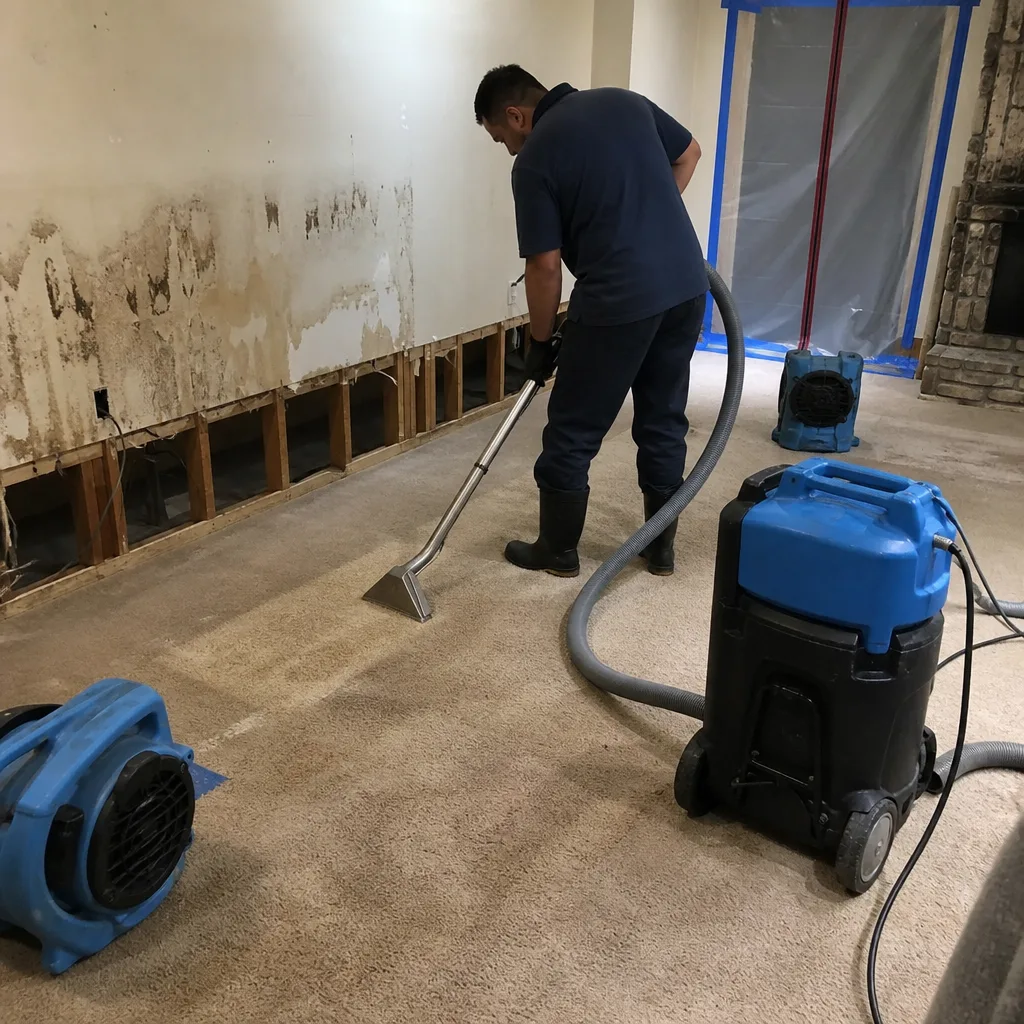
The best way to save money on restoration is to prevent secondary damage. While you cannot prevent a storm, you can control how you react to the aftermath. Here are practical steps to keep costs manageable.
- Stop the Source Immediately: If you have a roof leak, tarping it or placing a bucket can prevent gallons of water from entering your walls. If a pipe burst, shut off the main water valve.
- Document Everything: Take photos of the damage before you move anything. This visual evidence is crucial for your insurance claim and helps us understand the initial impact.
- Avoid DIY Drying for Large Losses: Using a box fan or a residential dehumidifier is rarely sufficient for structural drying. In fact, it can circulate mold spores and push moisture deeper into wall cavities. Professional-grade equipment is necessary to reach the correct humidity levels.
- Get a Free Second Opinion: If you have already received an estimate from another company, we offer a free second opinion. We will review their scope of work to ensure you are not paying for unnecessary services or being overcharged for standard procedures.
- Call Early: The cost of restoration is directly proportional to the time water spends in your home. Calling us as soon as you notice the damage allows us to stabilize the environment before mold begins to colonize, which saves on remediation costs.
If you need an assessment, call (909) 525-4167. We provide a written price before any work begins, ensuring you have the transparency you need to make informed decisions about your property. You can learn more about our commitment to transparency on our home page.
The Restoration Process: A Step-by-Step Guide
Understanding the restoration process helps demystify the costs. We follow a strict, documented procedure for every job, ensuring that no detail is overlooked.
- Emergency Response and Assessment: We arrive on-site to identify the source of the damage and assess the extent of the impact. We use moisture meters and thermal imaging to map the saturation, which forms the basis of our written scope of work.
- Written Scope and Agreement: Under The Haven Standard, Clause 1, we deliver a written price before any work begins. You will know exactly what the job costs, with no additions or scope-creep later.
- Water Extraction: We remove standing water using professional-grade pumps and extractors. This is the most critical step in preventing further damage.
- Containment and Protection: We isolate the affected area to prevent cross-contamination. If mold is suspected, we set up negative air pressure to keep spores from spreading to unaffected areas of your home.
- Structural Drying: We deploy high-capacity dehumidifiers and air movers. We monitor the drying process daily, taking moisture readings and adjusting equipment to ensure the structure reaches the correct equilibrium moisture content.
- Cleaning and Sanitization: We clean all salvageable materials, using antimicrobial treatments to neutralize pathogens and prevent mold growth.
- Reconstruction: Once the structure is dry and certified safe, we perform the necessary repairs, from drywall and paint to flooring and trim.
- Final Sign-off: We review the entire project with you, ensuring the work meets our 365-Day Done Right Promise.
Safety Warnings: Why You Should Not DIY
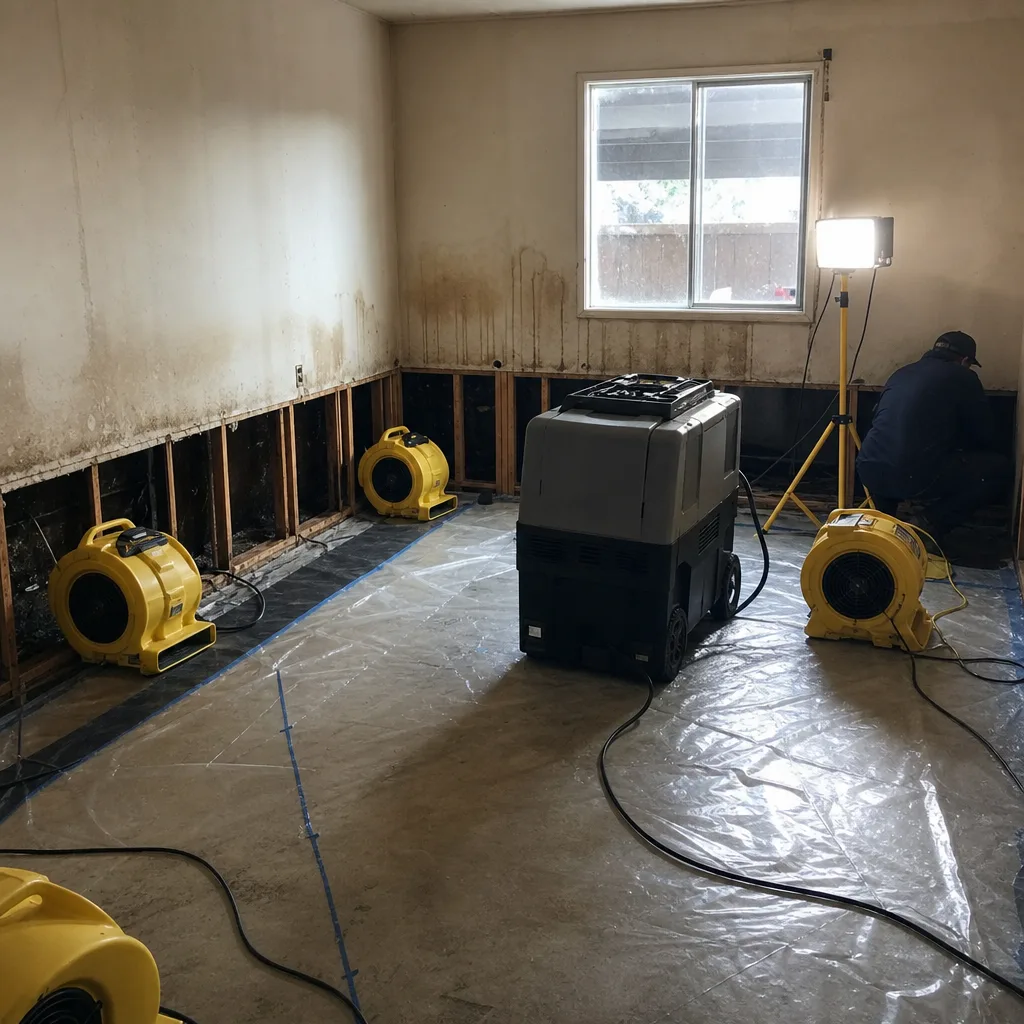
Restoration work involves significant risks. Many homeowners attempt to dry out their own homes, not realizing the dangers hidden behind their walls. If you are dealing with storm damage, please keep these safety factors in mind and consider calling a trained professional.
Electrical Hazards: Water and electricity are a dangerous combination. If your home has flooded, do not enter any area where water has reached electrical outlets or appliances. There is a high risk of shock or short circuits that could cause a fire. If you see standing water near electrical panels, do not touch anything. Call a professional who can safely isolate the power.
Structural Instability: Storms can weaken the structural integrity of your home. Roof leaks can lead to sagging ceilings, and water-logged drywall can become heavy and collapse. If you notice sagging in your ceiling or walls, stay clear of those areas. Structural failure is unpredictable and poses a severe risk of injury.
Biohazards and Pathogens: Flood water, especially if it involves sewage or outside runoff, is often contaminated with bacteria, viruses, and parasites. Handling these materials without proper personal protective equipment (PPE) can lead to serious health issues. We use professional-grade PPE and sanitization protocols to protect our crew and your family.
Mold Exposure: Mold can start growing within 24 to 48 hours. Disturbing mold without proper containment can release spores into the air, which can cause respiratory issues and allergic reactions. If you see signs of mold, do not attempt to scrub or disturb it. Allow a trained professional to contain and remediate the area safely.
If you are unsure about the safety of your home, err on the side of caution. Our team is trained to handle these hazards safely. If you have questions about your specific situation, call us at (909) 525-4167.
FAQs - Storm & Disaster Restoration Cost
How much does it cost to dry out a flooded basement in Anaheim?
The cost to dry out a basement in Anaheim typically ranges from $2,500 to $8,000, depending on the volume of water and the materials affected. We provide a written price before work begins, so you will know the exact cost before we start the extraction process. Call (909) 525-4167 for a free estimate.
Is it cheaper to repair or replace water-damaged materials?
In many cases, it is significantly cheaper to dry materials in place than to replace them, provided the damage is caught early. Materials like drywall can often be dried if caught within the first 48 hours. We always evaluate the cost-effectiveness of drying versus replacement and provide you with a transparent, written scope of work based on that assessment.
How quickly can you respond to a disaster in Anaheim?
We provide live phone coverage 24 hours a day, 7 days a week, and we prioritize emergency calls. We strive to arrive on-site as quickly as possible to prevent secondary damage, which is the most effective way to keep your restoration costs down. Call (909) 525-4167 to speak with a live person immediately.
Do you offer a warranty on your restoration work?
Yes. Every job we perform is covered by our 365-Day Done Right Promise. Under The Haven Standard, if the work is not done right, we make it right. This is a written warranty that ensures your peace of mind and the quality of our service.
Can you work with my insurance company on the claim?
Yes. We have extensive experience working with insurance adjusters. Because we provide a detailed photo record, moisture logs, and a clear, written scope of work, we make it easier for your adjuster to process your claim. We ensure that our documentation aligns with the standards they require for approval.
Pricing reflects the Anaheim market as of 2026. DryMark Restoration Anaheim offers free estimates - call (909) 525-4167.
Written by Alicia Brennan, Owner at DryMark Restoration Anaheim, serving Anaheim since 2011.
What Our Customers Say
"They told us the subfloor was dry and did not need replacing, which cost them the bigger job. We have recommended them four times since."
- Verity M."They photographed behind the baseboards before removing anything. That documentation is the only reason the claim covered the wall cavity."
- Noreen S."Storm took part of the roof. They tarped it the same evening and the written scope came through the next morning."
- Emmett L.