
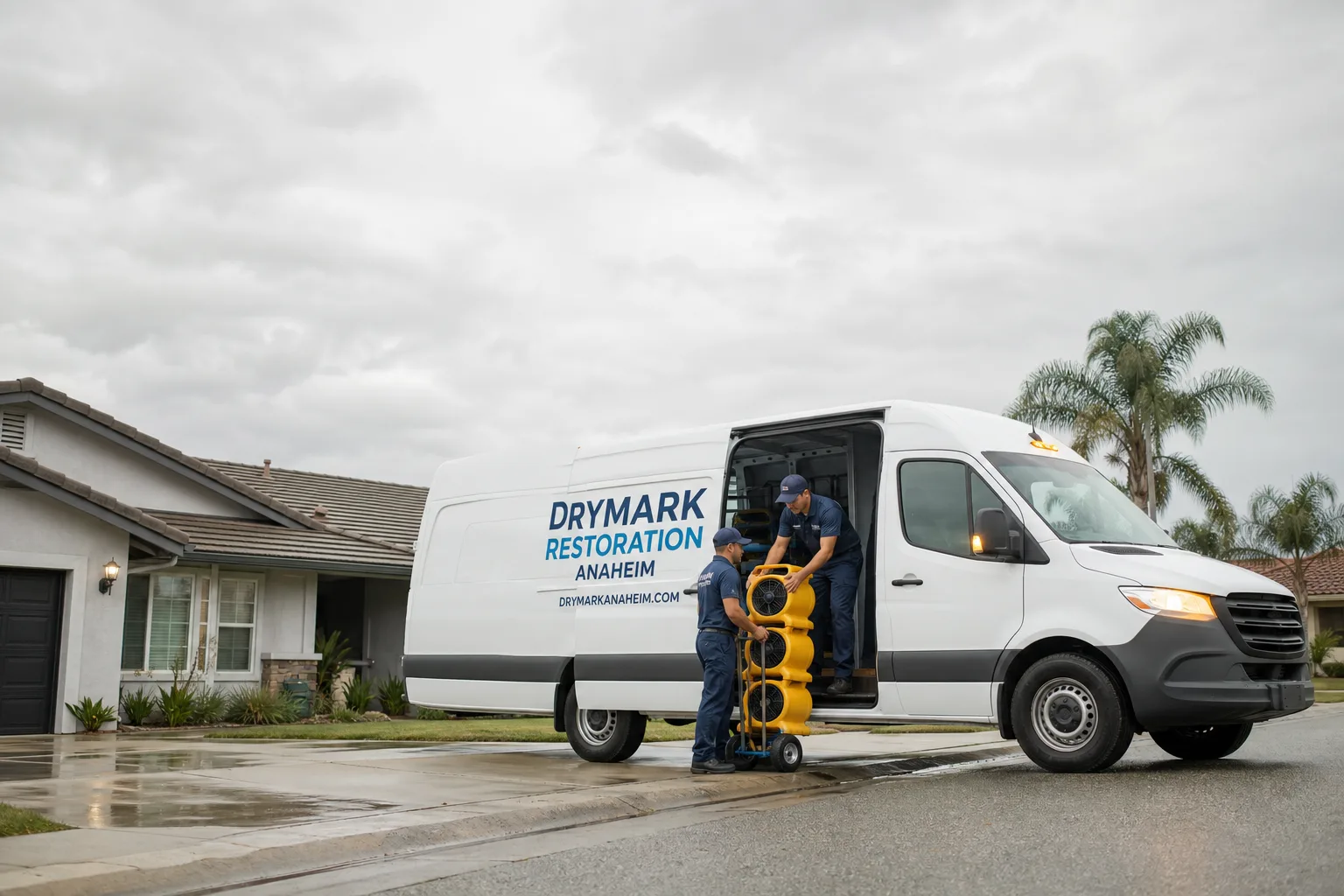
Free visual inspection and a written scope of work before any mitigation begins - photos, moisture readings, and drying logs go in your claim file
The scope we write is the scope we bill. Anything new gets shown to you, in writing, before we touch it.
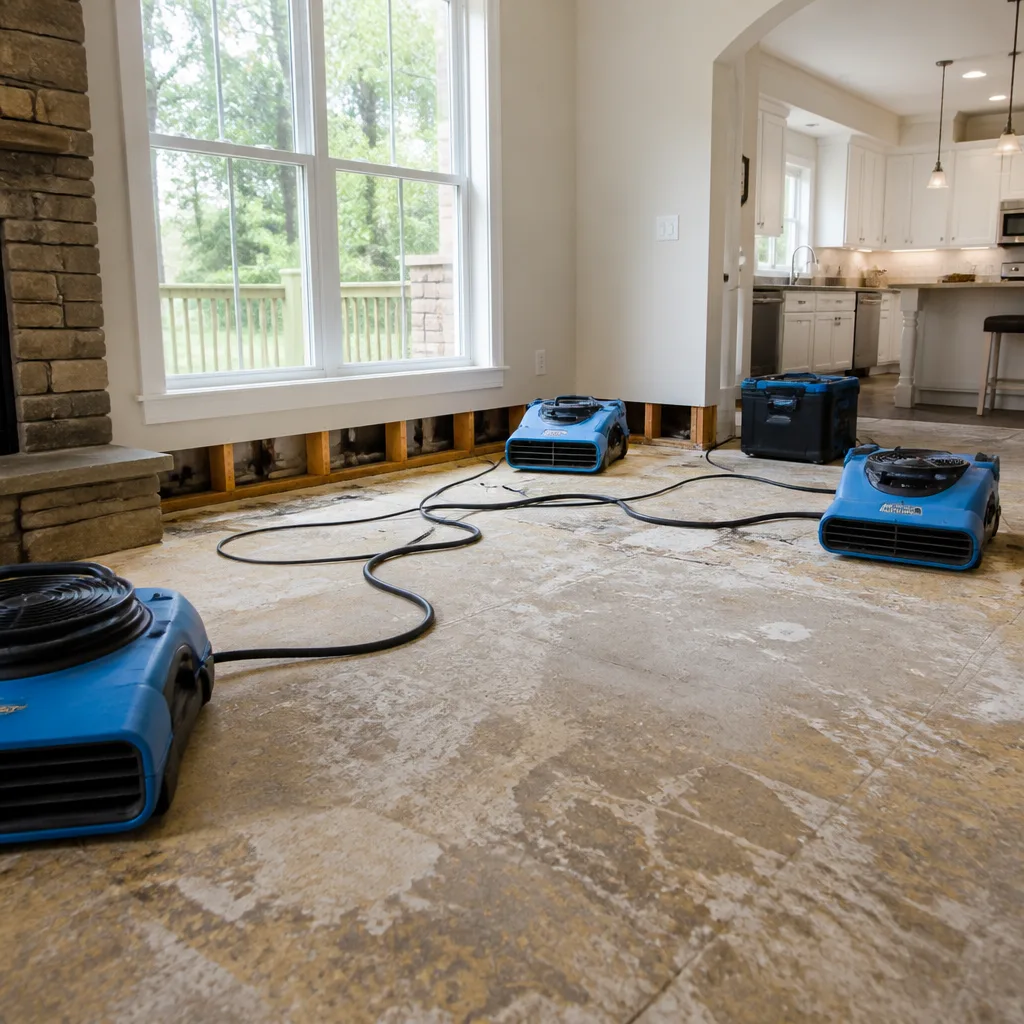
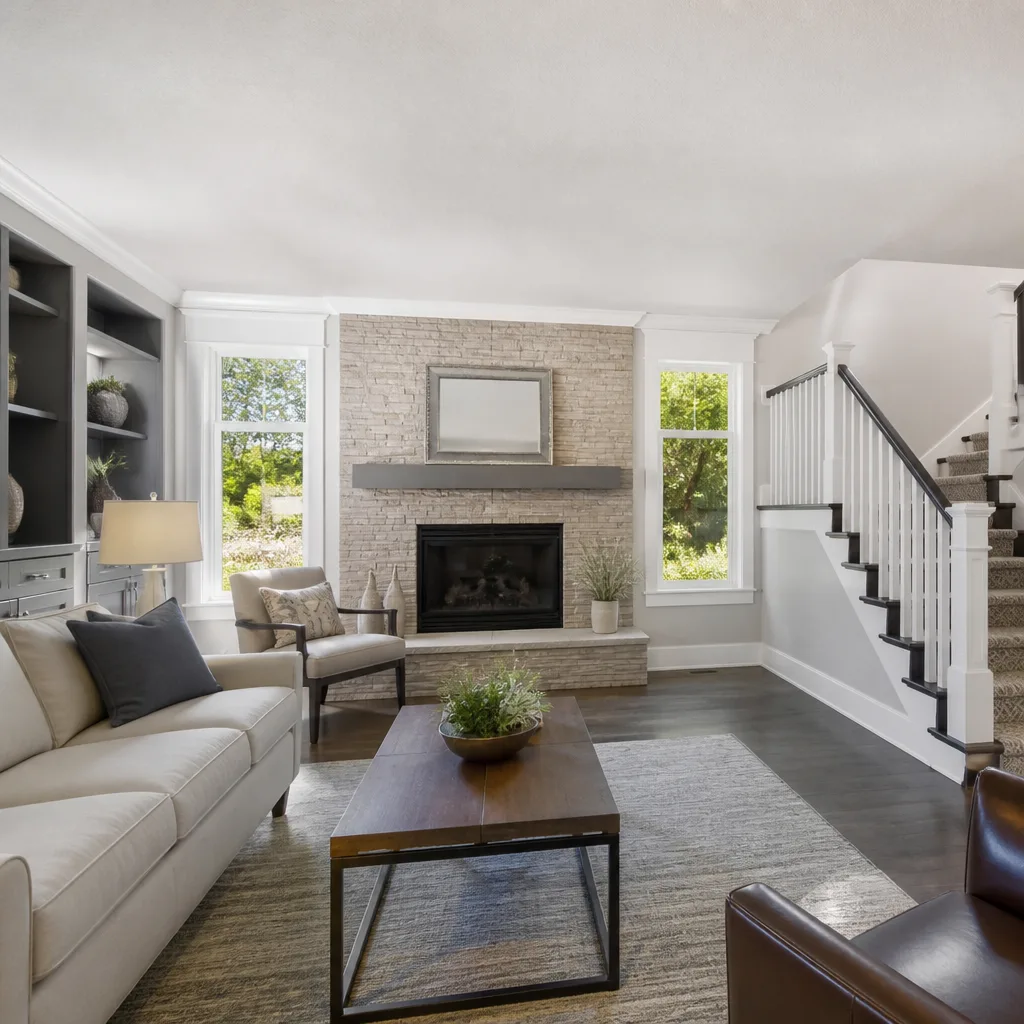
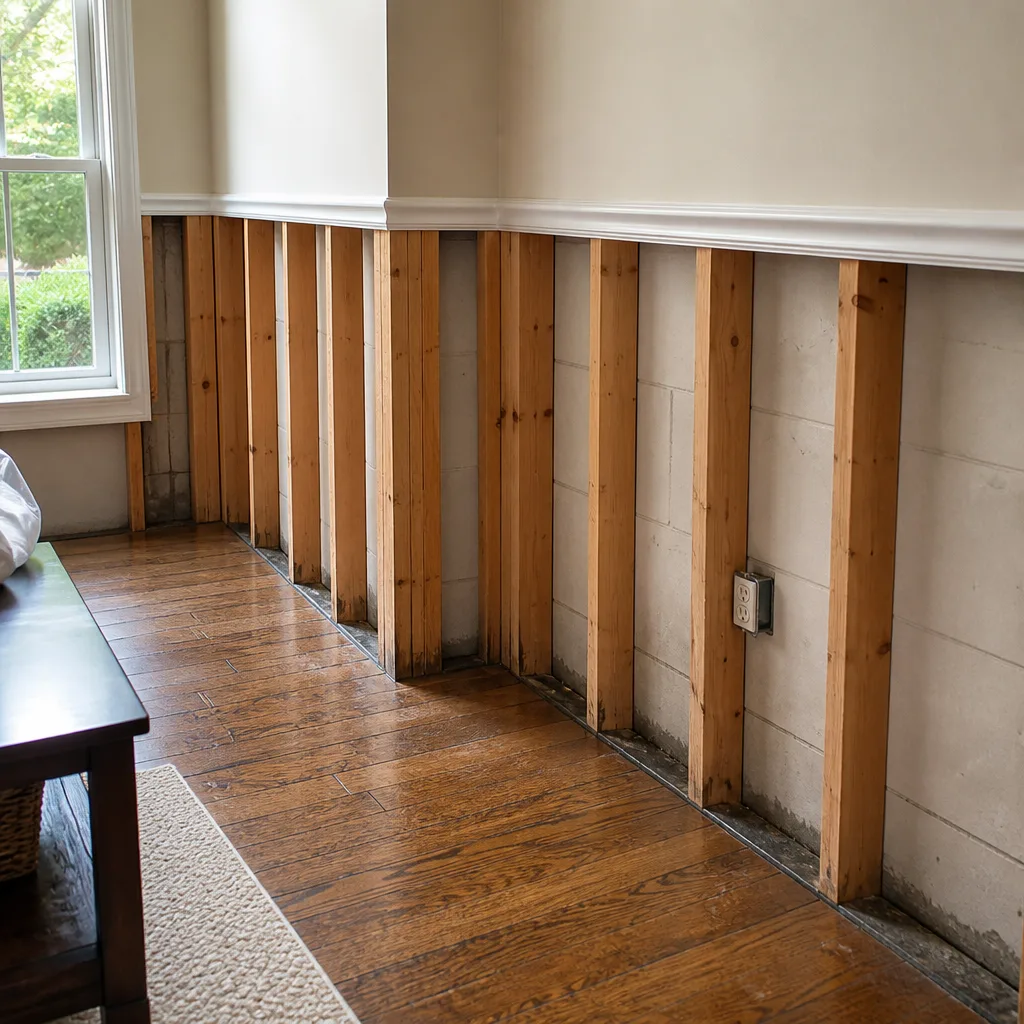

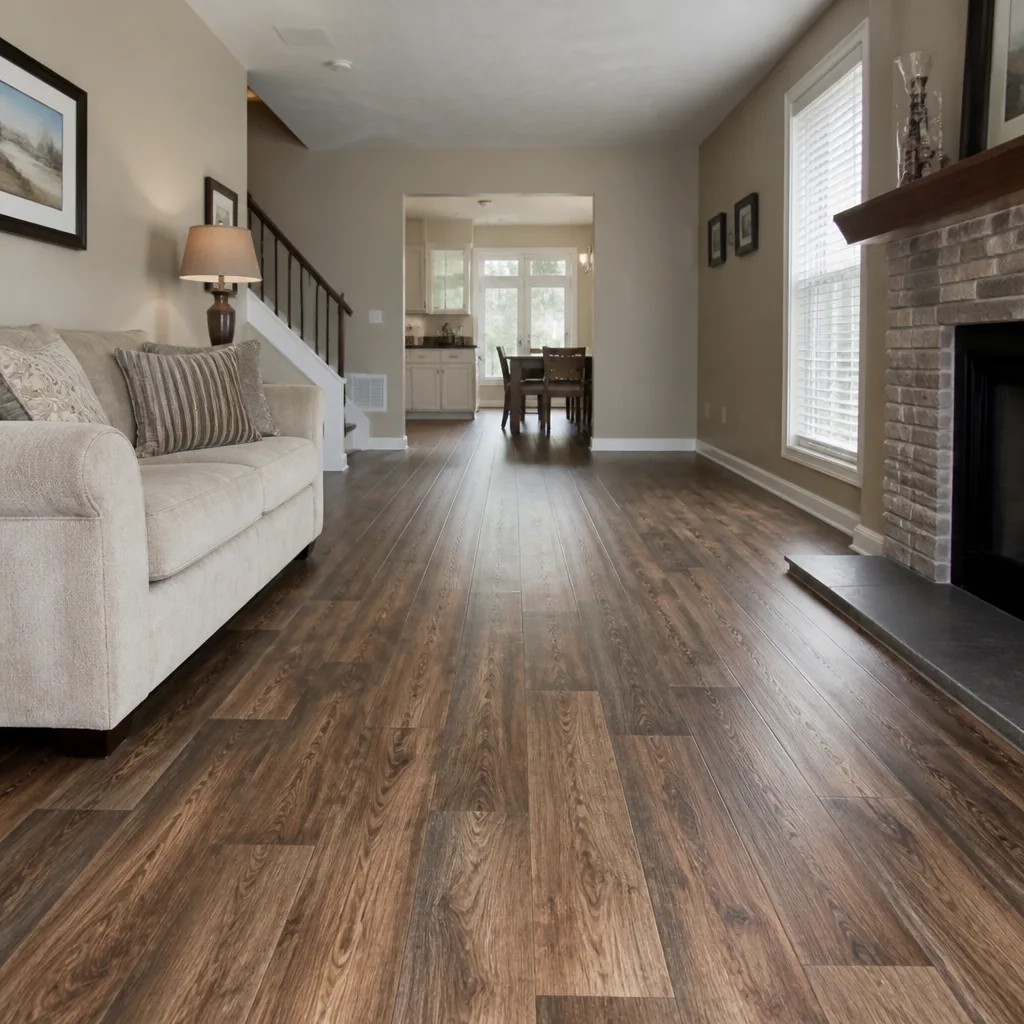

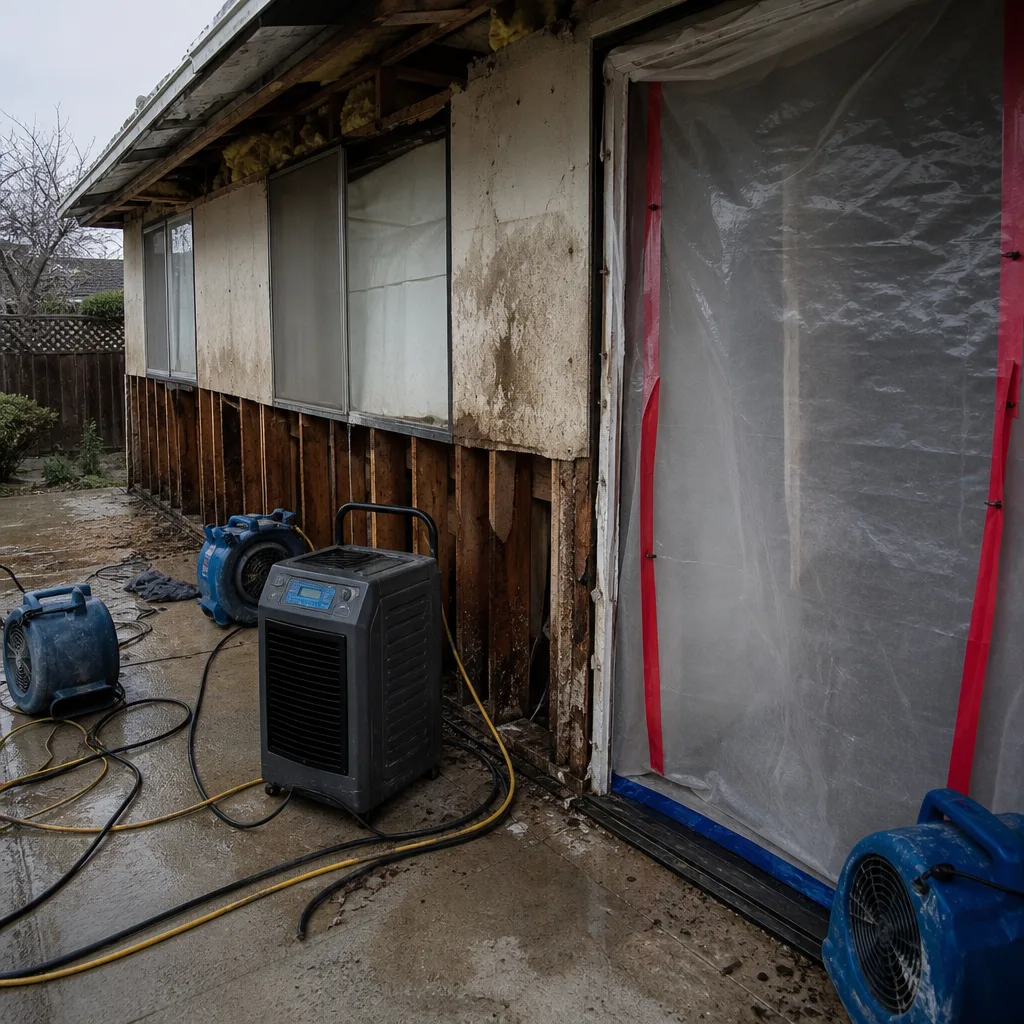 Before
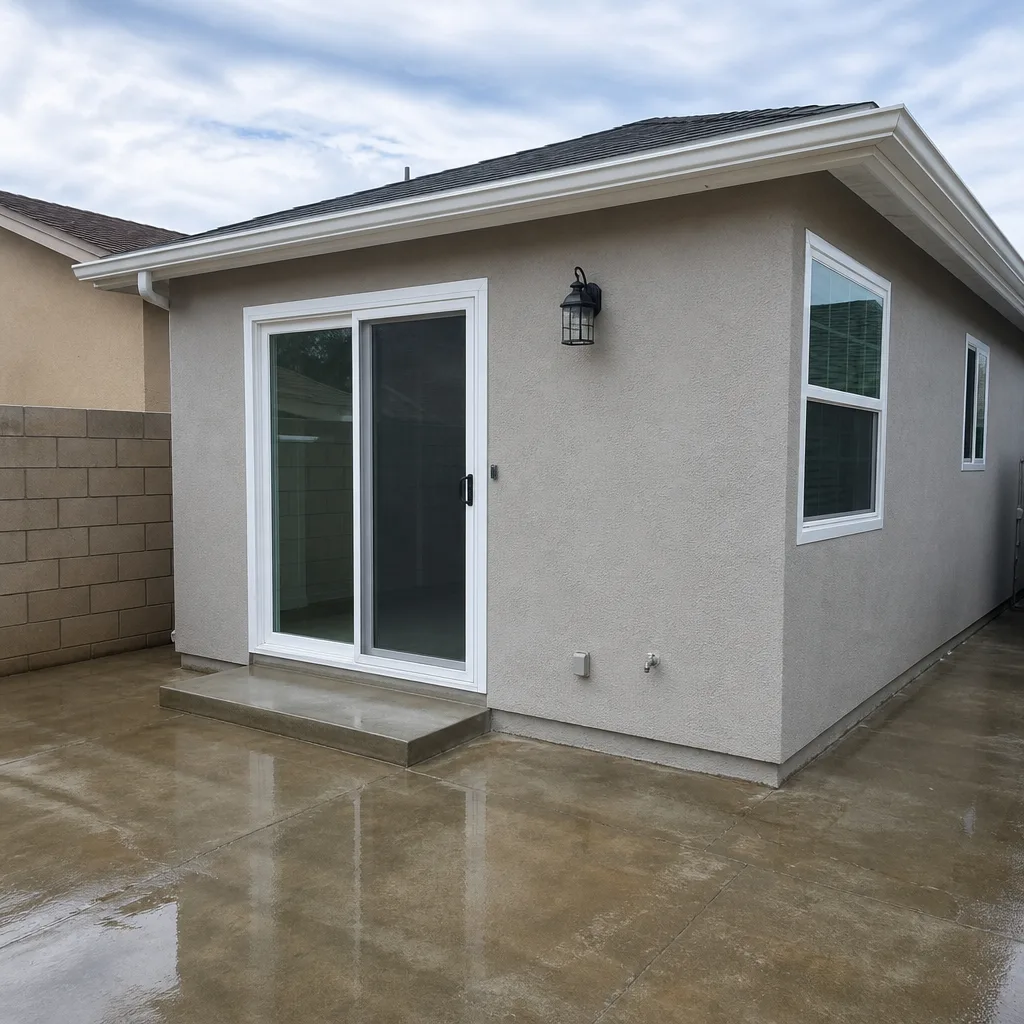 After
After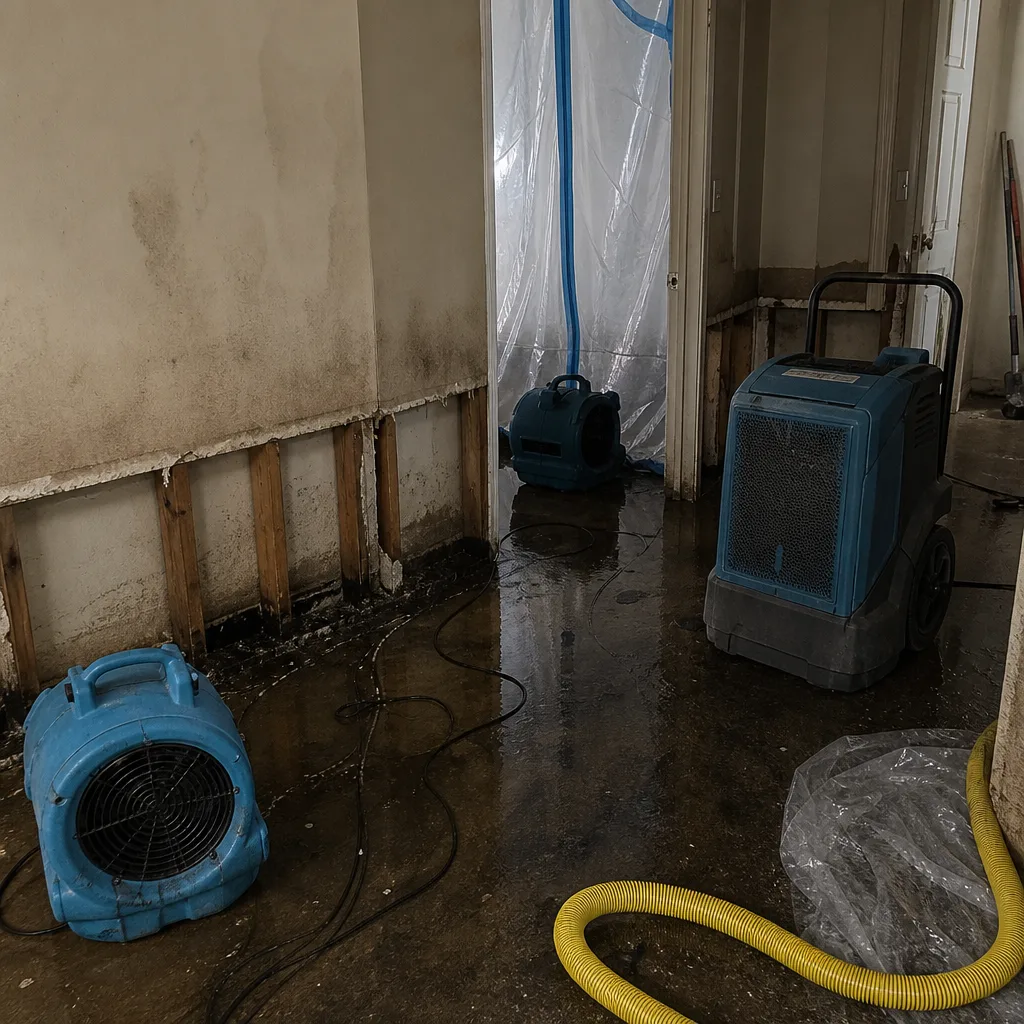 Before
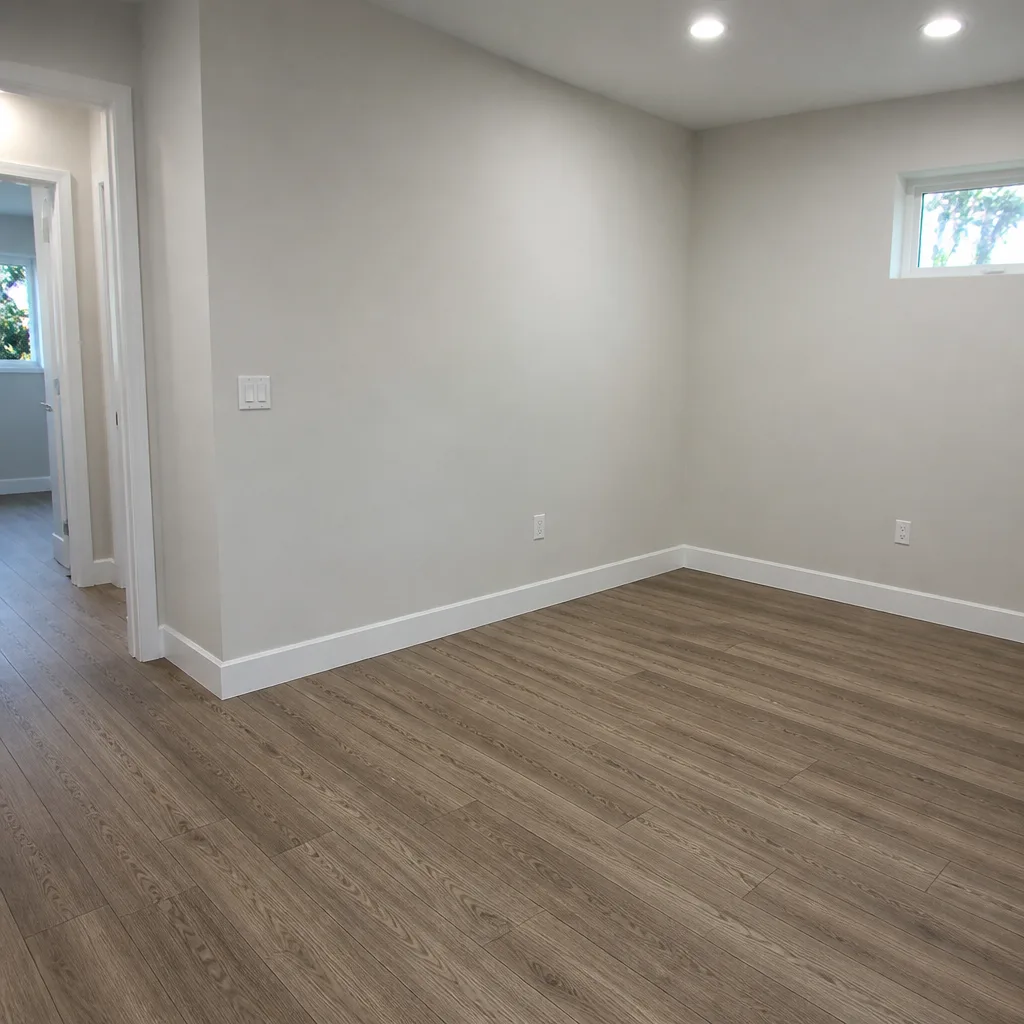 After
After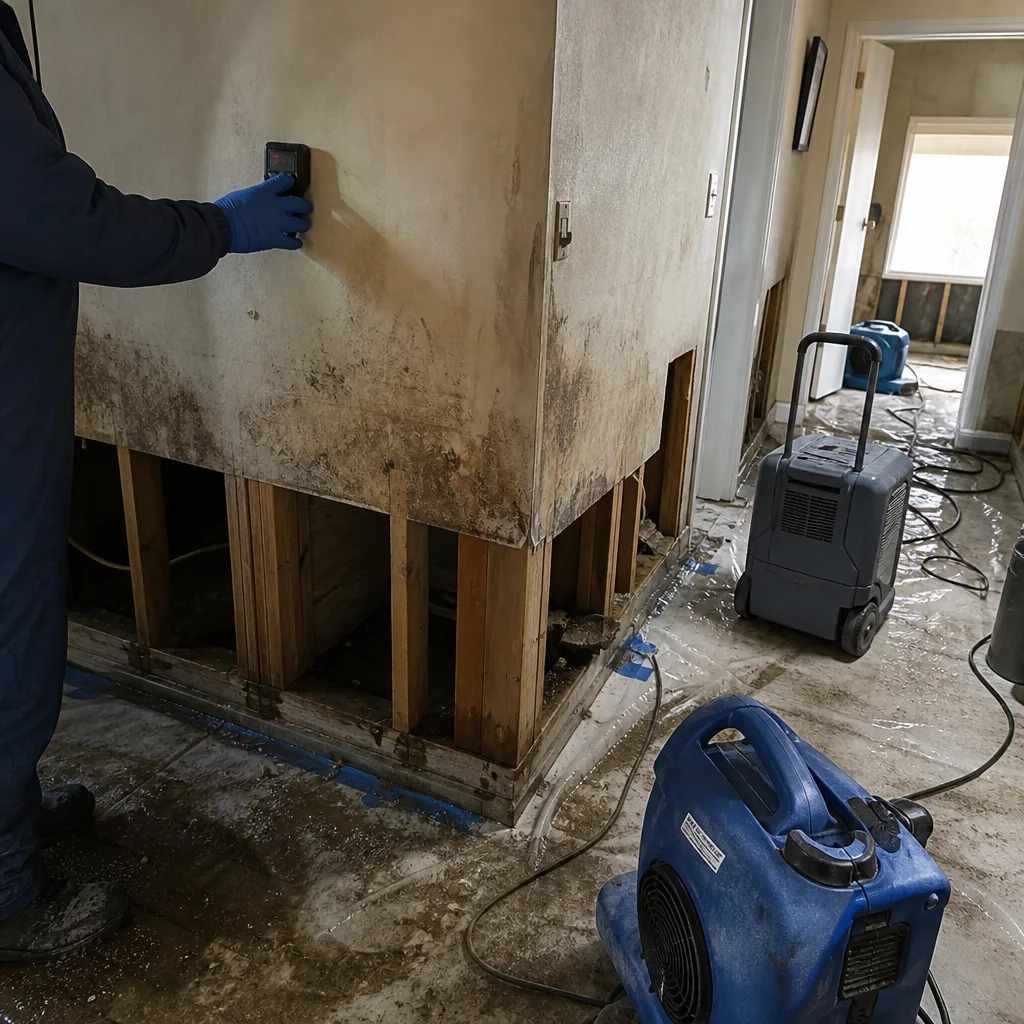 Before
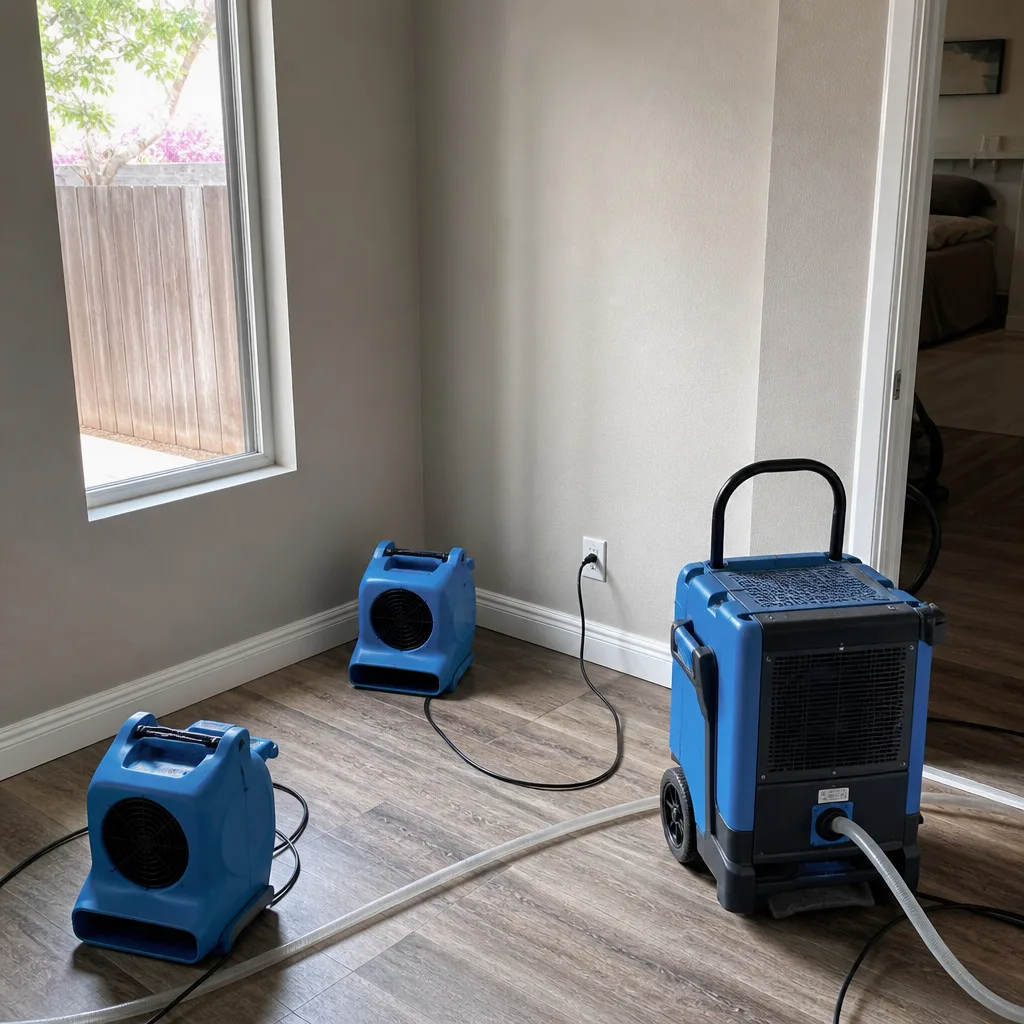 After
AfterFast, Reliable Mold Remediation Across Garden Grove
Mold remediation in Garden Grove typically runs $1,800-$4,500 for a standard slab-ranch home, with full-service jobs that include inspection, containment, removal, and drying documentation taking 3-7 days depending on how far moisture has traveled through the assembly. We’re the team that finds the water source others miss - the slow under-slab weep behind the ceramic tile, the flat-basin drainage failure that keeps the subfloor wet long after surface readings look normal. Call (909) 525-4167 and a live person will answer, 24 hours a day, 7 days a week. No voicemail while water is still moving.
Our crews serve Garden Grove from our Los Angeles office, with dispatch and scheduling coordinated to get equipment and technicians to slab-ranch neighborhoods from West Garden Grove to the Brookhurst corridor without the delays that come from treating Orange County as one generic market. We know the alley-load townhomes near Chapman Avenue, the garage conversions common in multi-generational households off Harbor Boulevard, and the rolling-code openers that mean equipment gets hand-carried through side doors - not rolled up a driveway that doesn’t exist. That local knowledge changes how we plan containment, how we stage dehumidifiers, and how we document the job for your insurer.
Why DryMark Restoration Anaheim Is Garden Grove’s Preferred Mold Remediation Company
Garden Grove homeowners have left us reviews that mention the same thing repeatedly: we found water they didn’t know was there. In a market where most homes were built between 1955 and 1975 as slab-on-grade ranches, the original galvanized and early copper supply lines have been corroding for decades in hard, Colorado River-sourced municipal water. When a line weeps under the slab, moisture migrates up through ceramic tile laid directly over original vinyl asbestos floor tile - a stack we see constantly in 1960s and 1970s tracts - and the visible symptom looks like a grout leak or condensation stain. Our Mold Remediation team maps moisture with thermal imaging and penetrating meters before cutting anything, so the scope we write matches the actual damage, not the visible tip.
Response time to Garden Grove averages under 90 minutes for active water calls, though mold-only inspections are scheduled within 24 hours since the hazard is established, not spreading. Every job gets a written price before work starts - Haven Standard, Clause 1 - with no scope-creep additions once our crew is inside your home. We document every visit with a photo record, produce daily drying logs to IICRC and RIA standards, and back the work with our 365-Day Done Right Promise under The Haven Standard. If it’s not done right, we make it right. That’s a signed guarantee, not a verbal assurance.
Our technicians are background-checked, uniformed, and licensed - named on the work order before they arrive, not assigned at random. We carry professional-grade drying systems from Dri-Eaz, Phoenix, and XPOWER, and we coordinate directly with adjusters when insurance is involved, delivering the psychrometric data and vapor pressure differential readings that turn restoration invoices into payable claims.
Our Mold Remediation Services in Garden Grove
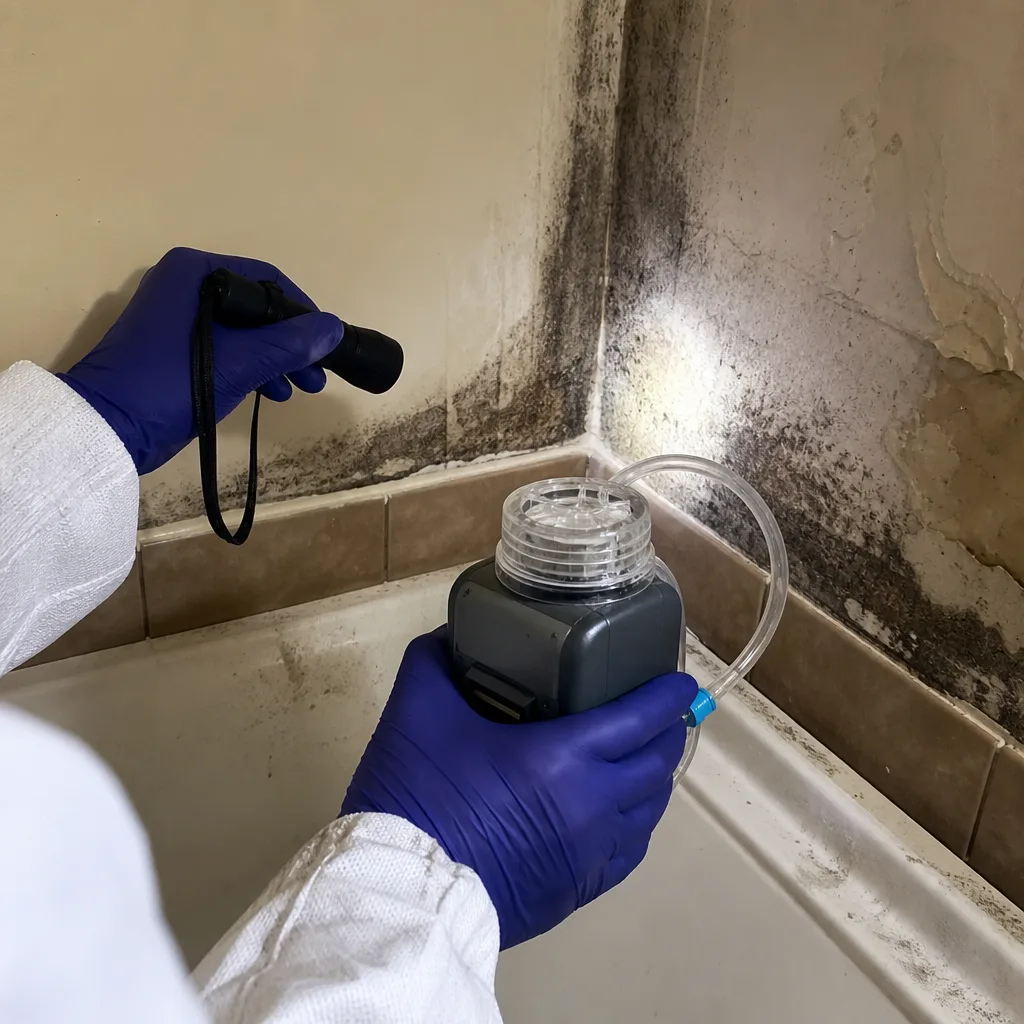
Mold Inspection & Testing
Every Garden Grove inspection starts with moisture mapping, not guesswork. We use thermal cameras and penetrating moisture meters to trace the path of water through slab assemblies, because in this city’s 1960s-70s tract homes, the visible stain is rarely the full story. The flat basin topography means moisture that reaches the slab has nowhere to drain away from the foundation - it spreads laterally instead. We test air and surface samples through third-party labs when clearance documentation is required for real estate transactions or insurance claims, and we write the scope only after we know where the water started and how far it traveled.
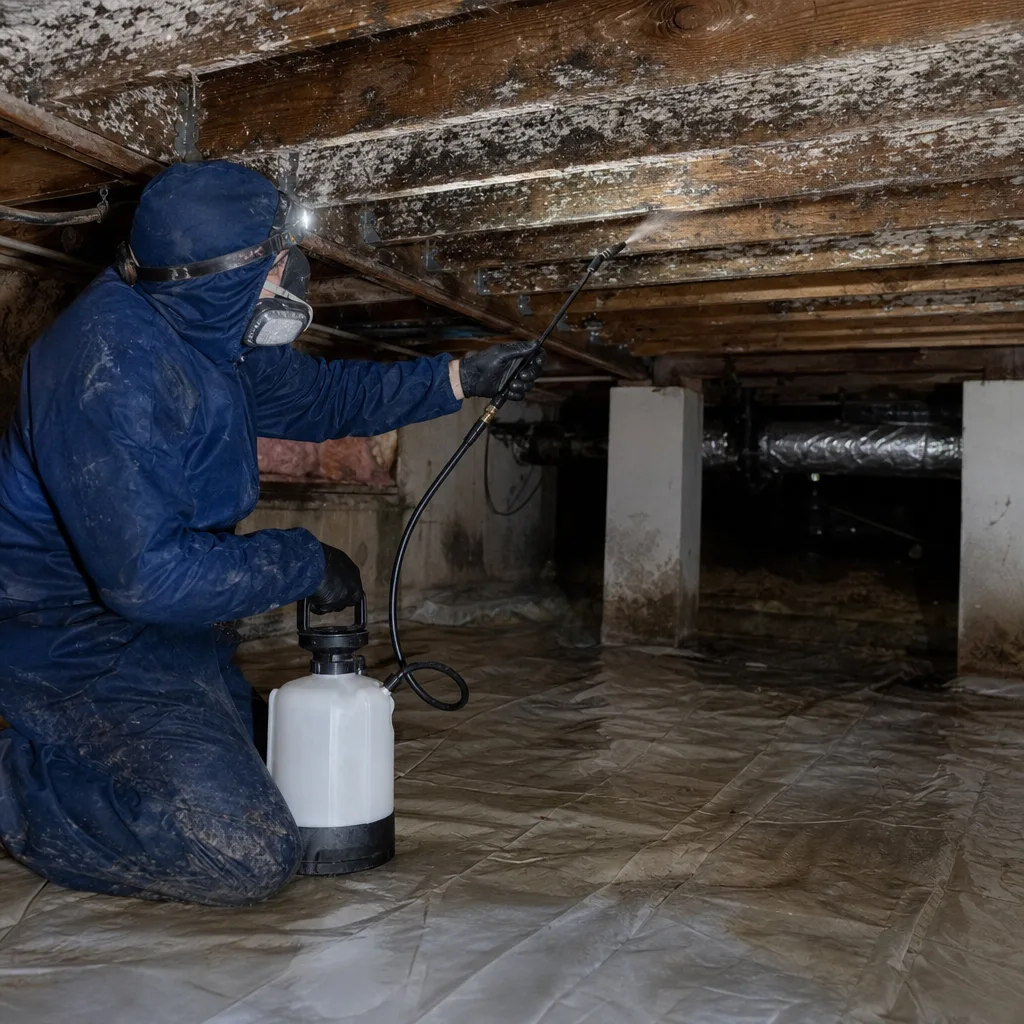
Mold Removal
Removal in Garden Grove means working around the tile-over-vinyl-asbestos stack that dominates local housing stock. We don’t treat ceramic tile as the boundary - we test what’s beneath it, because the slow weep that feeds mold doesn’t respect layer lines. Containment gets built to negative air pressure, affected drywall and baseboard are removed with HEPA-controlled demolition, and antimicrobial treatment is applied only after moisture readings confirm the substrate is at pre-loss condition. Our crews plan the equipment route before arrival: alley-load access, rolling-code openers, and tight side doors are standard conditions here, not exceptions.
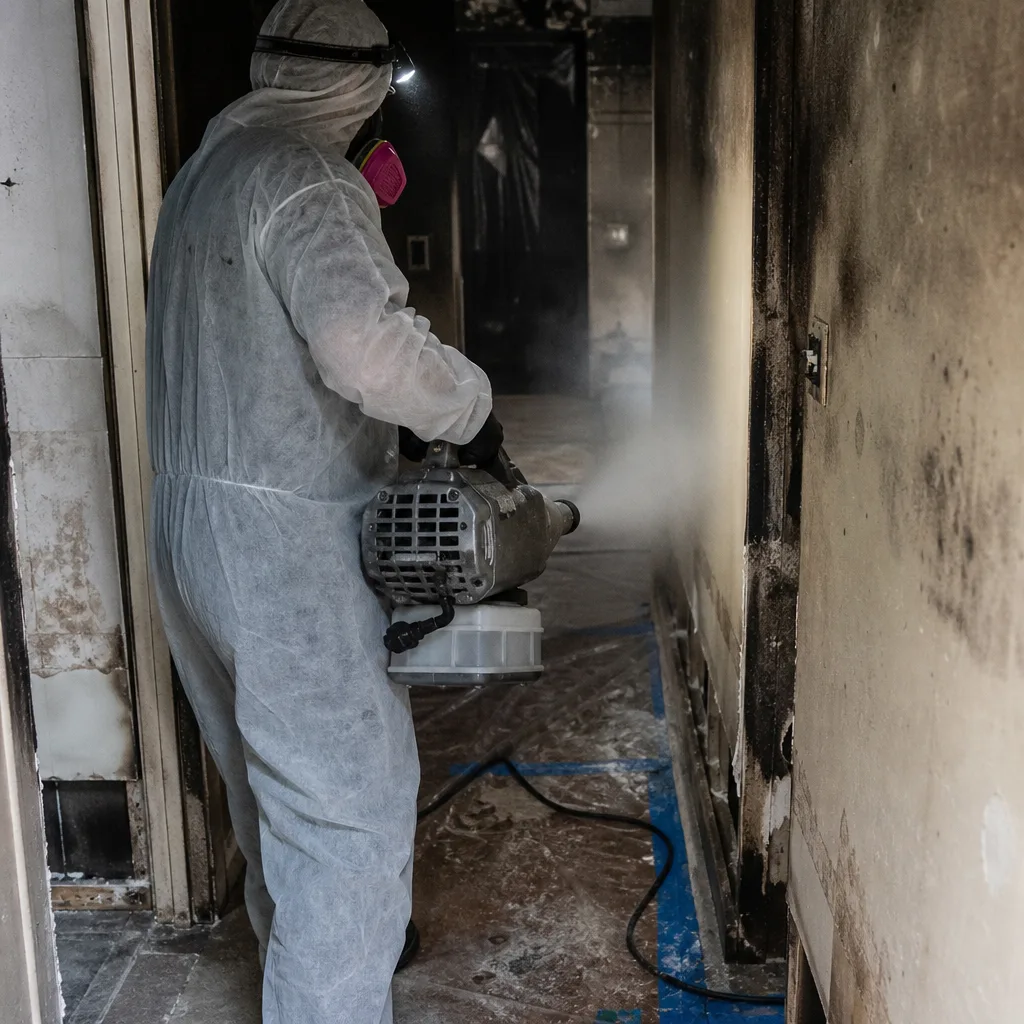
Black Mold Remediation
Stachybotrys and other toxigenic species in Garden Grove almost always trace back to chronic moisture, not sudden floods - the under-slab line that weeps for months, the storm drain backup that pushes groundwater through slab cracks during El Niño years, the unpermitted addition with no vapor barrier. We identify and eliminate the moisture source as the first step, not the last, because black mold remediation that skips the source is a temporary paint job. Our containment protocols, air scrubbing with HEPA filtration, and post-remediation verification sampling meet IFA documentation standards for health-sensitive occupants.
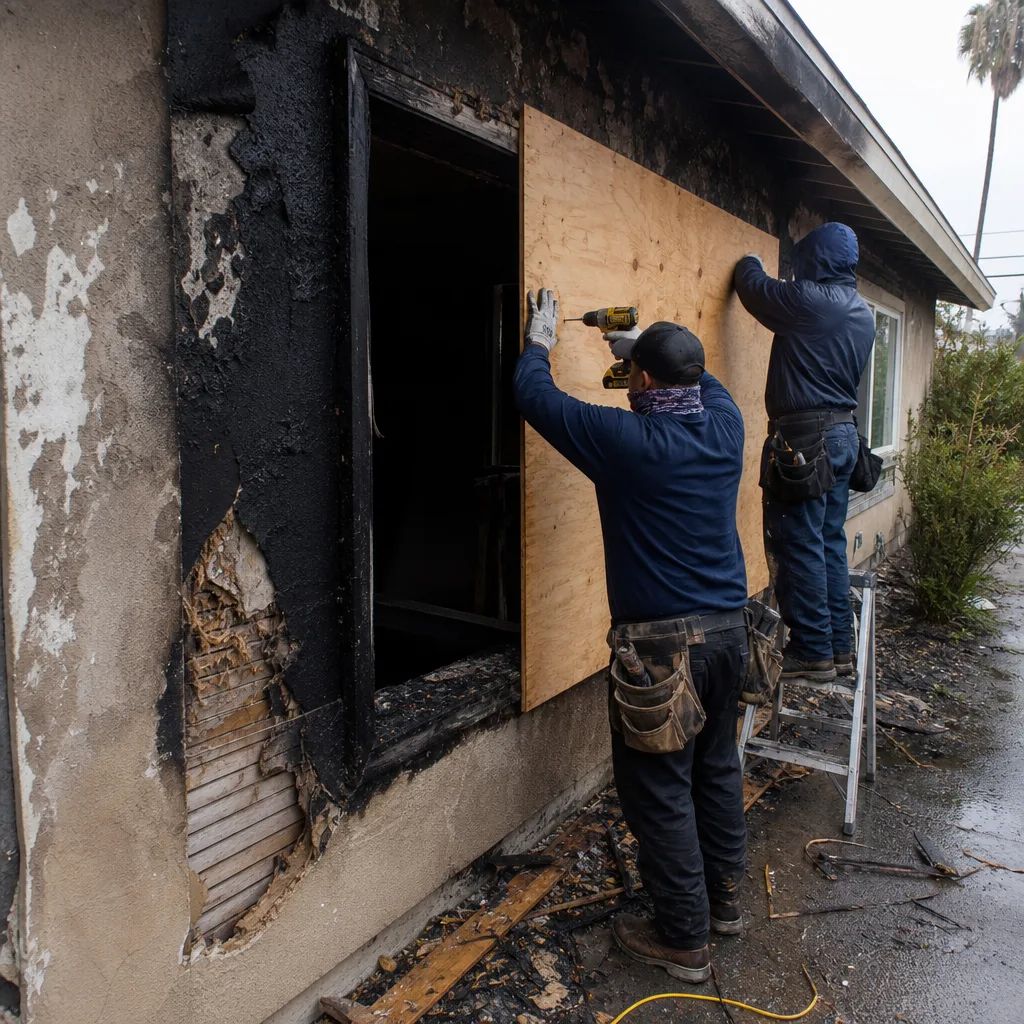
Air Quality Restoration
After removal, we restore breathable air through source elimination, not masking. HEPA air scrubbers run during work and through the drying phase, with particle counts documented to show decline. In Garden Grove’s dense neighborhoods - multi-generational households, garage conversions, limited window ventilation - air exchange rates are often lower than code-minimum new construction, so we size equipment to actual cubic footage and occupancy load, not rule-of-thumb tables.
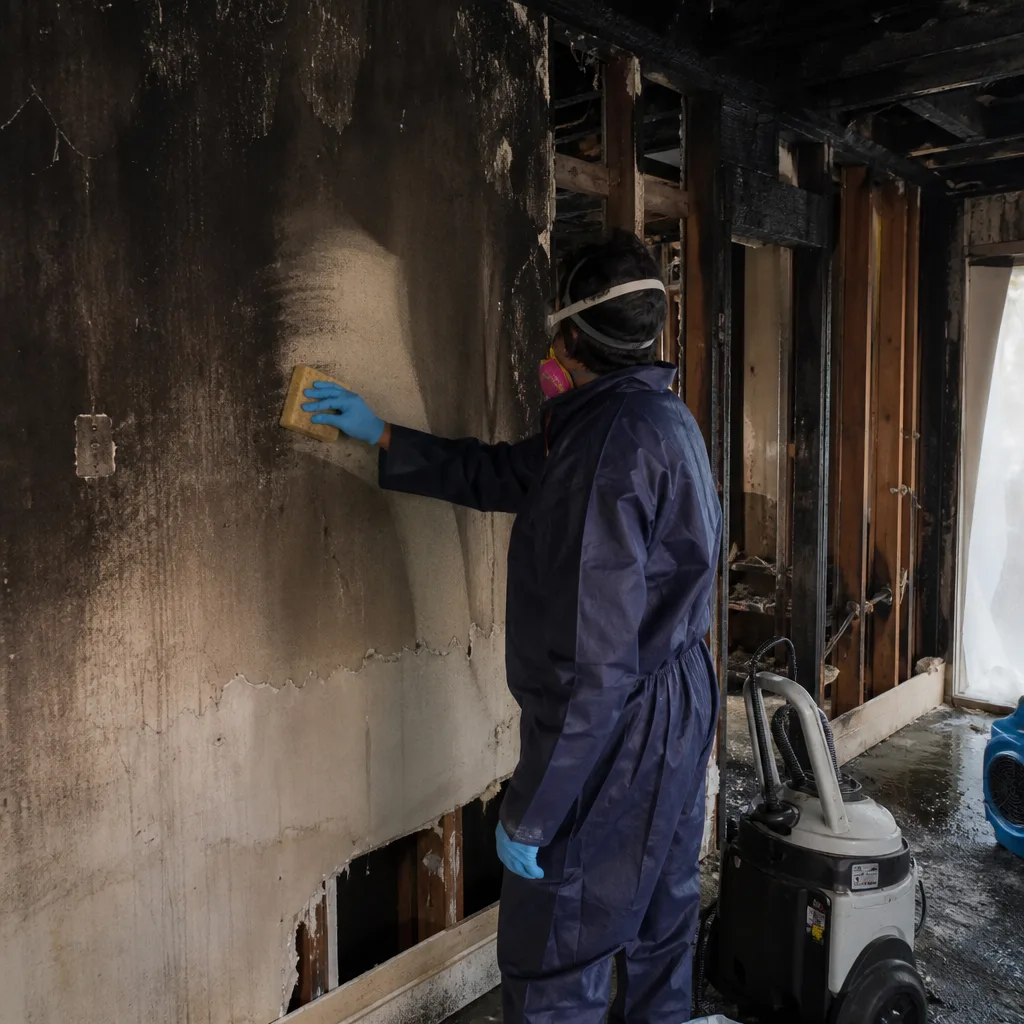
Moisture & Humidity Control
Control means understanding Garden Grove’s flat-basin reality: standing water around foundations dissipates slowly, storm drain capacity is limited in aging infrastructure, and the slab has no elevation buffer against groundwater push. We install and document dehumidification systems sized to the specific vapor pressure differential of your assembly, with daily logs that show grains per pound dropping to target. Without this documentation, insurers routinely deny the drying portion of claims.
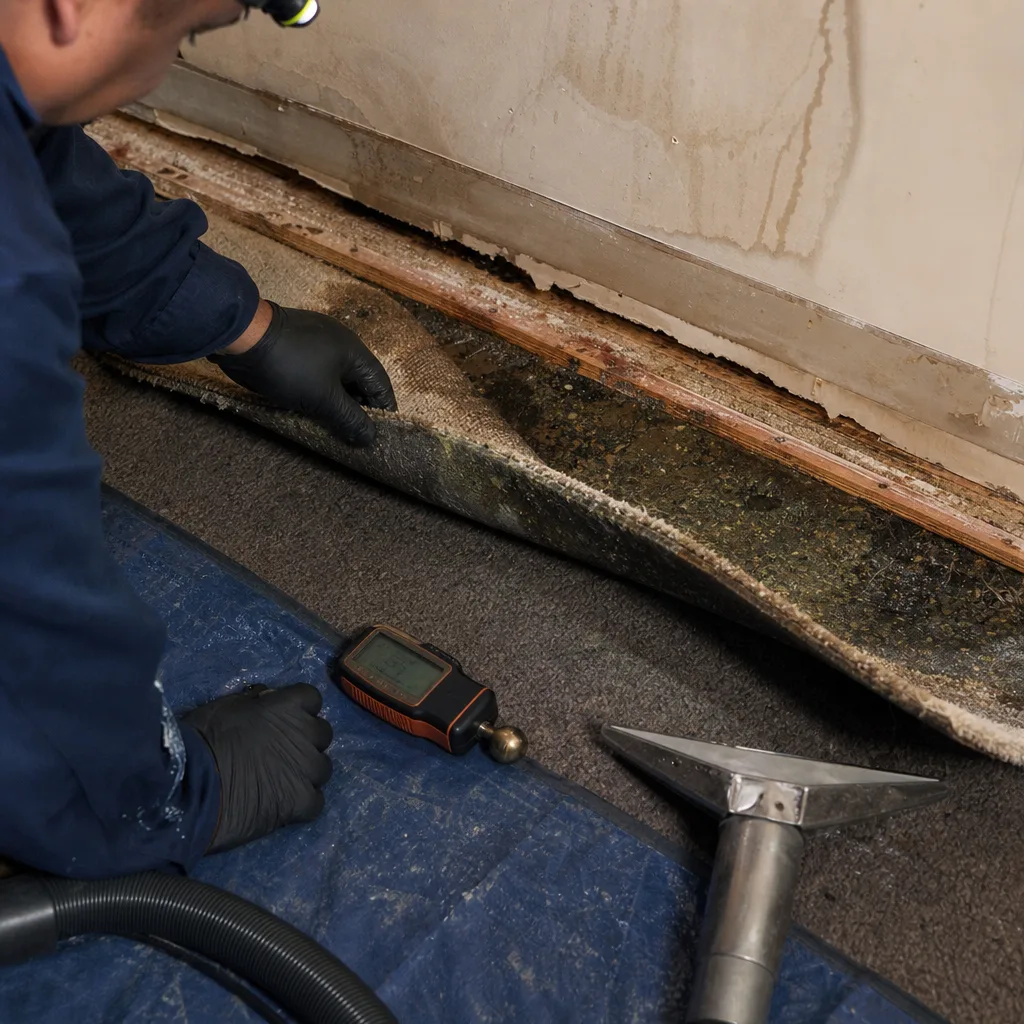
Crawl Space Treatment
True crawl spaces are rare in Garden Grove’s slab-ranch stock, but partial excavations, unpermitted additions, and garage conversions sometimes create confined voids with dirt or inadequate vapor barriers. We treat these with the same containment, negative air, and drying documentation as full crawl jobs, adapted to access constraints that often require hand-carry through tight openings.
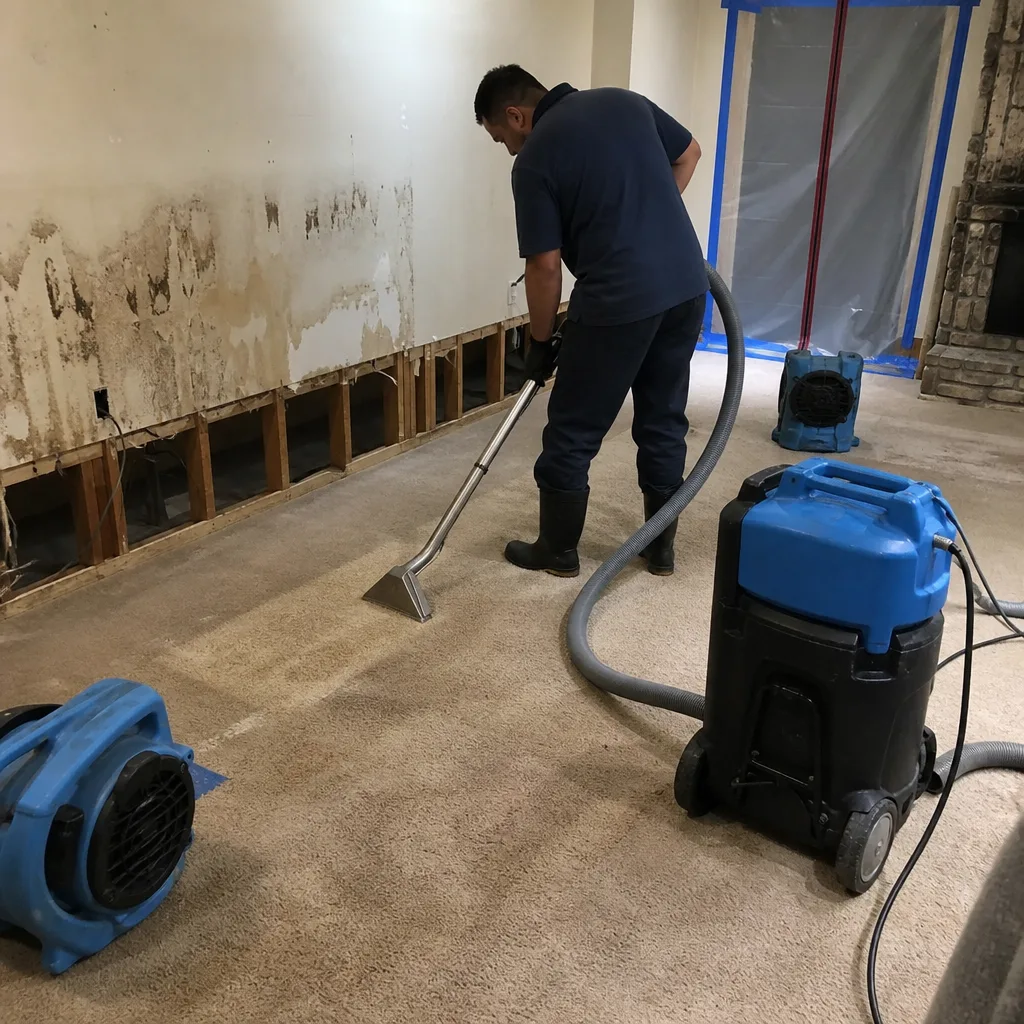
What happens when you call
- 1
A real person answersNo phone trees - you reach a local pro.
- 2
You get an upfront price rangeHonest numbers before anyone is dispatched.
- 3
A background-checked tech heads outLicensed & insured, dispatched right away.
- 4
You approve before work beginsNothing starts until you say go.
 Before
 After
AfterTrusted Equipment Brands We Deploy in Garden Grove
We stock and deploy professional-grade drying systems from Dri-Eaz, Phoenix, and XPOWER on every Garden Grove job - LGR dehumidifiers sized to the flat-basin humidity load, air movers with variable speed for tight-space staging, and Injectidry panel drying systems for the tile-over-vinyl-asbestos assemblies where we can’t pull flooring dry. Every machine’s runtime and output gets logged daily, producing the psychrometric data - temperature, relative humidity, grains per pound, vapor pressure - that insurers require to approve drying charges. We don’t rent equipment by the day and hope; we own it, maintain it, and document its performance to IICRC and RIA standards on every visit.
Common Mold Remediation Problems We See in Garden Grove Homes
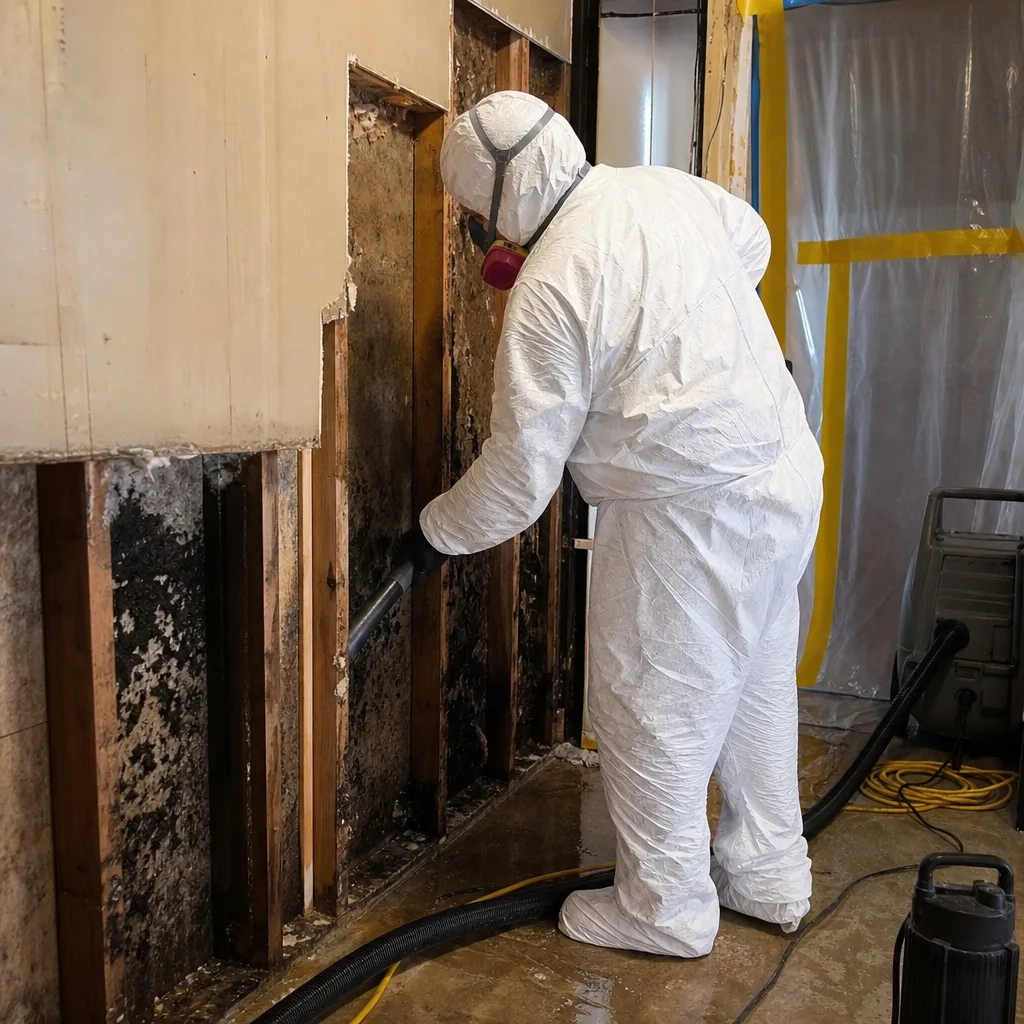
- The under-slab source gets missed. A crew cuts out moldy drywall and baseboard, treats the surface, and calls it done - but the original 1960s galvanized or early copper line keeps weeping under the slab. The flat basin gives moisture nowhere to drain, so it wicks back up through the assembly, and mold returns within a season. We scope the supply line before writing the scope of work.
- The tile stack gets treated as one layer. Ceramic tile over vinyl asbestos tile over slab: moisture saturates both flooring layers, but surface readings on the ceramic can read dry while the vinyl and subfloor are still wet. Drying logs that don’t penetrate the full assembly document a false dry standard, and mold regrows from the undried substrate.
- Access gets treated as an afterthought. Alley-load parking, rolling-code garage openers, and townhome-style side doors are standard in Garden Grove’s denser neighborhoods. Equipment staged in the wrong spot, containment flaps left open, or air movers short-cycled because nobody planned the hand-carry route - these aren’t minor inefficiencies, they’re documentation failures that extend dry times and inflate costs.
- Unpermitted additions complicate moisture mapping. Garden Grove’s multi-generational households often include garage conversions or rear additions built without permits, with no vapor barrier, no proper flashing, and no as-built plans. Drying plans that assume standard construction miss these voids entirely, leaving wet cavities that become mold reservoirs.
Pricing for Mold Remediation in Garden Grove, CA
A typical mold inspection and testing in Garden Grove runs $350-$650, including moisture mapping, thermal imaging, and lab analysis when clearance documentation is required. Mold removal for a contained bathroom or kitchen area in a slab ranch generally falls between $1,800 and $3,200. Full black mold remediation with whole-room containment, HEPA-controlled demolition, and air quality restoration in a multi-room job runs $3,500-$6,500, with complex tile-over-vinyl-asbestos assemblies or unpermitted additions pushing toward the higher end. Crawl space or confined-void treatment starts around $2,200 and scales with access difficulty and square footage.
What moves the number: how far moisture traveled through the assembly (we map this before quoting), whether the tile stack requires full removal or can be dried in place with Injectidry panel systems, and whether the moisture source is a simple fix or requires slab excavation and plumbing repair. Every job gets a written price before work begins - Haven Standard, Clause 1 - with no additions once the crew is inside. Bring a competitor’s written estimate and we’ll review it free as part of our Free Second Opinion policy. Call (909) 525-4167 for an exact quote; estimates are free.
We Also Serve Cities Near Garden Grove
Our crews work throughout central Orange County, including Garden Grove and neighboring Stanton, Anaheim, Orange, and Santa Ana. Each city’s housing stock and drainage conditions shape how we approach mold remediation - slab ranches in Garden Grove differ from pier-and-beam pockets in older Santa Ana, and our scopes reflect those differences in drying plans and documentation.
Serving Garden Grove, CA - Our Local Coverage Area
We’re based in the Garden Grove area and know this community well. Use the map below to see our service coverage - if you’re nearby, we can almost certainly help.
FAQs - Mold Remediation in Garden Grove
Because the moisture source was never fixed. In Garden Grove’s 1960s-70s slab ranches, the original galvanized or early copper supply lines under the slab keep weeping long after surface mold is removed. The flat basin topography means that moisture, once it reaches the slab, has no grade to drain away - it wicks laterally through the subfloor and up into wall assemblies. We scope the plumbing and map the full moisture field before cutting anything, so the remediation includes source elimination, not just symptom removal. Call (909) 525-4167 for an exact quote - estimates are free.
Not always. If moisture hasn’t degraded the adhesive between the ceramic and vinyl layers, we can often dry the assembly in place using Injectidry panel systems that force dry air under the tile edges, combined with targeted dehumidification. If the vinyl asbestos layer is damaged or the adhesive has failed, full removal with proper abatement containment is the only option - and we document that decision with moisture readings, not assumptions. The key is testing both layers, not guessing based on surface appearance.
Significantly. Garden Grove sits in a low-elevation inland basin with minimal natural grade, so aging storm drain infrastructure backs up during El Niño-pattern rain years, pushing groundwater and surface water against slab foundations that have no elevation buffer. Standing water around the foundation dissipates slowly, extending the window for moisture intrusion through slab cracks and perimeter gaps. That chronic moisture load is the dominant mold risk factor here, distinct from hillside drainage or raised-crawl markets. Our drying plans account for it with extended dehumidification runs and vapor pressure monitoring.
It means equipment staging and crew movement get planned before the truck leaves our facility. Alley-load homes near Chapman Avenue and Brookhurst Street, or townhome-style units with rolling-code garage openers, often have no driveway access at all. Our techs hand-carry dehumidifiers, air movers, and containment materials through side doors, which limits equipment size and requires precise load planning. Containment flaps get positioned to maintain negative air pressure without blocking the access path. We’ve done enough of these that we measure door widths and alley clearances during the initial inspection, not on arrival.
Yes. Unpermitted additions are common in Garden Grove’s dense, multi-generational households, and they routinely lack vapor barriers, proper flashing, or as-built structural documentation. Moisture mapping that assumes standard construction misses voids, hidden cavities, and non-standard wall assemblies where mold grows undetected. We adjust our inspection protocol for these conditions - more test holes, more thermal imaging angles, and a written scope that explicitly addresses what was found in the unpermitted area rather than assuming it matches the original structure. Documentation for your insurer includes photos and moisture logs from these zones, so the claim reflects actual conditions.
Written by Alicia Brennan, Owner at Back to Dry Restoration, serving Garden Grove since 2011.