
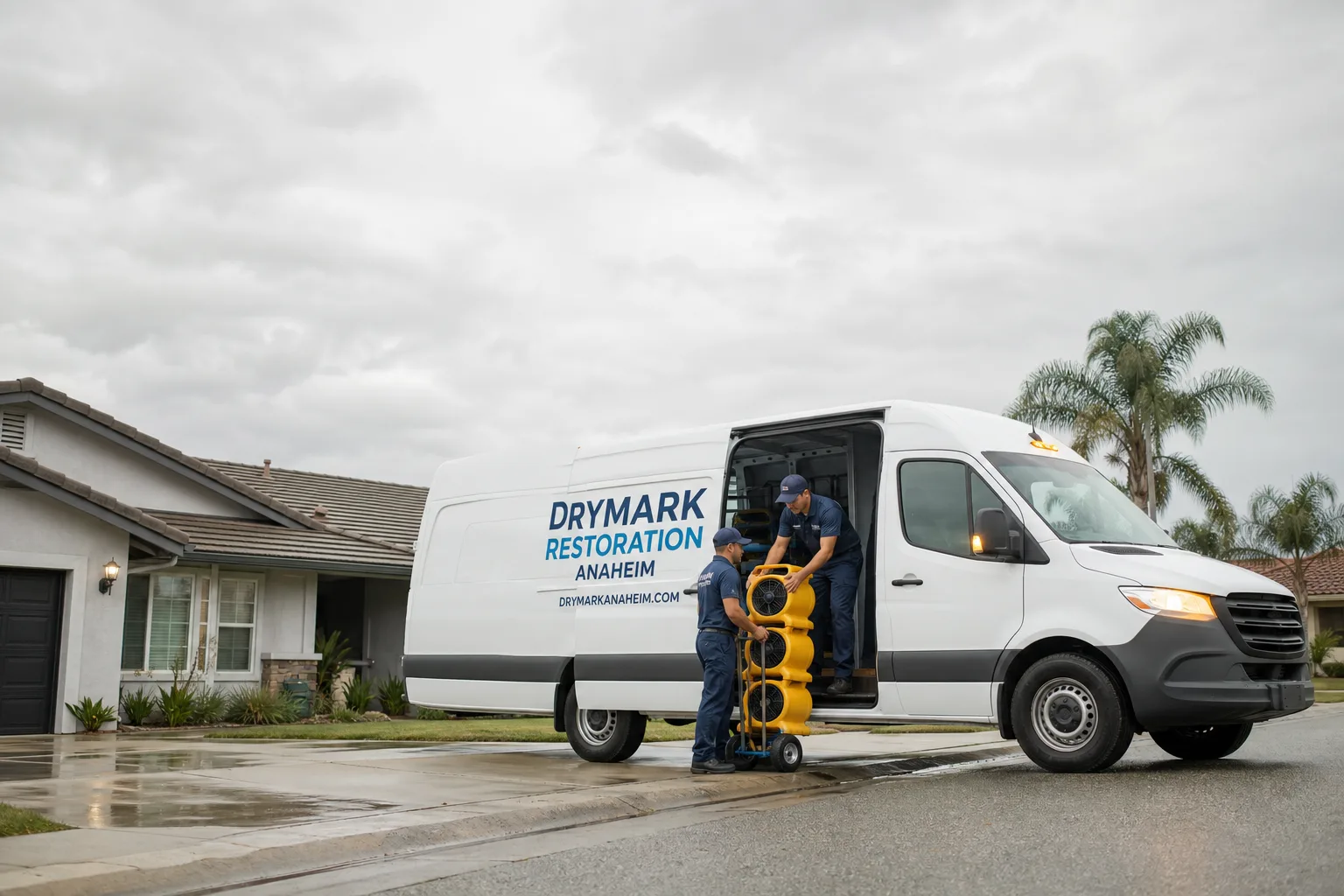
Free visual inspection and a written scope of work before any mitigation begins - photos, moisture readings, and drying logs go in your claim file
The scope we write is the scope we bill. Anything new gets shown to you, in writing, before we touch it.
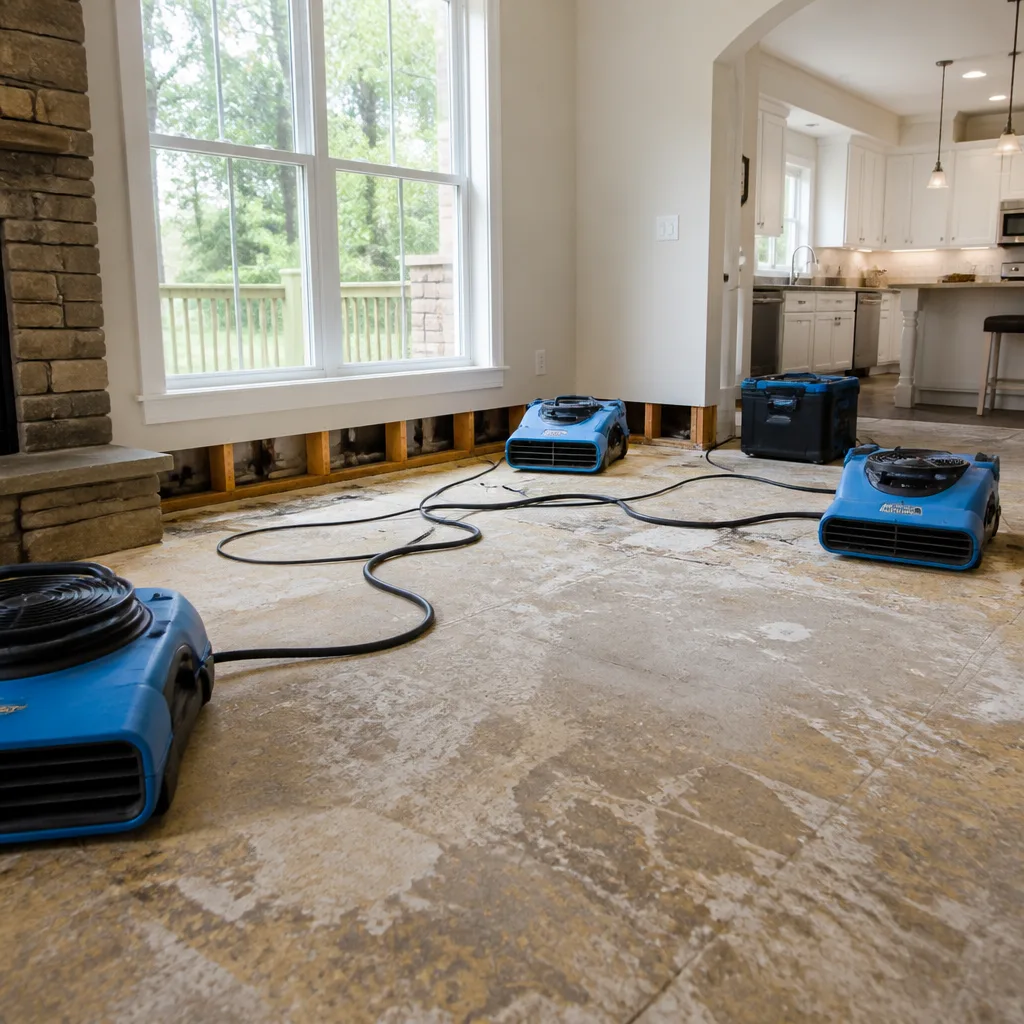
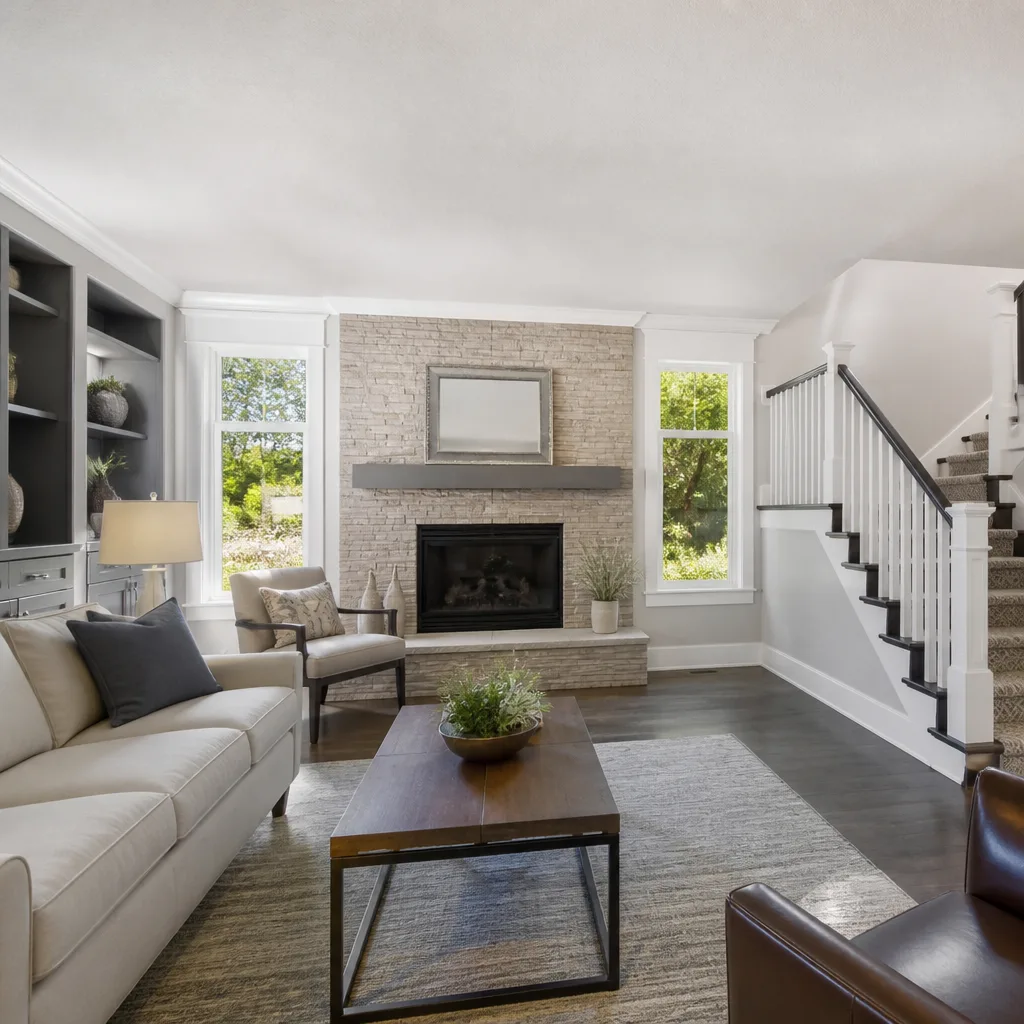
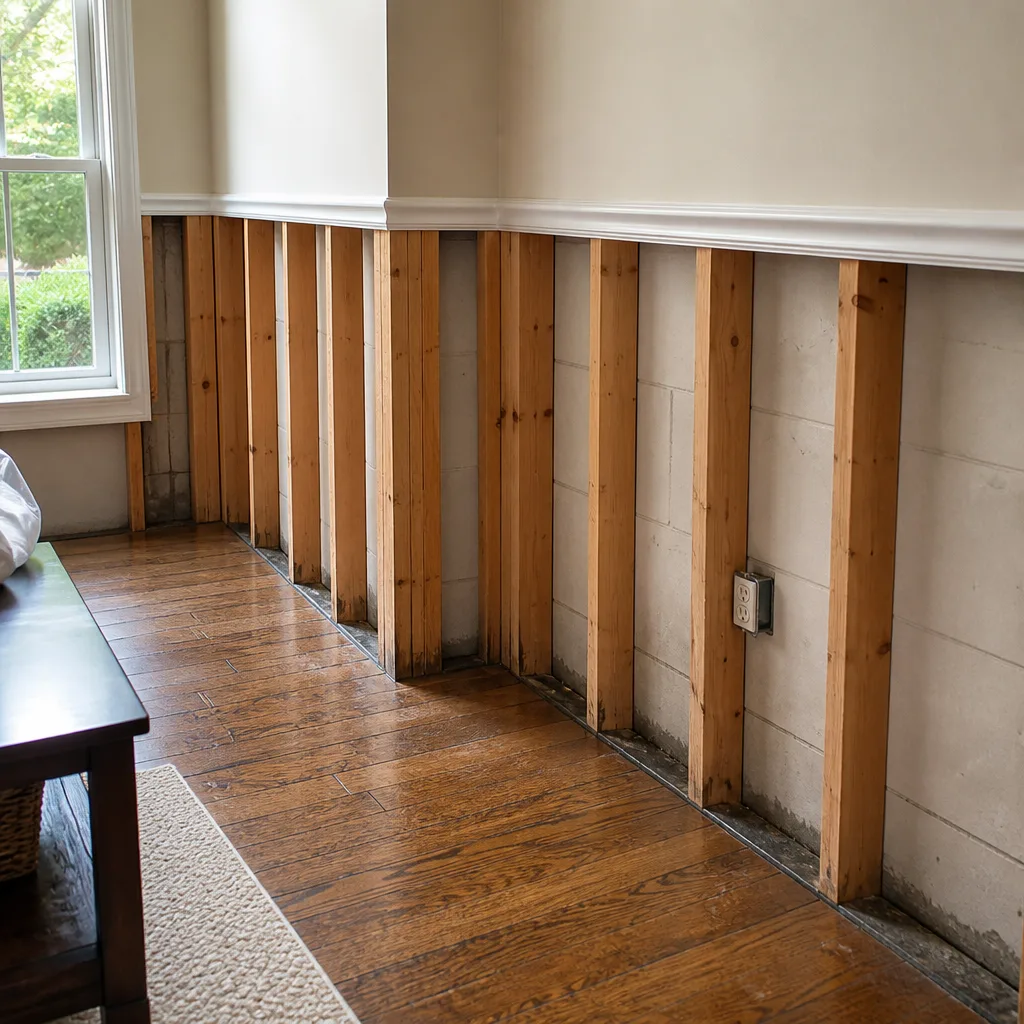
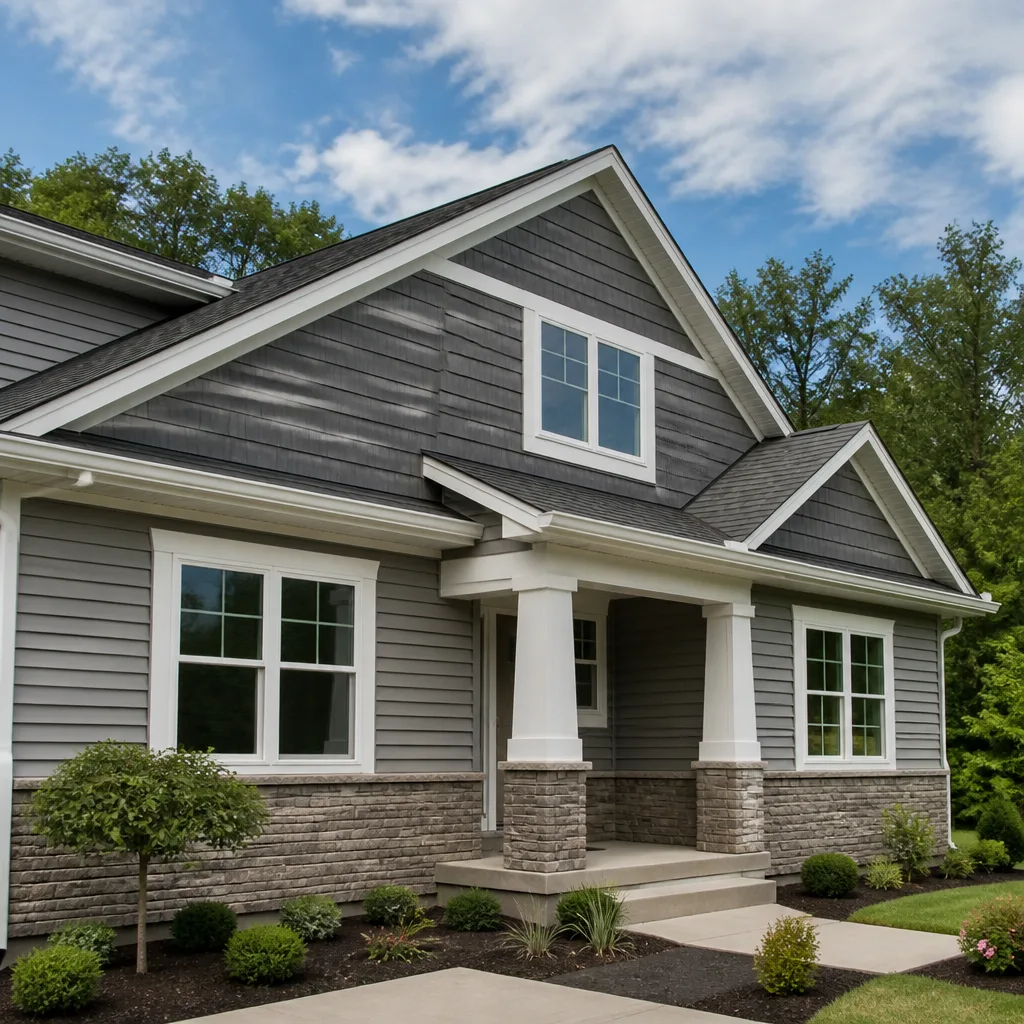
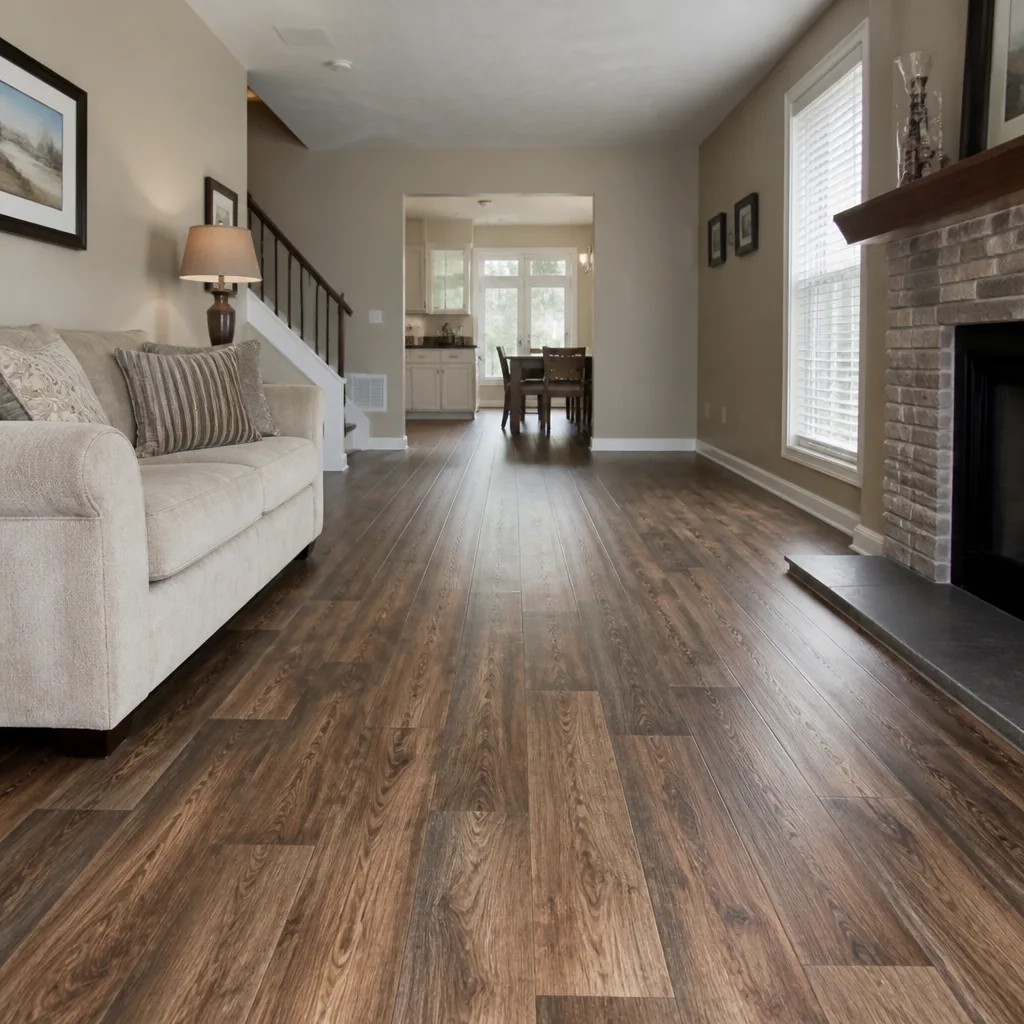
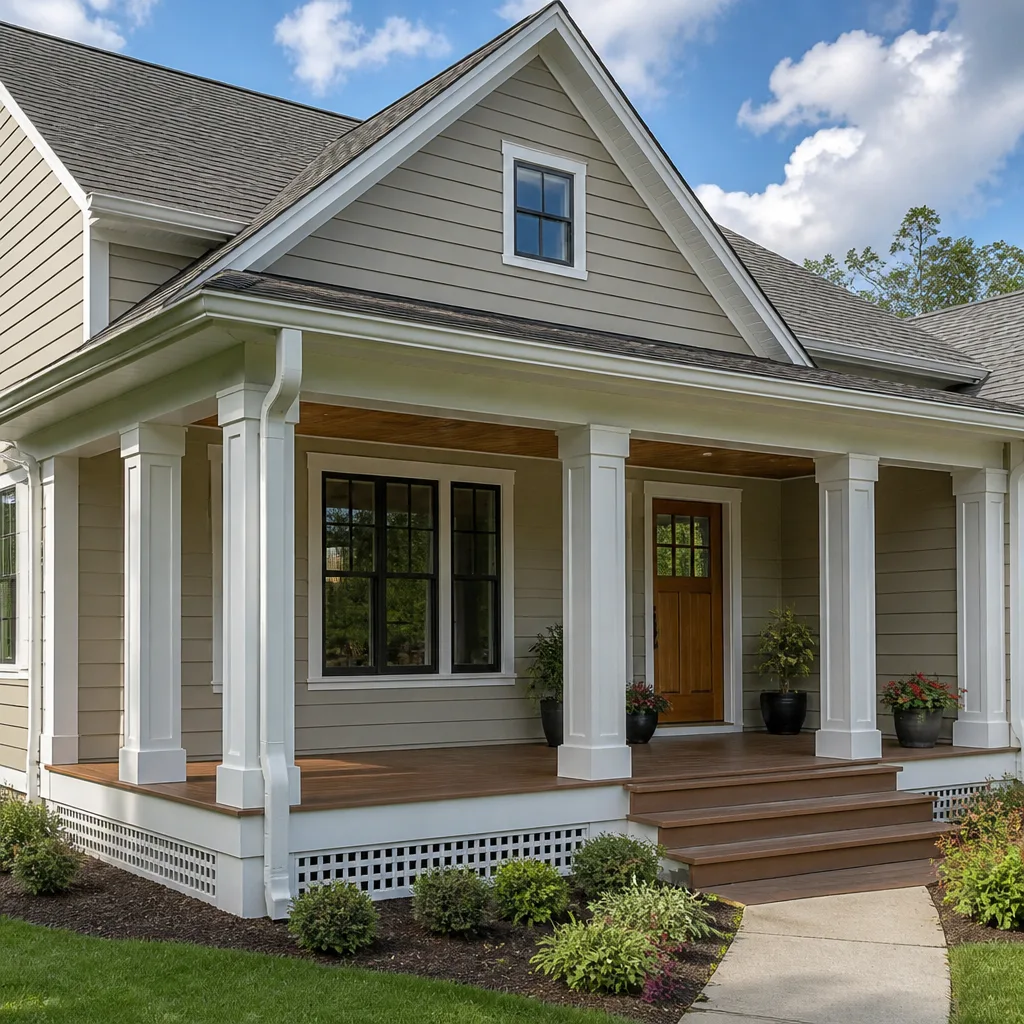
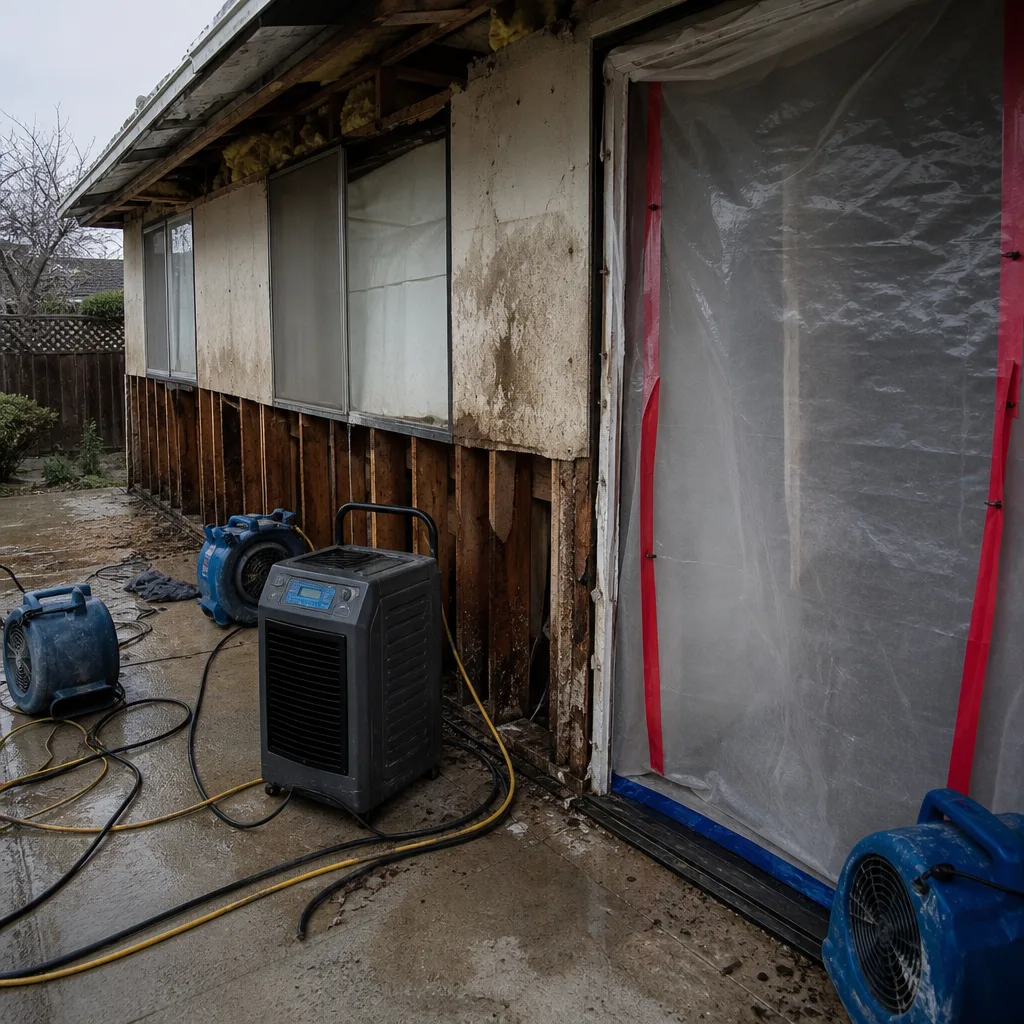 Before
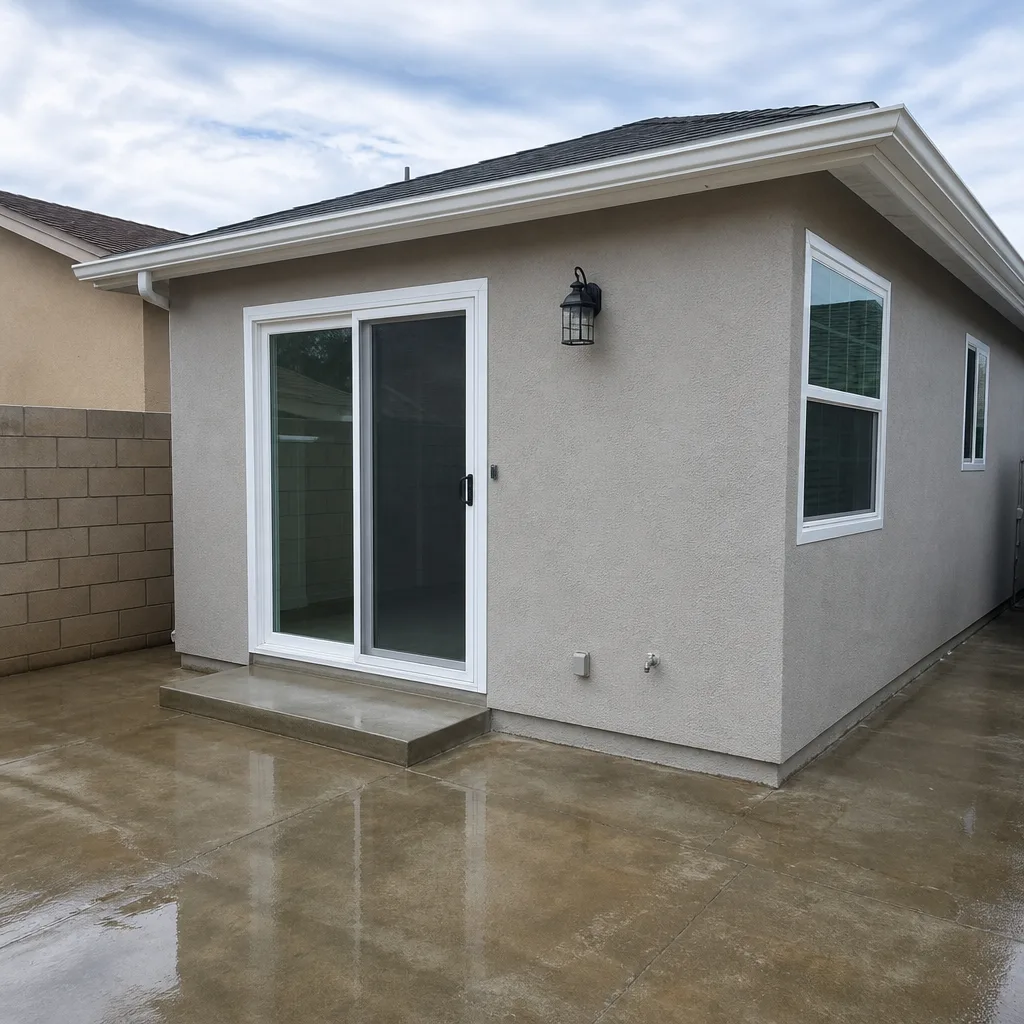 After
After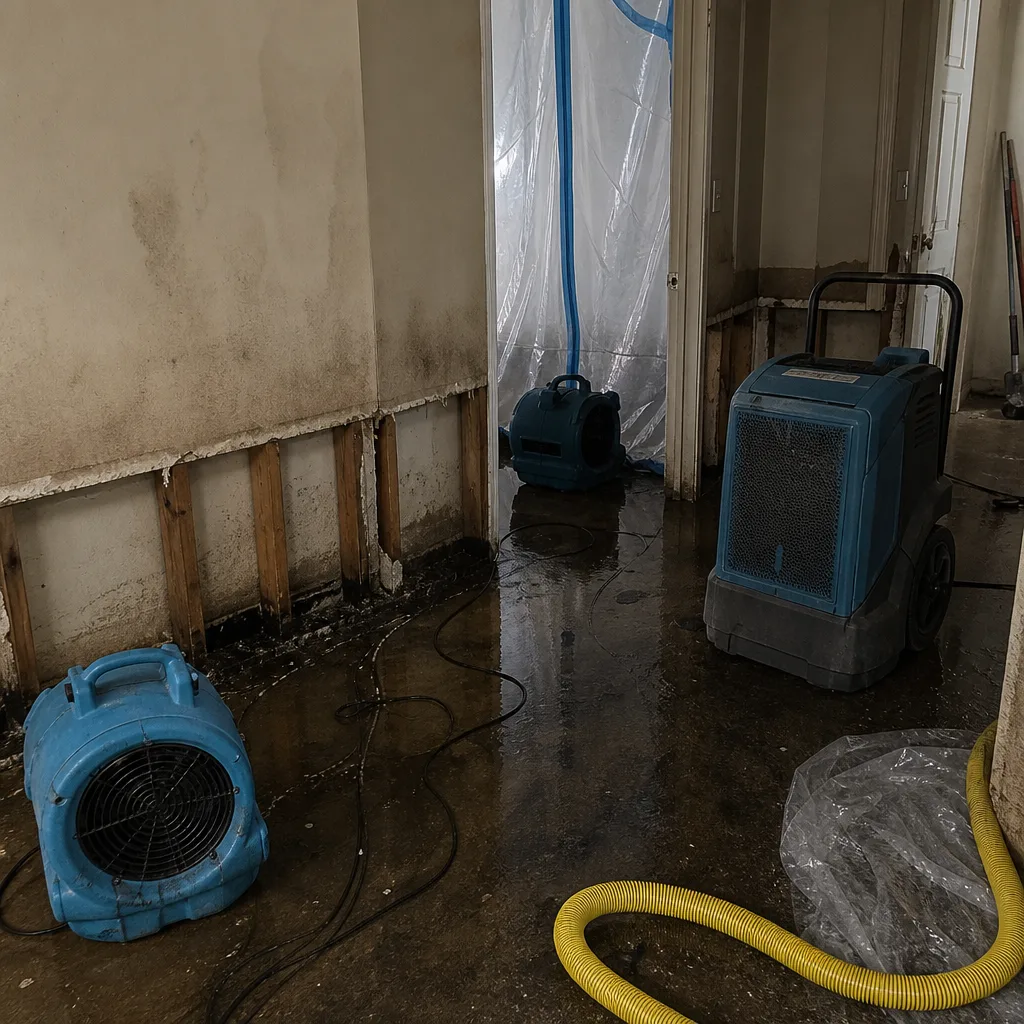 Before
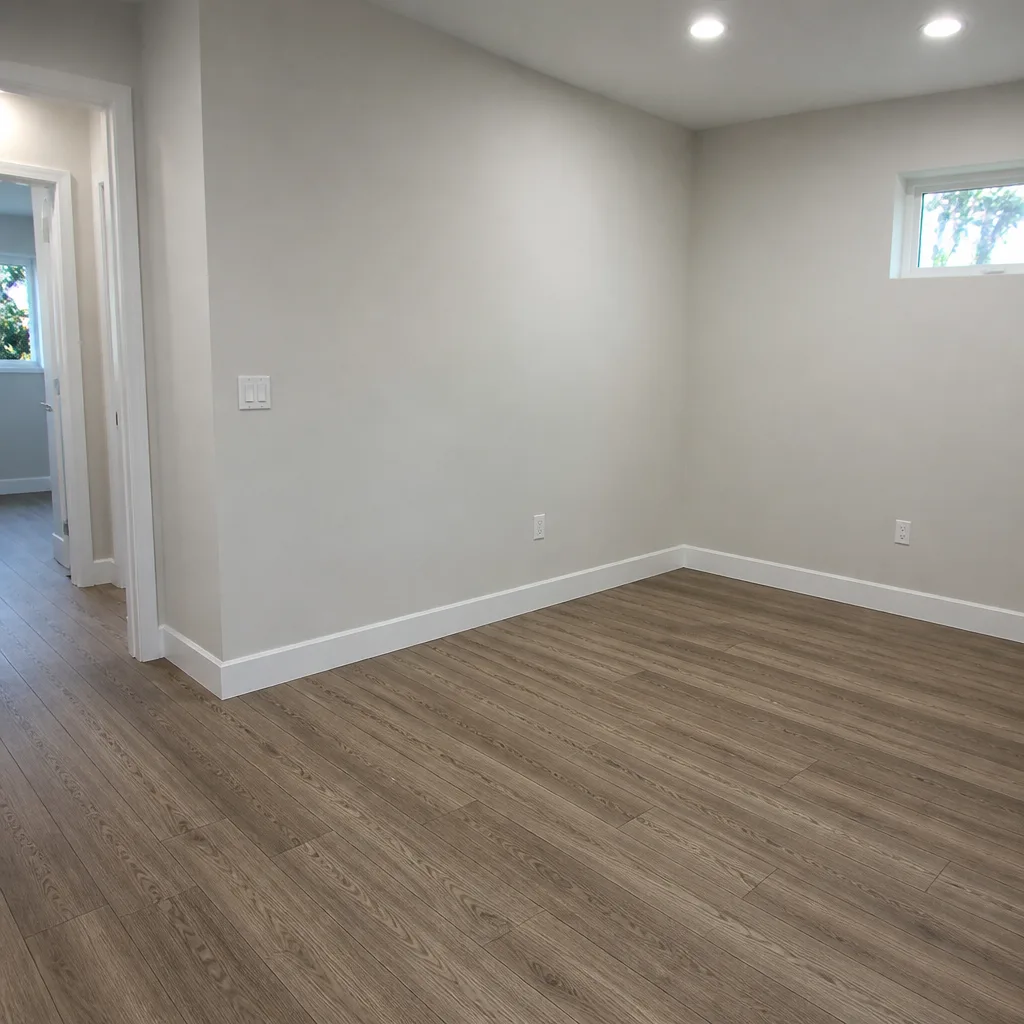 After
After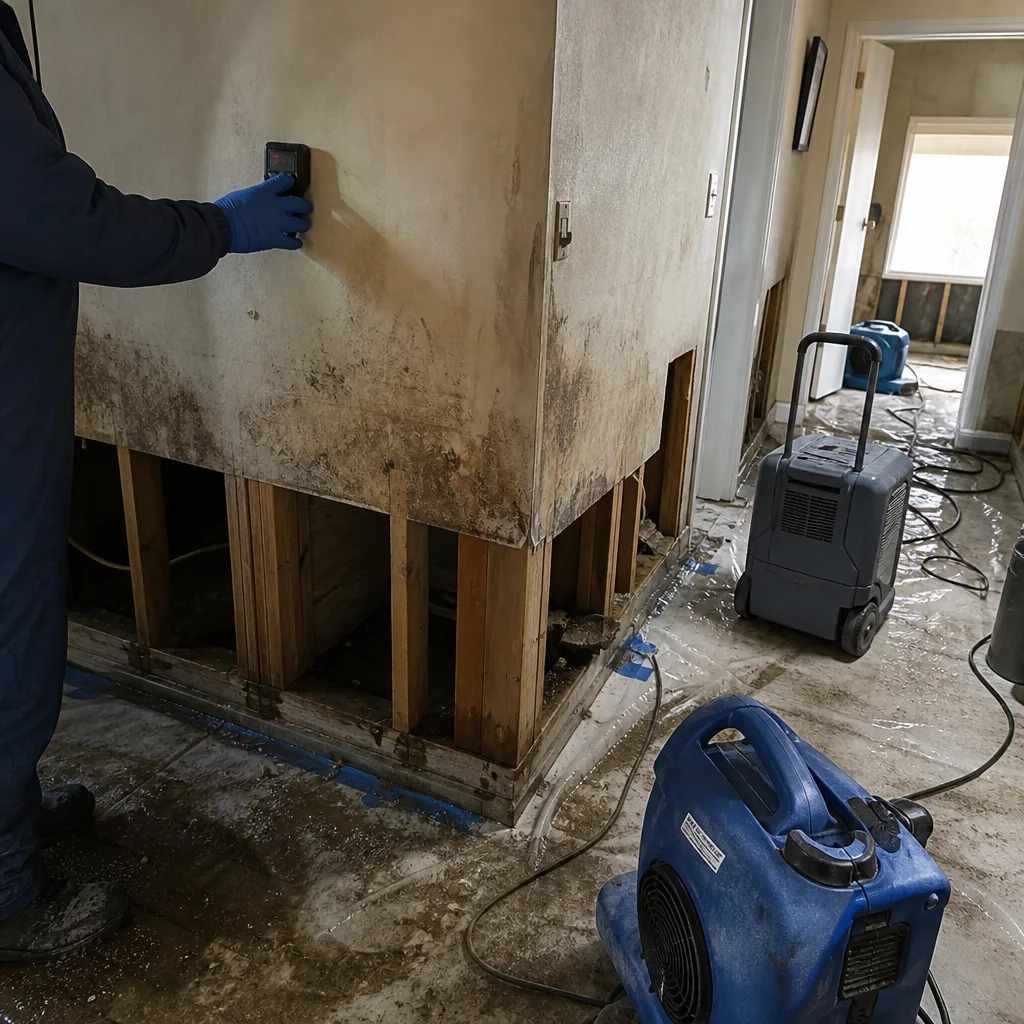 Before
 After
AfterFast, Reliable Water Damage Restoration Across Stanton
Water damage restoration in Stanton typically costs between $1,800 and $5,500 for residential mitigation, with emergency extraction starting around $950 and full structural drying running $2,400-$4,200 depending on square footage and material classification. Most Stanton properties we serve are reached within 45 minutes of call acceptance, and our live dispatch operates 24 hours a day, 7 days a week with no voicemail trees - because water doesn’t stop moving while you wait for a callback.
We know Stanton’s building stock intimately. Our crews have extracted water from slab-on-grade apartments along Beach Boulevard, dried out ground-floor units near Cerritos Avenue after OCFCD channel back-surge, and coordinated multi-policy claims for property managers throughout the 90680 zip. If you’re standing in water right now, call (909) 525-4167. If you’re researching before something fails, read on - we’ll show you exactly what Stanton’s 1960s-era construction means for your risk, your documentation, and your claim.
Why DryMark Restoration Anaheim Is Stanton’s Preferred Water Damage Restoration Company
We’ve restored water-damaged properties in Stanton since 2011, and our documentation-first approach was built by a former claims adjuster who watched homeowners lose legitimate payouts over missing photos and verbal scopes. That origin shapes every job we run here. Our Water Damage Restoration team carries IICRC-certified technicians, licensed and insured, with background checks completed before uniformed crews arrive at your door.
Stanton customers receive what our competitors treat as premium add-ons: a written price before any work starts (Haven Standard, Clause 1), a photo record on every visit included as standard, and daily drying logs formatted for direct adjuster submission. Our 365-Day Done Right Promise, backed by The Haven Standard, is a signed guarantee - not a marketing line. If it’s not done right, we make it right.
Live phone coverage means a person answers every call, every hour, every day. No next-business-day callbacks while water wicks through your drywall. Dispatch and scheduling are coordinated from our Los Angeles office; crews serve Stanton locally and carry the equipment to begin extraction on arrival.
Our Water Damage Restoration Services in Stanton
Emergency Water Extraction
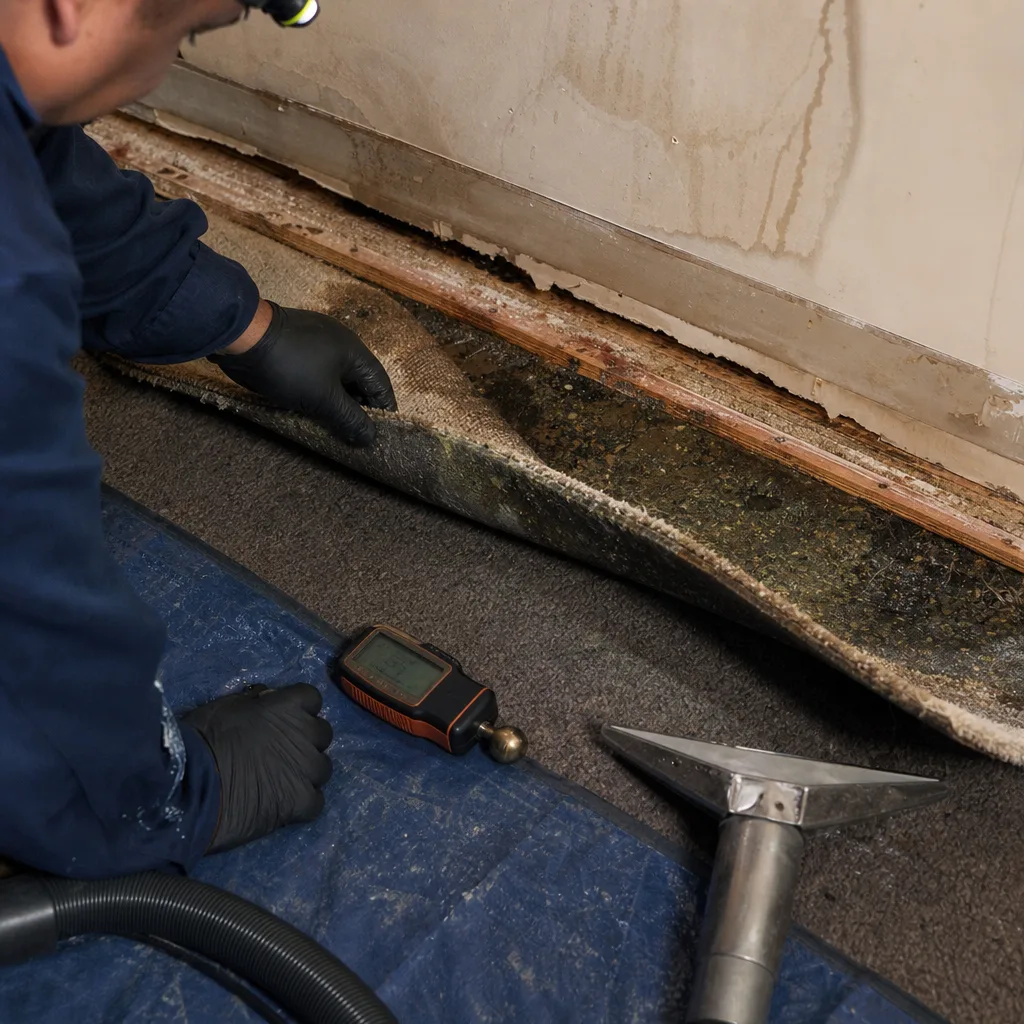
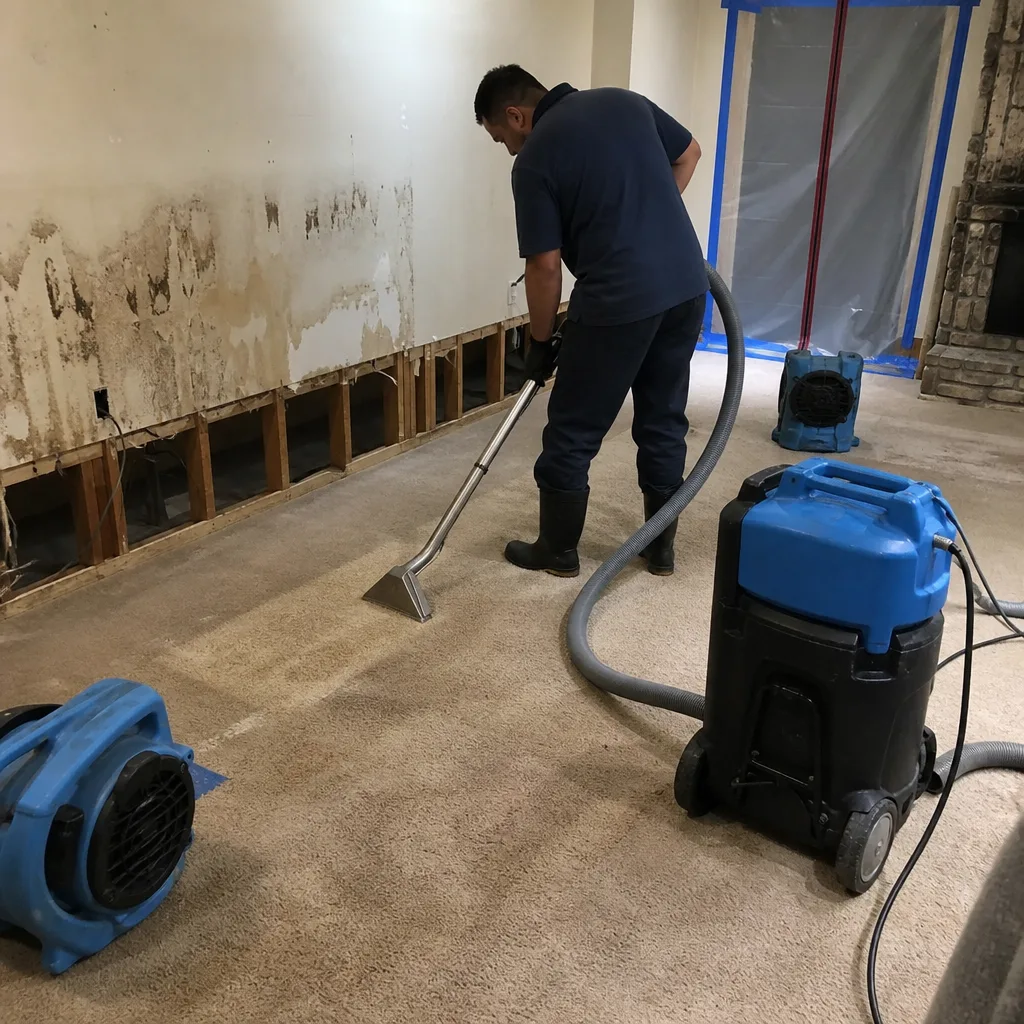
Speed matters most in the first two hours. Our truck-mounted extraction systems pull standing water at rates up to 25 gallons per minute, and we deploy them to Stanton apartment complexes, single-family homes, and commercial properties without waiting for “business hours.” In Stanton’s dense 1960s-70s complexes, we often find water has traveled under the slab into adjacent units before the original leak is even visible - so our extraction protocol includes immediate moisture mapping of shared walls and common laundry areas, not just the obvious wet spot.
Structural Drying & Dehumidification
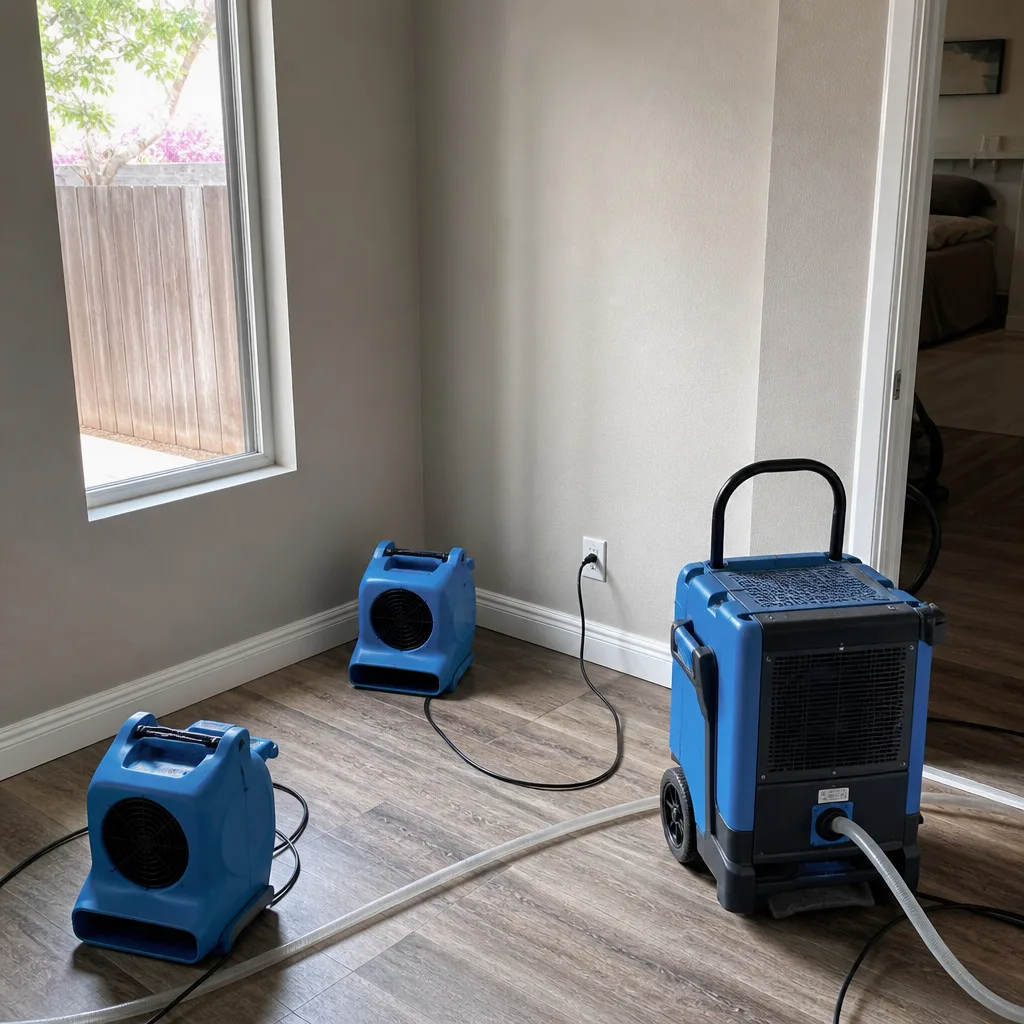
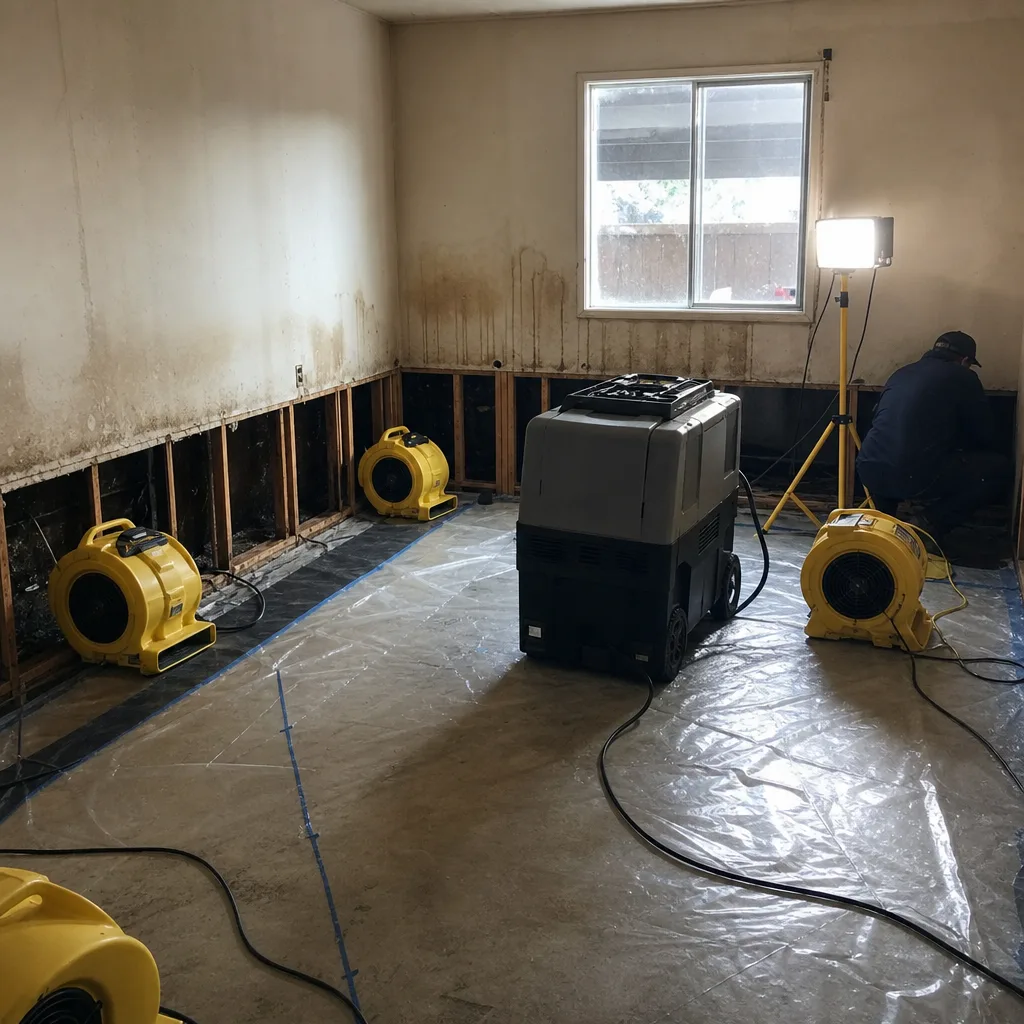
Structural drying in Stanton requires understanding what the slab won’t show you. Original slab-on-grade construction here typically lacks modern moisture barriers, so water that appears extracted can wick back into wall cavities for weeks. We deploy Dri-Eaz and Phoenix dehumidification systems with calculated air changes per hour, and we document psychrometric data - temperature, relative humidity, and vapor pressure differential - at each visit. Vapor pressure differential is simply the force that drives moisture from wet materials into dry air; we measure it, log it, and prove your structure hit pre-loss dryness before we remove equipment.
Flood Cleanup
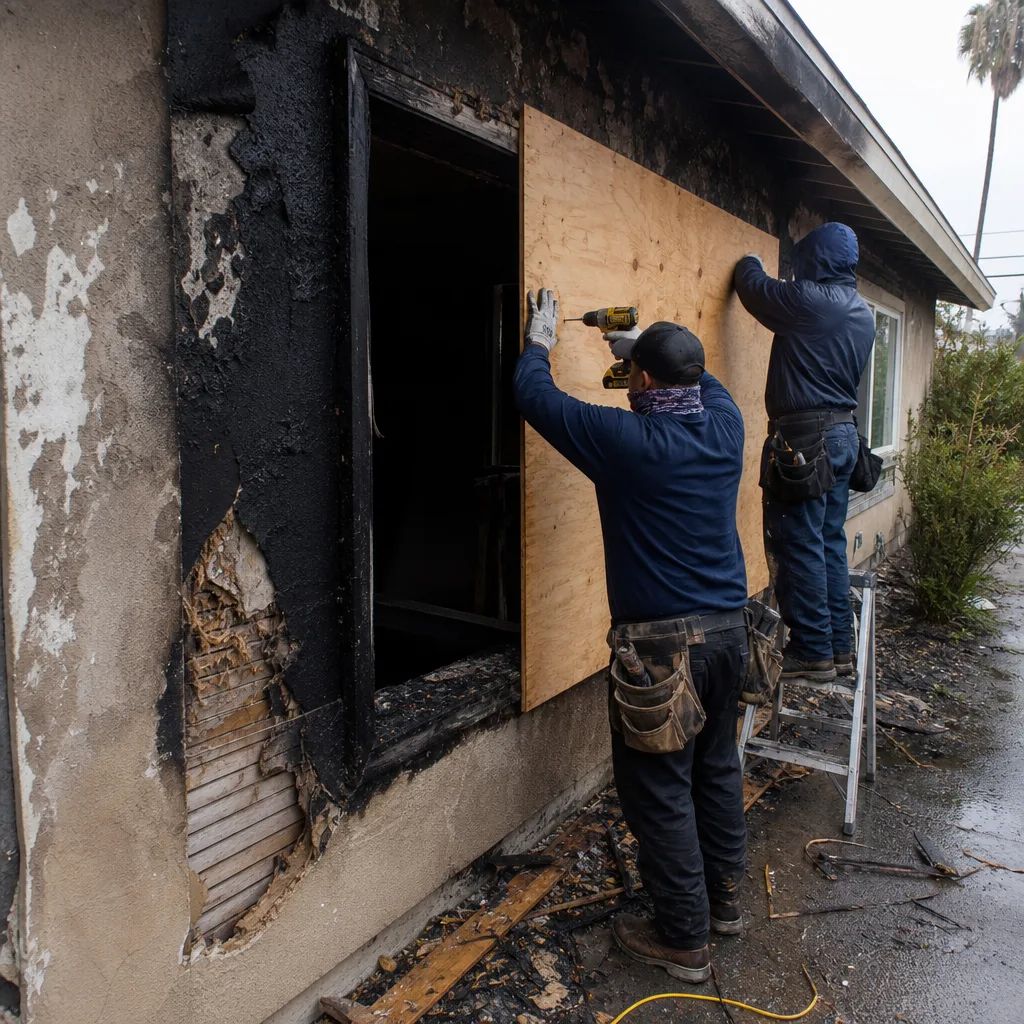
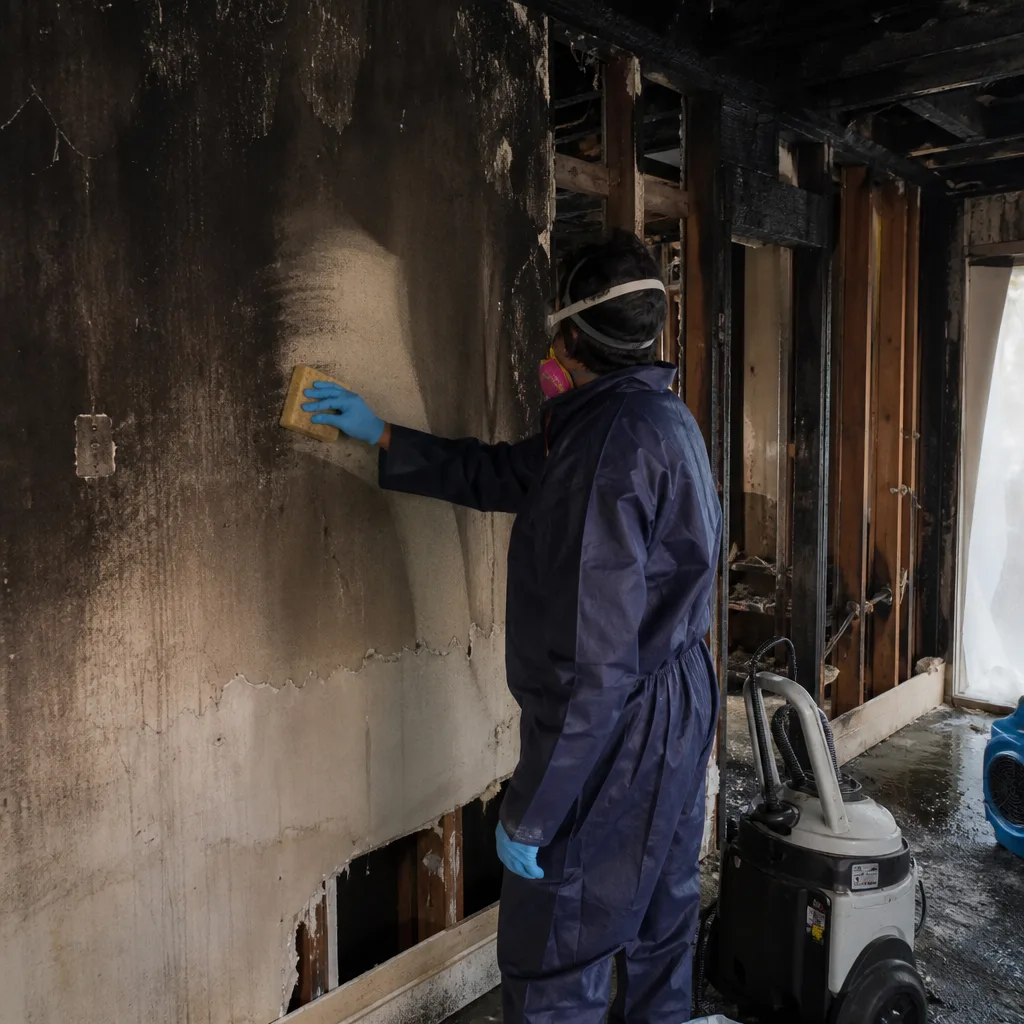
Stanton’s proximity to Orange County Flood Control District channels creates a specific flood profile we don’t see in inland cities. During El Niño events, OCFCD channels can overtop or back-surcharge, pushing stormwater into ground-floor units with no basement drainage and no place for water to go. By the time we arrive, the source water has often receded, and the risk is misclassification - stormwater that has crossed soil and pavement carries contaminants that change how we handle the loss, how it’s documented, and how your adjuster codes it. We photograph the water line, sample for category classification, and build the file before we build the dry.
Burst Pipe Restoration
Stanton’s original galvanized supply lines, still present in many 1960s complexes, corrode in Orange County’s notably hard water until they fail catastrophically. A single burst can flood multiple stacked or adjacent units simultaneously, creating a multi-party insurance coordination job rather than a simple extraction. Our crews arrive with containment materials to isolate affected units, document moisture readings room-by-room, and produce a single written scope that a property manager can reconcile against multiple renters’ policies and the landlord’s carrier. We don’t just dry the water; we organize the claim documentation so everyone gets paid.
What happens when you call
- 1
A real person answersNo phone trees - you reach a local pro.
- 2
You get an upfront price rangeHonest numbers before anyone is dispatched.
- 3
A background-checked tech heads outLicensed & insured, dispatched right away.
- 4
You approve before work beginsNothing starts until you say go.
 Before
 After
AfterTrusted Brands We Service in Stanton
Our equipment inventory runs on Dri-Eaz, Phoenix, and XPOWER systems - brands that produce the documented airflow and dehumidification capacity insurers recognize when they audit a drying log. We don’t rent equipment by the job; we own it, maintain it, and know its output curves. For Stanton customers, that means consistent drying performance whether we’re running six air movers in a Beach Boulevard apartment or a full Injectidry mat system in a Cerritos Avenue duplex. Every machine’s serial and runtime gets logged, and those logs travel with your claim file.
Common Water Damage Restoration Problems We See in Stanton Homes
- Laundry-room cascade failures in 1960s complexes. Original hook-up points with no secondary containment are a known failure pattern. A single washer supply line burst can simultaneously damage four to six adjacent ground-floor units before anyone notices, turning a routine maintenance call into a multi-policy loss.
- Missing slab moisture barriers driving repeat calls. Stanton’s original slab foundations lack modern vapor barriers, so water intrusion wicks directly into wall cavities and recurs after superficial drying. We see this most often in complexes between Katella Avenue and Chapman Avenue where post-repair moisture readings climb back above 16% within 30 days.
- OCFCD channel back-surge misclassified as clean water. Stormwater that has crossed pavement and landscaping before entering a unit carries category 2 or 3 contamination. Adjusters deny claims when the initial documentation codes the loss incorrectly, so we sample and classify before extraction begins.
- Santa Ana wind events accelerating secondary damage. Stanton sits 8 miles inland in a dry wind corridor that coastal OC cities escape. Extreme low humidity can cause warping and cracking in water-damaged materials that would dry more gradually nearer the coast, compressing our safe drying window.
Pricing for Water Damage Restoration in Stanton, CA
We publish ranges because Haven Standard, Clause 1 requires a written price before work starts - and that price should never be a surprise. In Stanton’s market, typical costs run as follows:
- Emergency water extraction (first two hours, up to 1,000 sq ft): $950-$1,400
- Structural drying and dehumidification (3-5 day standard residential): $2,400-$4,200
- Multi-unit apartment complex coordination (4-6 units, common source): $6,500-$12,000
- Category 2 water loss with contamination protocol: add 15-25% to base extraction
- Post-drying moisture barrier installation (recommended for Stanton slab homes): $1,800-$3,200
What moves you within these ranges: affected square footage, material classification (clean, gray, or black water), whether demolition is required to access wet cavities, and whether we’re coordinating multiple insurance parties on the same loss. Every estimate is free, every scope is written, and we offer a Free Second Opinion on any competitor’s written estimate - bring their quote, we’ll review it at no charge. Call (909) 525-4167 for exact pricing on your specific situation.
We Also Serve Cities Near Stanton
Our crews regularly cross city lines for multi-property managers and regional insurers. We provide the same documented, written-price service in Stanton as we do in Anaheim, Garden Grove, Fountain Valley, and Fullerton - with local knowledge of each city’s building stock, flood patterns, and adjuster preferences built into every scope.
Serving Stanton, CA - Our Local Coverage Area
We’re based in the Stanton area and know this community well. Use the map below to see our service coverage - if you’re nearby, we can almost certainly help.
FAQs - Water Damage Restoration in Stanton
Typically 20 to 45 minutes from burst to visible water in adjacent units, depending on slab slope and whether the laundry room has a floor drain. The original 1960s hook-ups in Stanton complexes lack secondary containment, so water follows the concrete slab’s path of least resistance under partition walls. If you’re a tenant or property manager who sees water in a common laundry area, call (909) 525-4167 immediately - we’ll dispatch before it reaches the next unit.
Category 2 water contains significant contamination and has the potential to cause discomfort or sickness if contacted or consumed by humans - think washing machine discharge, dishwasher leaks, or stormwater that has crossed soil. It matters for your Stanton rental claim because insurers pay differently by category, and misclassification can trigger denial or reduced coverage. We sample and document category before extraction so your adjuster has defensible data from hour one.
Original slab-on-grade construction in Stanton’s 1960s-70s housing stock typically omitted modern moisture barriers, so water that appears dried at surface level continues wicking upward into wall cavities through capillary action. The first crew finishes, the meters read dry, and three weeks later the drywall shows staining again. We prevent this by specifying barrier system installation when our post-drying readings indicate ongoing vapor drive - it’s an additional line item, but it ends the callback cycle.
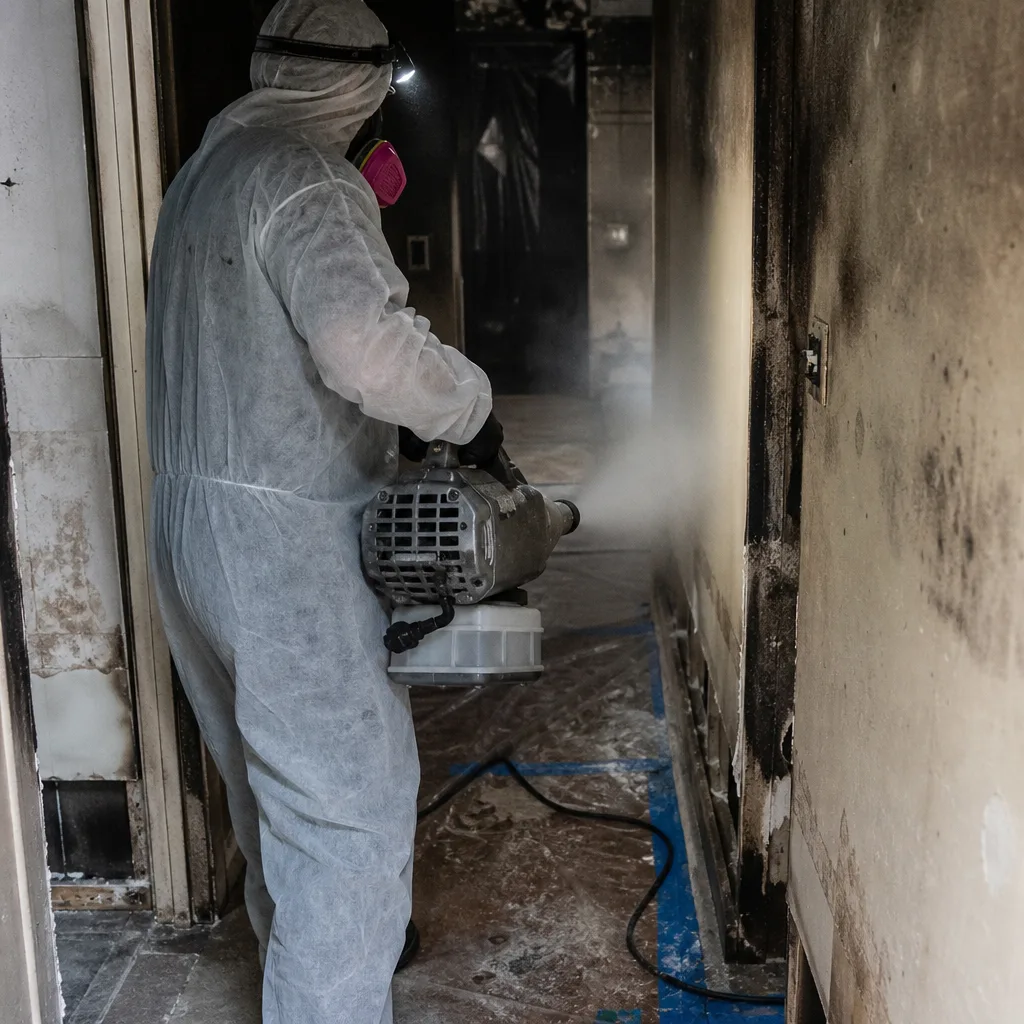
Yes, in most cases. We use contained drying chambers - plastic sheeting barriers with zippers and HEPA-filtered negative air machines - to isolate affected units while allowing adjacent tenants to remain. Our field vignette from Beach Boulevard: we hung containment between four affected ground-floor units and eight clean ones, ran equipment for 48 hours, and never displaced a tenant who wasn’t already water-damaged. The key is rapid moisture mapping to define the true boundary of the loss, not the apparent one.
They do. OCFCD channel back-surge during El Niño events pushes water into low-lying Stanton properties from a source that’s already receded by the time we arrive, which complicates source identification and category classification. We photograph water lines, document debris patterns that indicate overland flow, and sample for contaminants that channel water picks up from pavement and landscaping. This documentation prevents your adjuster from coding the loss as a simple plumbing backup that your policy might not cover.
Written by Alicia Brennan, Owner at Back to Dry Restoration, serving Stanton since 2011.