
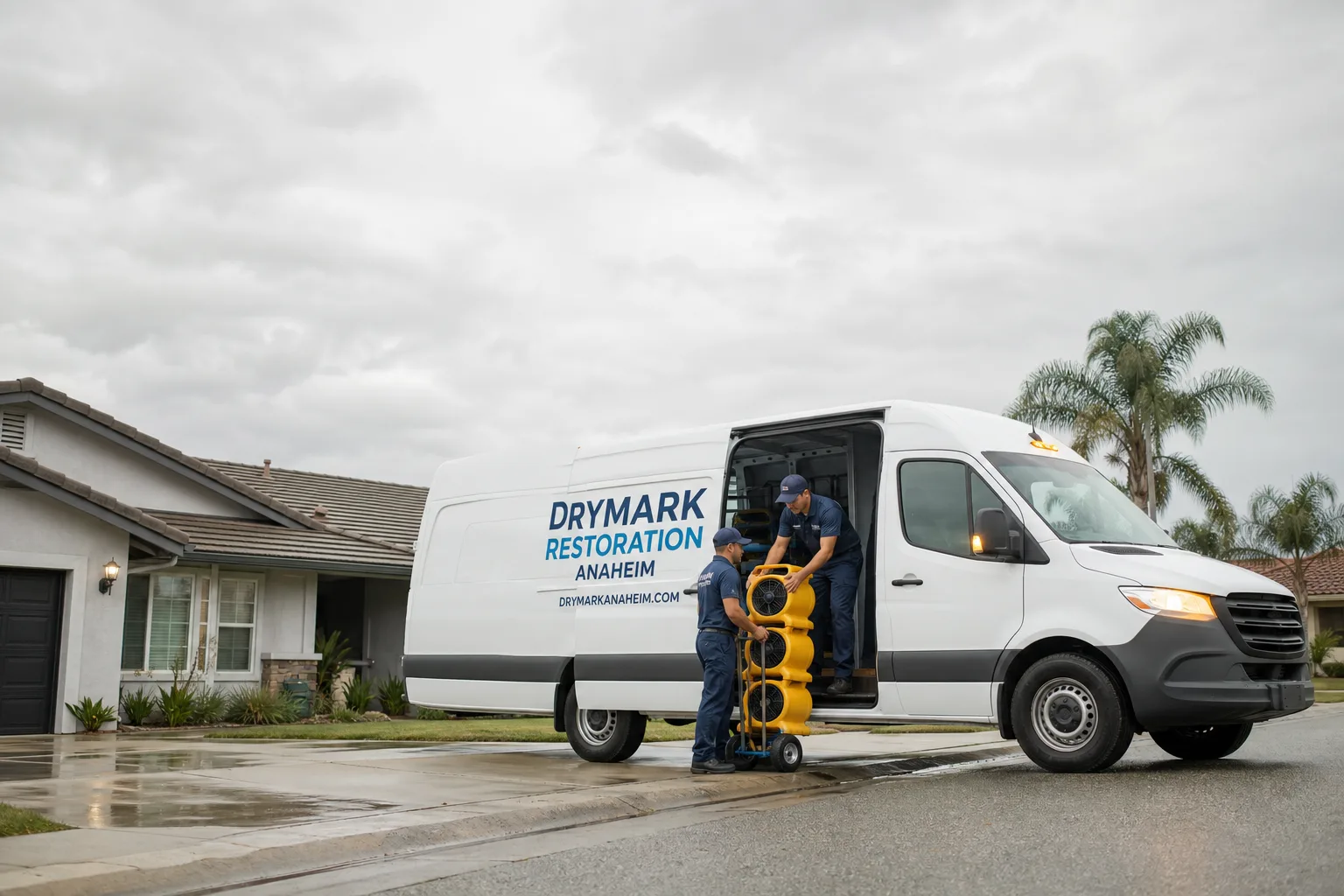
Free visual inspection and a written scope of work before any mitigation begins - photos, moisture readings, and drying logs go in your claim file
The scope we write is the scope we bill. Anything new gets shown to you, in writing, before we touch it.
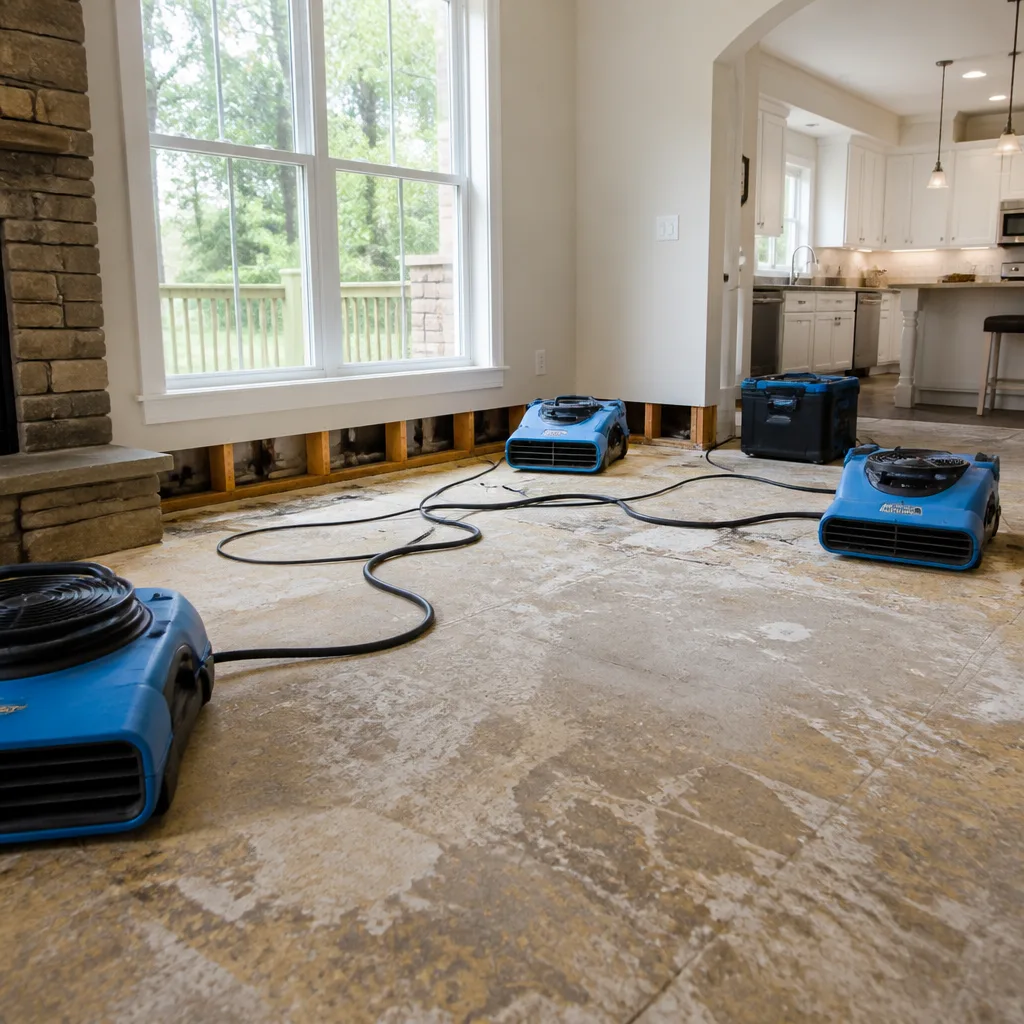
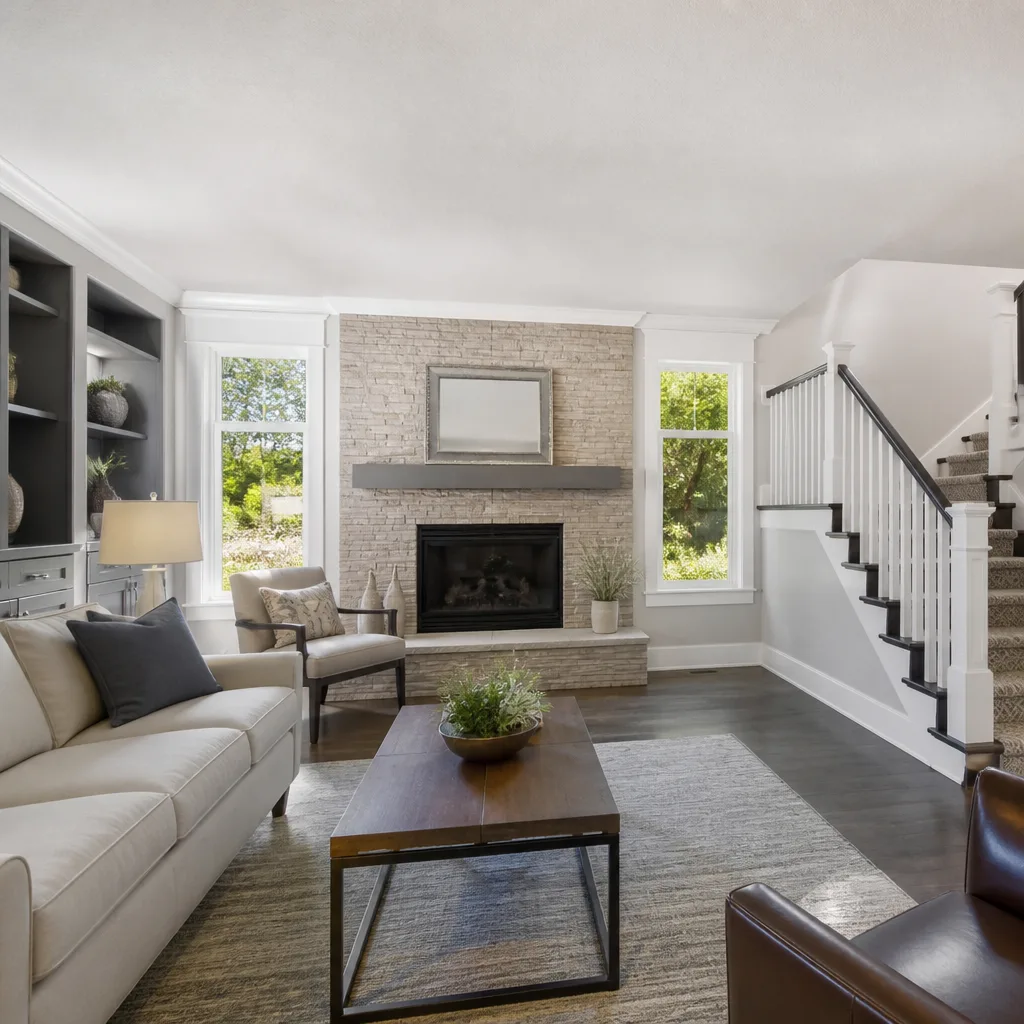
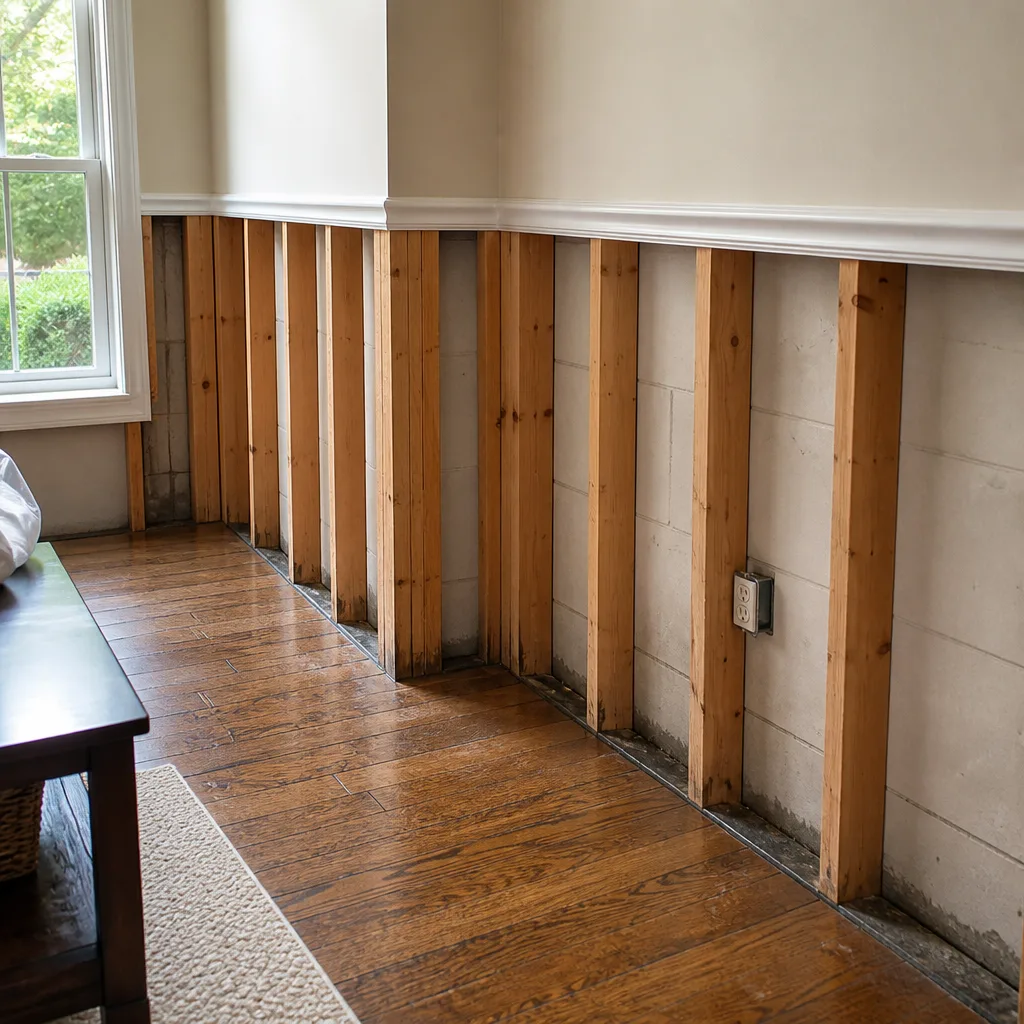
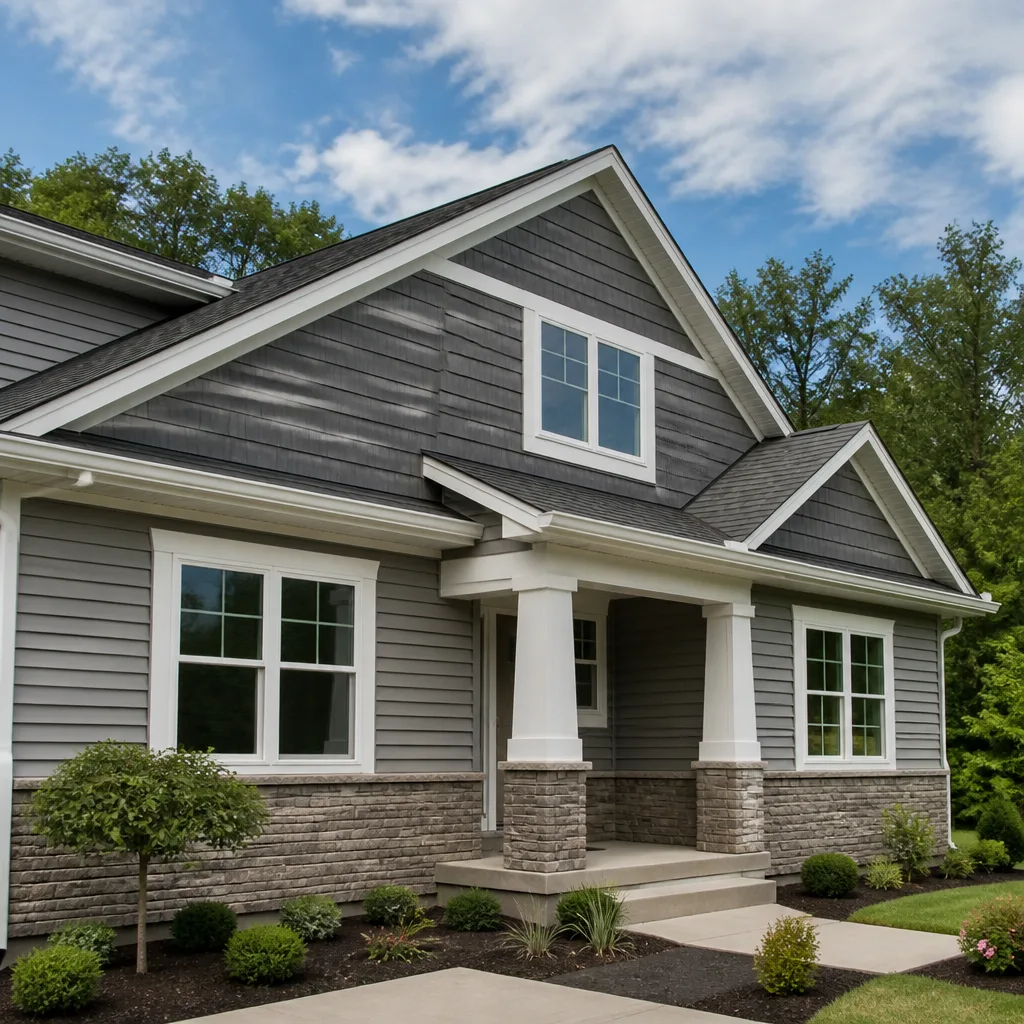
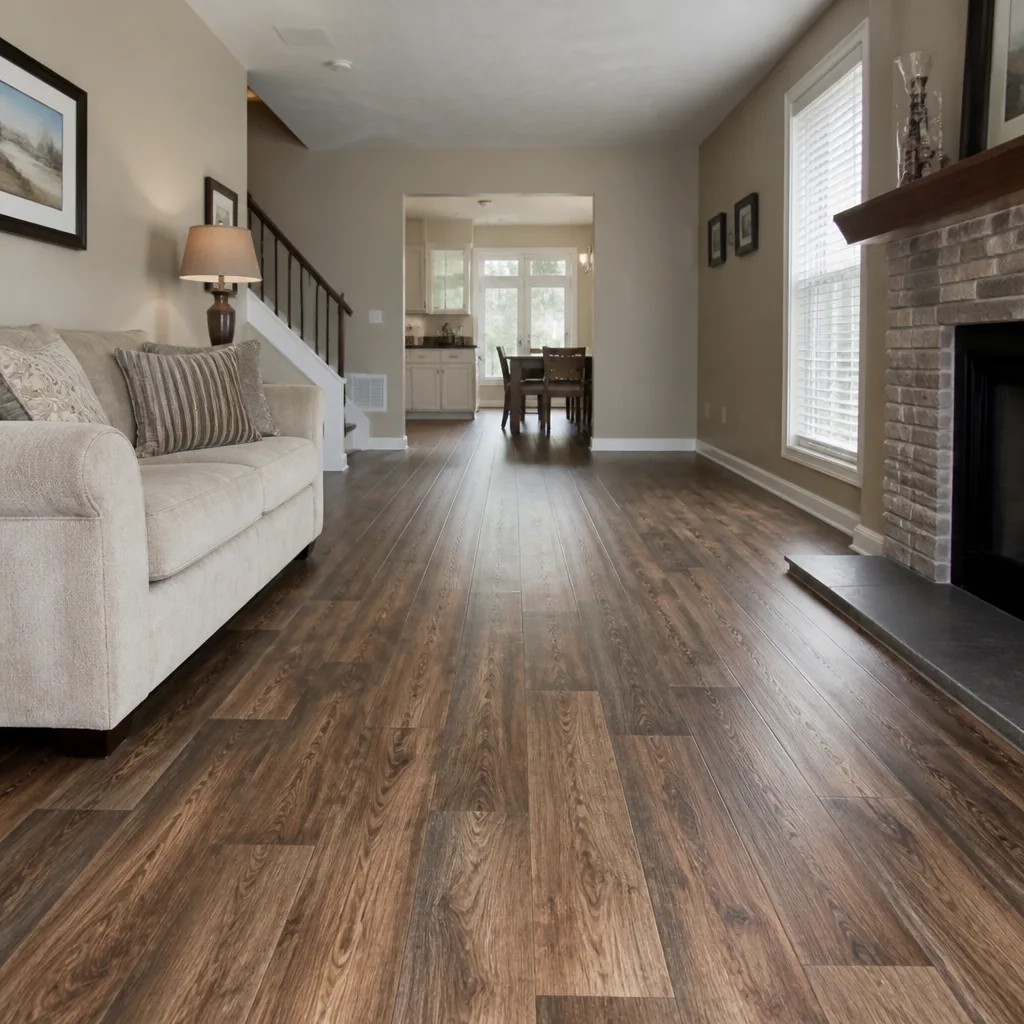
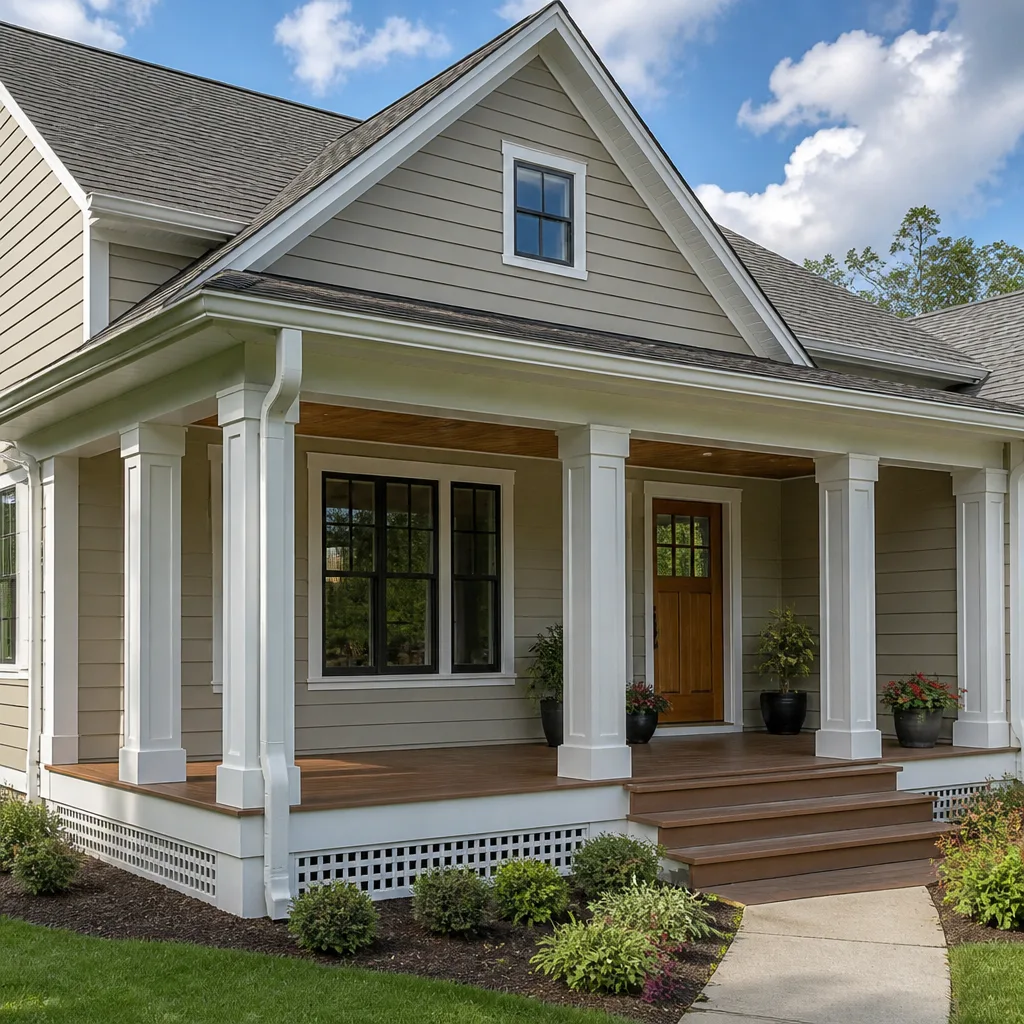
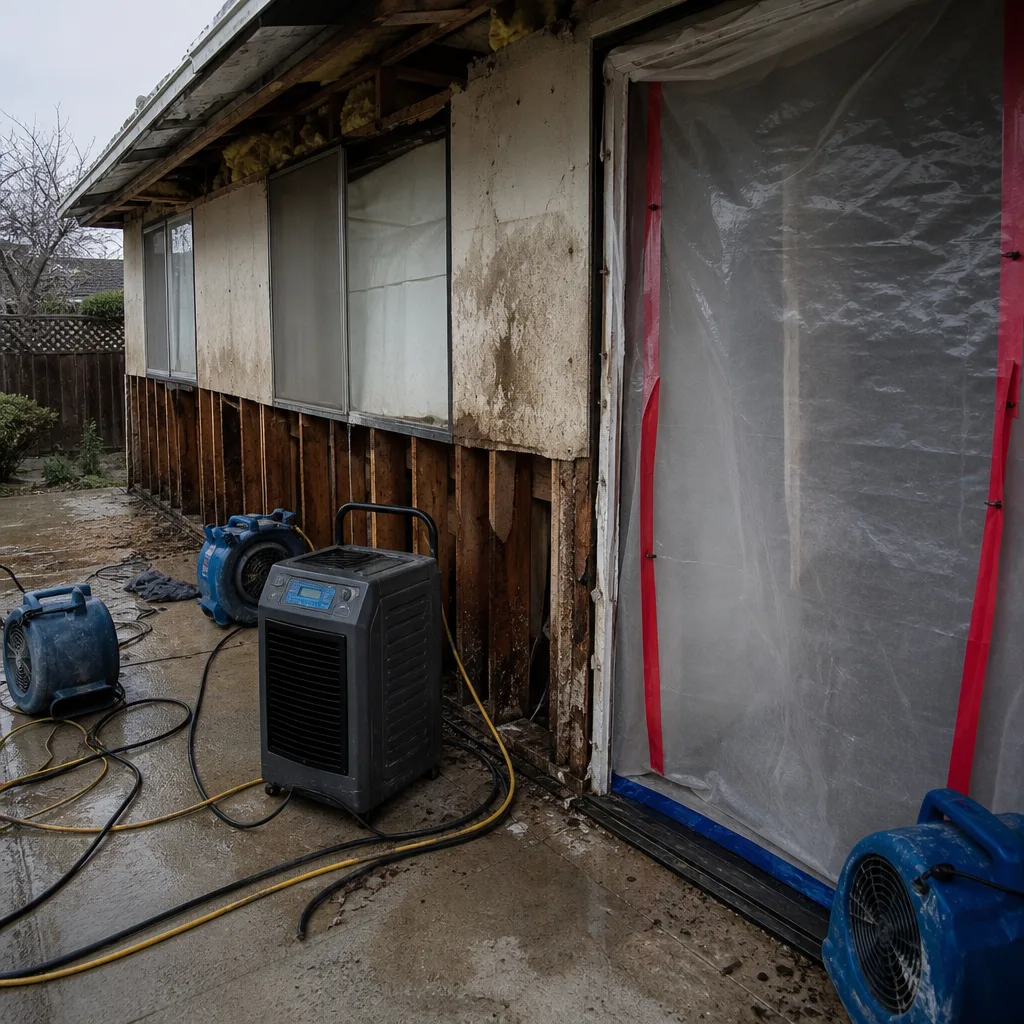 Before
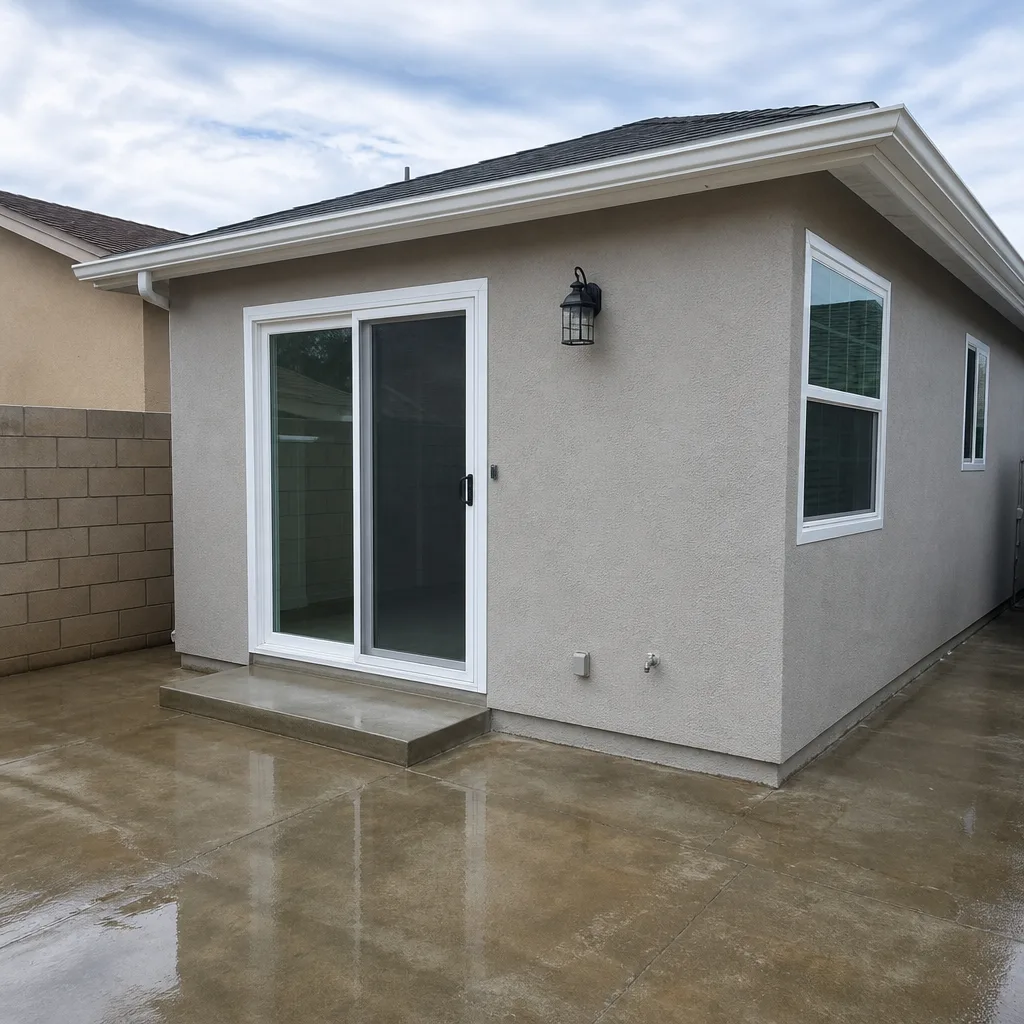 After
After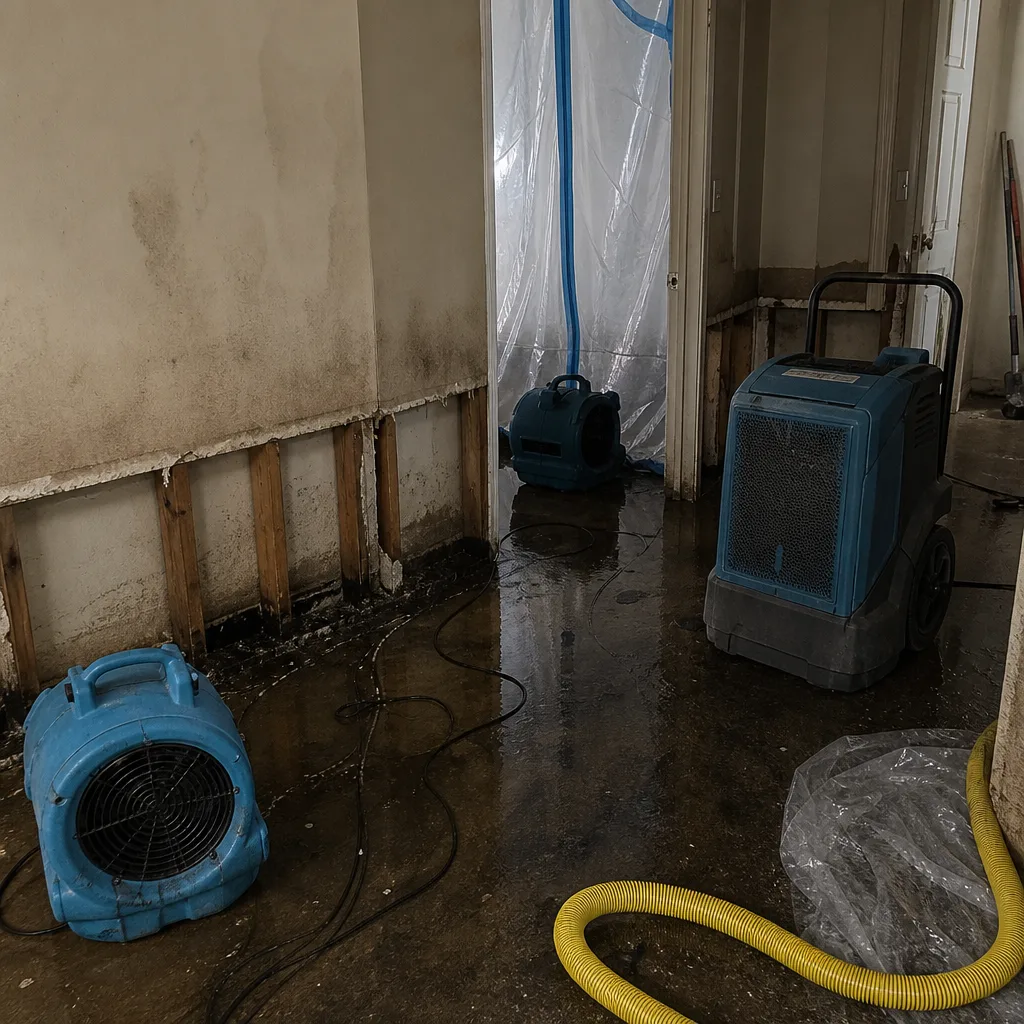 Before
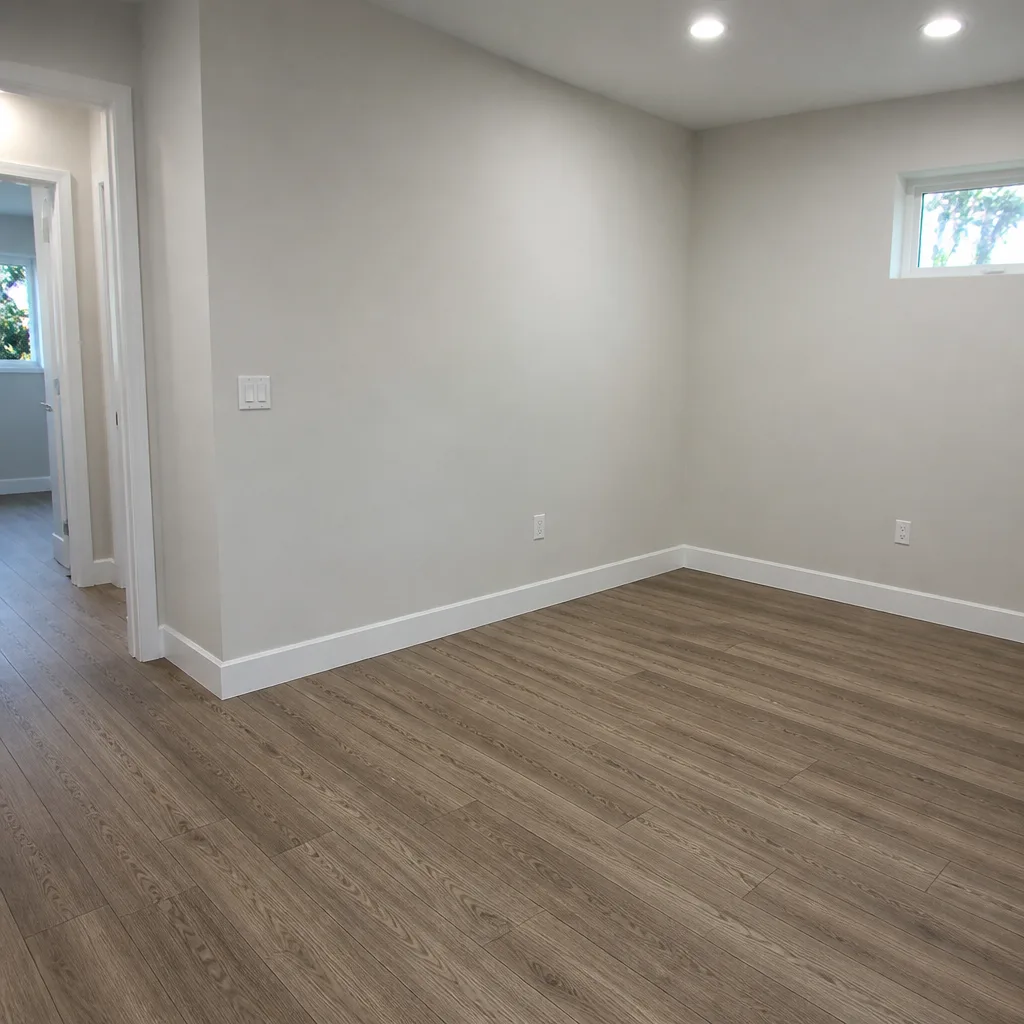 After
After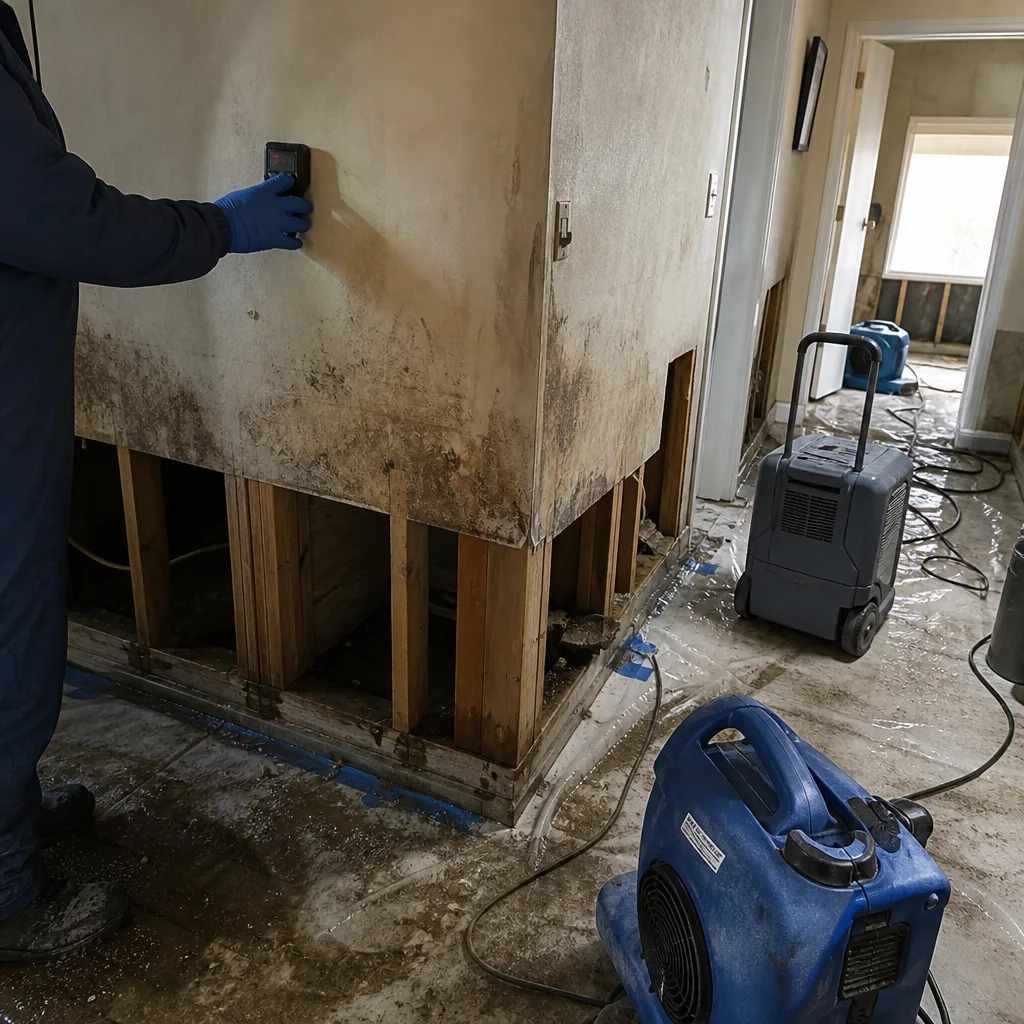 Before
 After
AfterFast, Reliable Water Damage Restoration Across Villa Park
Water damage restoration in Villa Park typically costs $2,800-$7,500 for most residential jobs, with emergency extraction starting at $1,200-$2,400 and full structural drying running $3,500-$6,800 depending on affected square footage and material class. Our crews are dispatched from our Los Angeles office and can be on-site anywhere in Villa Park within 60-90 minutes of your call. We know the difference between a standard slab-on-grade loss in Orange and a hillside estate in Villa Park with original 1960s galvanized plumbing, vaulted ceilings, and a roof line that just took a legacy citrus limb during Santa Ana winds. That difference matters for your drying plan, your insurance scope, and whether your home finishes get matched or replaced with whatever’s in the warehouse. Call (909) 525-4167 now - a live person answers, 24 hours a day, and we bring a written price before anyone starts work. Haven Standard, Clause 1.
Why DryMark Restoration Anaheim Is Villa Park’s Preferred Water Damage Restoration Company
We’ve restored water damage in Villa Park homes since 2011, and the pattern is consistent: these aren’t standard losses. The city’s estate lots, custom builds, and hillside positioning create restoration scenarios that volume operators simply aren’t built to handle. Our Water Damage Restoration team documents every job to IICRC, RIA, and IFA standards because we’ve seen what happens when sloppy paperwork kills an insurance claim.
Our 12,000+ restored homes include dozens in Villa Park proper and the surrounding Peralta Hills area. Reviews from Villa Park customers consistently cite our photo-documented visits and written scopes as the reason their claims paid without dispute. One homeowner on Santiago Boulevard noted that our daily moisture logs - tracked on Dri-Eaz and Phoenix equipment - gave their adjuster exactly the psychrometric data needed to approve a $34,000 scope for heritage hardwood replacement.
Response time to Villa Park averages under 90 minutes from call to crew arrival. We don’t route through a call center. A live dispatcher takes your information, confirms your address against hillside fire-hazard zone maps, and mobilizes technicians with the right equipment for your home’s construction era and finish level. For homes near the intersection of Villa Park Road and Santiago Canyon Road, we pre-stage desiccant dehumidifiers during Santa Ana wind warnings because we know what comes next.
Our local knowledge extends to permitting. Villa Park sits within hillside fire-hazard severity zones that affect rebuild timelines and material approvals. We’ve worked with Orange County building officials on enough post-fire, post-storm rebuilds to know which documentation accelerates permit issuance and which gaps cause 6-week delays. That knowledge gets written into your scope from day one.
Our Water Damage Restoration Services in Villa Park
Emergency Water Extraction
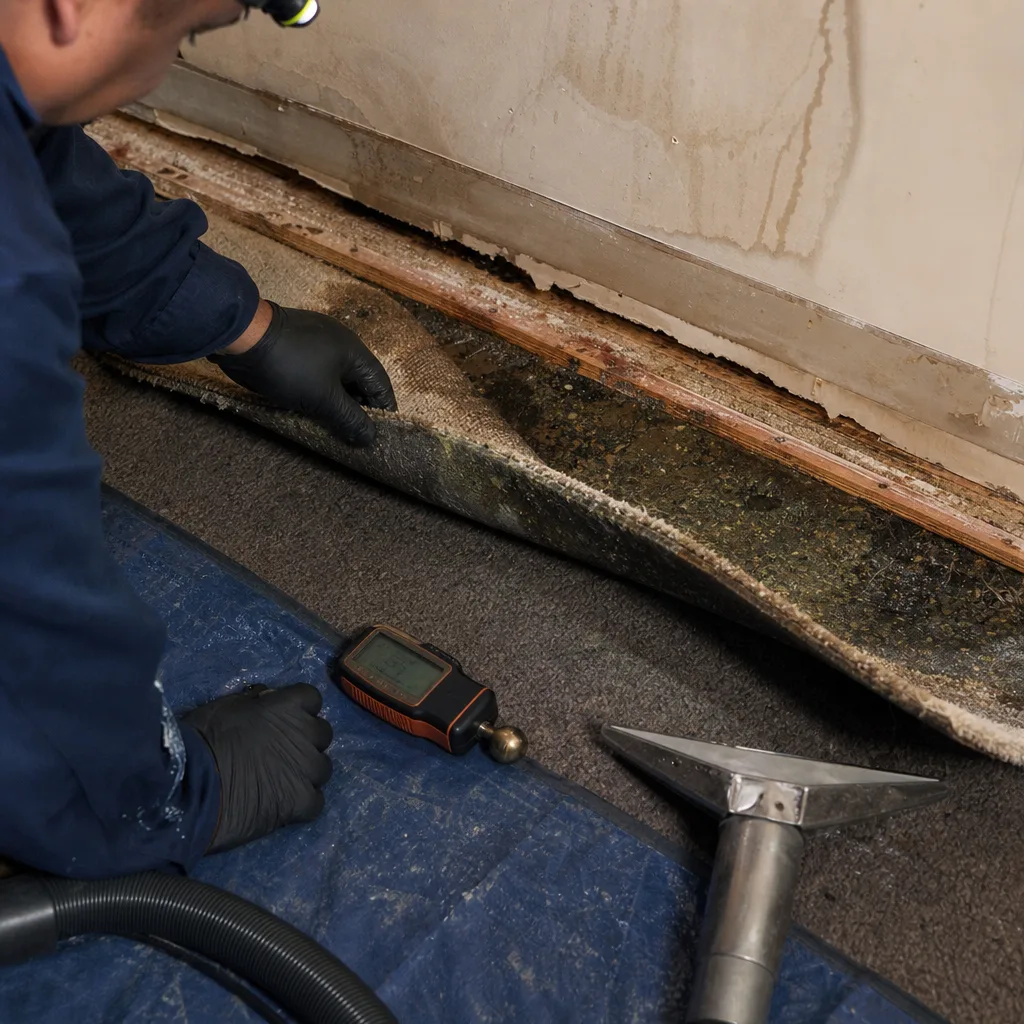
Santa Ana wind events in Villa Park don’t just bring rain - they drive it horizontally through compromised roof assemblies, overwhelm aging gutter systems, and create immediate standing water in homes with original cast-iron drain stacks that can’t handle flash runoff. Our emergency extraction teams arrive with truck-mounted systems and portable flood pumper units sized for estate-grade square footage. We extract to industry-standard dryness, then document pre-loss conditions with photo records before any demolition begins. In the Peralta Hills area, we’ve extracted water from homes where fire-retardant slurry from aerial drops mixed with roof runoff, creating category 2 contamination that required immediate antimicrobial treatment.
Structural Drying & Dehumidification
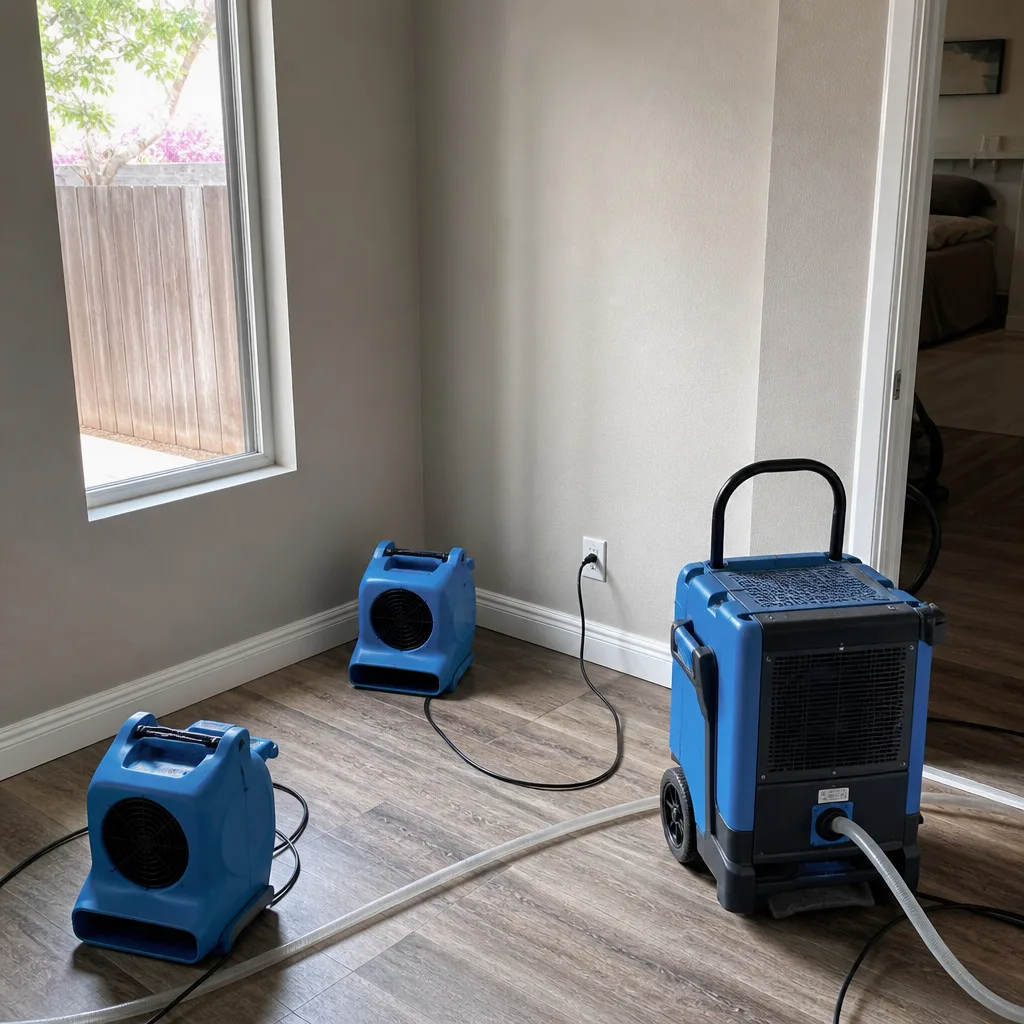
Villa Park’s custom estates from the 1960s-1980s present drying challenges that standard equipment cannot solve. Vaulted cathedral ceilings, thick adobe-style wall assemblies, and imported terracotta tile over mud-set beds create vapor barriers that trap moisture. We deploy Injectidry wall-cavity drying mats, Dri-Eaz desiccant dehumidifiers for low-grain depression, and Phoenix air movers with calculated air changes per hour based on your home’s specific cubic footage and material permeance. Our daily drying logs track vapor pressure differential - the measurable force that drives moisture from wet materials into dry air - and we adjust equipment placement every 24 hours based on psychrometric readings. This isn’t guesswork. It’s documented, defensible, and exactly what your insurance carrier needs to see.
Flood Cleanup
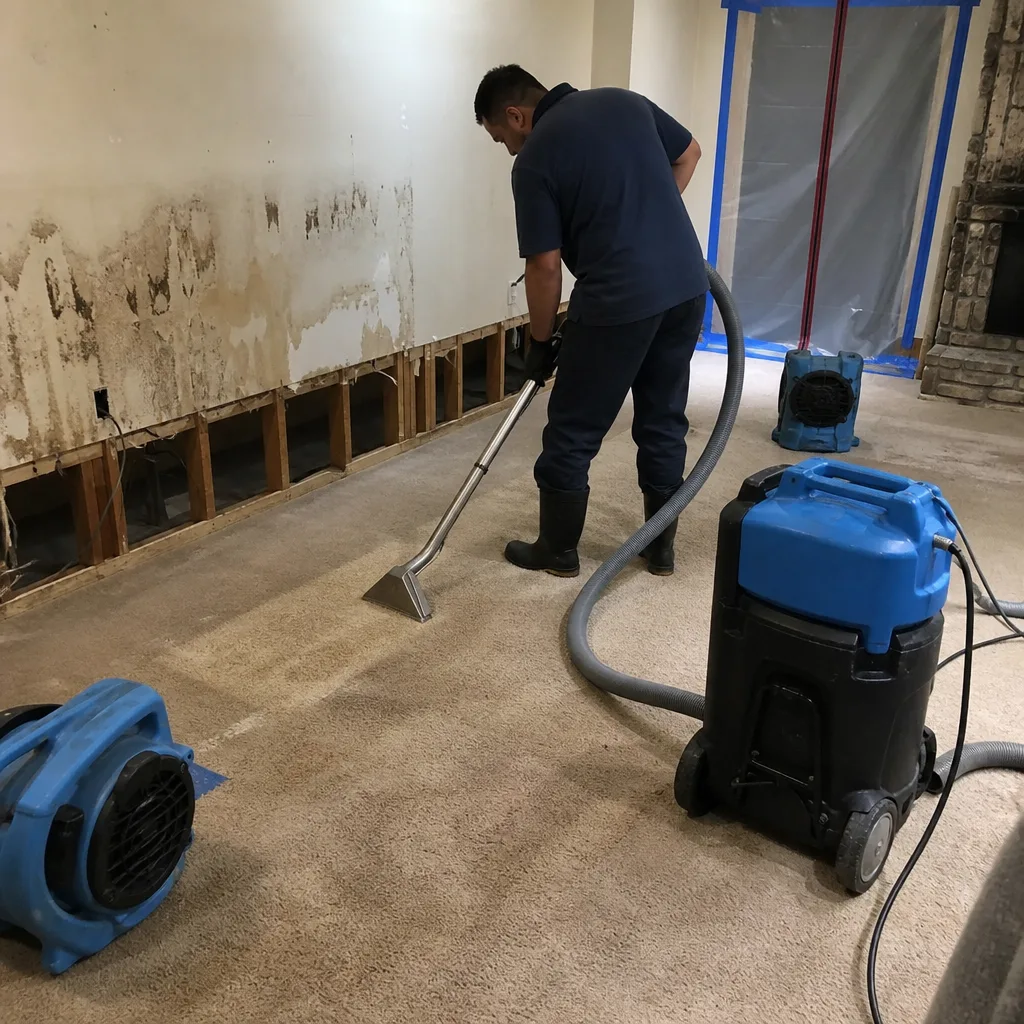
Atmospheric river events hitting Villa Park’s foothill topography create surface runoff patterns that flatland cities don’t experience. Water sheets down from the Peralta Hills, overwhelms drainage designed for 1970s rainfall intensity, and enters homes through foundation vents, garage doors, and below-grade mechanical rooms. Our flood cleanup protocols address category 3 black water when hillside debris flows carry contaminants, and we coordinate with your adjuster on content manipulation, pack-out, and specialty cleaning for premium furnishings. Every item is photo-inventoried before it leaves your property.
Burst Pipe Restoration
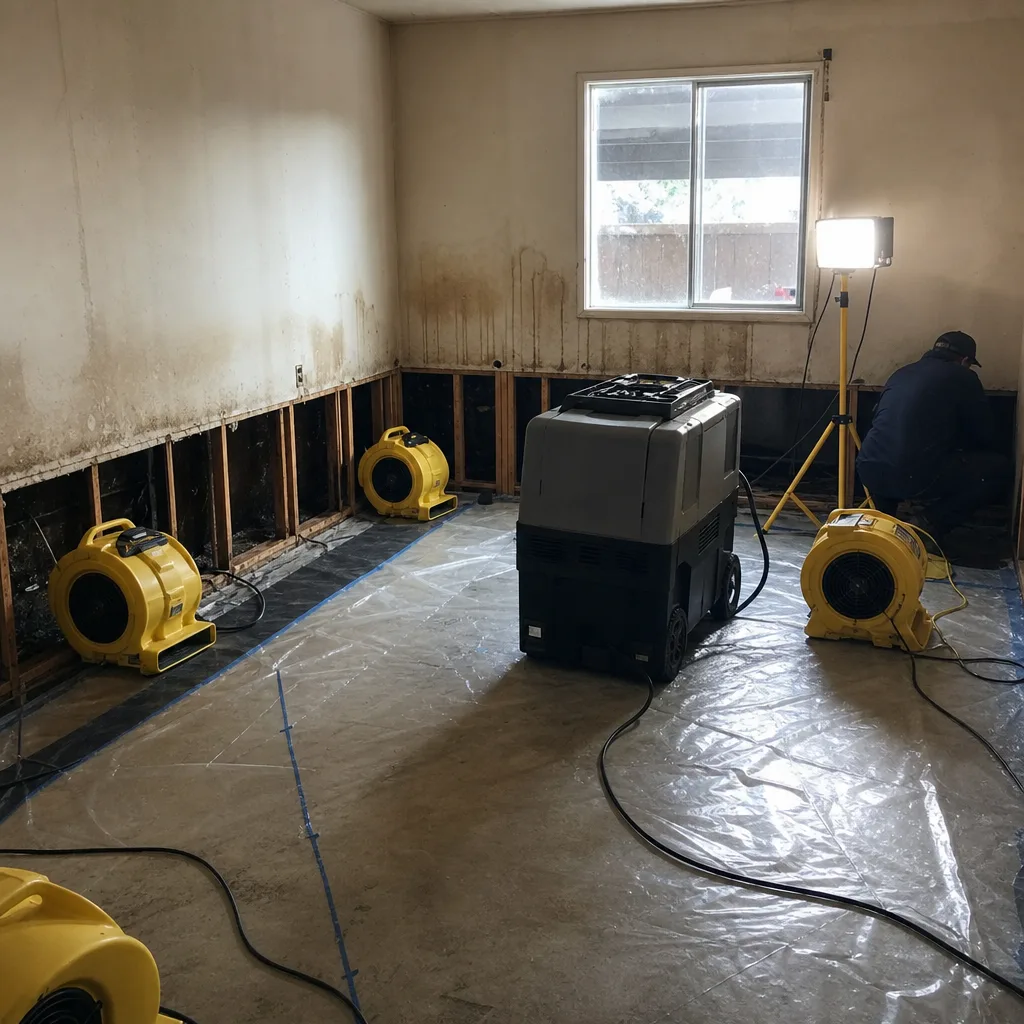
Original galvanized supply lines in Villa Park’s 1950s-1980s housing stock corrode from the inside, creating pinhole failures that spray inside wall cavities for hours before detection. Cast-iron drain stacks crack at hub connections, releasing gray water into subfloors. We don’t just dry the damage - we locate the failure mode, document it with photo evidence for your insurance scope, and coordinate licensed plumbing replacement before reconstruction begins. Our written scopes separate water damage mitigation from plumbing repair from rebuild, so each trade is billed correctly and your coverage limits are preserved.
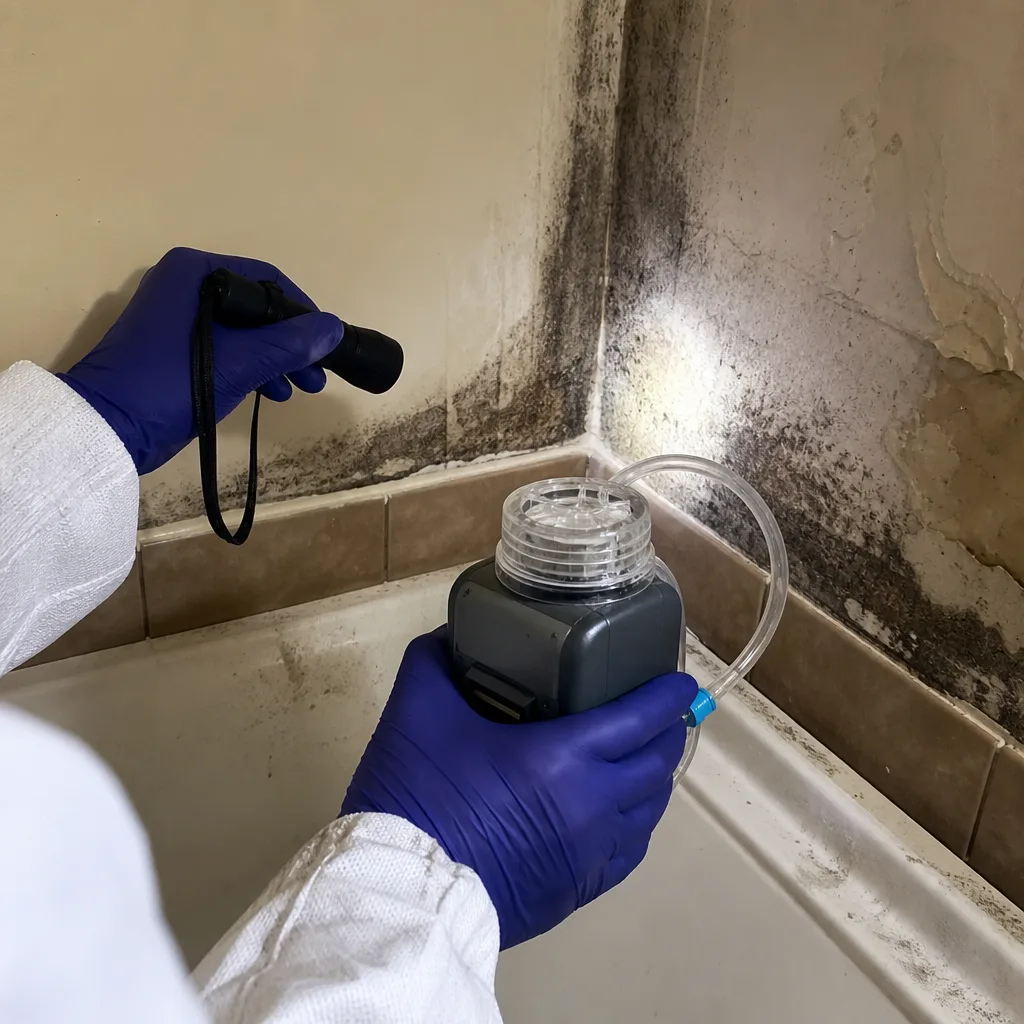
Ceiling & Roof Leak Water Damage
Villa Park’s mature tree canopy - legacy citrus from the agricultural era and decades-old oak and sycamore - drops limbs during Santa Ana wind events with enough force to puncture roof decking and compromise attic insulation simultaneously. We handle the water damage, the structural drying of attic assemblies, and the mold assessment that follows within 48 hours of intrusion. Our crews are trained to spot the difference between wind-driven rain damage covered by standard homeowners policies and flood damage requiring separate coverage, and we document accordingly from the first visit.
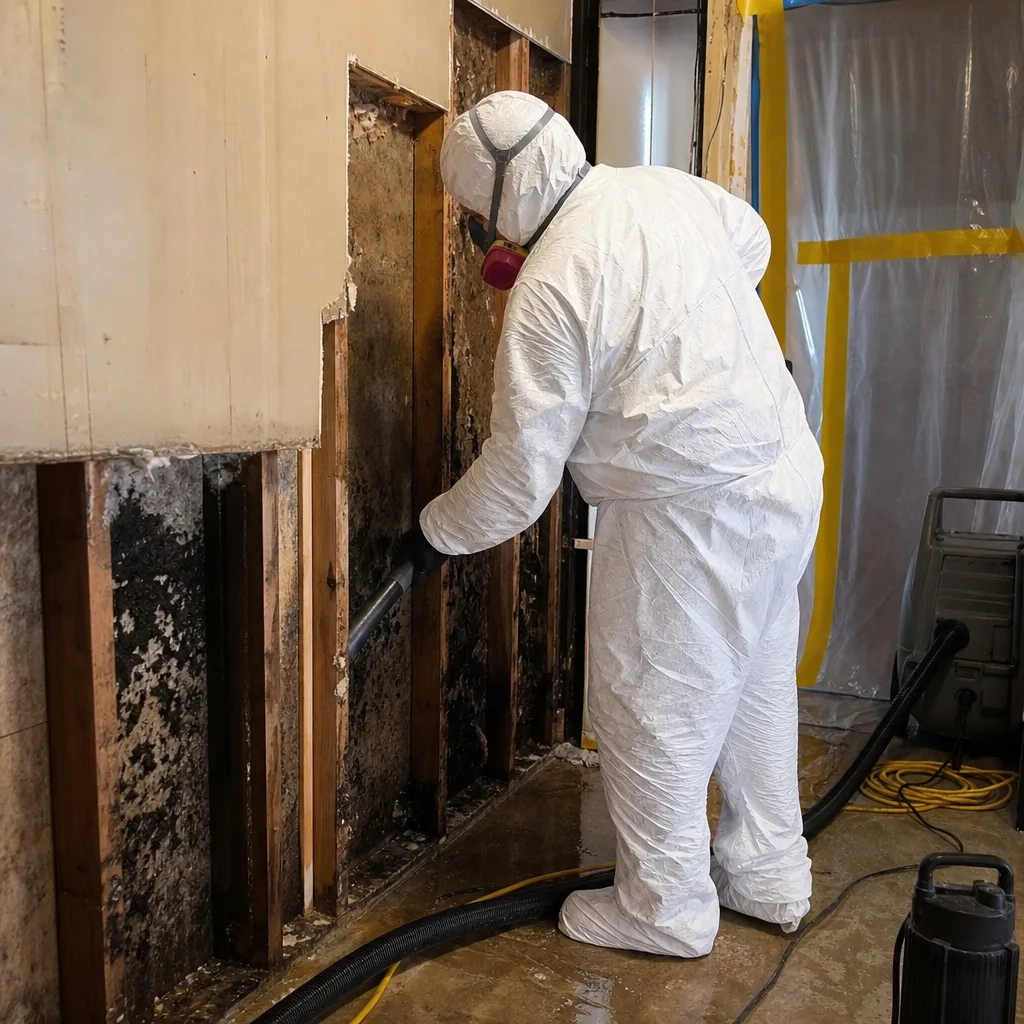
Basement Water Removal
While true basements are uncommon in Villa Park’s hillside construction, many estates feature below-grade wine cellars, mechanical rooms, and accessory structures with limited access and high-value contents. We deploy submersible pumps and portable extraction units sized for tight clearances, then establish negative air pressure and dehumidification protocols that protect cork, label, and climate-controlled inventory. Every step is photo-documented for your records and your insurer’s.
What happens when you call
- 1
A real person answersNo phone trees - you reach a local pro.
- 2
You get an upfront price rangeHonest numbers before anyone is dispatched.
- 3
A background-checked tech heads outLicensed & insured, dispatched right away.
- 4
You approve before work beginsNothing starts until you say go.
 Before
 After
AfterTrusted Brands We Service in Villa Park
Our equipment fleet includes professional-grade drying systems from Dri-Eaz, Phoenix, and XPOWER - brands selected for their performance in the specific conditions we encounter in Villa Park’s custom estates. Dri-Eaz desiccant dehumidifiers achieve the low specific humidity required for dense adobe-style walls and imported tile assemblies. Phoenix air movers deliver the high-velocity airflow needed for vaulted ceiling drying without creating secondary damage to premium finishes. XPOWER units provide compact, high-CFM output for tight mechanical rooms and wine cellar applications. We maintain local inventory of replacement filters, hoses, and drying mat consumables so equipment stays on your job, not in transit. Every unit is calibrated to manufacturer specifications and documented to IICRC S500 standards.
Common Water Damage Restoration Problems We See in Villa Park Homes
- Hidden moisture in vaulted ceiling assemblies. Standard air movers and refrigerant dehumidifiers are undersized for Villa Park’s cathedral ceilings and thick wall systems. Moisture pockets above drywall remain undetected until mold colonizes within 24-48 hours. We use thermal imaging and Injectidry cavity drying to find and eliminate these pockets before they become secondary damage.
- Post-fire aerial retardant intrusion. Villa Park’s position in hillside fire-hazard severity zones means water damage frequently arrives mixed with fire-retardant slurry from aerial drops. This creates category 2 contamination requiring antimicrobial treatment, and the alkaline chemistry of retardants can damage certain finishes if not identified and neutralized promptly.
- Original galvanized supply line failures inside walls. These pipes corrode predictably after 50+ years, but the failure location is rarely accessible. We use moisture mapping and selective demolition to minimize finish destruction while locating the source, then document the pre-loss condition of surrounding materials for your rebuild scope.
- Insurance scope disputes over bespoke finishes. Volume restoration firms stock standard materials and push for “like kind and quality” substitutions that don’t match Villa Park’s custom millwork, heritage hardwood, or imported tile. Our pack-out and reconstruction teams source matching materials and document the search process so your adjuster understands why premium replacement is necessary, not optional.
Pricing for Water Damage Restoration in Villa Park, CA
Water damage restoration pricing in Villa Park reflects the city’s unique housing stock and the documentation standards required for successful insurance claims. Emergency water extraction typically runs $1,200-$2,400 for residential losses up to 1,500 square feet affected area. Structural drying and dehumidification ranges from $3,500-$6,800 depending on ceiling height, wall density, and equipment deployment days. Full-service flood cleanup with category 3 contamination and content manipulation starts at $4,500 and can reach $8,500+ for estate-grade square footage with premium finishes.
Factors that increase cost in Villa Park: vaulted or cathedral ceilings requiring specialized drying configurations; imported or discontinued finishes requiring custom sourcing; hillside access limitations affecting equipment mobilization; and post-fire retardant contamination requiring additional antimicrobial protocols. Factors that don’t: vague scopes, undocumented visits, or equipment that sits running without daily moisture readings.
Every job receives a written price before work begins - Haven Standard, Clause 1 - with line-item breakdown of extraction, drying, content manipulation, and any necessary antimicrobial treatment. We also offer a Free Second Opinion on any competitor’s written estimate. Bring their scope and we’ll review it at no charge. Call (909) 525-4167 for your written estimate.
We Also Serve Cities Near Villa Park
Our Water Damage Restoration in Villa Park coverage extends throughout central Orange County, including Orange to the south, Placentia and Yorba Linda to the north, and Santa Ana to the southwest. Each city receives the same documented drying protocols and written pricing standards, adapted to local housing stock and conditions. Dispatch and scheduling are coordinated from our Los Angeles office with crews serving all locations locally.
Serving Villa Park, CA - Our Local Coverage Area
We’re based in the Villa Park area and know this community well. Use the map below to see our service coverage - if you’re nearby, we can almost certainly help.
FAQs - Water Damage Restoration in Villa Park
Homes in hillside fire-hazard severity zones face stricter rebuild permitting and material approval requirements that can delay reconstruction and trigger coverage disputes if your restoration contractor doesn’t document properly from day one. We write scopes that anticipate these requirements, include fire-zone-specific material specifications, and coordinate directly with your adjuster on permit-ready documentation. This prevents the 4-8 week delays we’ve seen when volume firms discover fire-zone requirements mid-project. Call (909) 525-4167 and we’ll review your policy’s fire-zone provisions before work starts.
Yes - we routinely manage losses where Santa Ana winds have driven rain through compromised building envelopes or where aerial fire retardant has mixed with roof runoff to create contaminated intrusion. The two scenarios require different contamination classifications, different antimicrobial protocols, and different documentation for insurance. We test and classify water category on arrival, establish the appropriate drying and treatment plan, and photo-document every stage for your claim file. Our crews carry neutralizing agents specific to common retardant chemistries.
Evacuate the affected area, shut off electrical power to the room if safe to do so, and call us immediately at (909) 525-4167. Do not climb on the roof or enter the attic - structural compromise and electrical hazards from water intrusion create genuine safety risks. We’ll dispatch a crew with temporary roof tarping, water extraction, and structural assessment capabilities in one mobilization. Our field vignette from the Peralta Hills area illustrates exactly this scenario: after a Santa Ana wind event dropped a legacy citrus limb through a roof, we ran simultaneous structural drying and mold containment on a 1960s estate with original galvanized lines - our techs used Injectidry wall-cavity mats and Dri-Eaz desiccant dehumidifiers to hit drying logs while matching the home’s imported terracotta tile and bespoke millwork for the pack-out and rebuild scope. We documented category 1 water with moisture mapping before it crossed into category 2, then completed antimicrobial treatment and daily moisture readings for the adjuster.
We adjust our drying protocols for the permeance and density of older materials. Galvanized line failures often spray inside walls with low-permeance plaster or stucco exteriors, slowing evaporation. Cast-iron drain failures release water into subfloor assemblies with multiple material layers. Our approach: moisture map the full extent before demolition, deploy Injectidry cavity systems for wall drying, use desiccant dehumidification for low-grain depression in dense assemblies, and extend drying days as needed rather than pulling equipment early. Every reading goes in your daily drying log, and we don’t declare “dry” until we hit IICRC S500 equilibrium moisture content standards for each material class.
Yes - pack-out is standard on every job where contents are affected, not an upsell. We photo-inventory each item, document pre-loss condition with your adjuster’s preferred format, and transport to our climate-controlled facility or a specialist restorer depending on material. For Villa Park’s bespoke millwork, heritage hardwood, imported tile, and specialty fixtures, we maintain relationships with custom fabricators and salvage suppliers who can replicate or source matching materials. The search process is documented and included in your insurance scope. Haven Standard, Clause 1 applies: written price before any work starts, including pack-out and reconstruction.
Written by Alicia Brennan, Owner at Back to Dry Restoration, serving Villa Park since 2011.