
Last updated September 23, 2026
Free visual inspection and a written scope of work before any mitigation begins - photos, moisture readings, and drying logs go in your claim file
The scope we write is the scope we bill. Anything new gets shown to you, in writing, before we touch it.
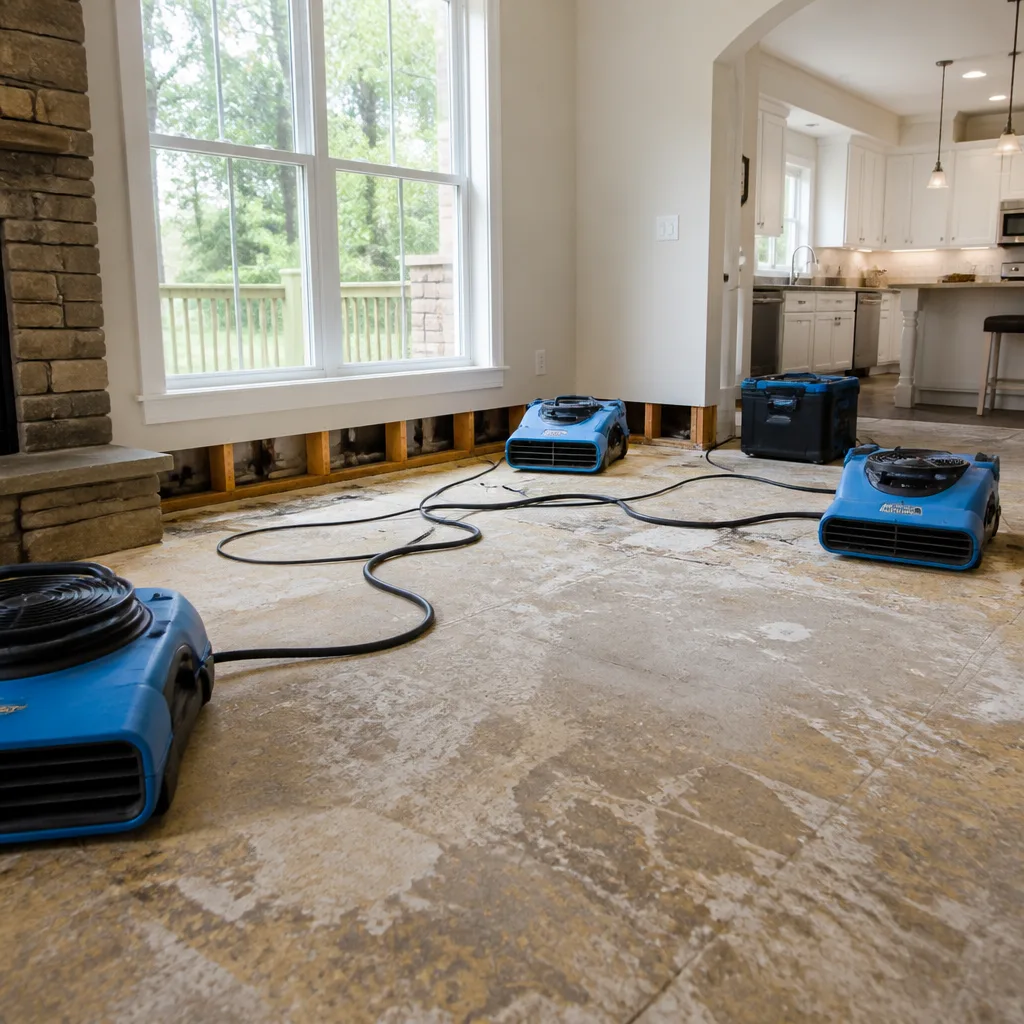
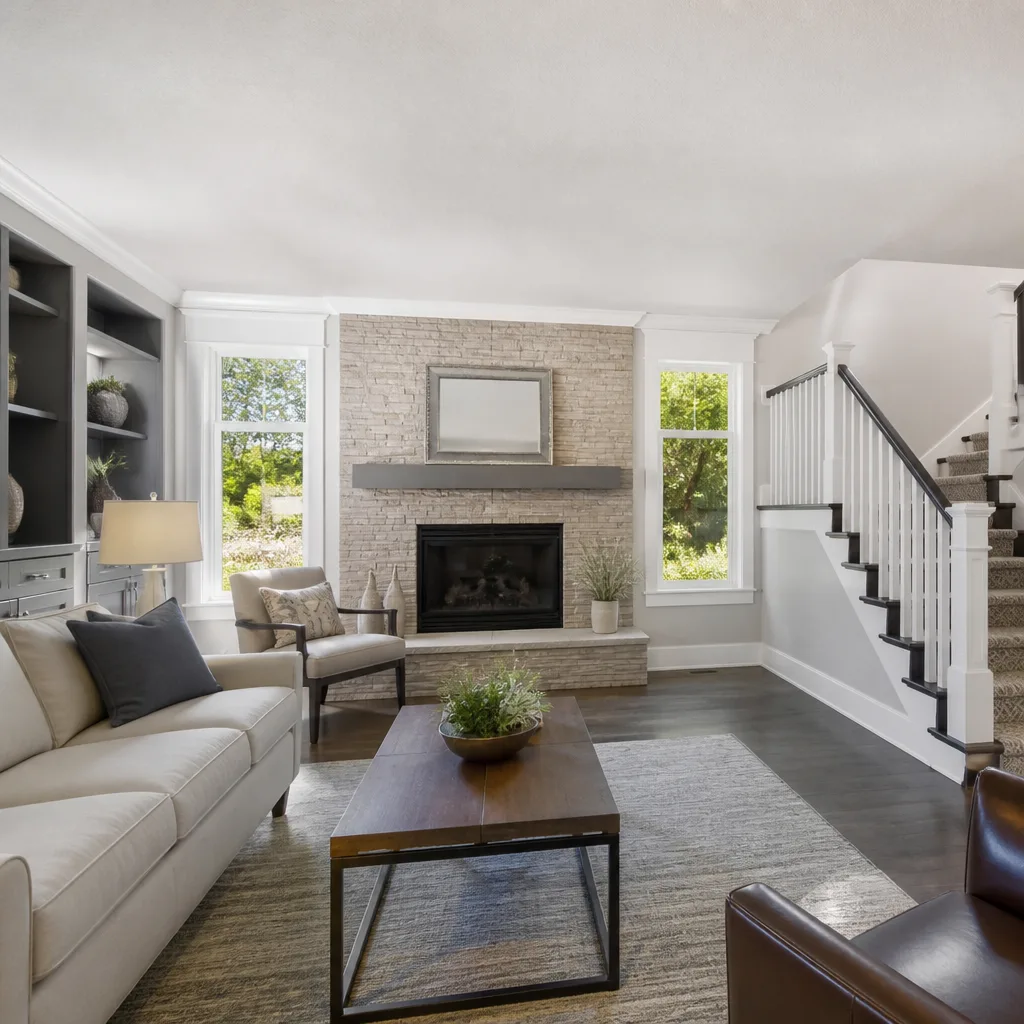
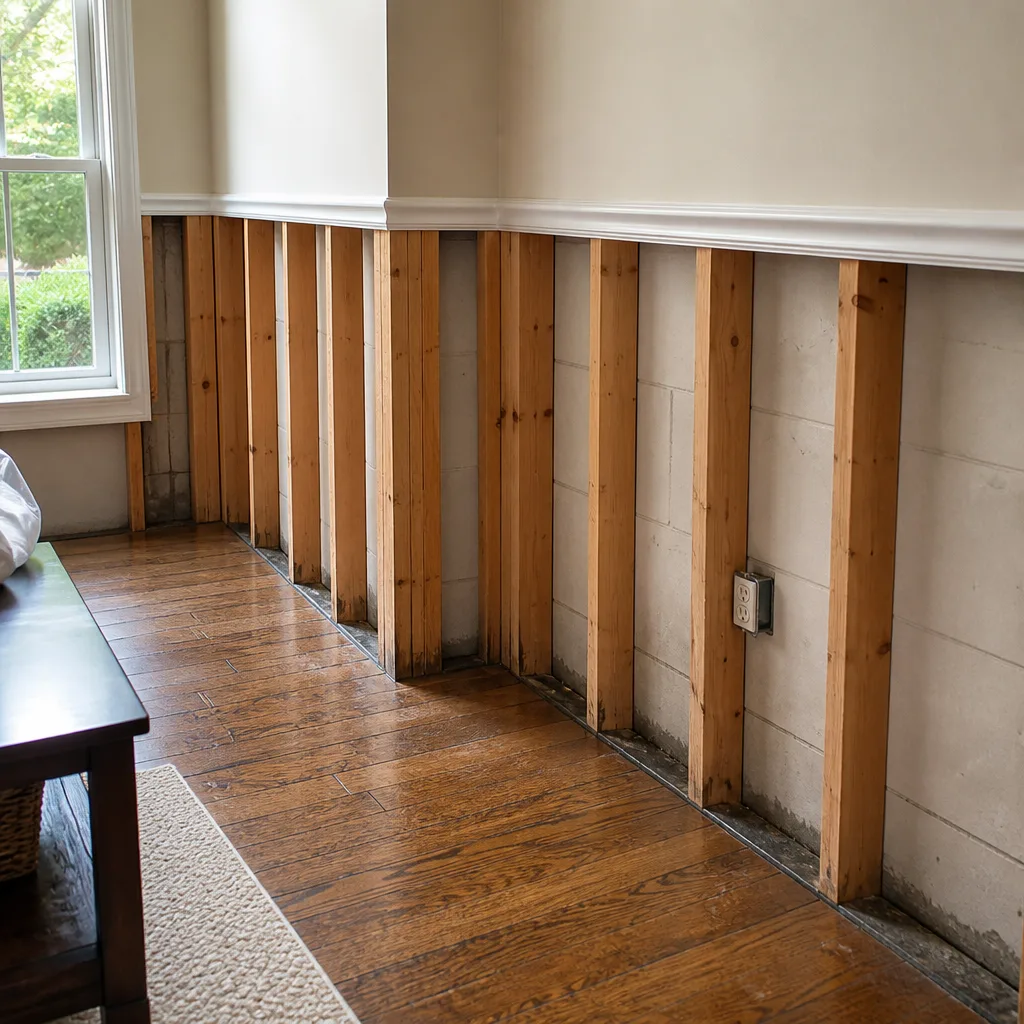
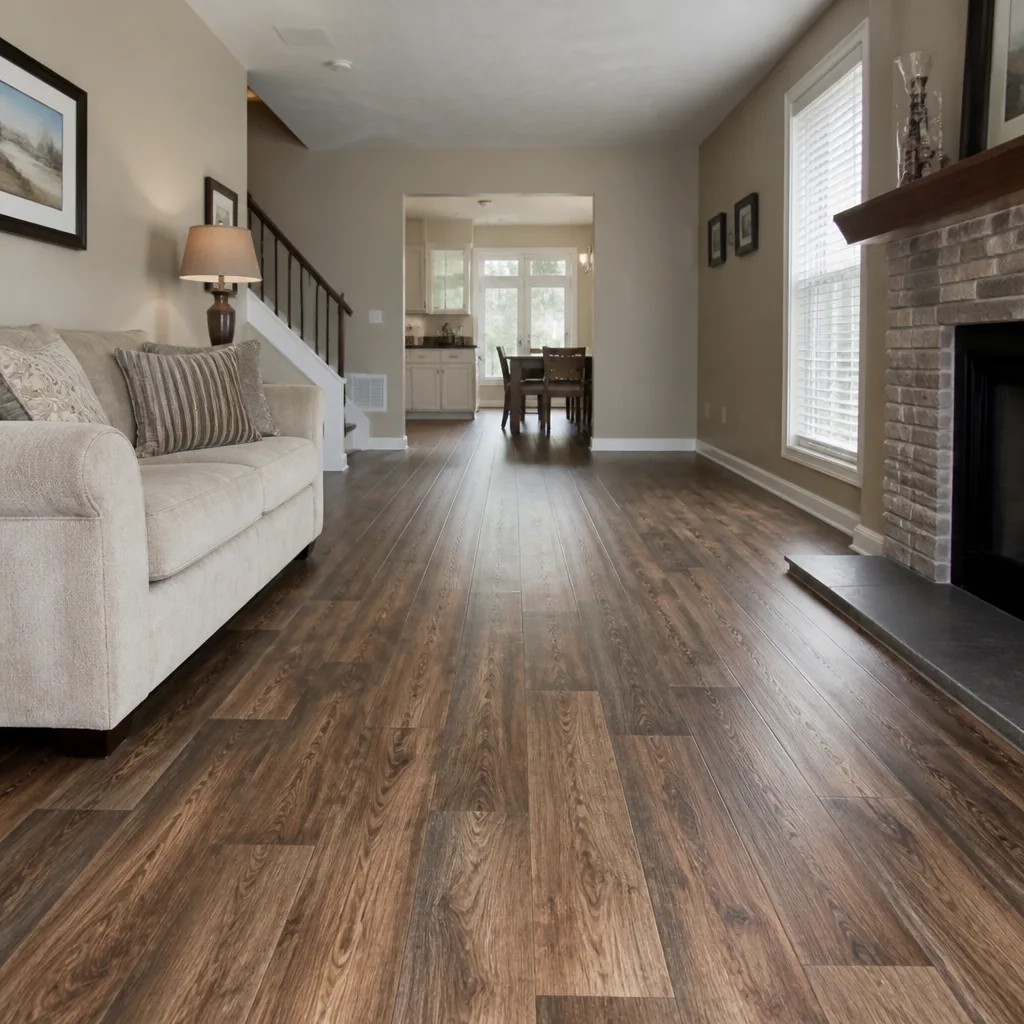
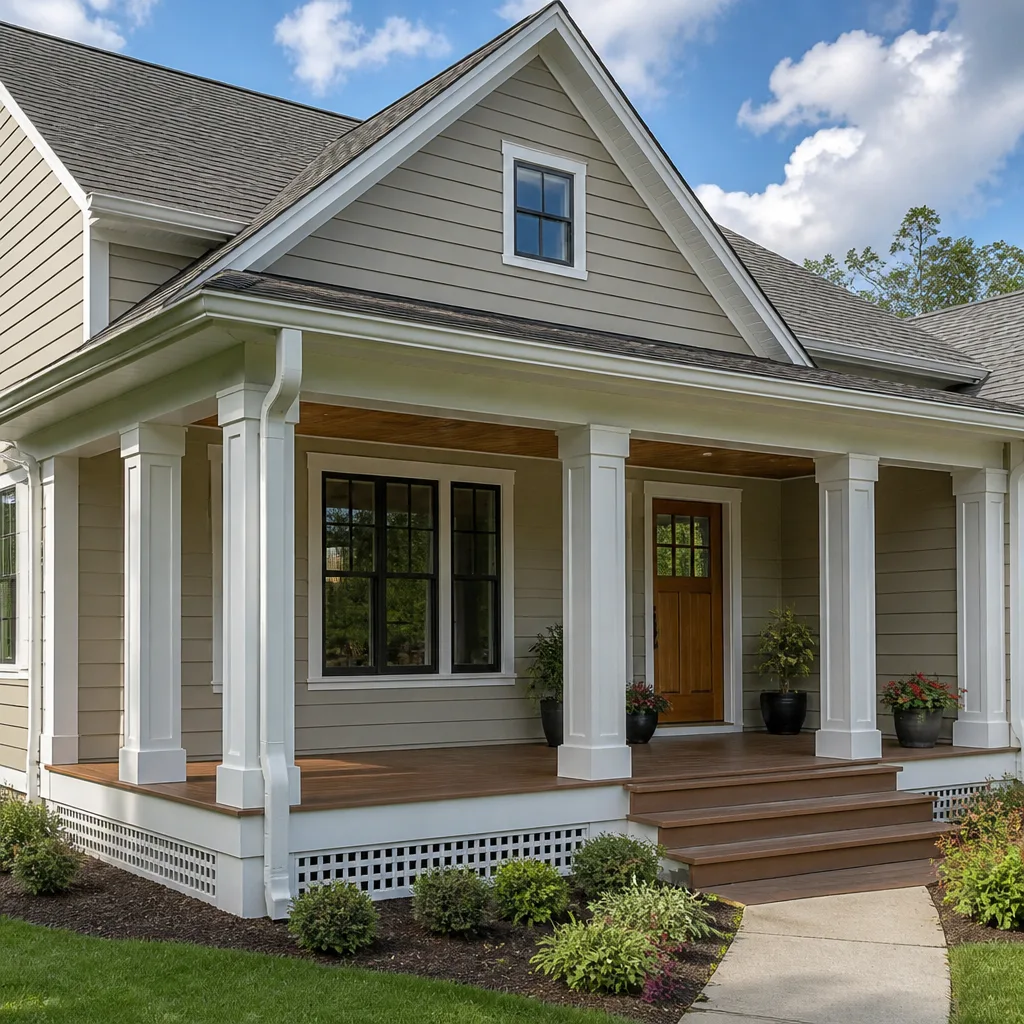
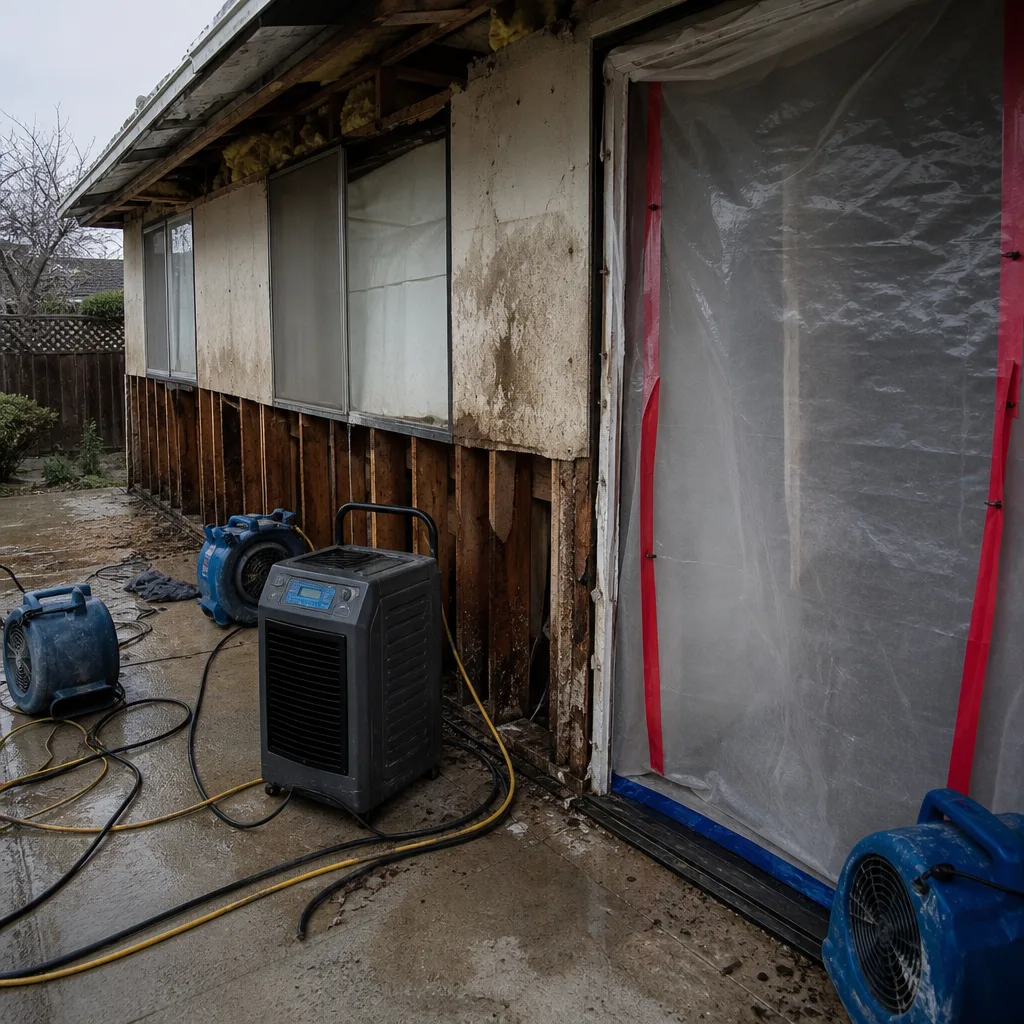 Before
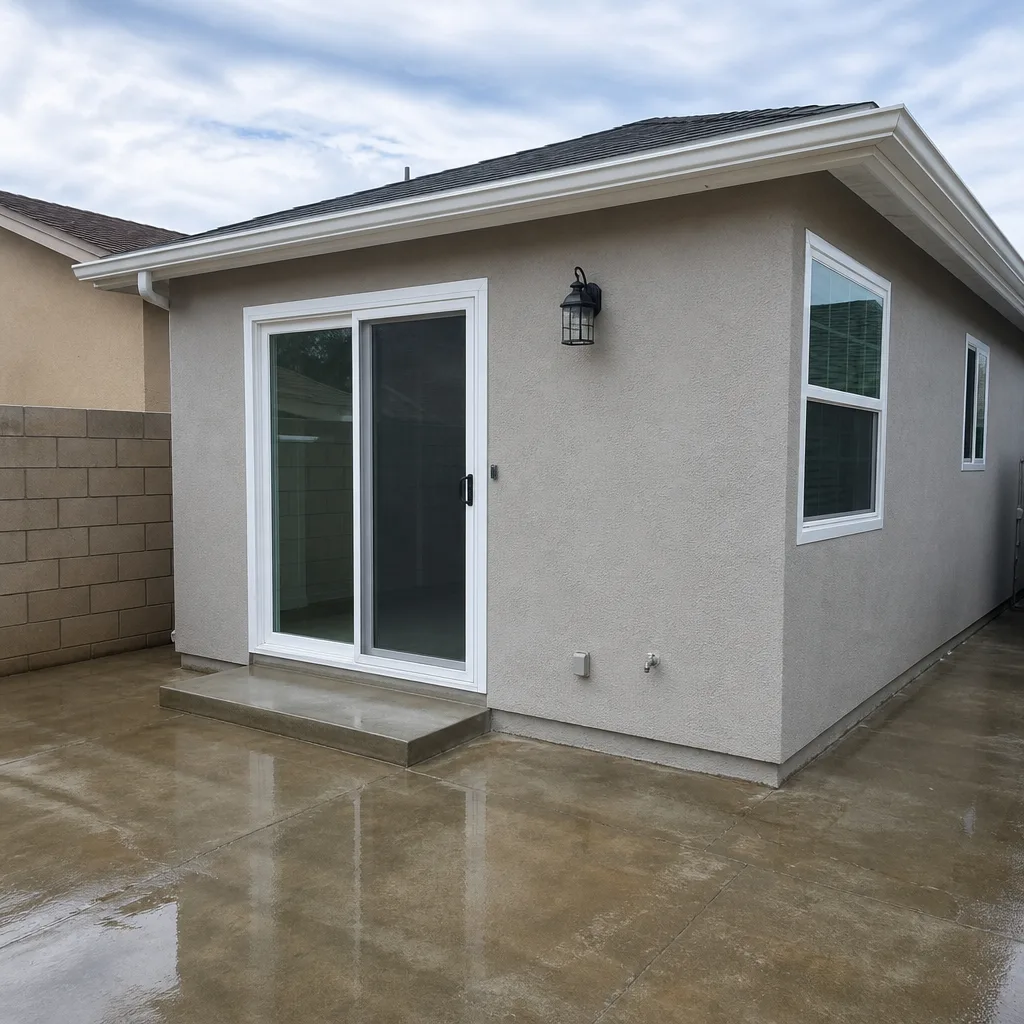 After
After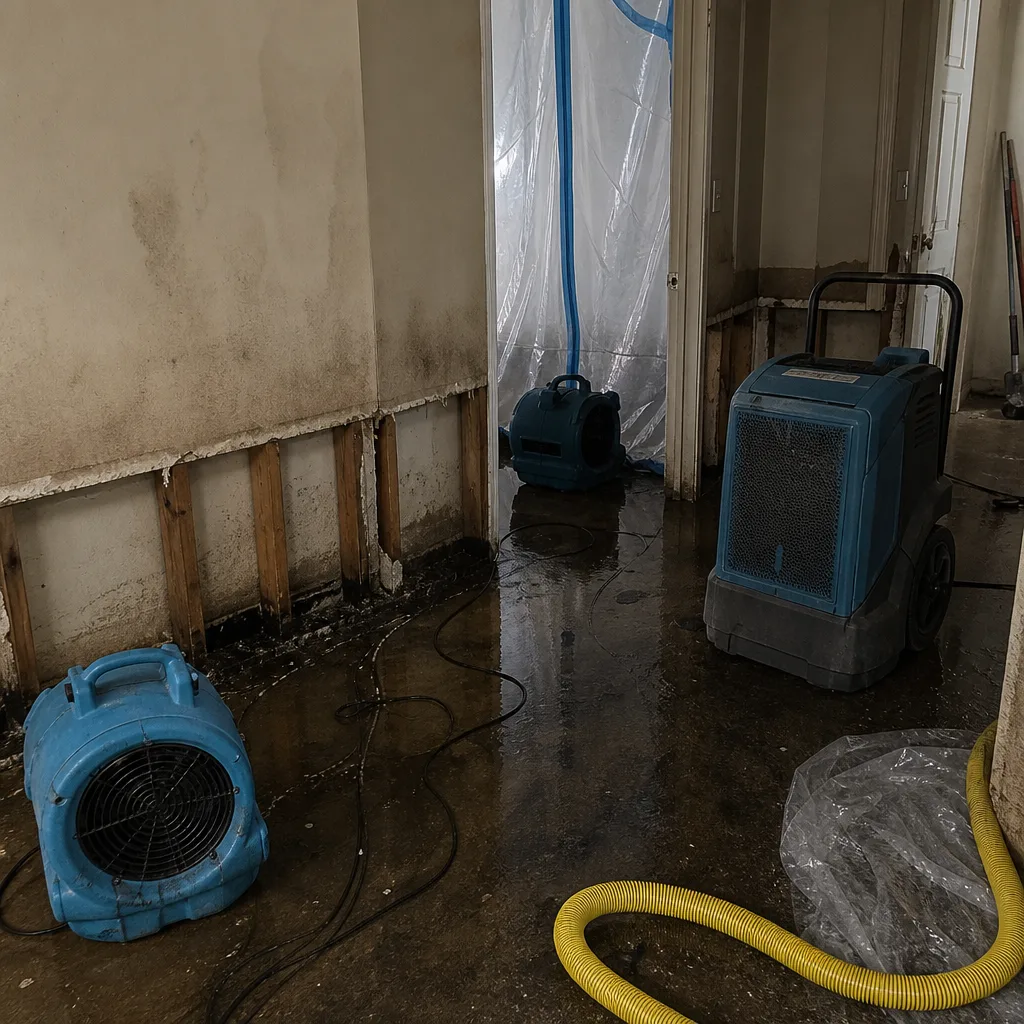 Before
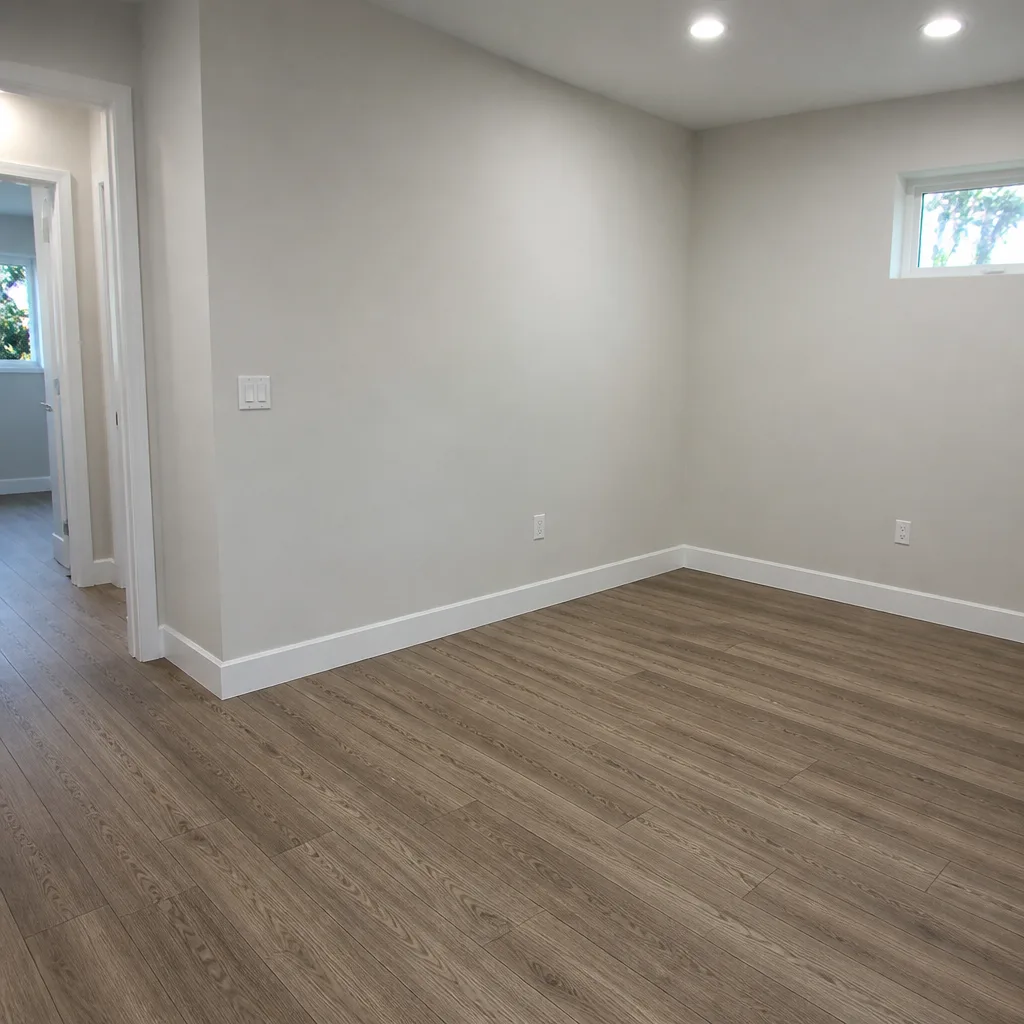 After
After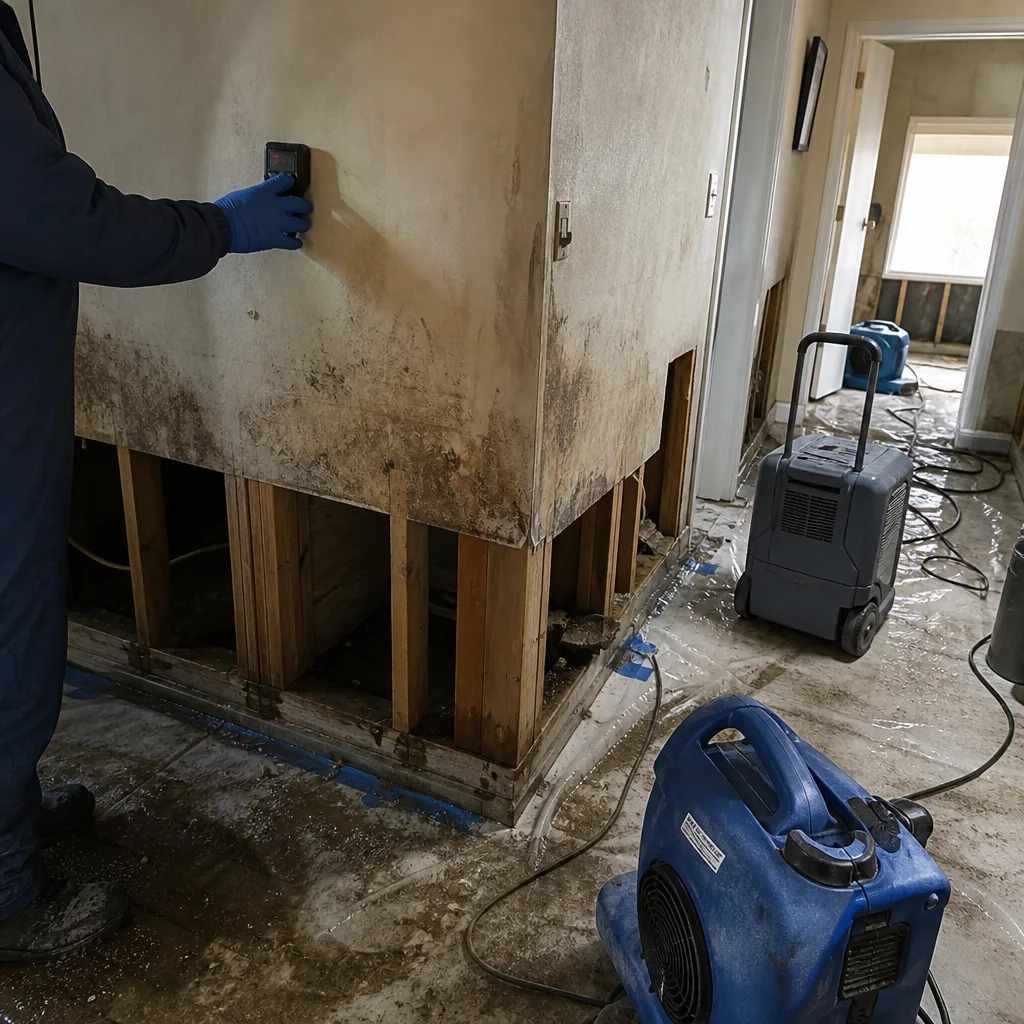 Before
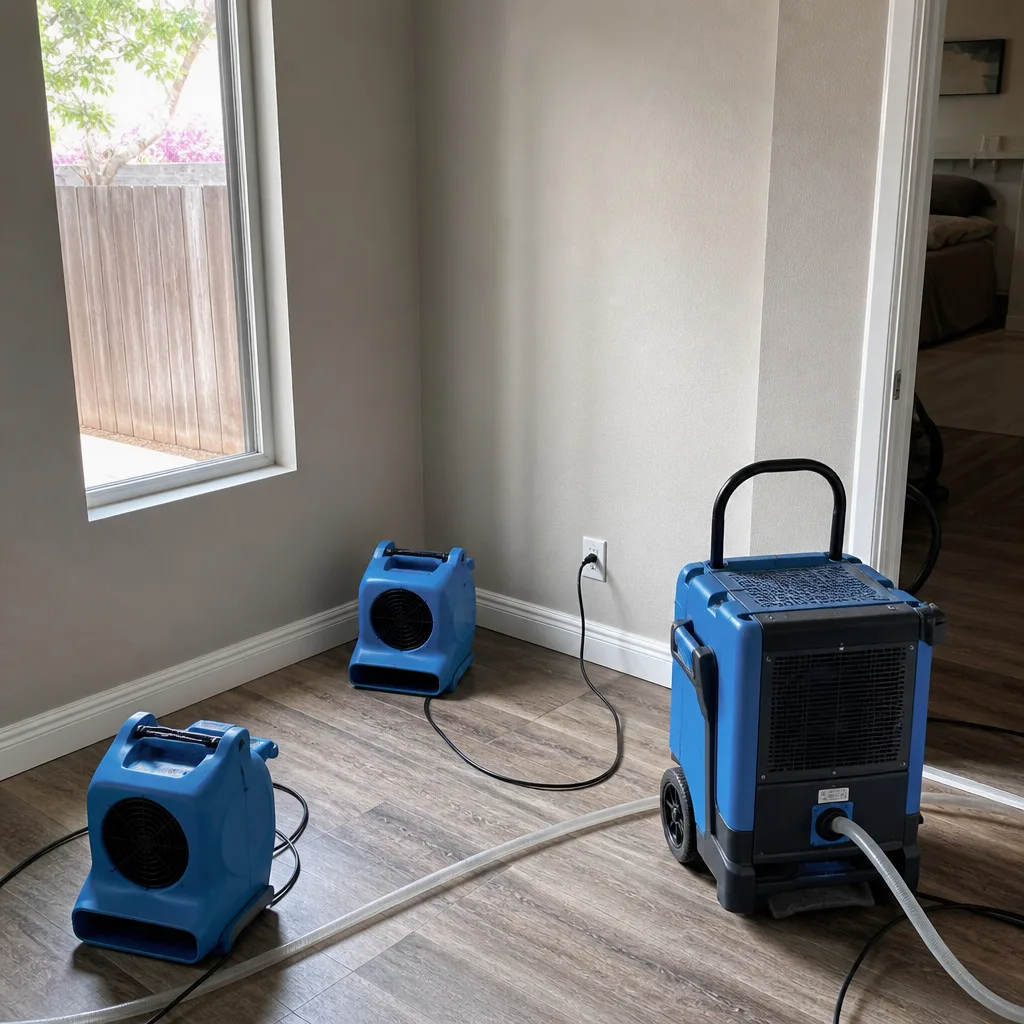 After
AfterThe Complete Guide to Damage Restoration in Anaheim
We’ve reviewed thousands of restoration invoices that insurers denied, not because the work was poor, but because the paperwork couldn’t prove it. In Anaheim, where the clay-rich soil of the Santa Ana River basin traps moisture against 1960s slab foundations and the aging polybutylene plumbing of the Anaheim Hills tract homes fails without warning, a contractor can execute flawless drying and still leave a homeowner holding a five-figure bill. This guide maps every phase of restoration to the specific documentation that makes each phase reimbursable. You’ll learn how adjusters evaluate files, why Anaheim’s housing stock creates unique moisture patterns, what your timeline rights are under California Department of Insurance regulations, and how to read a drying log well enough to catch gaps before they cost you.
Quick Answer
Damage restoration in Anaheim is the process of returning a property to pre-loss condition after water, fire, mold, or biohazard events, documented to insurance standards with written pricing, daily moisture logs, and photo records. A properly documented restoration in Anaheim typically costs $2,800-$7,500 for water mitigation, $4,200-$12,000 for mold remediation, and $15,000-$65,000 for fire damage reconstruction, with timelines ranging from 3 days for drying to 4-6 months for full rebuilds. For a detailed look at what drives these numbers, see our Damage Restoration Cost Breakdown: The Anaheim Homeowner’s Reference for 2026. The difference between full reimbursement and partial denial usually comes down to whether your contractor produces IICRC-compliant drying logs with equipment serial numbers, psychrometric readings, and goal moisture levels by room.
Table of Contents
- How Insurance Adjusters Actually Evaluate a Restoration File
- Mitigation Scope vs. Reconstruction Scope: Why Confusing Them Gets Claims Flagged
- Anaheim’s Unique Risk Profile: Clay Soil and Aging Housing Stock
- What a Compliant Daily Drying Log Must Contain
- Your Timeline Rights Under California Department of Insurance Regulations
- Choosing a Restoration Contractor in Anaheim: Documentation Checklist
- Cost Breakdown by Damage Type in Anaheim
- The Documentation Deliverables You Should Receive
 Before
 After
AfterHow Insurance Adjusters Actually Evaluate a Restoration File
An adjuster doesn’t start with the quality of the work. They start with whether they can pay it without exposing their company to a bad-faith lawsuit or a DOI complaint. That means documentation first, craftsmanship second. We’ve sat on both sides of this desk.
Here’s the sequence a trained adjuster follows when a restoration invoice lands on their desk:
- Policy verification. They confirm coverage limits, deductibles, and whether the cause of loss is excluded (gradual seepage vs. sudden discharge, for example).
- Scope alignment check. They compare the contractor’s line items against the initial scope they wrote, or against the independent adjuster’s field notes. Items not in the scope get flagged for supplemental documentation.
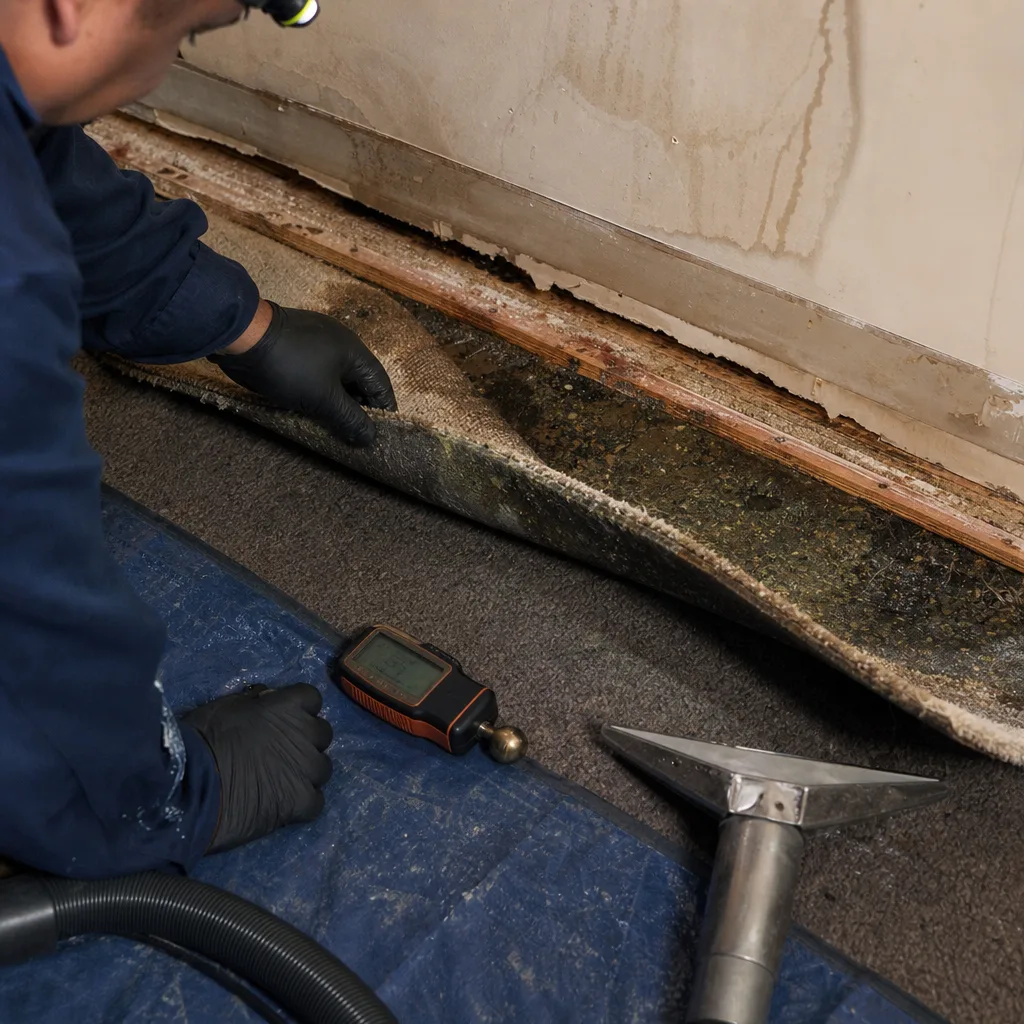
- Documentation sufficiency review. This is where most invoices die. The adjuster looks for: dated photos showing pre-existing condition, moisture readings with meter type and calibration date, equipment placement diagrams with serial numbers, and psychrometric data proving the drying chamber was controlled.
- Price reasonableness test. They run line items against Xactimate or Symbility pricing databases for Anaheim’s ZIP code. Prices above 120% of database rates require written justification.
- Payment authorization or supplemental request. Clean files pay in 10-14 business days. Files with gaps generate a reservation of rights letter or a partial denial.
The critical insight: adjusters want to pay valid claims. Their performance metrics reward file closure speed, not denial volume. But they can’t pay what they can’t verify in an audit. A drying log that reads “checked equipment, still wet” is unverifiable. A log that reads “Dehu #PHX-200-HL S/N 84732, inlet 58.2°F/62% RH, outlet 72.4°F/31% RH, grain depression 41, affected drywall at stud bay 4 reading 18.4% MC, goal 12%, remove dehu tomorrow if trend holds” - that adjuster pays in full, because their file audit will pass.
We’ve seen $8,400 water mitigation invoices in the Anaheim Colony Historic District reduced to $3,200 because the contractor used a pinless moisture meter without specifying the material setting, making every reading challengeable. We’ve also seen $14,000 mold remediation invoices in Anaheim Hills paid in full with no supplement because the containment photos showed negative air pressure verification with a manometer reading, dated and geotagged.
Water damage restoration in Anaheim lives or dies in this documentation phase.
Mitigation Scope vs. Reconstruction Scope: Why Confusing Them Gets Claims Flagged
This is the single most common error we see on restoration invoices, and it triggers automatic scrutiny from adjusters and mortgage servicers alike. Mitigation and reconstruction are two distinct trades with different pricing databases, different contractor qualifications, and different payment timelines. Blurring them on one invoice is a red flag.
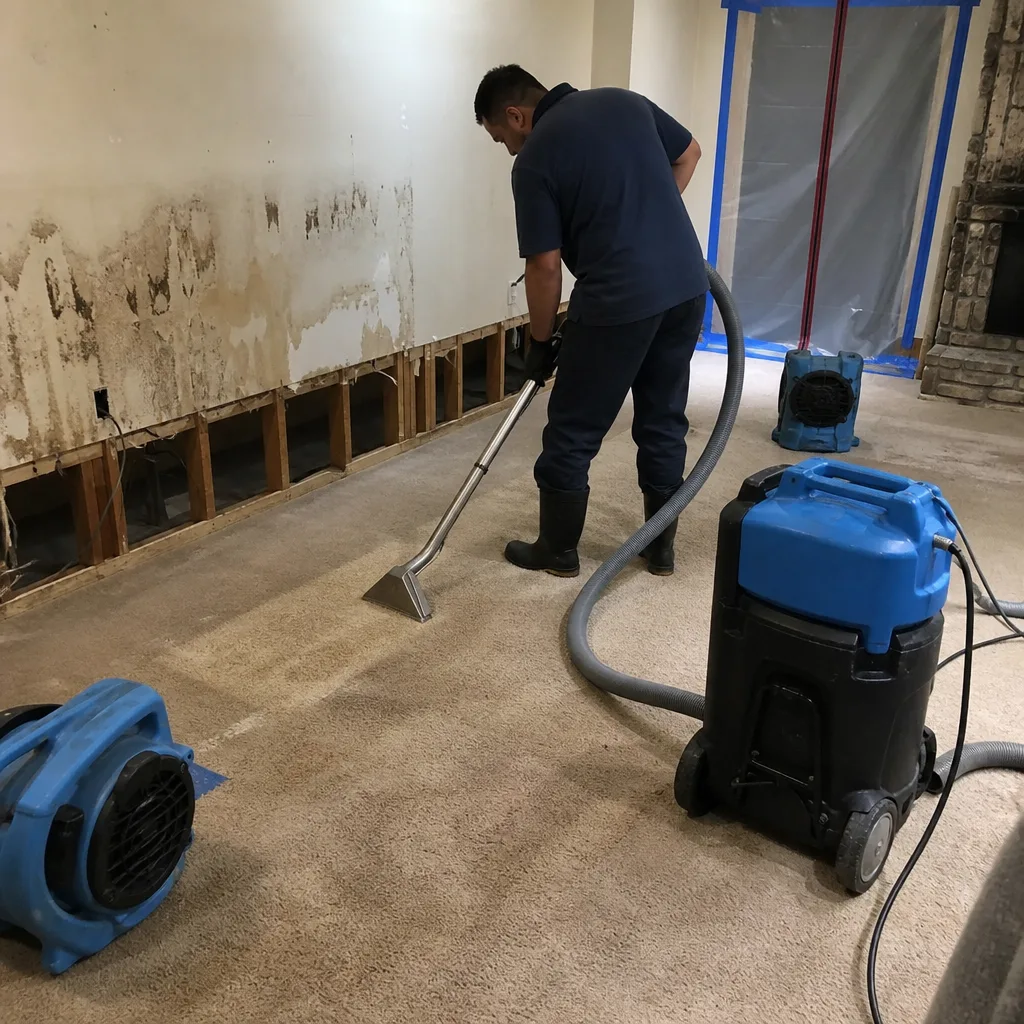
Mitigation is emergency stabilization: water extraction, demolition of unsalvageable materials, drying, deodorization, antimicrobial application, and contents manipulation. It’s priced by the hour for labor, by the day for equipment, and by the square foot for materials. Mitigation contractors carry IICRC certifications and use psychrometric science. Their work is urgent, unscheduled, and often performed before the full scope is visible.
Reconstruction is rebuilding: drywall installation, flooring replacement, painting, electrical, plumbing, cabinetry. It’s priced by the job with written scopes, scheduled in advance, and performed by licensed tradespeople. Reconstruction requires contractor’s licenses, permit pulls, and inspections.
When a single invoice mixes mitigation line items (“3 air movers @ $25/day x 4 days”) with reconstruction line items (“install 12’x8′ textured drywall, taped and floated”), three problems emerge:
- The adjuster can’t apply the correct pricing database, so they default to the more conservative one.
- The mortgage servicer, who must approve reconstruction draws on most homeowner policies, sees mitigation charges they don’t control and holds the entire payment.
- If a dispute arises, the contractor’s lien rights become unclear - California mechanics lien law treats emergency services and construction contracts differently.
In Anaheim, where many homeowners carry mortgages serviced by national banks with strict draw schedules, this confusion can delay payment by 60-90 days. The correct practice: separate invoices, separate scopes, separate signatures. At DryMark Restoration Anaheim, Haven Standard, Clause 1 requires a written price before work begins for each phase, and we issue separate documentation packages for mitigation and reconstruction so no adjuster has to untangle them.
DryMark Restoration Anaheim home
Anaheim’s Unique Risk Profile: Clay Soil and Aging Housing Stock
Restoration in Anaheim is not restoration in Irvine, and it’s not restoration in Riverside. The city’s specific geography and building history create moisture intrusion patterns that contractors from outside Orange County often misdiagnose. Learn to spot problems early in our Damage Restoration Warning Signs: A Anaheim Homeowner’s Reference Guide.
Clay soil and slab foundations. Anaheim sits on the Santa Ana River alluvial plain, where the soil is predominantly clay-loam with high expansion potential. When the clay gets wet, it swells; when it dries, it shrinks. This seasonal movement cracks slab foundations, especially the post-tension slabs common in 1970s-1980s tract construction. We’ve inspected homes in the Anaheim Hills where the slab had separated from the foundation stem wall by 3/4 inch, creating a capillary break that wicks groundwater into the wall cavity. A contractor who treats this as a simple plumbing leak and dries only the interior will face recurring moisture and, eventually, mold litigation.
The 1960s-1980s housing stock. Roughly 42% of Anaheim’s housing units were built between 1960 and 1989, according to Census data. These homes share common vulnerabilities:
- Polybutylene plumbing (grey pipes, 1978-1995), which degrades from chlorine exposure and fails catastrophically at fittings. We’ve responded to six burst polybutylene lines in the past 18 months, all in the older tracts near La Palma Park.
- Flat or low-slope roofs with inadequate drainage, common on the era’s ranch-style and split-level designs. Ponding water on these roofs infiltrates at parapet walls and scuppers.
- Single-pane aluminum windows with failed glazing, creating chronic condensation tracks that rot sill plates.
- Slab-on-grade construction without moisture barriers, or with polyethylene barriers that have degraded.
Coastal influence vs. inland heat. Anaheim’s climate is transitional. The marine layer reaches the western neighborhoods near Disneyland some mornings, creating dew-point conditions that slow natural drying. The eastern hills bake in Santa Ana wind conditions, accelerating evaporation but also driving moisture deeper into assemblies when fires trigger suppression systems. A drying strategy that works in coastal Newport Beach may overdry or underdry an Anaheim property.
We’ve learned to adjust our equipment specs for Anaheim’s specific conditions. In the flat neighborhoods near Katella Avenue, where clay soil and poor drainage combine, we deploy Phoenix 200 HT dehumidifiers with higher grain-depression capacity than we’d use in sandy-soil markets. In the hills, where Santa Ana winds can drop relative humidity to 8%, we monitor for over-drying that cracks hardwood and warps trim.
Mold remediation in Anaheim requires understanding these patterns, because mold follows moisture, and moisture in Anaheim follows these specific pathways.
What a Compliant Daily Drying Log Must Contain
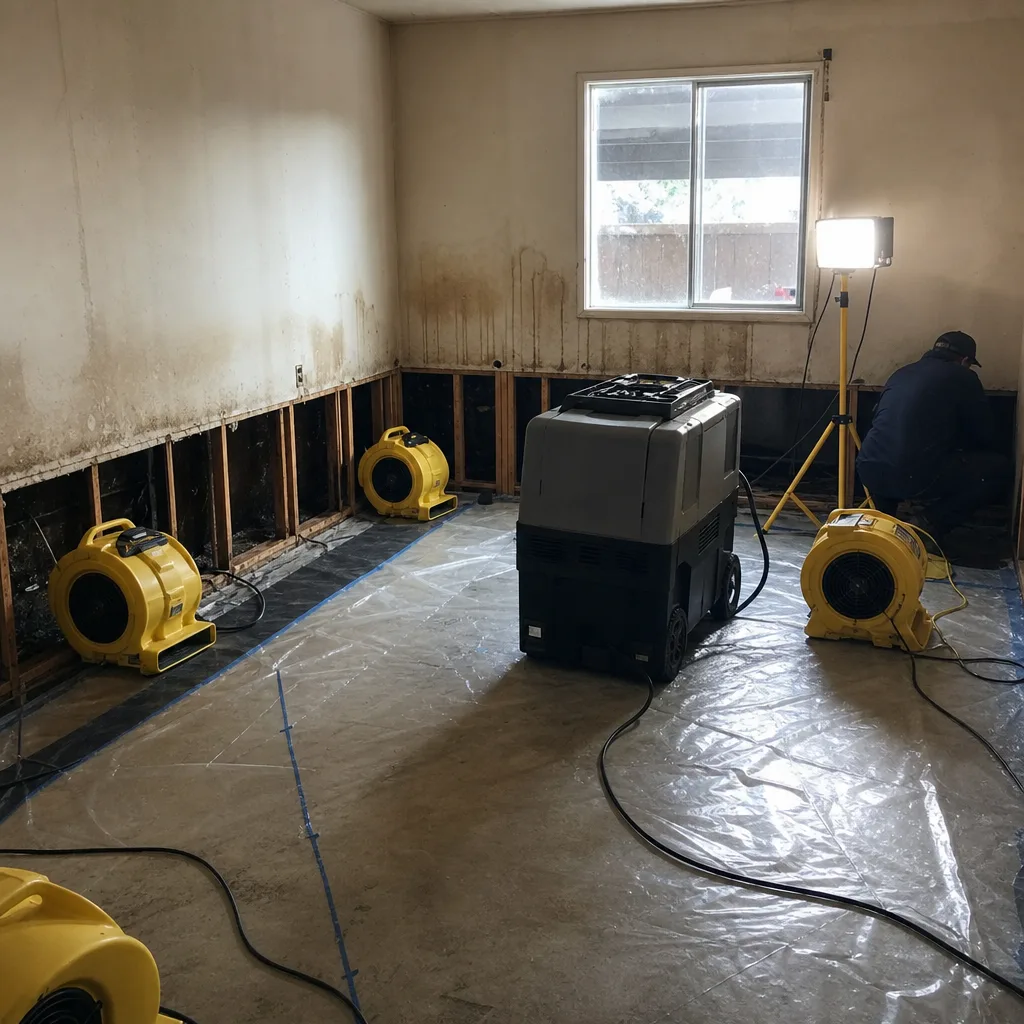
The daily drying log is the single most important document in a water damage claim. It’s also the most commonly deficient. We’ve reviewed competitor logs that consisted of a technician’s initials and the phrase “equipment running.” That’s not a log. That’s a liability.
A drying log that will survive an adjuster audit, a DOI complaint, or a courtroom cross-examination contains these elements for every visit:
- Date and time of visit, with technician name and IICRC certification number. Anonymous logs are inadmissible in many jurisdictions.
- Equipment inventory by serial number. Every dehumidifier, air mover, LGR, desiccant, and air scrubber is listed with manufacturer, model, and serial. This prevents phantom equipment charges and proves the drying capacity matched the moisture load.
- Psychrometric readings at equipment inlet and outlet. Temperature in Fahrenheit, relative humidity percentage, and specific humidity (grains per pound) at both points. The difference proves the equipment is operating and the drying chamber is controlled.
- Moisture content readings by material and location. Wood framing, drywall, concrete, subfloor - each measured with the correct meter setting (pin, pinless, or thermo-hygrometer) and compared to established dry standards (typically 12-16% for wood, <1% for drywall by calcium carbide test).
- Goal moisture levels and timeline to achievement. Not “dry,” but “dry to 12% MC by 48 hours per IICRC S500.”
- Equipment adjustment decisions with rationale. “Removed 2 air movers from Bedroom 2 because MC dropped from 22% to 11%, redeployed to Living Room where readings stagnant at 19%.”
- Photo documentation with date stamp. Wide shots showing equipment placement, close shots showing meter readings with model visible, and detail shots of any changes in condition.
- Customer or property representative signature. Confirms access was granted and no damage occurred during the visit.
Here’s what this looks like in practice. A recent job in West Anaheim, a 1,400 square foot single-story with a slab leak from failed polybutylene:
Day 1: Deployed Phoenix 200 HT S/N 77432, 2x Dri-Eaz Evolution S/N 88910/88911, 6x B-Air Grizzly air movers S/N 101-106. Initial readings: Living Room drywall 28% MC (pinless, drywall setting), concrete slab 92% RH (thermo-hygrometer probe). Goal: drywall 12%, slab 75% RH. Psychrometric: inlet 68°F/72% RH/78 gr/lb, outlet 85°F/28% RH/52 gr/lb. Grain depression 26. Photos: 8472-8489.
Day 3: Drywall 14% MC, trending down. Slab 81% RH, slower than projected due to capillary rise from clay soil. Added Injectidry HP60 panel system S/N 4401 to exterior walls, negative pressure 12″ H2O. Adjusted goal: slab 80% acceptable given soil conditions, documented in scope amendment. Customer signature: J. Martinez 9:47 AM.
This log paid in full, no supplement, 11 business days. The adjuster told us it was the cleanest file they’d seen that quarter.
Compare to a competitor’s log from the same ZIP code: “Checked driers. Still wet. Will return.” That invoice is still in dispute after 8 months.
Your Timeline Rights Under California Department of Insurance Regulations
California homeowners have specific regulatory protections that many contractors either don’t know or don’t disclose. Understanding these timelines protects you from both delayed response and premature settlement pressure.
Emergency response. Under California Insurance Code Section 790.03(h), insurers must respond to claims within 15 calendar days of receiving notice. For water damage, this means acknowledging your claim and providing claim number, adjuster contact, and initial coverage position. If your insurer fails this deadline, you have grounds for a Department of Insurance complaint (file online at insurance.ca.gov).
Documentation request windows. You have the right to receive copies of all documentation in your claim file, including the adjuster’s scope, photos, and notes. Request this in writing. The insurer must provide it within 30 days. Use this to verify that the adjuster’s scope matches what a qualified contractor finds during invasive inspection.
Dispute procedures. If you disagree with the insurer’s scope or pricing, California regulations provide three paths:
- Appraisal. Each party selects an appraiser; if they disagree, a neutral umpire decides. Binding, but faster than litigation. Most policies include this clause.
- Department of Insurance complaint. Free, but primarily useful for regulatory violations (unreasonable delay, failure to communicate) rather than scope disagreements.
- Litigation or mediation. For significant disputes, particularly where bad faith is alleged.
Contractor selection rights. California law prohibits insurers from requiring you to use their “preferred” or “direct repair” contractors. You may choose any licensed contractor. However, the insurer is only obligated to pay reasonable costs, so documentation quality determines whether your chosen contractor’s invoice is fully reimbursed.
Mitigation vs. reconstruction timing. This is where homeowners get trapped. Mitigation is urgent and can’t wait for full adjuster inspection. But reconstruction requires scope agreement and often mortgage servicer approval. California regulations don’t specify reconstruction timelines, but most policies include a “reasonable time” standard. Document every delay in writing.
In Anaheim, where many homeowners are first-time buyers who purchased at peak prices between 2018 and 2022, these timeline rights are especially critical. A delayed reconstruction payment can mean carrying two housing costs or accepting a substandard settlement. We’ve guided Anaheim homeowners through DOI complaints when insurers exceeded response deadlines, and the documentation we provided - dated photos, drying logs, written scopes - became the evidence that forced compliance.
Fire and smoke damage restoration in Anaheim triggers additional timeline considerations, because smoke damage continues to corrode electronics and etch glass until mitigation begins.
Choosing a Restoration Contractor in Anaheim: Documentation Checklist
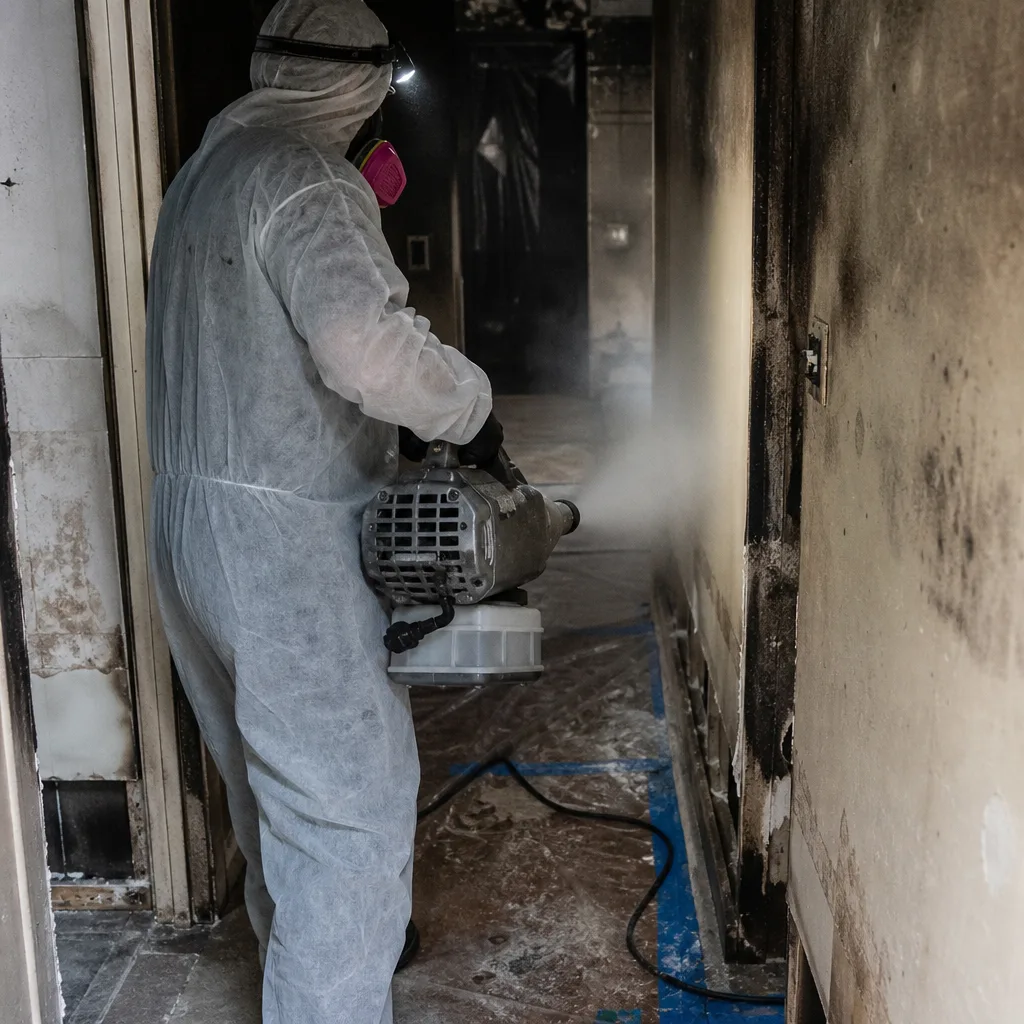
The contractor you choose determines the documentation you receive, and the documentation you receive determines your reimbursement. Here’s what to verify before signing any agreement, with specific questions to ask:
| Verification Item | What to Ask | What Good Looks Like |
|---|---|---|
| Written price before work begins | “Will you give me a signed written price before any equipment is placed or demolition begins?” | A scope document with line items, unit prices, and total, signed by both parties. At DryMark Restoration Anaheim, this is Haven Standard, Clause 1 - no exceptions since 2011. |
| Daily drying logs | “Can I see a sample drying log from a recent job?” | Multi-page document with psychrometric data, equipment serials, moisture readings by location, and technician certification numbers. |
| Photo documentation standard | “How many photos do you take per visit, and how do I receive them?” | Minimum 10-15 photos per visit, wide and detail, date-stamped, delivered in a shared folder or bound report. |
| Insurance coordination | “Will you bill my insurer directly, and do you coordinate with adjusters?” | Direct billing with adjuster conference calls, scope alignment meetings, and supplemental documentation as needed. |
| Equipment specifications | “What brands and models of dehumidifiers and air movers do you use?” | Named professional equipment: Phoenix, Dri-Eaz, XPOWER, B-Air, Injectidry - not hardware-store fans and residential dehumidifiers. |
| Warranty | “What warranty do you provide, and is it in writing?” | A signed document with specific terms, duration, and remediation procedures. Our 365-Day Done Right Promise is a written guarantee under The Haven Standard, not a verbal assurance. |
| Second opinion policy | “If I already have an estimate, will you review it at no charge?” | Free written review with specific points of agreement or concern. We offer this on any competitor’s written estimate. |
Red flags that should disqualify a contractor: refusal to provide a written price before work begins, pressure to sign an open-ended authorization, use of unmarked or personal vehicles, inability to name their moisture meter manufacturer, or any suggestion that you should “just let them handle the insurance” without your involvement in documentation review.
Cost Breakdown by Damage Type in Anaheim
Pricing in Anaheim reflects Orange County’s labor rates, permit requirements, and the specific challenges of the city’s housing stock. These ranges represent what we’ve charged and seen charged for properly documented, IICRC-compliant work. Prices below these ranges typically indicate corners cut in documentation, equipment, or labor verification.
Water Damage Mitigation (Class 1-2, no reconstruction)
- Small area extraction and drying (up to 150 sq ft): $2,800-$4,200
- Whole-house drying with LGR dehumidification: $5,500-$8,500
- Category 3 (sewage) with full PPE and antimicrobial: $7,500-$12,000
- Contents manipulation and pack-out: $1,200-$3,500 additional
Mold Remediation
- Localized removal (<10 sq ft visible growth): $4,200-$6,800
- Whole-room containment and remediation (100-300 sq ft): $8,500-$15,000
- Full crawlspace or attic remediation with air scrubbing: $12,000-$22,000
- Post-remediation verification testing: $650-$1,200
Fire and Smoke Damage
- Light smoke odor and surface cleaning: $3,500-$7,500
- Moderate damage with structural drying and contents cleaning: $15,000-$35,000
- Major damage with reconstruction: $45,000-$120,000+
Reconstruction (per square foot, mid-grade finishes)
- Drywall replacement and painting: $8-$14/sq ft
- Flooring replacement (LVP over concrete slab): $12-$18/sq ft installed
- Kitchen cabinetry and countertop replacement: $18,000-$35,000
These are Anaheim-specific ranges. We’ve priced jobs in the Platinum Triangle condos where parking access restrictions added 15% to labor costs, and in the Anaheim Hills where steep driveways required specialized equipment staging. A written price before work begins, with these variables identified, prevents the scope creep that turns a manageable claim into a financial crisis.
The Documentation Deliverables You Should Receive
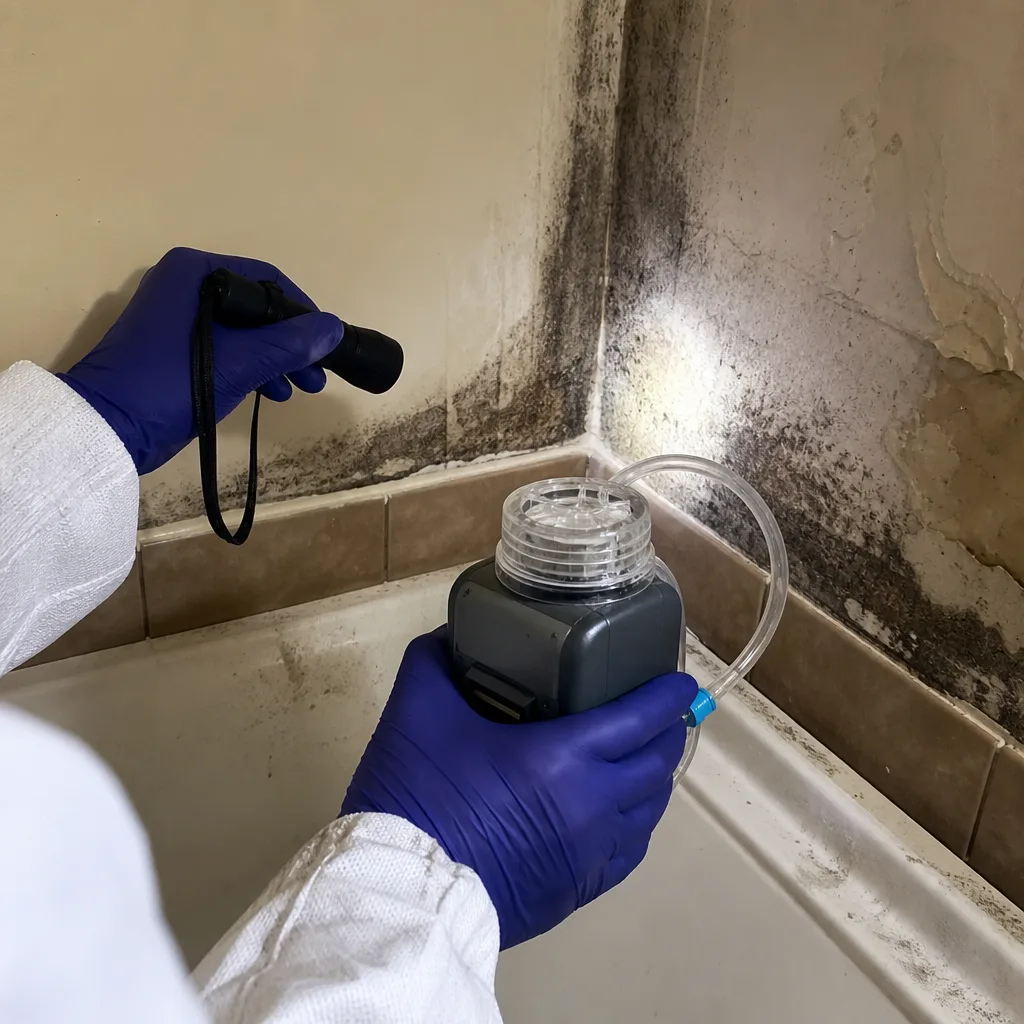
When the crew leaves, you should have a complete file that any adjuster, attorney, or subsequent contractor can review and understand without calling anyone. This is the standard we apply to every job under The Haven Standard. Here’s what that file contains:
Initial documentation package
- Written scope with line-item pricing, signed before work began (Haven Standard, Clause 1)
- Photo record of pre-existing conditions, with date stamps and room labels
- Moisture detection report showing affected areas, meter types, and initial readings
- Equipment placement diagram with serial numbers and airflow calculations
Daily documentation (for each visit)
- Drying log with psychrometric data, moisture readings, and equipment adjustments
- Photo record of progress, minimum 10 images per visit
- Any scope amendments with customer signature and price impact
Final documentation package
- Certificate of dryness with final moisture readings and comparison to goals
- Equipment retrieval receipt with serial numbers and dates
- Final photo record showing completed work
- 365-Day Done Right Promise signed warranty
- Invoice with line items matching the approved scope
We’ve had Anaheim homeowners use this documentation package to resolve disputes two years after the original job, when new buyers questioned prior repairs. We’ve had it support supplemental claims when hidden damage emerged during reconstruction. The documentation doesn’t just get you paid. It protects your property value.
Common Mistakes to Avoid
- Signing an open-ended work authorization. This gives the contractor unlimited billing rights and removes your leverage for scope disputes. Always require a written price before work begins.
- Accepting “dry to the touch” as completion. Drywall can feel dry at 20% moisture content and still support mold growth. Demand meter readings against established standards.
- Letting the insurer’s preferred contractor control all documentation. You have the right to independent documentation. A contractor who won’t share daily logs with you is hiding something.
- Ignoring Anaheim’s clay soil conditions. A contractor who dries the interior without addressing slab moisture will face recurring problems. Ask how they’ll monitor and document sub-slab conditions.
- Mixing mitigation and reconstruction on one invoice. This creates payment delays and lien complications. Insist on separate scopes and separate billing.
- Discarding documentation after payment. California’s statute of limitations for construction defects is 4 years for patent defects, 10 years for latent defects. Keep your file for at least a decade.
- Assuming insurance covers everything. Review your policy for sub-limits (mold caps, sewer backup exclusions, ordinance-and-law limitations) before work begins, not after the invoice arrives.
When to Call a Professional
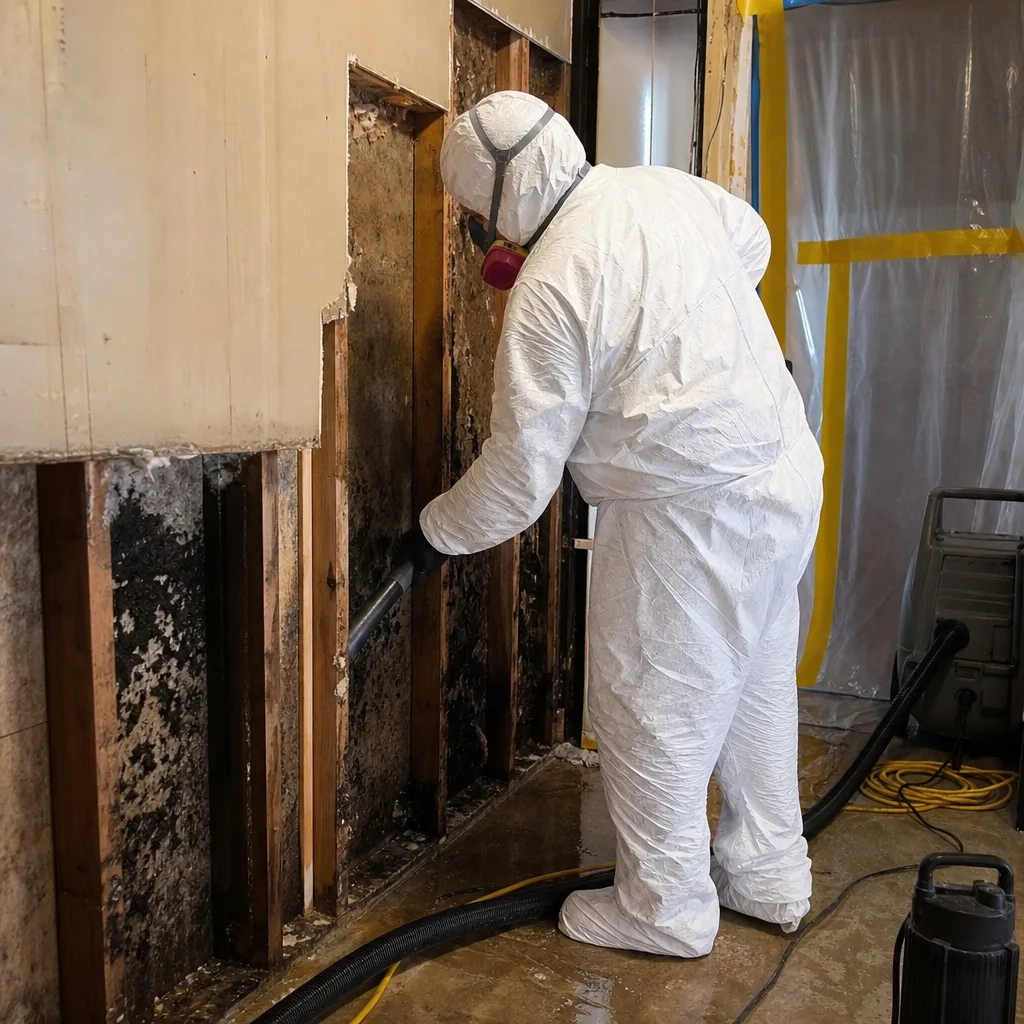
Some situations demand immediate professional response, not because a homeowner can’t attempt mitigation, but because the documentation requirements for insurance reimbursement begin at the first hour. Call a professional restoration contractor when:
- Water has affected drywall, insulation, or subflooring - surface drying won’t reach these materials
- Any water has been standing for more than 24 hours, or you can’t determine when the leak began
- You smell musty or earthy odors, especially in Anaheim’s older homes where mold can colonize wall cavities before visible growth appears
- Sewage, gray water from appliances, or any Category 2-3 contamination is involved
- Fire or smoke damage has occurred - smoke residues are acidic and cause progressive damage to electronics, metal fixtures, and painted surfaces
- You need to file an insurance claim and want documentation that will survive adjuster review
DryMark Restoration Anaheim offers free estimates in Anaheim - call (909) 525-4167. We also provide free second opinions on any competitor’s written estimate, with specific documentation of where their scope may be insufficient or their pricing unsupported. Browse more guides & resources on navigating insurance claims and protecting your property.
Frequently Asked Questions
Water damage mitigation in Anaheim typically ranges from $2,800 for small, contained areas to $12,000 for whole-house Category 3 flooding with contents manipulation. Reconstruction costs are additional and depend on finish selections. Call (909) 525-4167 for a written price before any work begins - estimates are free.
It depends on the cause. Sudden water damage that is promptly reported and mitigated often includes resulting mold coverage, but policies vary in mold caps (commonly $10,000) and may exclude mold from long-term leaks or maintenance issues. We document the water source and timeline to support coverage arguments. Call (909) 525-4167 to review your specific situation.
For emergency water and fire damage, DryMark Restoration Anaheim maintains live phone coverage 24 hours a day, 7 days a week with no voicemail on emergency lines. Response time depends on current dispatch load and your location within Anaheim, but we prioritize standing water and active leaks because damage spreads while you wait. Reconstruction work is scheduled, not dispatched, and is scoped in writing before scheduling.
For areas under 10 square feet with no HVAC involvement and no underlying moisture problem, DIY cleaning with appropriate PPE may be adequate. For larger areas, hidden growth, or any situation involving insurance documentation, professional remediation with containment, negative air pressure, and post-remediation verification is necessary. The cost of inadequate remediation - recurring growth, health complaints, claim denial - far exceeds proper initial treatment.
A moisture meter reading is a single data point: “drywall at 18% MC.” A drying log is a time-series record showing how that reading changed, what equipment produced the change, and whether the drying goal was achieved on schedule. Adjusters pay for drying logs, not meter readings, because logs prove the work was necessary and effective.
Both. You are the policyholder and have the right to direct all communications. A qualified contractor should coordinate with your adjuster on technical scope matters - equipment justification, drying duration, material classifications - while keeping you informed and in control. Never sign over your claim rights to a contractor. At DryMark Restoration Anaheim, we conference with adjusters at your request and provide all documentation to you directly.
The Bottom Line
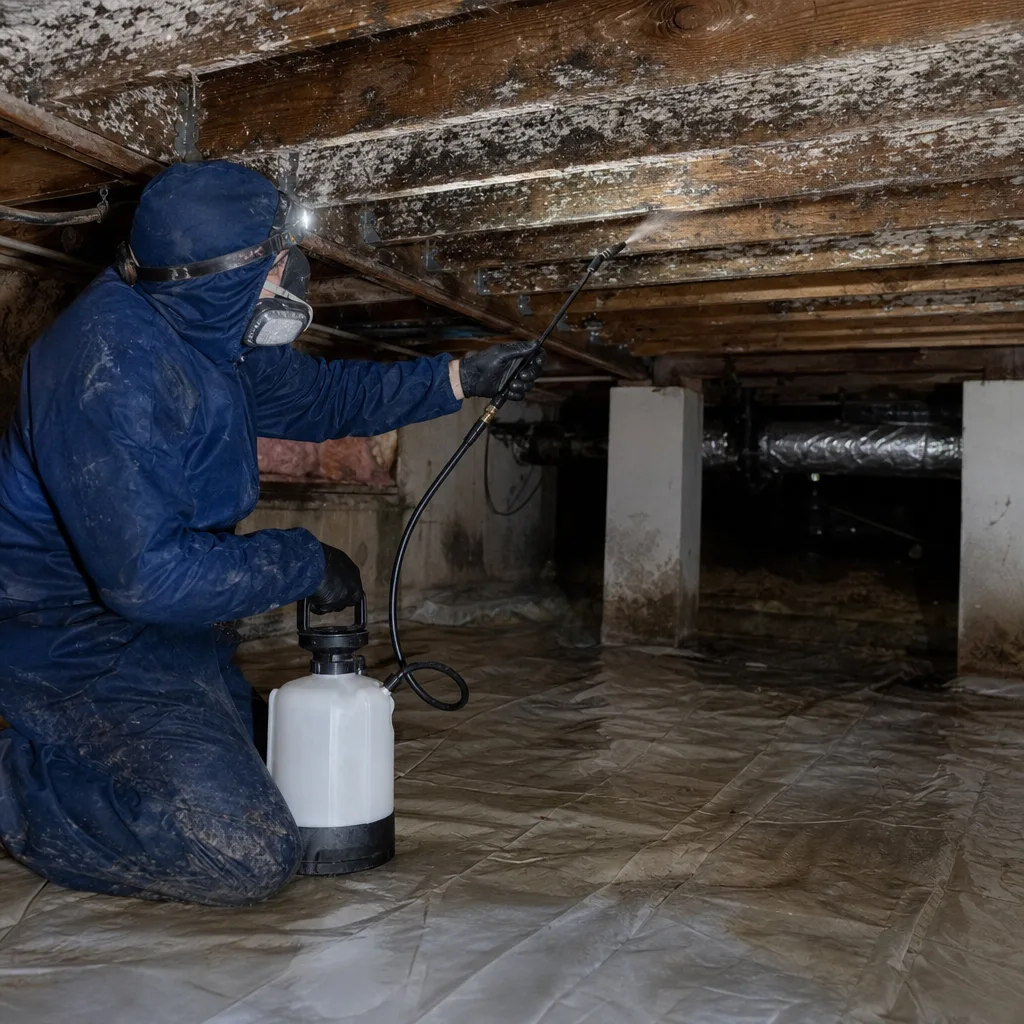
Damage restoration in Anaheim is a documentation discipline disguised as a construction trade. The contractor who extracts water fastest or tears out drywall neatest still leaves you exposed if their paperwork can’t prove the work to an adjuster’s standards. The specific risks of Anaheim’s clay soil and aging housing stock make local expertise essential - a contractor who doesn’t understand capillary rise from expansive soil or polybutylene failure patterns will misdiagnose, under-document, and undercharge or overcharge.
The protections are straightforward: written price before work begins, daily drying logs with psychrometric data and equipment serials, photo records on every visit, and a written warranty with specific terms. These aren’t marketing promises. They’re the documentation standard that turns restoration invoices into paid claims. We’ve built our practice on this standard since 2011, and we’ve seen it protect Anaheim homeowners through audits, disputes, and resale.
Call (909) 525-4167 for a free estimate or free second opinion on any written estimate. We’ll show you what the documentation should look like before you commit to any contractor.
Written by Alicia Brennan, Owner at DryMark Restoration Anaheim, serving Anaheim since 2011.