
Last updated September 23, 2026
Free visual inspection and a written scope of work before any mitigation begins - photos, moisture readings, and drying logs go in your claim file
The scope we write is the scope we bill. Anything new gets shown to you, in writing, before we touch it.
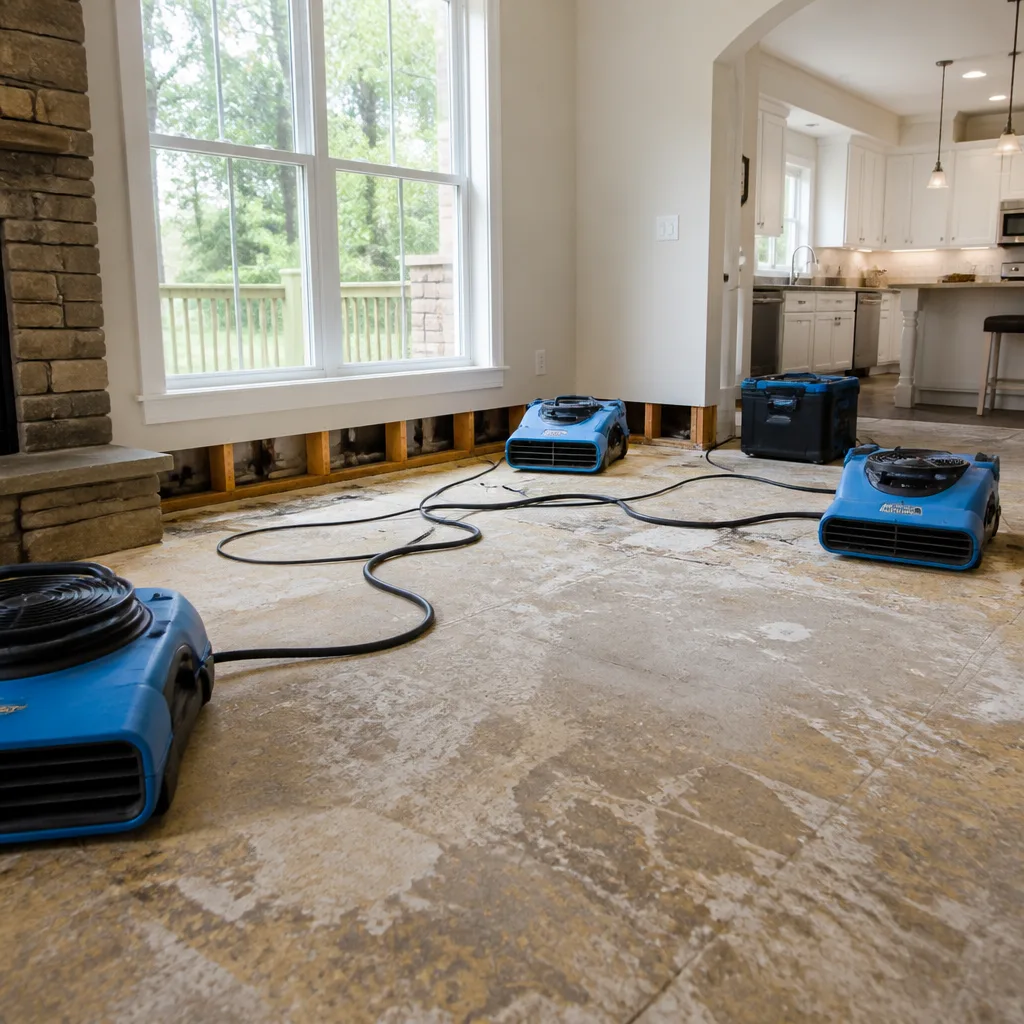
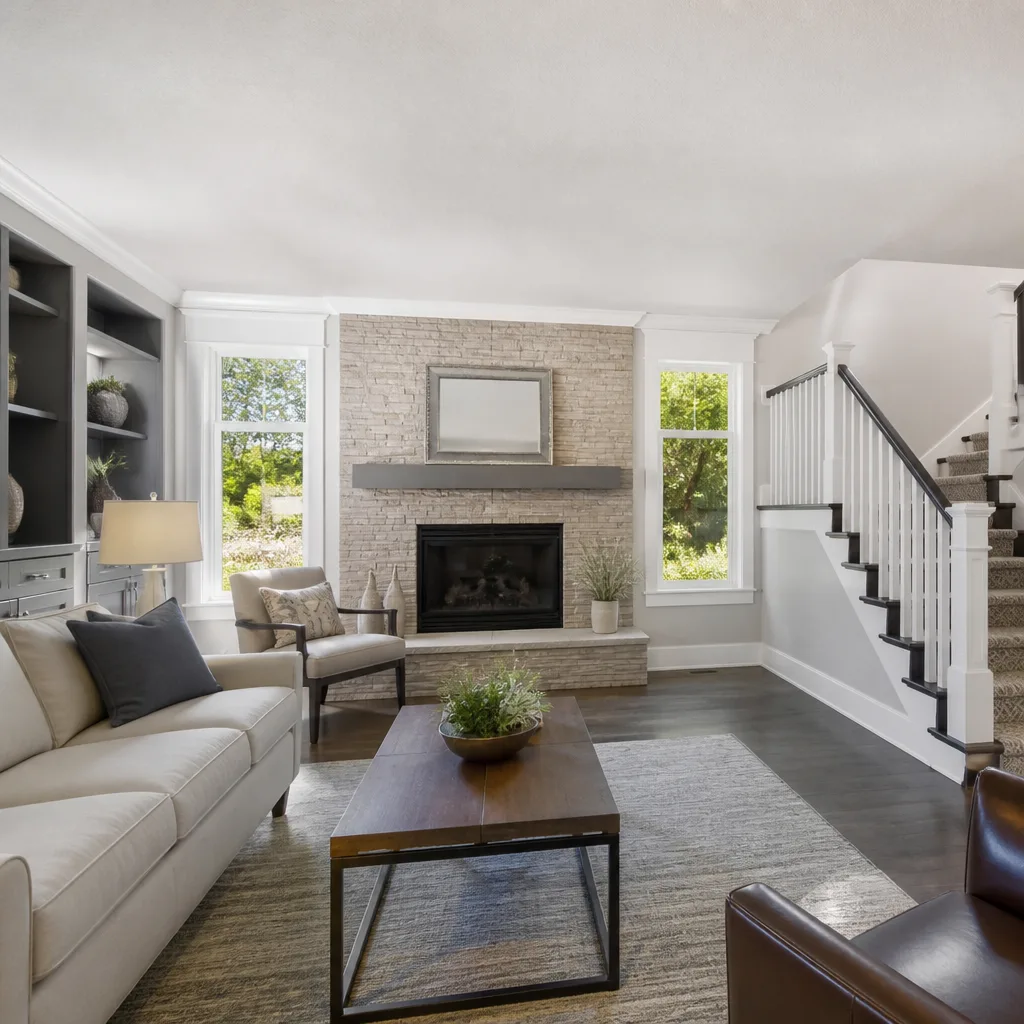
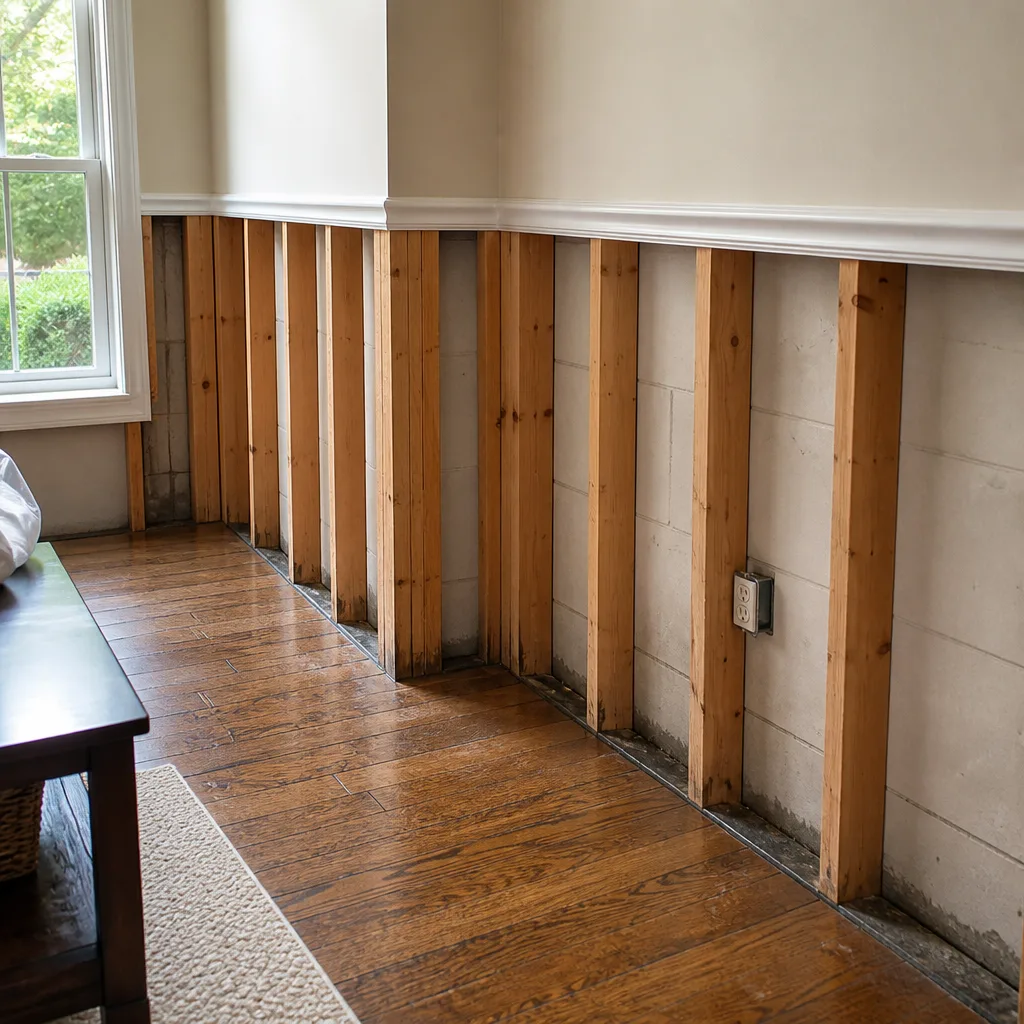
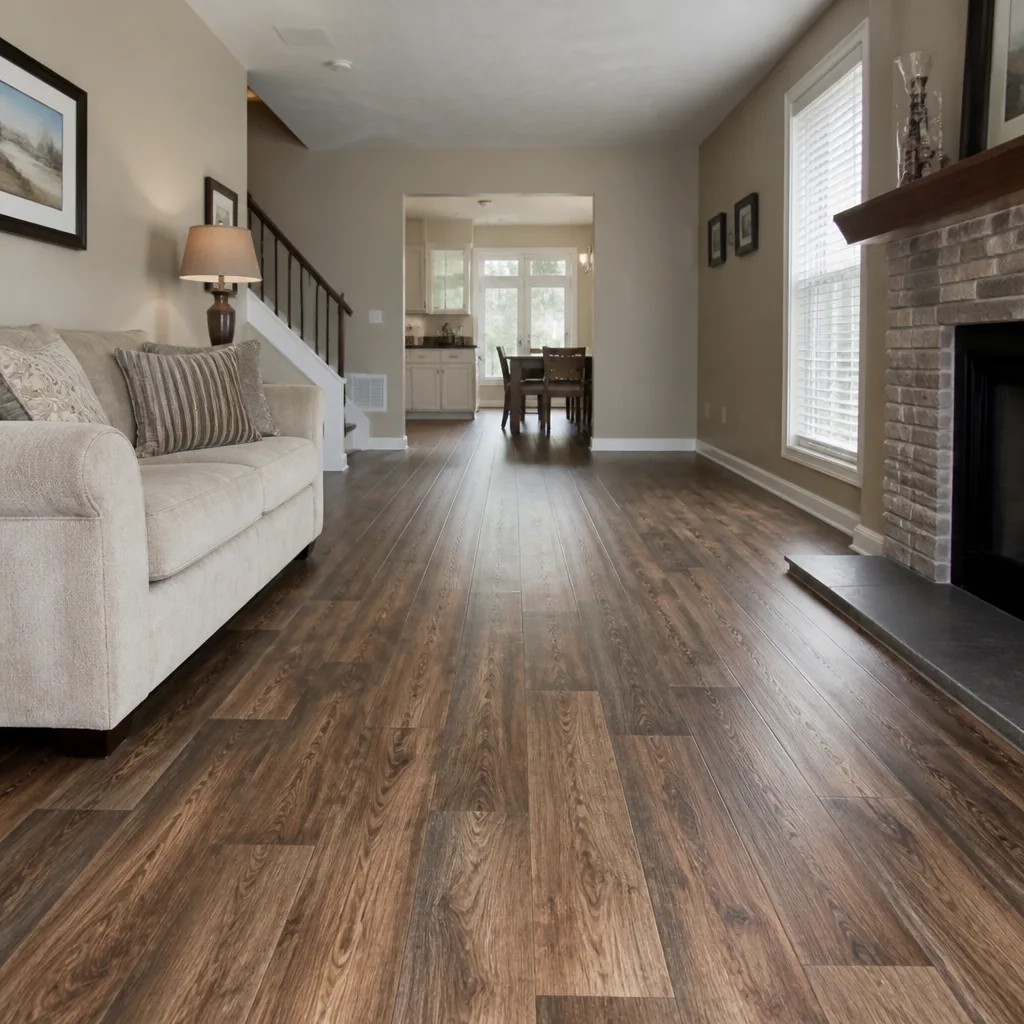
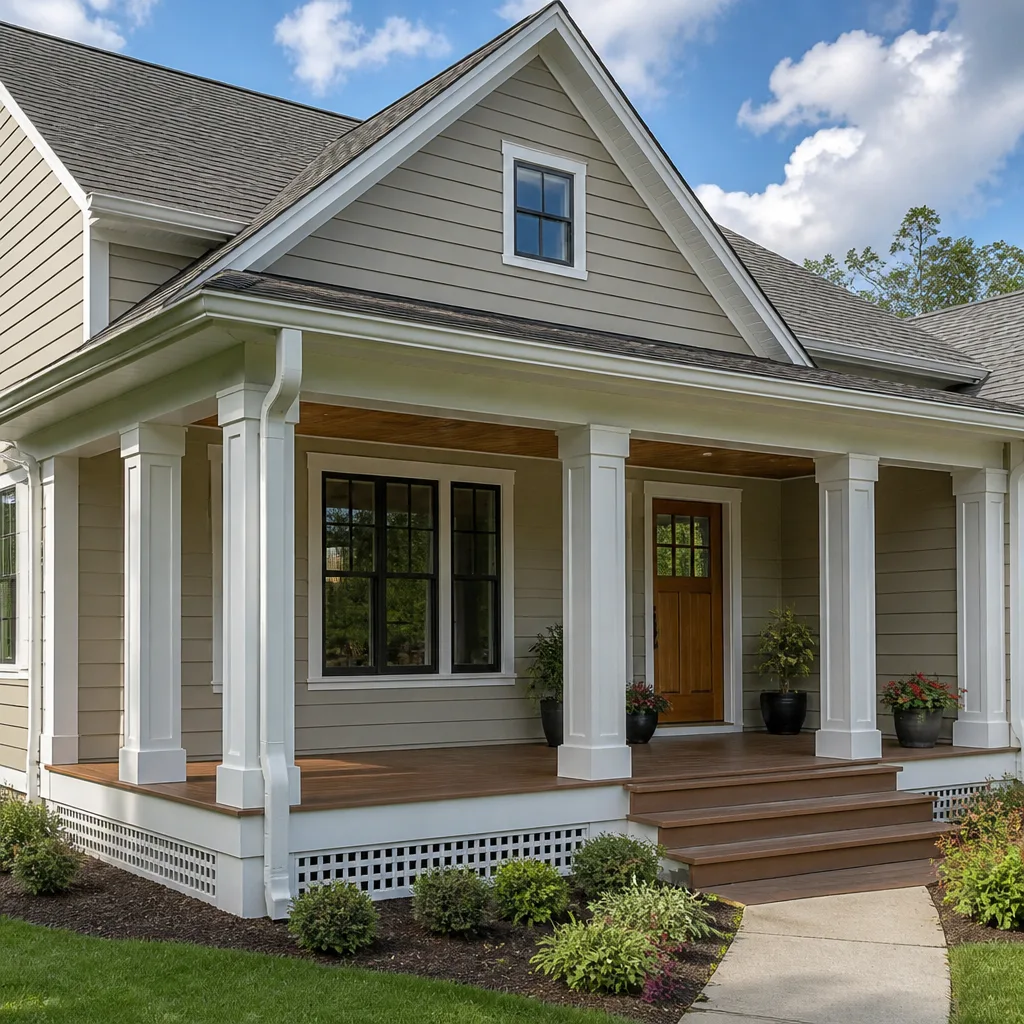
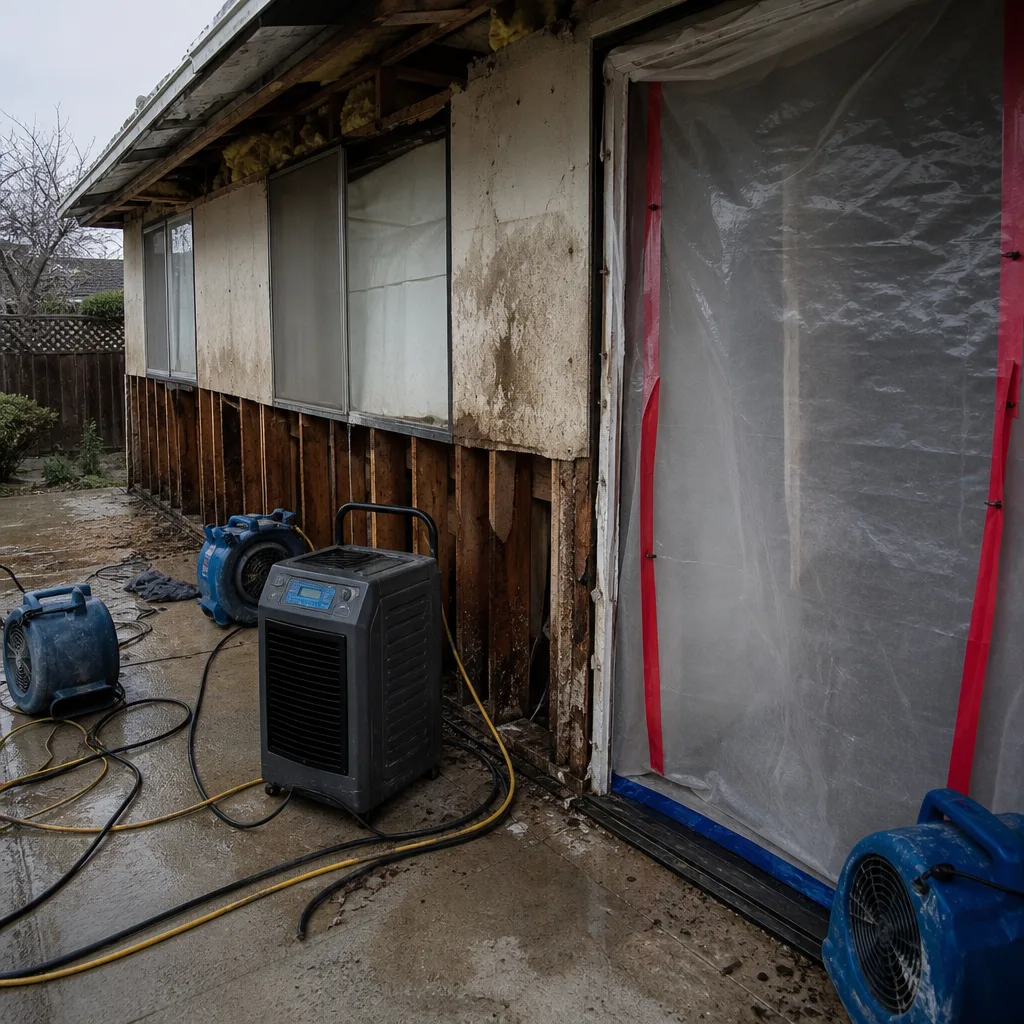 Before
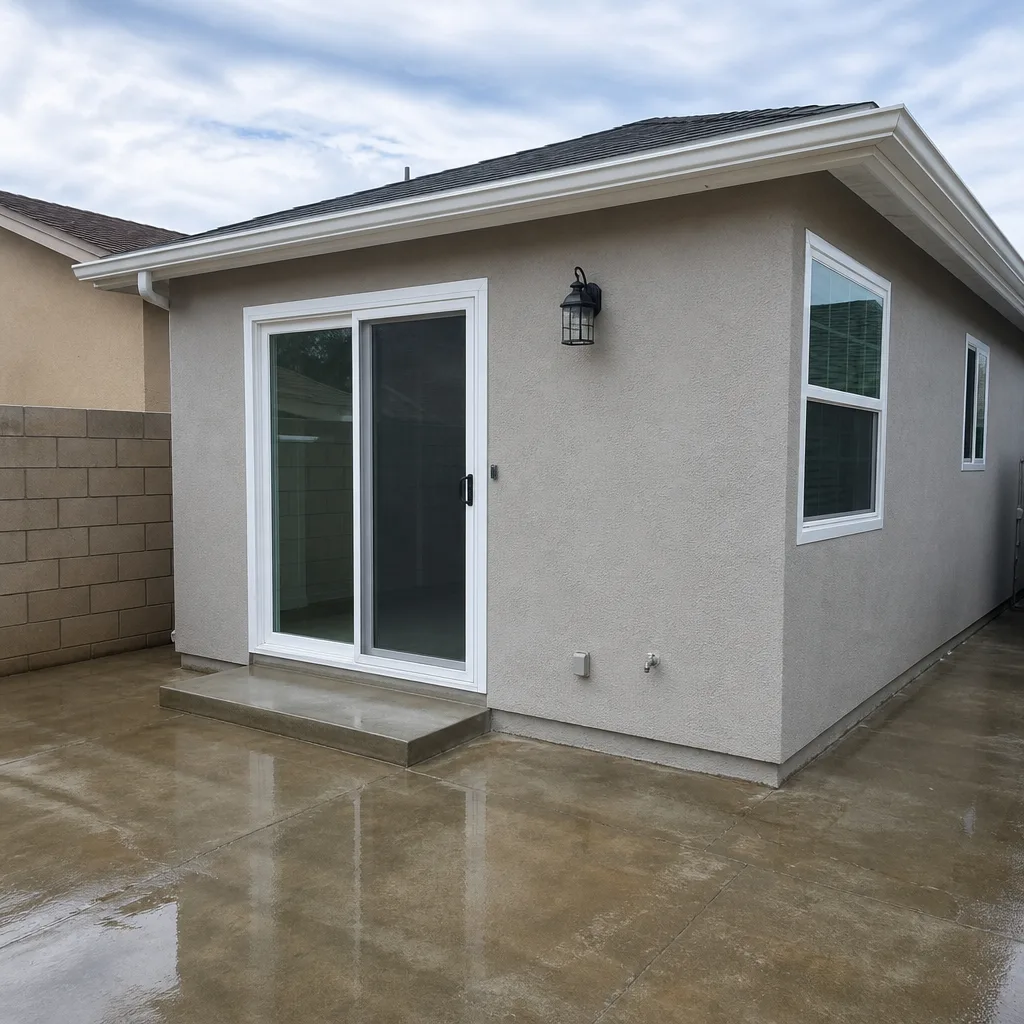 After
After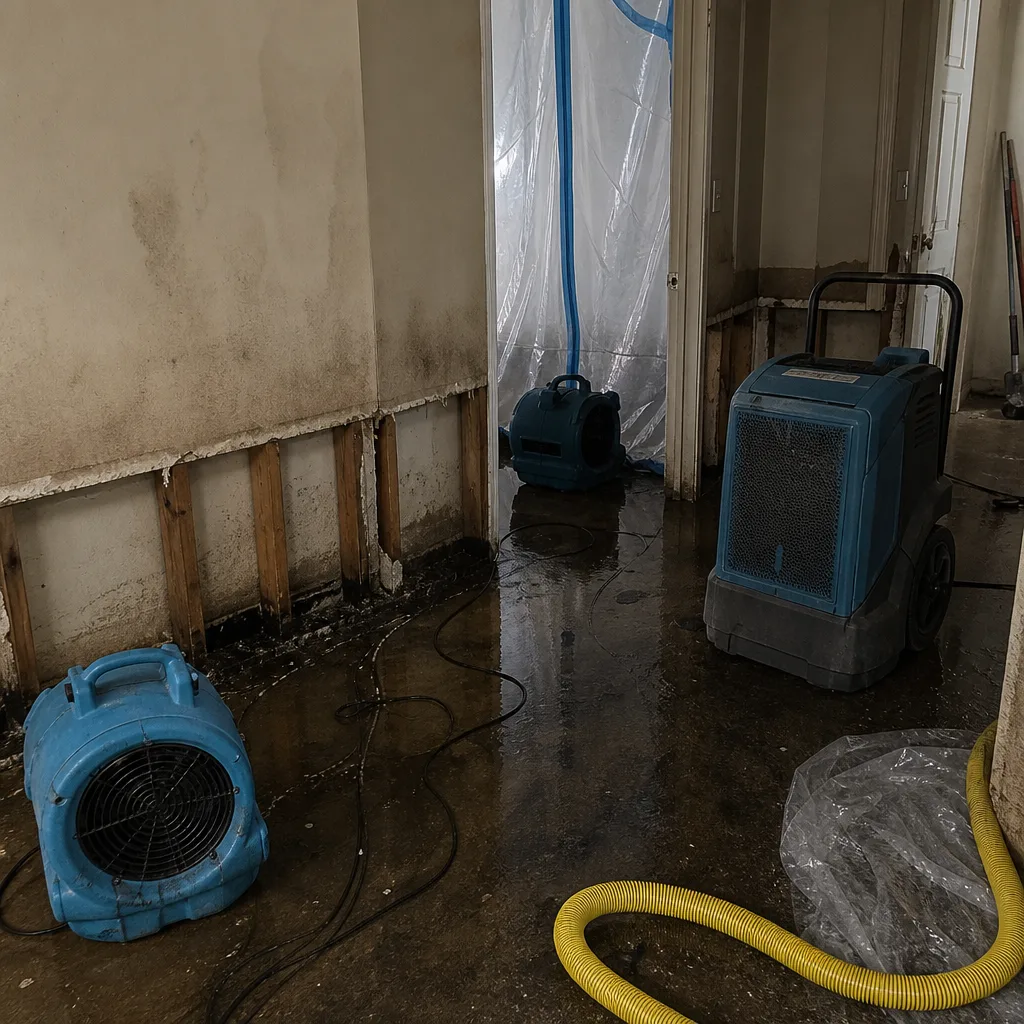 Before
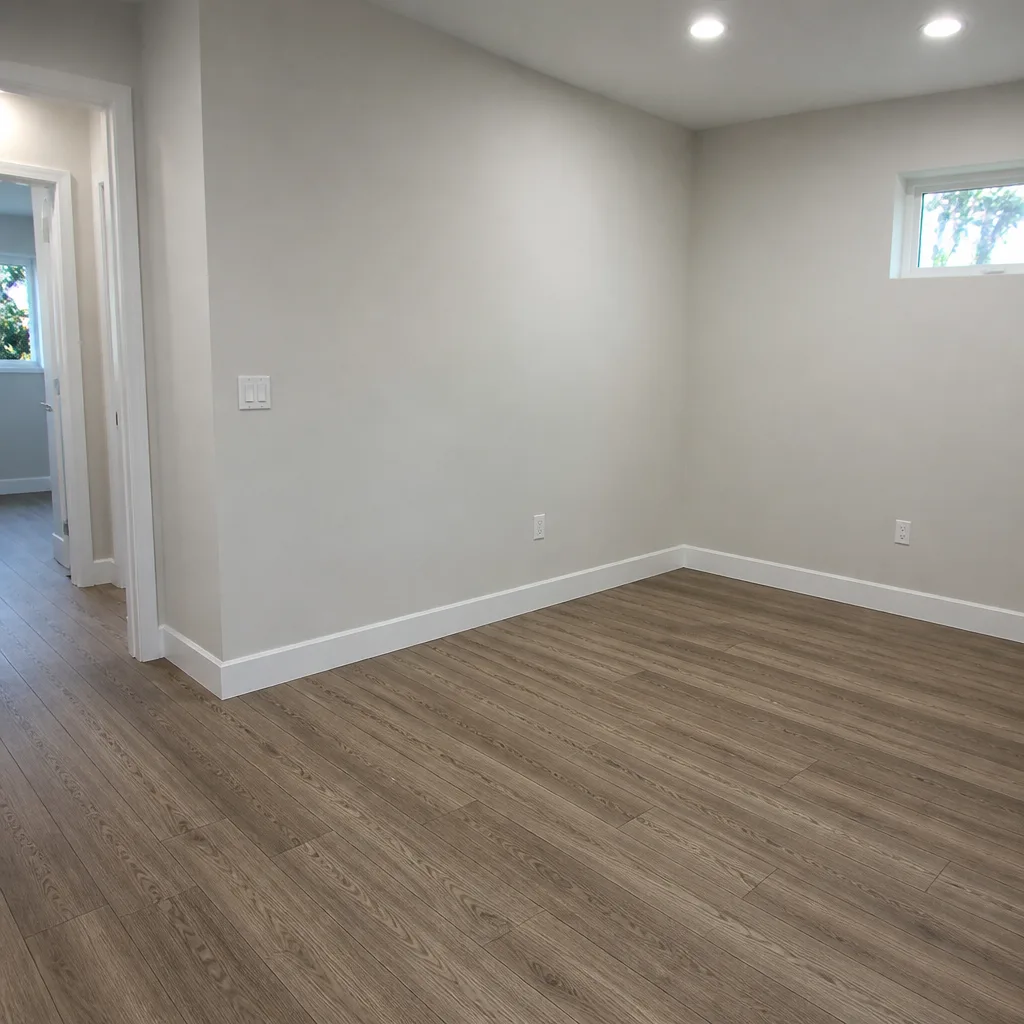 After
After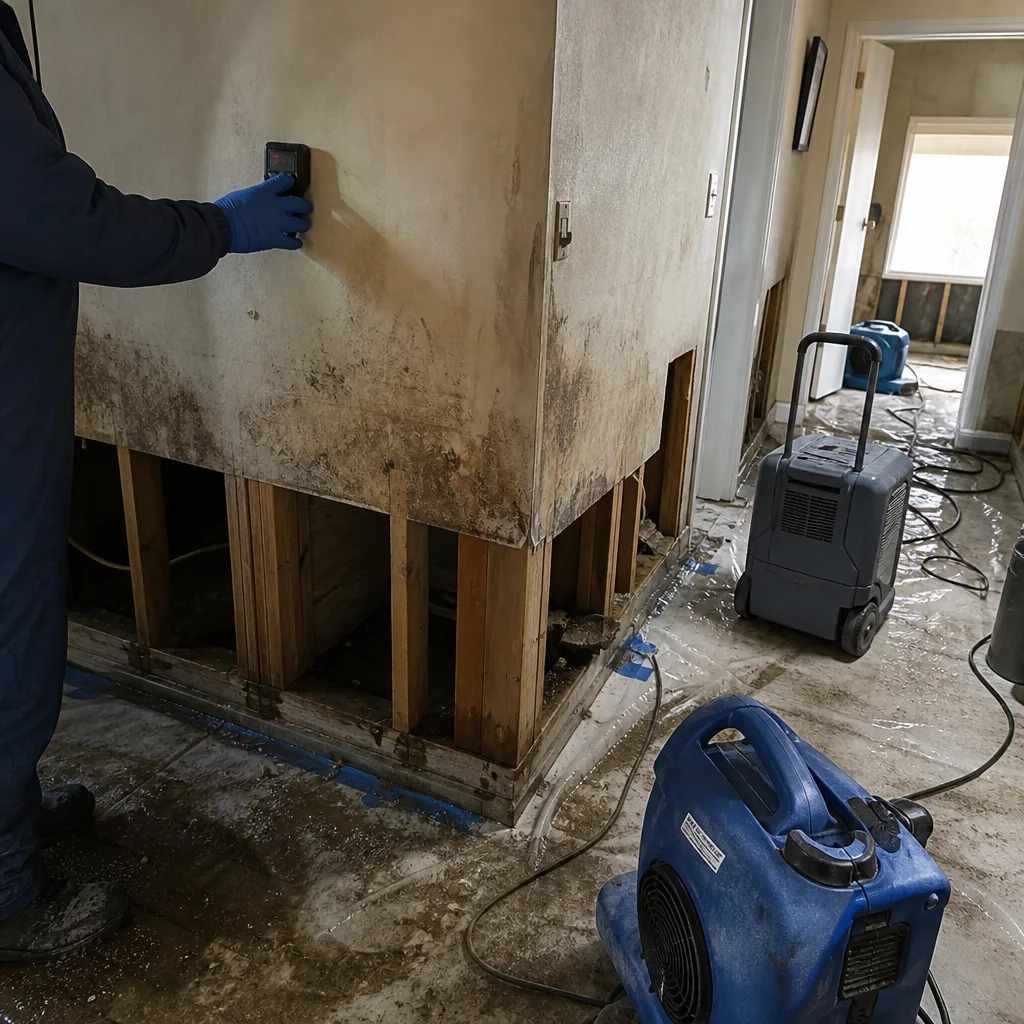 Before
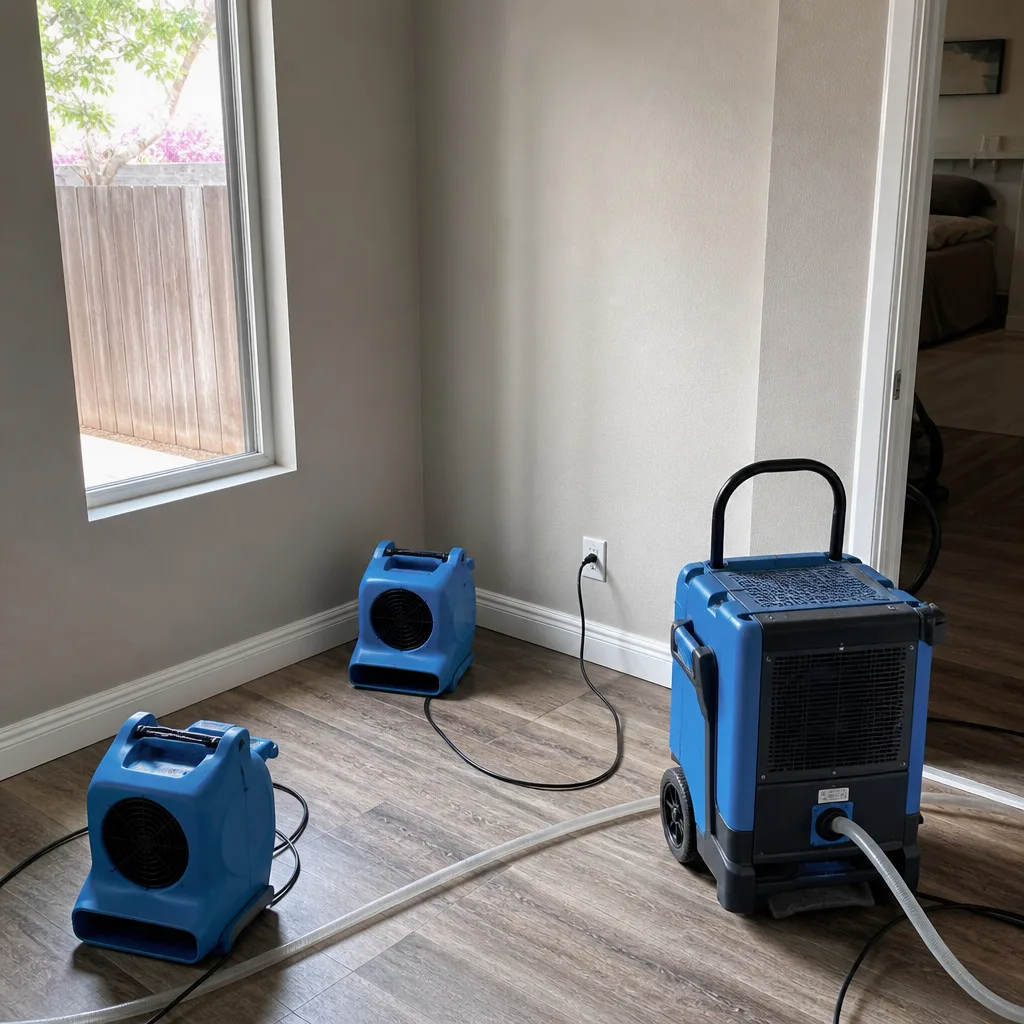 After
AfterDIY vs Professional Damage Restoration: The Anaheim Homeowner’s Decision Guide
A California homeowner can rent three consumer dehumidifiers from a big-box store, run them for five days, and dry a flooded Anaheim bathroom to the touch - and still have their insurance claim denied for every dollar of mitigation cost. The adjuster’s reason is not that the drying failed. It is that the homeowner has no third-party moisture logs, no equipment calibration records, and no documented proof that drying goals were reached. In our experience reviewing claims across Orange County since 2011, this scenario plays out more often than total drying failures. This guide - alongside our step-by-step guide to hiring a damage restoration contractor in Anaheim - explains when DIY damage restoration is genuinely defensible in Anaheim, when it creates more liability than it saves, and what documentation actually satisfies an insurer’s proof-of-loss standard.
Quick Answer
DIY water damage restoration is defensible in Anaheim only for small, contained Category 1 clean-water events with no subfloor, wall cavity, or HVAC involvement, and only if you document moisture readings daily with calibrated equipment. For Category 2 or 3 water, any hidden cavity moisture, rental properties, or insurance claims, professional restoration is required - both for technical scope and for the documented drying logs that insurers demand for reimbursement.
Table of Contents
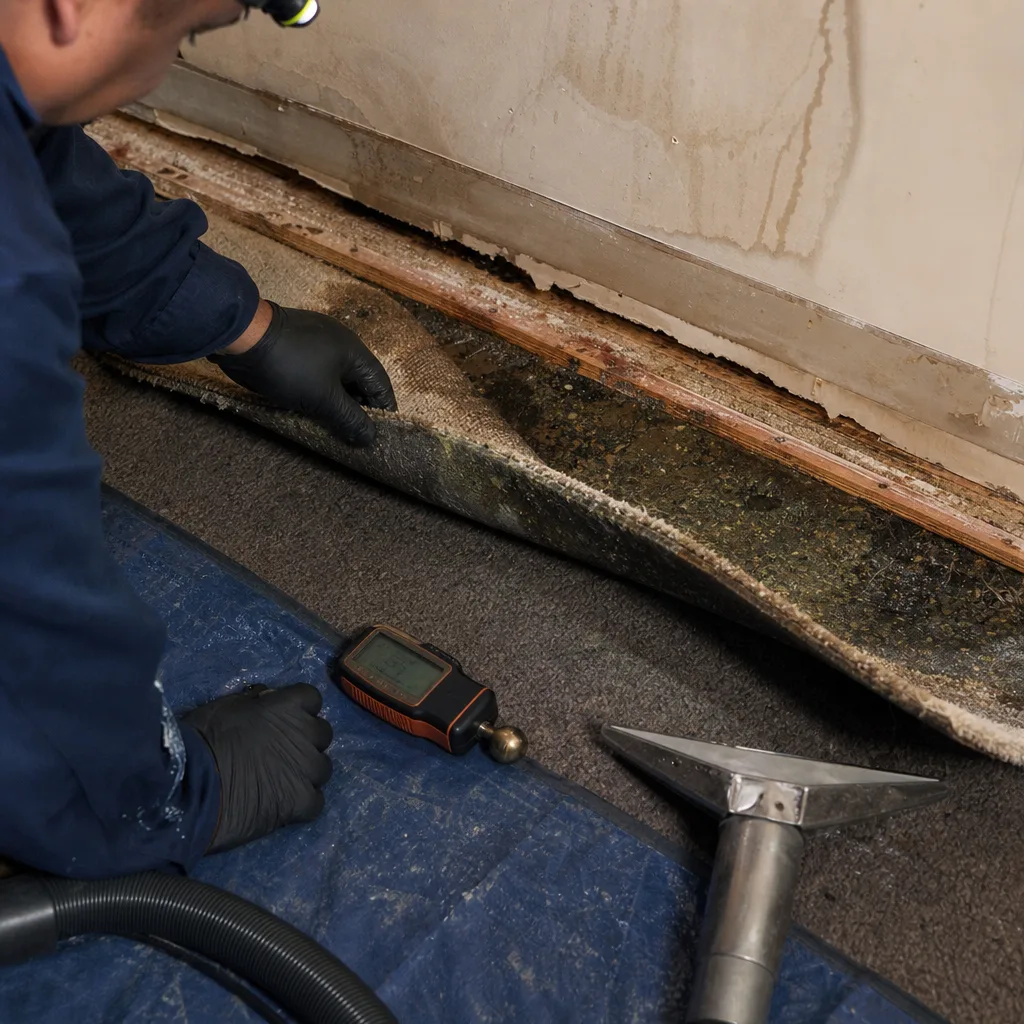
- The Documentation Gap That Denies Claims
- Three DIY-Defensible Scenarios
- Four Scenarios Where DIY Creates Liability
- California Licensing and the Unlicensed Contractor Trap
- The Hidden Cost of Incomplete Drying
- You’ve Already Started DIY - Now What?
- Consumer Equipment vs. Professional Systems
- When to Call a Professional
 Before
 After
AfterThe Documentation Gap That Denies Claims
The question is not whether you can dry wet drywall. Most motivated homeowners can. The question is whether you can produce documentation that survives an insurer’s proof-of-loss review - and that bar is higher than rental counter staff explain.
Here is what a standard homeowners policy requires for mitigation reimbursement:
- Baseline moisture content readings for every affected material, recorded in percentage by weight or relative humidity, with the meter make and model noted
- Daily psychrometric data - temperature, relative humidity, and specific humidity - taken at consistent locations and times
- Equipment placement logs showing dehumidifier capacity in pints per day, air mover CFM, and square footage each unit serves
- Calibration records for all measurement devices, typically annual, from a traceable standard
- Drying goal documentation proving materials returned to within 2-4 percentage points of dry standard for that material class
- Photo record with timestamps showing condition at arrival, during work, and at completion
Consumer-grade dehumidifier rentals from hardware stores produce receipts. They do not produce calibrated moisture logs, equipment specification sheets, or technician certification numbers. A receipt for a $45/day rental is not proof of drying performance. In our work across Anaheim neighborhoods from The Colony to Anaheim Hills, we have reviewed hundreds of denied claims where the homeowner’s drying was technically adequate but documentation was absent.
The DryMark Restoration Anaheim home process begins with a written scope and price before any equipment runs - Haven Standard, Clause 1 - precisely because we have seen what undocumented drying costs at claim time. Our daily drying logs, recorded to IICRC standards with calibrated meters, become the documentation package that turns restoration invoices into payable claims.
Psychrometric data, for readers unfamiliar: this is the measurement of how air holds moisture at specific temperatures. A room at 72°F and 60% relative humidity feels dry to skin but still holds enough vapor to sustain mold growth in wall cavities. Professional drying targets specific humidity ratios, not comfort. Without a hygrometer calibrated to NIST-traceable standards and the training to interpret readings, a homeowner cannot document that target achievement.
Three DIY-Defensible Scenarios
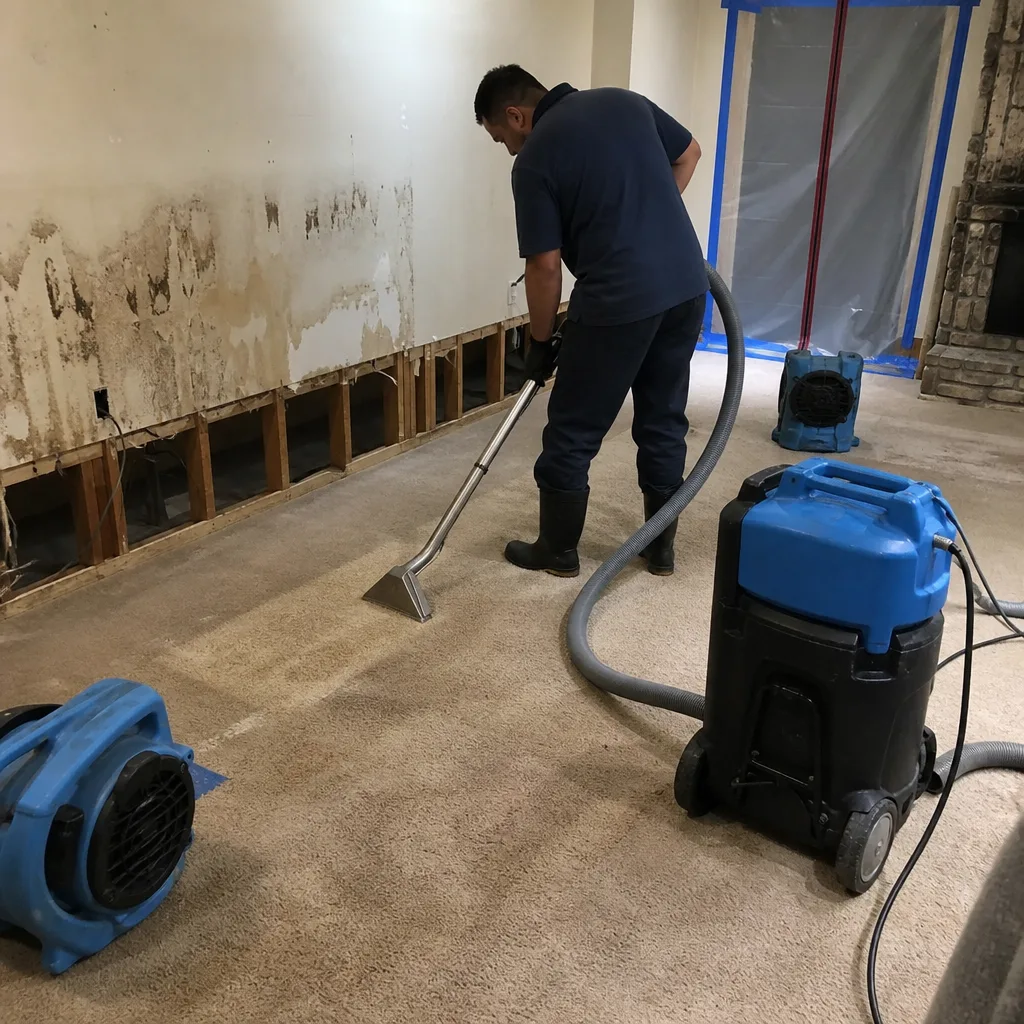
DIY water damage restoration is not universally reckless. Three specific scenarios exist where a prepared homeowner can manage the work without creating claim or liability problems.
Scenario 1: Small, Contained Category 1 Clean Water
Category 1 water is clean tap water, broken supply line, or rainwater with no contamination. The event is DIY-defensible when:
- Total affected area is under 10 square feet of floor space
- Water contacted only hard, non-porous surfaces - tile, sealed concrete, vinyl plank - with no carpet, pad, or drywall involvement
- No water traveled under baseboards or into wall cavities
- Source is stopped and will not recur
- No HVAC registers, returns, or ductwork were in the splash zone
- You own the property (not a rental - see licensing section below)
- You do not intend to file an insurance claim for mitigation
In these cases, a wet-dry vacuum, mop, and household fans may suffice. Document with dated photos anyway. If mold appears in 30 days, you will need evidence of prompt response.
Scenario 2: Minor Carpet Spill with Immediate Extraction
A broken fish tank, overturned bucket, or similar limited spill on synthetic carpet with no pad, extracted within hours. The carpet must be lifted, air circulated underneath, and moisture meter readings taken at 24 and 48 hours. If readings climb above 16% wood moisture equivalent, professional drying is indicated.
Scenario 3: Exterior Water Intrusion with Verified Containment
Wind-driven rain through a window left open, fully contained to the sill and immediate floor, with no wall penetration verified by removing baseboard and inspecting with a borescope or by touch. Anaheim’s Santa Ana wind events can drive rain horizontally through seemingly closed windows; our seasonal damage restoration care guide for Anaheim covers how to prepare for these conditions, and the key is verifying that water did not reach the wall cavity.
Even in these defensible scenarios, we recommend calling for a Water Damage Restoration in Anaheim assessment if any uncertainty exists about cavity moisture. Our free second opinion on any competitor’s written estimate applies to self-assessments too - bring your moisture readings and photos, and we will review them at no charge.
Four Scenarios Where DIY Creates Liability
Four water damage scenarios common in Anaheim create legal, financial, or health liability for DIY attempts. The risk is not drying failure alone; it is the compound effect of incomplete work, undocumented process, and policy exclusions that trigger when mold or secondary damage appears.
Scenario 1: Any Category 2 or 3 Water Event
Category 2 water contains significant contamination - dishwasher discharge, washing machine overflow, sump pump failure. Category 3 is grossly contaminated - sewage, seawater, rising groundwater, or water that has dwelled long enough to support bacterial growth. Both categories require antimicrobial treatment, specialized PPE, and documented decontamination protocols that homeowner’s insurance policies explicitly limit to licensed professionals. DIY Category 2/3 mitigation is virtually never reimbursable and may void coverage for related mold claims.
Scenario 2: Subfloor Involvement
Water that reaches plywood or OSB subflooring cannot be surface-dried. The material acts as a reservoir, wicking moisture laterally across joist bays. In Anaheim’s mild climate, subfloor moisture above 20% wood moisture content supports mold growth within 72 hours. Detection requires pin-type moisture meters with insulated probes long enough to penetrate flooring materials. Consumer meters with 3/4-inch probes cannot reach subflooring through carpet pad, hardwood, or tile underlayment.
Scenario 3: Wall Cavity Moisture
Baseboards hide the gap between drywall and slab. Water travels there by capillary action, then wicks upward into insulation and framing. Cavity drying requires injection drying systems - Injectidry-style equipment that forces dry air into wall voids through small access holes - or controlled demolition and reconstruction. Consumer equipment cannot generate the static pressure or directed airflow required. In our Anaheim work, we regularly find cavity moisture readings of 30%+ wood moisture equivalent in walls that feel dry to exterior touch, particularly in stucco-clad homes where the exterior skin traps vapor.
Scenario 4: Any HVAC Contact
Water entering ductwork, registers, or air handlers creates immediate cross-contamination risk. The HVAC system becomes a distribution network for mold spores and bacteria. Duct cleaning after water contact requires NADCA or IICRC-certified technicians with negative air machines and HEPA filtration. DIY duct cleaning with household vacuums aerosolizes contamination rather than containing it. Most insurers require professional HVAC assessment after any water contact before authorizing system restart.
California Licensing and the Unlicensed Contractor Trap
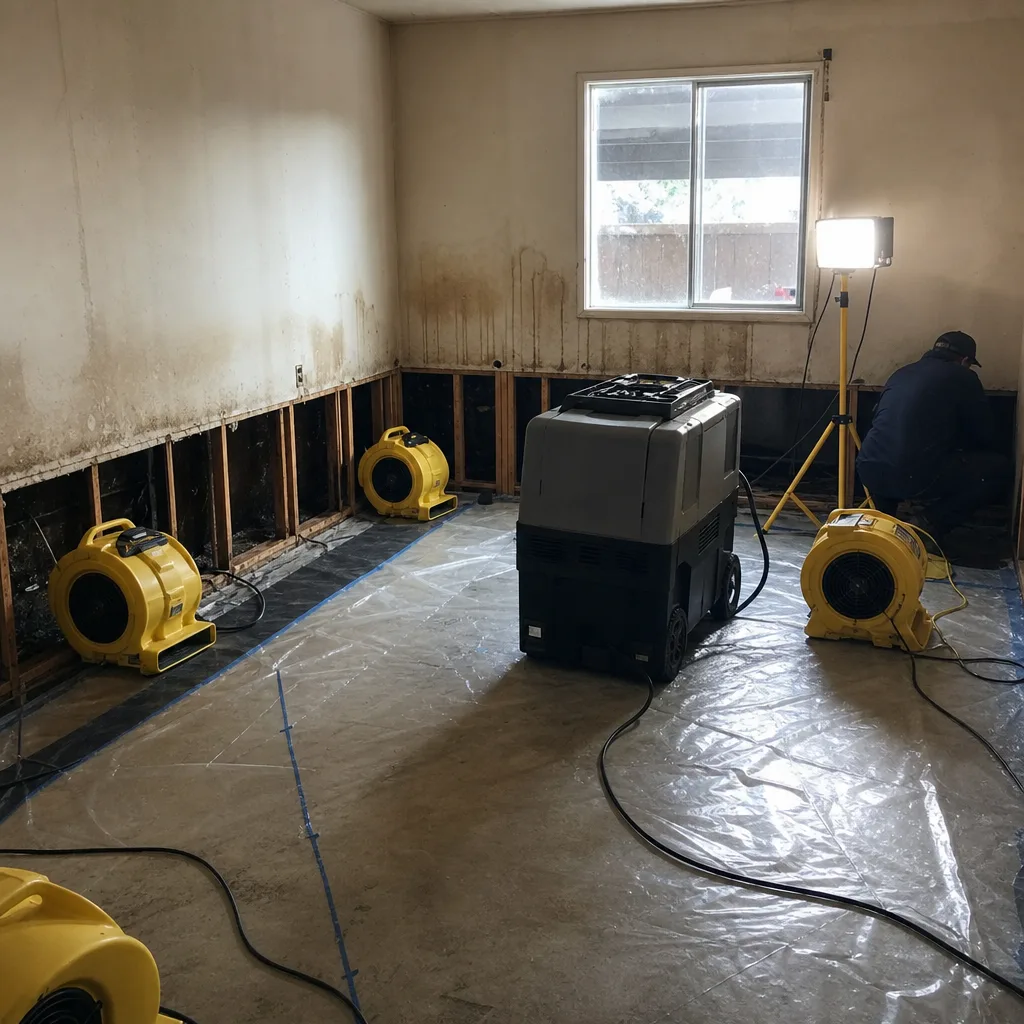
California Business and Professions Code Section 7026 defines a contractor as anyone who undertakes to construct, alter, repair, or improve any building. Water damage restoration that involves demolition, reconstruction, or repair of structural elements falls under this definition.
The critical distinction for Anaheim homeowners:
- Owner-occupied single-family home: You may perform your own work without a license, but you cannot hire unlicensed labor for compensation, and you remain liable for code compliance and worker injury
- Rental property or any property not your primary residence: Any water damage restoration beyond emergency mitigation (extraction, temporary drying) requires a C-61/D-64 (Non-Specialized) or B-General contractor license if the work value exceeds $500 in labor and materials
- Work done for compensation on any property: Requires appropriate license regardless of property type
The $500 threshold includes equipment rental, materials, and any paid labor. A homeowner who rents dehumidifiers ($200), buys fans ($150), and pays a handyman to remove baseboards ($200) has crossed into contractor territory on a rental property. If that handyman is unlicensed, both parties face CSLB penalties, and the property owner’s insurance may deny related claims for unlicensed work.
Anaheim’s building permit requirements add another layer. Drywall replacement exceeding one panel in a water-damaged area requires permit and inspection in many Anaheim zoning districts, particularly in historic overlay zones near the Packing District and in condo associations with master policies. Unpermitted work discovered at sale or claim time can trigger rescission demands and coverage disputes.
Professional restoration companies carry the licensing, bonding, and permit coordination that rental property owners cannot self-provide. This is not a marketing distinction; it is a compliance requirement with enforcement teeth.
The Hidden Cost of Incomplete Drying
The most expensive DIY water damage restoration is the one that appears successful. Surface-dry materials with hidden moisture sustain slow mold growth, structural decay, and eventually a remediation project that dwarfs the original mitigation cost.
In Anaheim’s market, secondary mold remediation costs typically run:
| Scope | Typical Range | Common Trigger |
|---|---|---|
| Contained area, surface growth only | $3,000 - $5,500 | 72+ hour delay in initial drying, no dehumidification |
| Wall cavity involvement, limited demolition | $5,500 - $10,000 | DIY drying without cavity verification |
| Whole-room remediation with HVAC contamination | $10,000 - $15,000+ | Category 2/3 water, incomplete antimicrobial treatment |
These costs often fall to homeowner’s out-of-pocket because mold is a separate coverage line with its own sublimit, typically $5,000-$10,000, and many policies exclude mold entirely if it results from “constant or repeated seepage” that the homeowner failed to address promptly. A DIY drying attempt that takes 10 days instead of a professional’s 3-day dry standard can be characterized as failure to mitigate, shifting mold costs to the homeowner.
The Mold Remediation in Anaheim page details our containment and air-scrubbing protocols. The key point here: professional mitigation with documented drying logs prevents mold claims from arising. Secondary remediation is almost always more expensive and less completely covered than primary mitigation.
Anaheim’s climate patterns compound this risk. Morning marine layer humidity, particularly in neighborhoods west of the 5 Freeway near the Anaheim Resort district, keeps ambient moisture elevated. A home dried to 50% relative humidity at 4 PM may climb to 70% by 7 AM without continuous dehumidification. Professional drying maintains target conditions 24 hours daily, not just during active fan operation.
You’ve Already Started DIY - Now What?
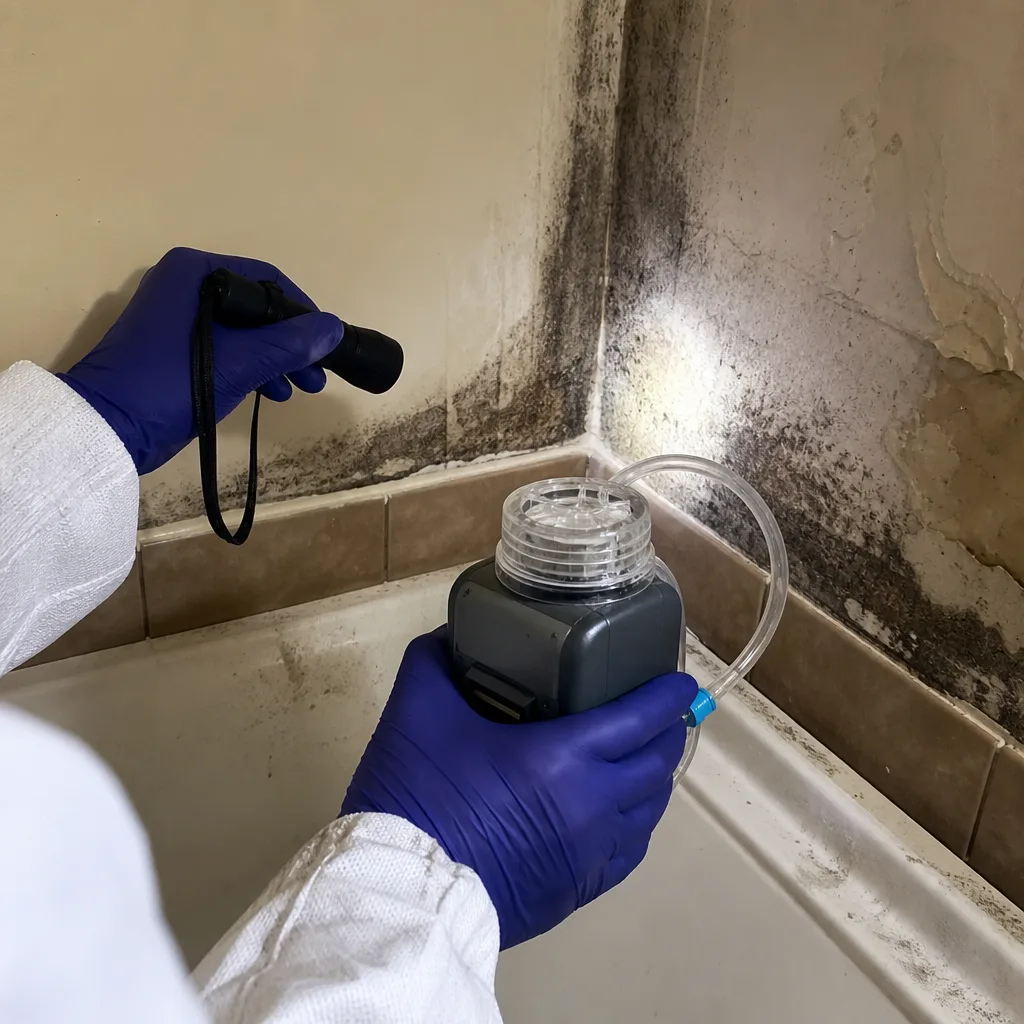
Homeowners often find this guide - or our water damage restoration maintenance checklist for Anaheim homeowners - mid-crisis, with fans already running and a nagging sense that something is missed. Here is how to protect what you can of your position, and when to transition to professional involvement without losing more than necessary.
Step 1: Document Everything Now
- Photograph every affected area with date-stamped images - wide shots showing extent, close shots showing material condition
- Record current moisture readings with whatever meter you have, noting make, model, and measurement mode (pin, pinless, or thermo-hygrometer)
- Log equipment running: type, capacity, start time, and location in the structure
- Preserve all receipts - equipment rental, materials, any labor paid
- Note weather conditions and indoor temperature/humidity if you have a basic hygrometer
Step 2: Assess Cavity Involvement Within 24 Hours
Remove baseboards in the affected area. Look for water staining, feel for dampness at the drywall bottom edge, and if possible, inspect with a borescope camera (inexpensive USB models connect to smartphones). Any moisture in the cavity means surface drying is insufficient. This is the most common DIY failure point in Anaheim homes, particularly slab-on-grade construction where water wicks into drywall from the bottom plate.
Step 3: Call for Professional Assessment Before Day 3
The 48-72 hour window is critical. Mold colonization begins on wet organic materials after approximately 72 hours of sustained moisture above 16% wood moisture equivalent. A professional assessment on day 2 can salvage a DIY start if documentation is good and cavity moisture is limited. By day 5, most insurers consider the delay a failure to mitigate, complicating coverage.
Our free second opinion applies here: bring your documentation, photos, and equipment receipts. We will assess whether your drying is on track, what documentation gaps exist for claim purposes, and whether professional equipment or monitoring is needed to complete the job to standard. The consultation costs nothing and creates no obligation - Haven Standard, Clause 1 means any work we propose comes with a written price before it starts.
Step 4: Do Not Sign Over Your Claim
Some restoration companies ask for assignment of benefits or direct payment authorization at first contact. Under The Haven Standard, we do not. You retain control of your claim, your payment, and your documentation. Any professional you engage should provide daily drying logs as a standard deliverable, not an upsell, with clear explanation of each reading’s significance.
Consumer Equipment vs. Professional Systems
The equipment gap between consumer rental and professional restoration is narrower in raw drying capacity than most homeowners assume, but vast in documentation capability and deployment precision.
A rental dehumidifier from a national hardware chain typically removes 50-70 pints per day at saturation conditions (80°F, 60% RH). A professional LGR (low-grain refrigerant) dehumidifier from Dri-Eaz or Phoenix removes 80-130 pints per day, and more critically, continues extracting efficiently as humidity drops - the “low-grain” performance that matters in late-stage drying. Consumer units lose efficiency rapidly below 40% RH, precisely when precision matters most.
Air movers present a similar pattern. Consumer fans move air; professional axial air movers from B-Air or XPOWER deliver directed, high-velocity airflow at specific angles to create laminar air movement across wet surfaces. The placement geometry - one air mover per 50-60 square feet, positioned to create circular airflow patterns - is as important as the CFM rating. Rental counter staff rarely provide placement guidance.
The decisive difference, again, is data. Professional drying is managed to specific moisture content targets using meters calibrated to ASTM F2659 or F2170 standards, with readings recorded in daily logs that include:
- Room identifier and affected material type
- Meter make, model, and calibration date
- Reading in appropriate units (percentage moisture content for wood, relative humidity for air, GPP for dehumidifier output)
- Comparison to dry standard for that material in that geographic region
- Technician signature and timestamp
Without this data structure, you have a narrative of effort. Insurers require a record of performance. The Fire & Smoke Damage Restoration in Anaheim page describes similar documentation requirements for soot and odor mitigation - the principle applies across all restoration types.
When to Call a Professional
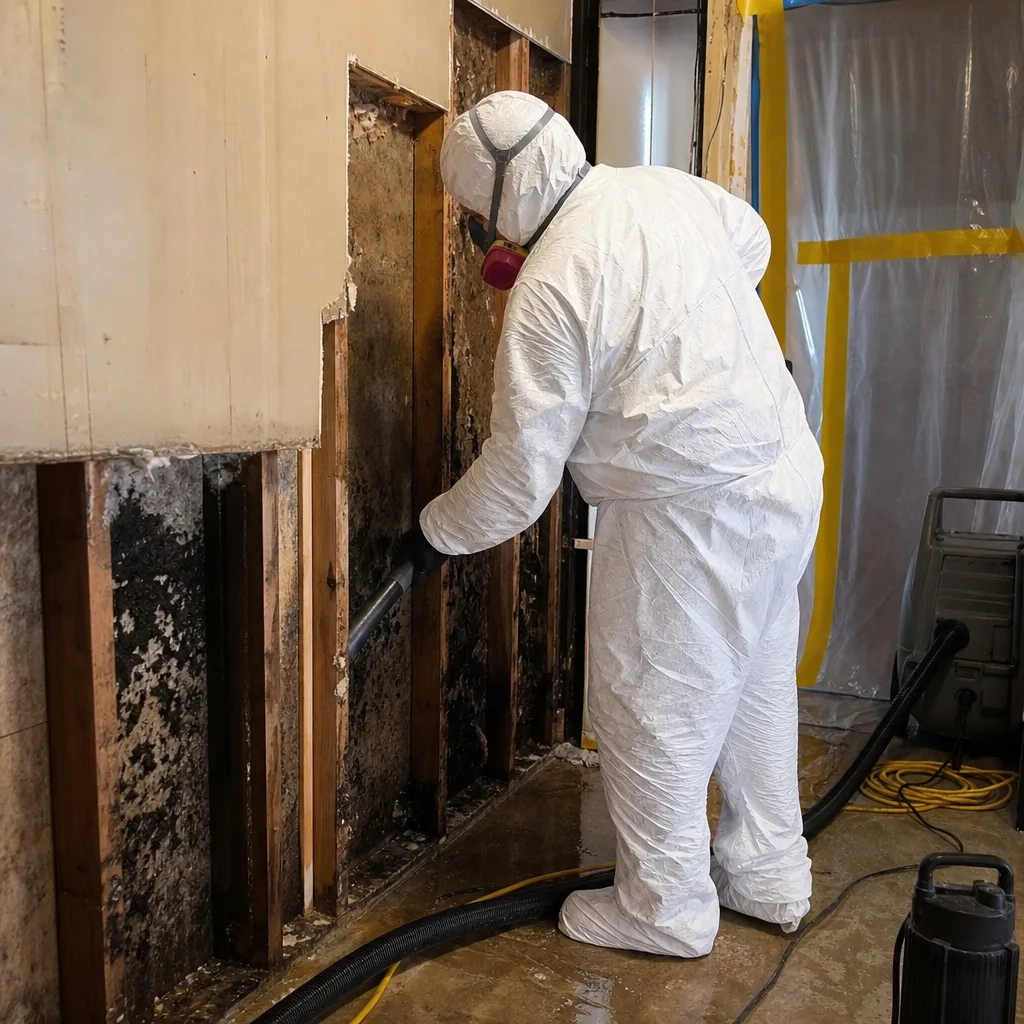
Call a professional restoration company when any of the following apply:
- Water category is 2 or 3, or category is unknown
- Any wall cavity, subfloor, or HVAC involvement is suspected or confirmed
- Affected area exceeds 10 square feet of combined floor and wall surface
- You intend to file an insurance claim for mitigation costs
- The property is a rental, commercial, or any non-owner-occupied structure
- 72 hours have elapsed since water intrusion without documented drying progress
- You do not own or cannot operate a calibrated moisture meter with confidence
- Any occupant has respiratory conditions, immune compromise, or mold sensitivity
DryMark Restoration Anaheim offers free estimates in Anaheim - call (909) 525-4167. Every assessment includes a written scope and price before any work begins, documented to IICRC standards with photo records from arrival through completion. Our 365-Day Done Right Promise, backed by The Haven Standard, applies to every job we accept.
Common Mistakes to Avoid
- Renting equipment without understanding capacity ratings. A “50-pint” dehumidifier rating at 80°F/60% RH drops to 20-25 pints in cooler, drier conditions. Most Anaheim homes dry in conditions closer to 70°F/40% RH, where consumer unit performance collapses.
- Trusting touch or visual dryness. Drywall can feel firm and show no discoloration while holding 25% moisture content at the back side. Only pin-probe or infrared verification reveals actual condition.
- Neglecting the vapor pressure differential. Drying requires air on the wet surface to hold less moisture than the material releases. Simply moving air is not enough; the air must be conditioned to accept vapor. This is why dehumidification and heating, not just fans, are essential.
- Failing to establish a dry standard baseline. “Dry” is not zero moisture. Wood framing in Anaheim typically equilibrates to 9-11% moisture content in normal conditions. Drying to 5% is unnecessary and risks over-drying damage; stopping at 15% invites mold. Professional drying targets specific material standards, not arbitrary dryness.
- DIY on rental properties without license verification. The CSLB actively investigates unlicensed contractor complaints, often triggered by tenant disputes or insurance claim disputes. The property owner bears liability even if a handyman initiated the work.
- Discarding evidence of prompt response. Photos, receipts, and moisture logs from the first hours after discovery support your claim position. Without them, insurers may argue delayed mitigation caused avoidable damage.
- Accepting verbal assurances instead of written scopes. Any restoration company that will not put price and scope in writing before work starts - Haven Standard, Clause 1 - is not operating to the documentation standard your claim requires.
Frequently Asked Questions
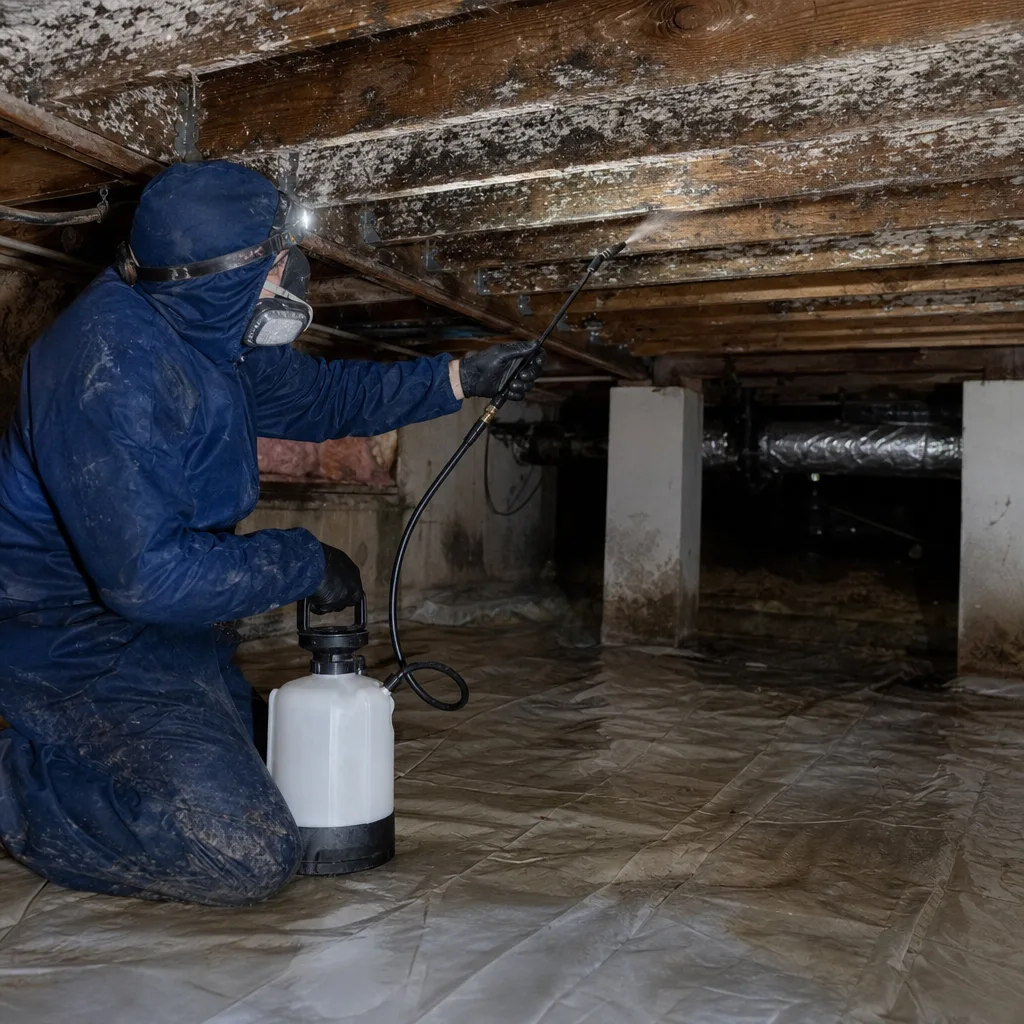
Professional mitigation for a typical Anaheim single-room water loss runs $1,500-$4,500 for extraction and drying, with reconstruction additional. Category 3 sewage losses, cavity involvement, or whole-house events scale higher. DryMark Restoration Anaheim provides a written price before any work begins - call (909) 525-4167 for an exact quote; estimates are free.
Most insurers reimburse only documented professional mitigation, and some policies explicitly exclude DIY costs. For more guides & resources on navigating claims and restoration, see our blog. Equipment rental receipts alone rarely satisfy proof-of-loss requirements. If you have already begun DIY, document everything and call for a professional assessment before day 3 to preserve claim position.
Our live dispatch answers every call 24 hours a day, 7 days a week with no voicemail trees. Emergency response times in Anaheim typically range from 45 minutes to 2 hours depending on traffic and time of day. Speed matters for mitigation; reconstruction is scheduled, not dispatched.
Visible mold or Category 2/3 water requires professional assessment before disturbance, to prevent aerosolization. For clean Category 1 events with prompt response, pre-testing is usually unnecessary. If mold is discovered during drying, work stops and containment is established before proceeding.
Most policies cover mold only when it results from a covered peril and prompt mitigation was attempted. DIY drying that delayed professional response may be characterized as failure to mitigate, limiting or excluding mold coverage. Anaheim’s typical mold sublimit is $5,000-$10,000, often insufficient for whole-room remediation.
Demand daily moisture logs with calibrated meter readings, timestamped photo records, equipment specification sheets, and a final drying verification signed by the technician. Under The Haven Standard, these are standard deliverables, not upsells. Any company that treats documentation as optional is not preparing your claim for success.
The Bottom Line
DIY water damage restoration in Anaheim is technically possible for a narrow band of small, clean, contained events. It is financially and legally defensible only when no insurance claim is intended, no cavities are involved, and the property is owner-occupied. For everything else - which describes most real-world water losses - the documentation gap between consumer effort and insurer requirements makes professional restoration the lower-risk choice. The cost difference between professional mitigation and denied-DIY-plus-secondary-damage often favors professional work even before accounting for time, stress, and liability exposure. Documentation is not an administrative detail; it is the mechanism that converts drying effort into recoverable cost.
Written by Alicia Brennan, Owner at DryMark Restoration Anaheim, serving Anaheim since 2011.