
Last updated September 23, 2026
Free visual inspection and a written scope of work before any mitigation begins - photos, moisture readings, and drying logs go in your claim file
The scope we write is the scope we bill. Anything new gets shown to you, in writing, before we touch it.
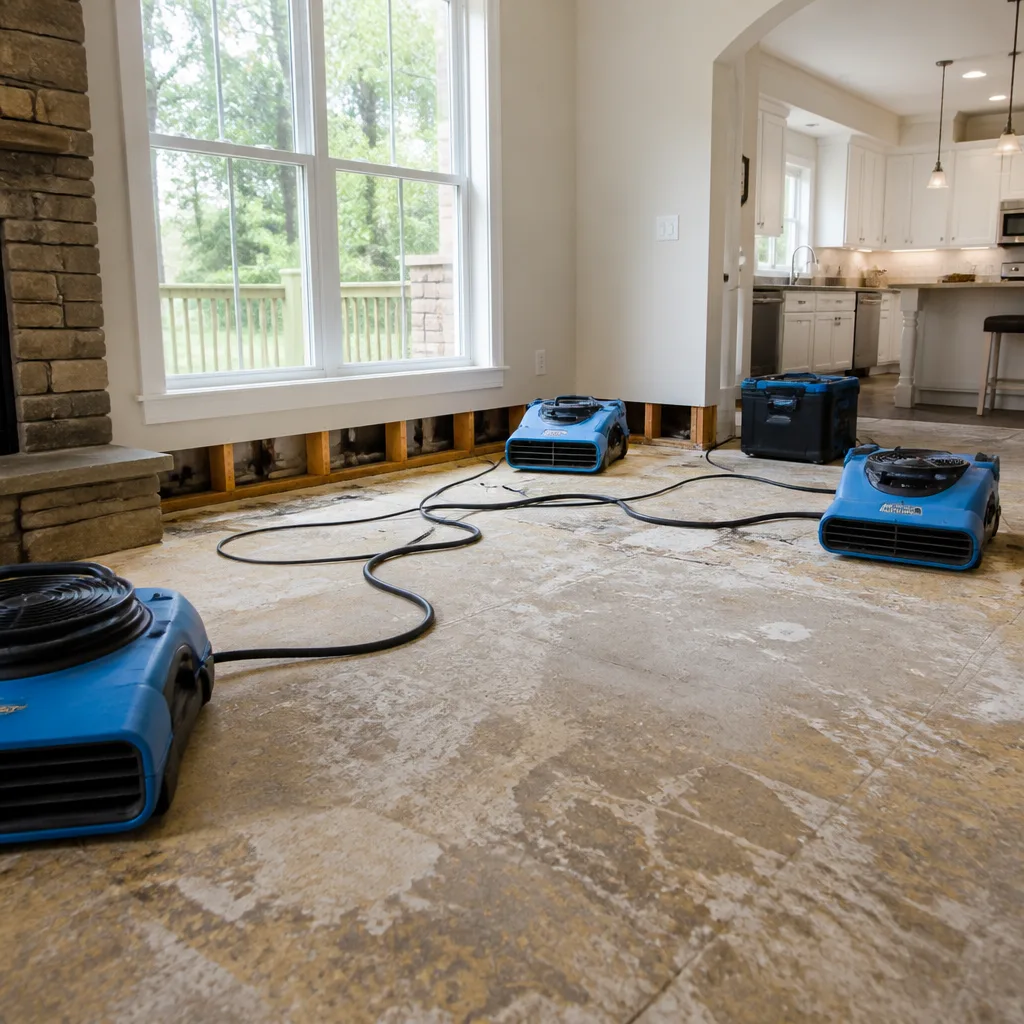

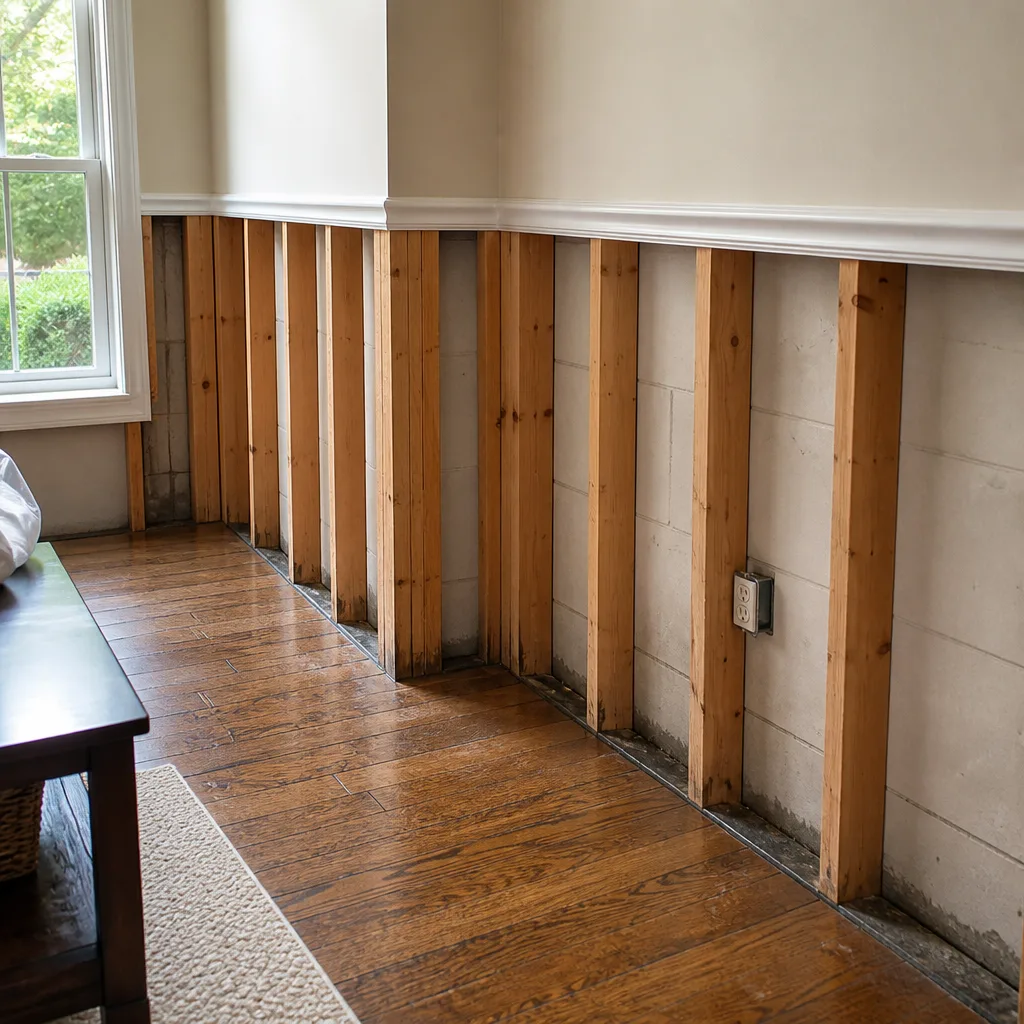



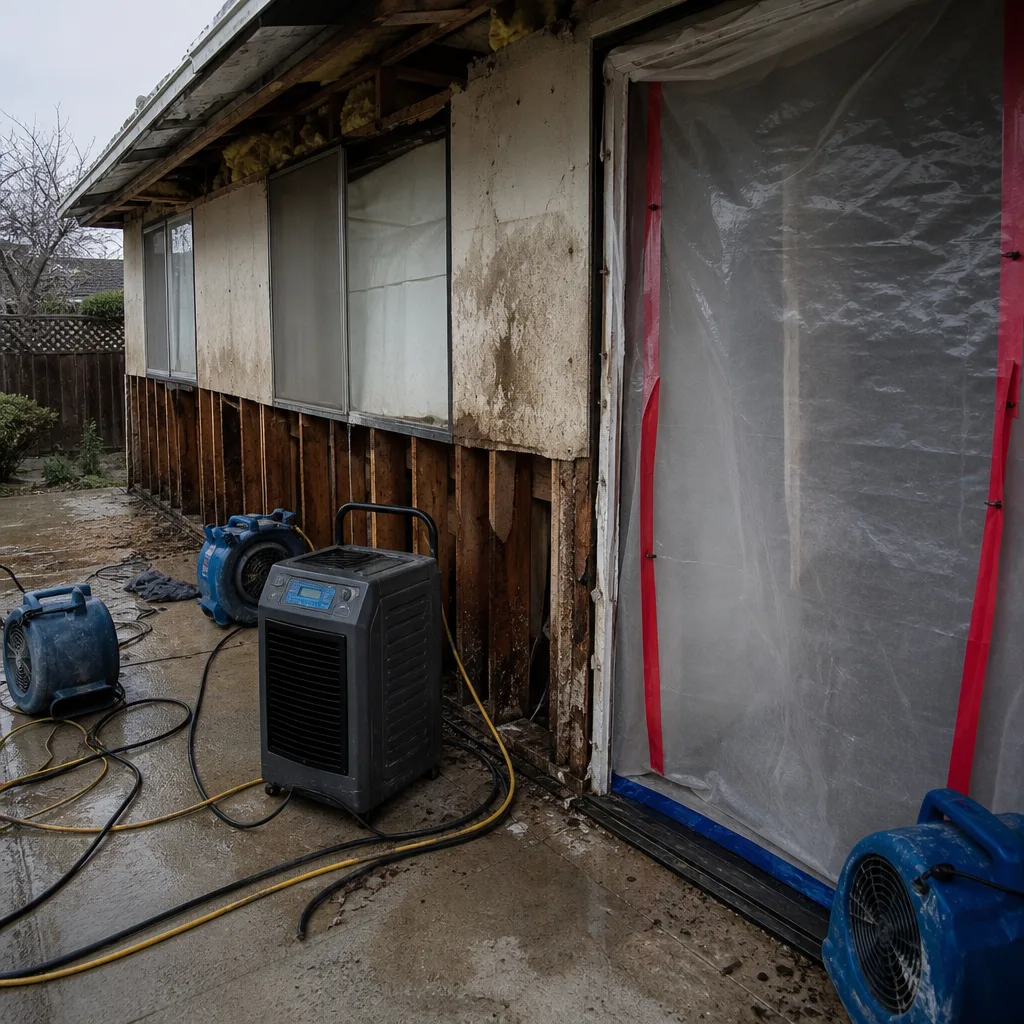 Before
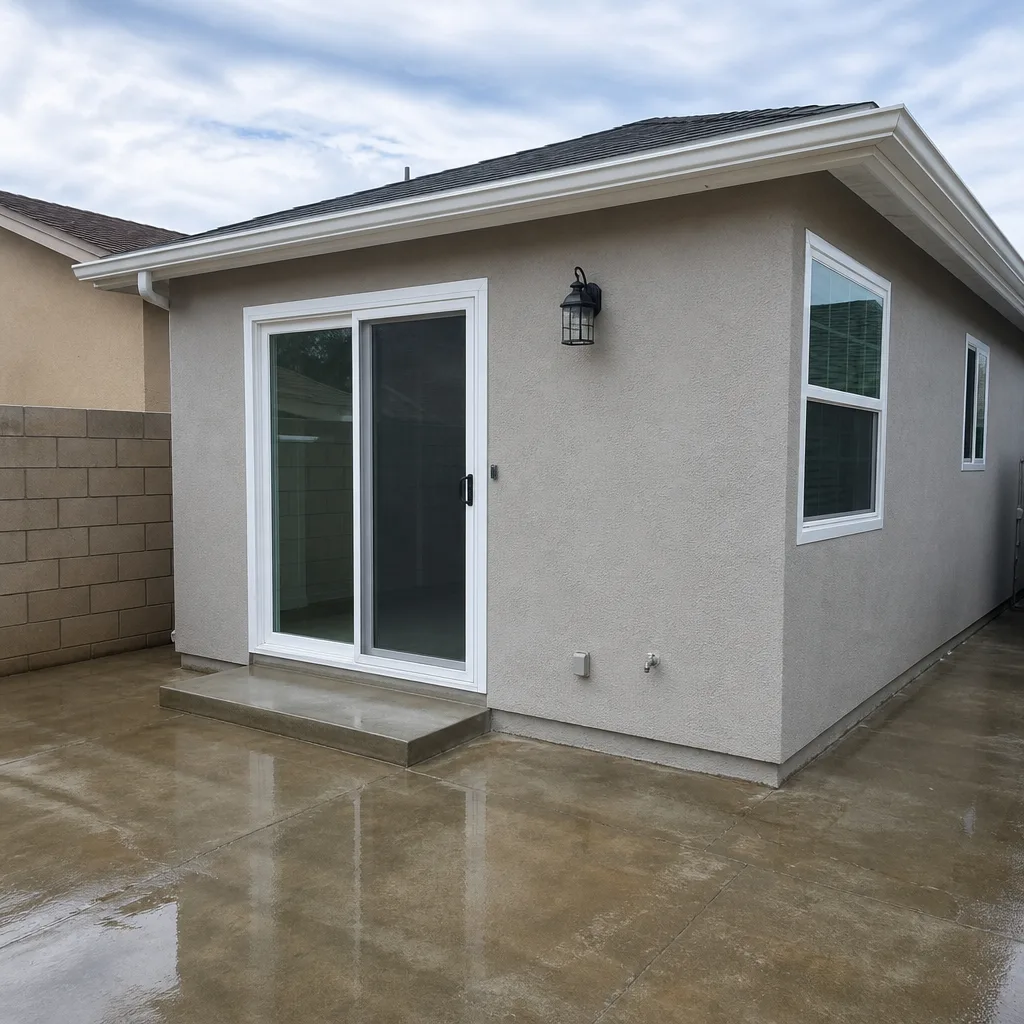 After
After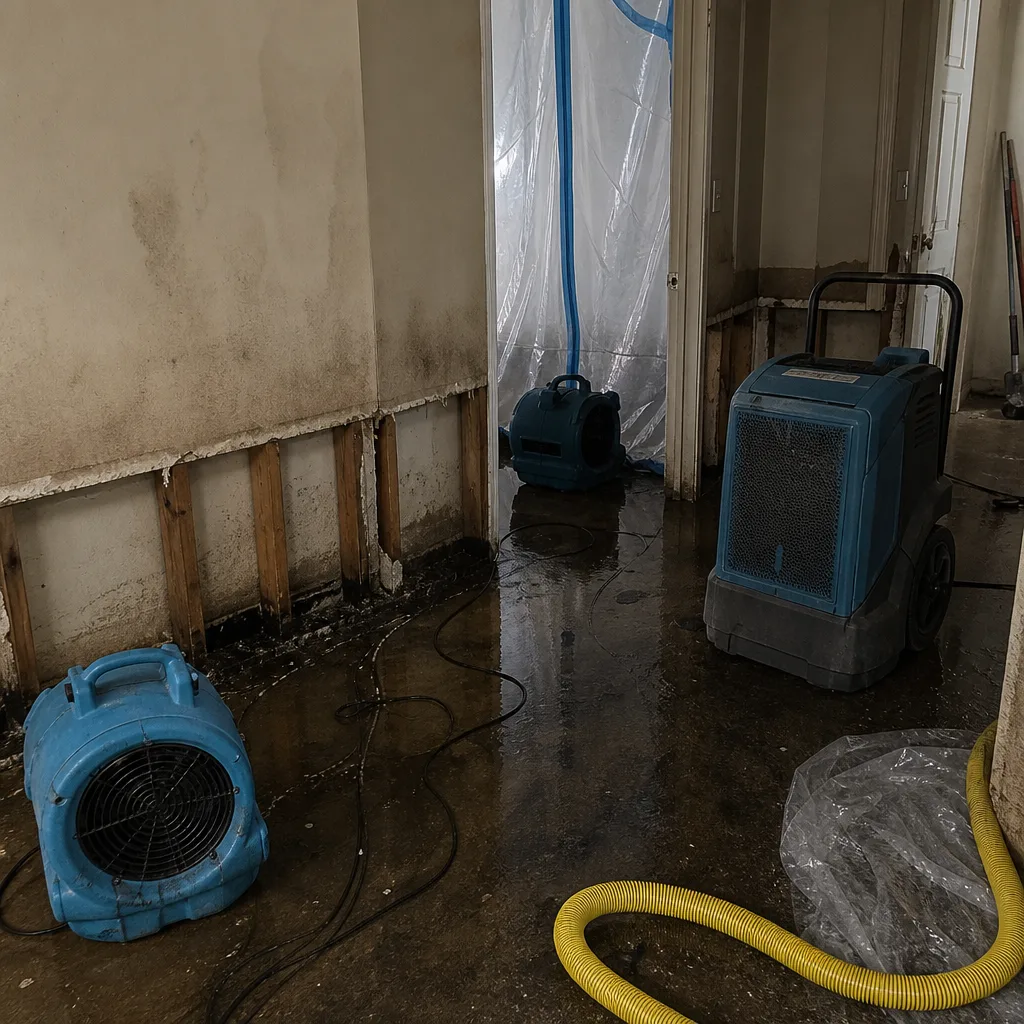 Before
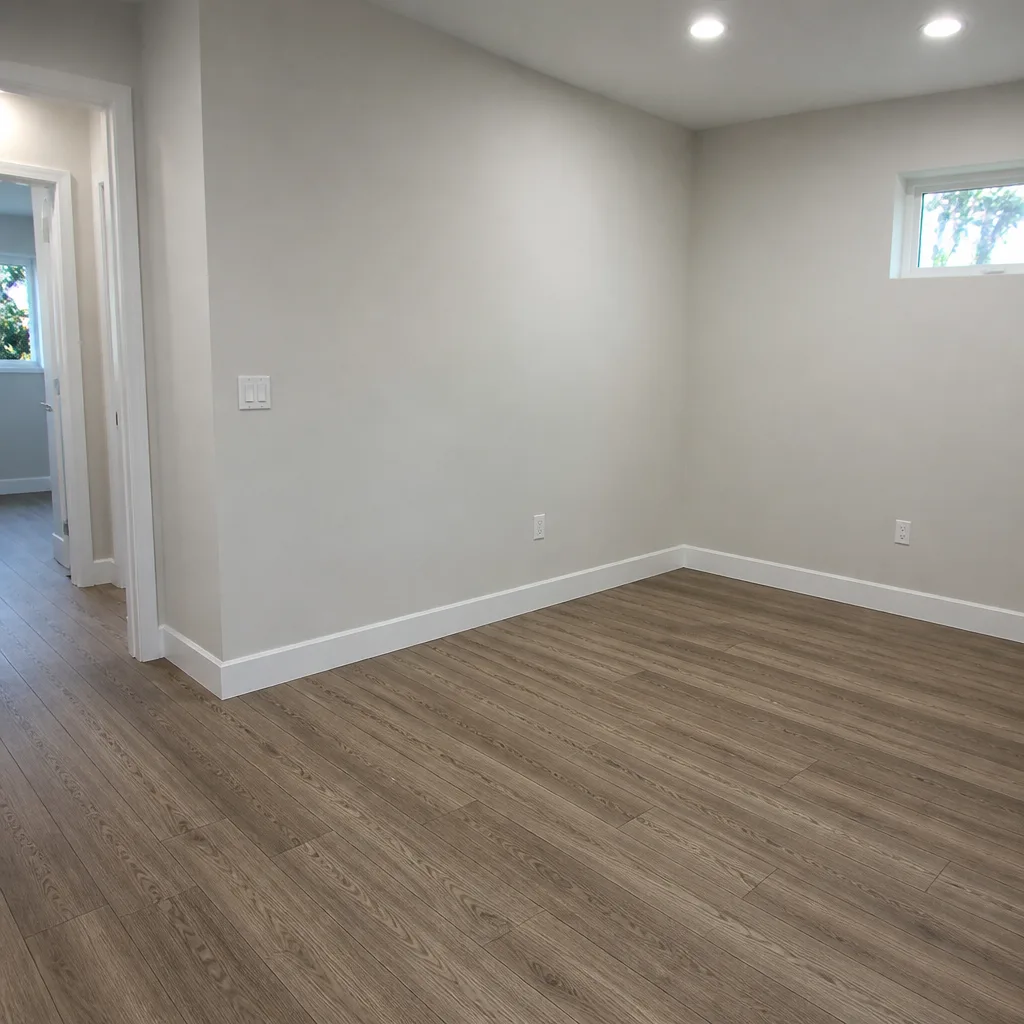 After
After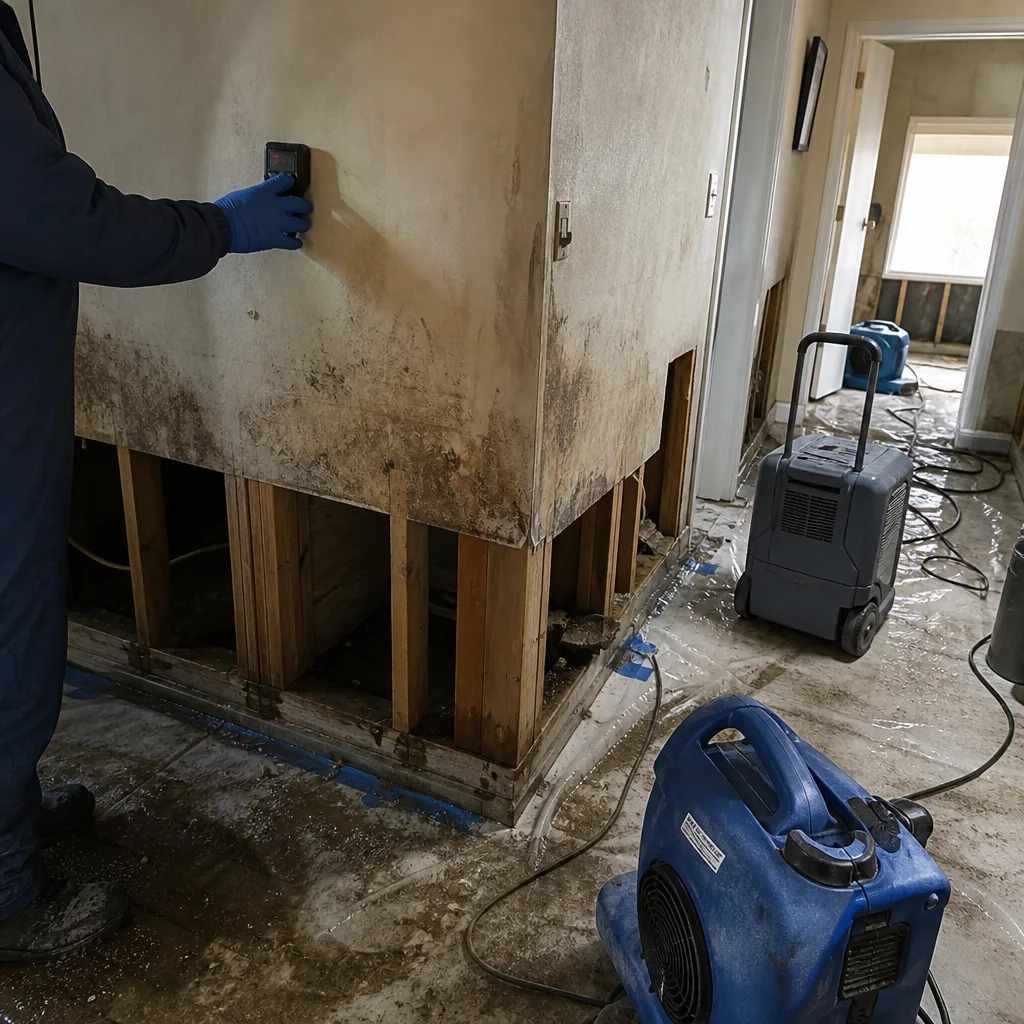 Before
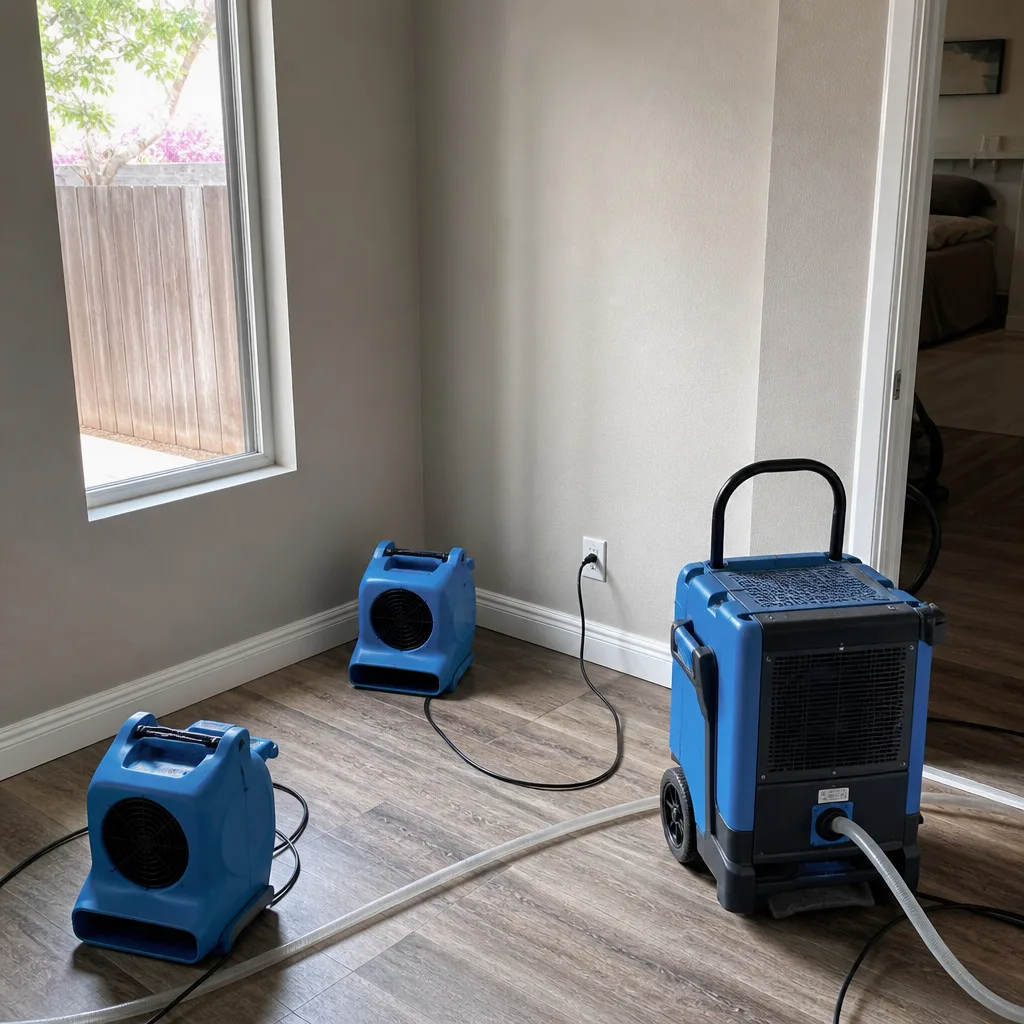 After
AfterWater Damage Restoration Maintenance Checklist for Anaheim Homeowners
Most Anaheim homeowners assume maintenance prevents water damage. It does, but only partially. The sharper benefit, in our experience restoring over 12,000 homes since 2011, is that documented maintenance turns a disputed insurance claim into a paid one. Adjusters in Orange County routinely invoke the “neglect” exclusion when homeowners cannot produce dated evidence of upkeep. A photo of clean gutters from March 2024, timestamped and geotagged, removes that argument faster than any verbal assurance. This checklist covers what to do, when to do it, and how to log it so your records work as hard as your gutters.
Quick Answer
Anaheim homeowners should perform quarterly inspections of appliances, irrigation, and roof penetrations, plus annual checks of water heaters, slab perimeters, and whole-house shut-off valves. Every task should produce a dated photo, a moisture or pressure reading where applicable, and a cloud-stored log. This documentation, maintained for two years or more, neutralizes insurer “neglect” exclusions and supports faster claim settlement when water damage occurs.
Table of Contents
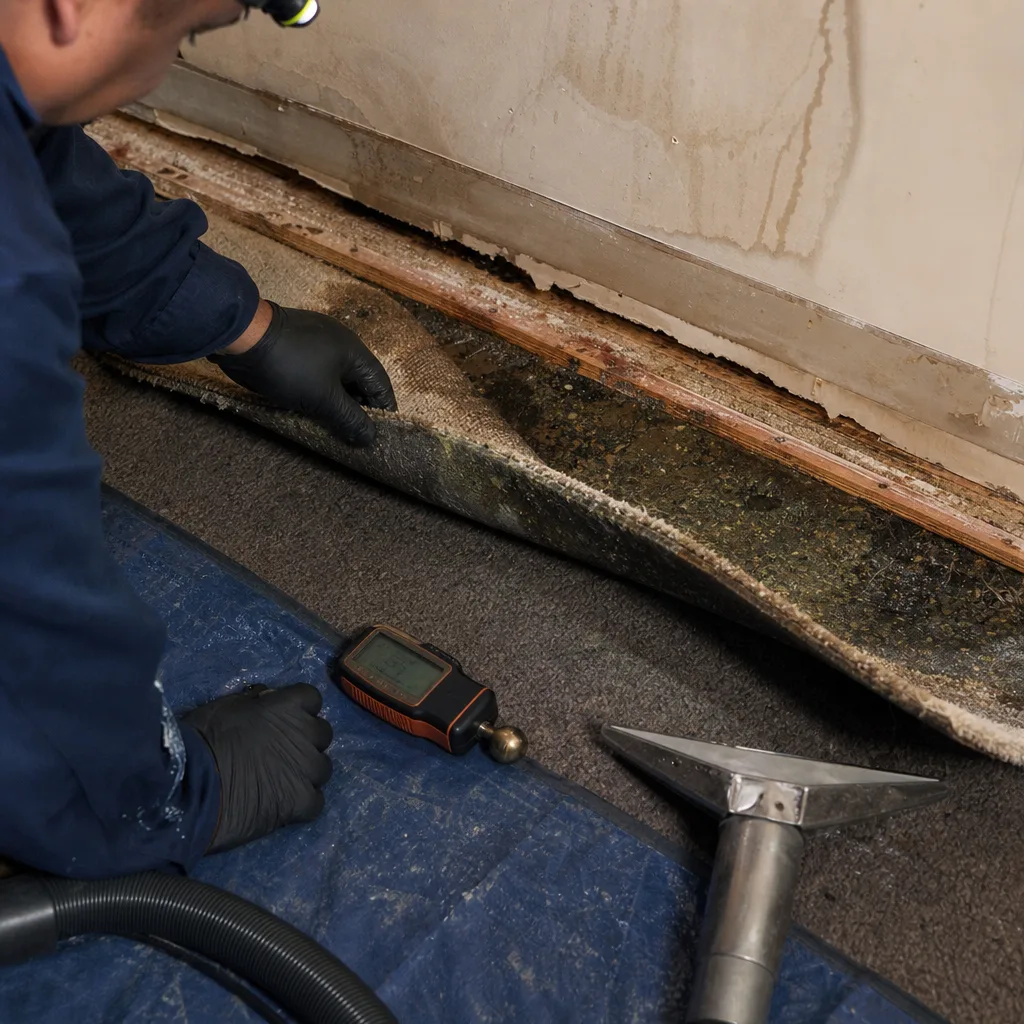
- Why Documentation Matters More Than the Task Itself
- Quarterly Maintenance Tasks (45 Minutes Each)
- Annual Maintenance Tasks (2-3 Hours Each)
- Anaheim-Specific Risks: Hard Water, Santa Ana Winds, and Pre-1990 Slabs
- Appliance Replacement Schedules Based on Failure Data
- How to Log a Maintenance Visit Correctly
- Common Mistakes to Avoid
- When to Call a Professional
- Frequently Asked Questions
- The Bottom Line
 Before
 After
AfterWhy Documentation Matters More Than the Task Itself
We have walked into hundreds of Anaheim homes where the maintenance was done but the records were not. The result is the same as if nothing was done at all: a denied or reduced claim.
California insurance policies, including those written for Orange County homeowners, contain a standard exclusion for “loss caused by neglect, wear and tear, or gradual deterioration.” For a deeper look at how this process works locally, see The Complete Guide to Damage Restoration in Anaheim. When a washing machine supply line bursts and floods a kitchen, the insurer does not ask whether you remember checking the line. They ask for proof. Without dated documentation, the burden shifts to you to disprove neglect. With it, the adjuster moves to valuation and timeline.
The documentation-first approach is not our invention. It is the founding principle of DryMark Restoration Anaheim home operations, built by a former claims adjuster who saw how many restoration invoices went unpaid for lack of a paper trail. Our daily drying logs, written scopes, and room-by-room moisture readings exist to turn restoration work into payable claims. The same logic applies upstream, to prevention.
What counts as documentation:
- Date-stamped photographs showing the condition of the item inspected, not just its existence
- Quantitative readings where measurable: water pressure in PSI, moisture content in wood framing as a percentage, temperature and relative humidity
- Written notes of what was checked, what was found, and what was done
- Cloud storage with automatic backup, not a single phone that can be lost or damaged
A homeowner in the Anaheim Hills who can produce a two-year log with quarterly photos of sealed roof penetrations, annual pressure tests, and dated appliance inspections will see claim resolution times drop by weeks. We have seen it. The adjuster has less to investigate, less to dispute, and a clear path to authorization.
This checklist is designed to produce that record as a side effect of the work, not as an additional burden.
Quarterly Maintenance Tasks (45 Minutes Each)
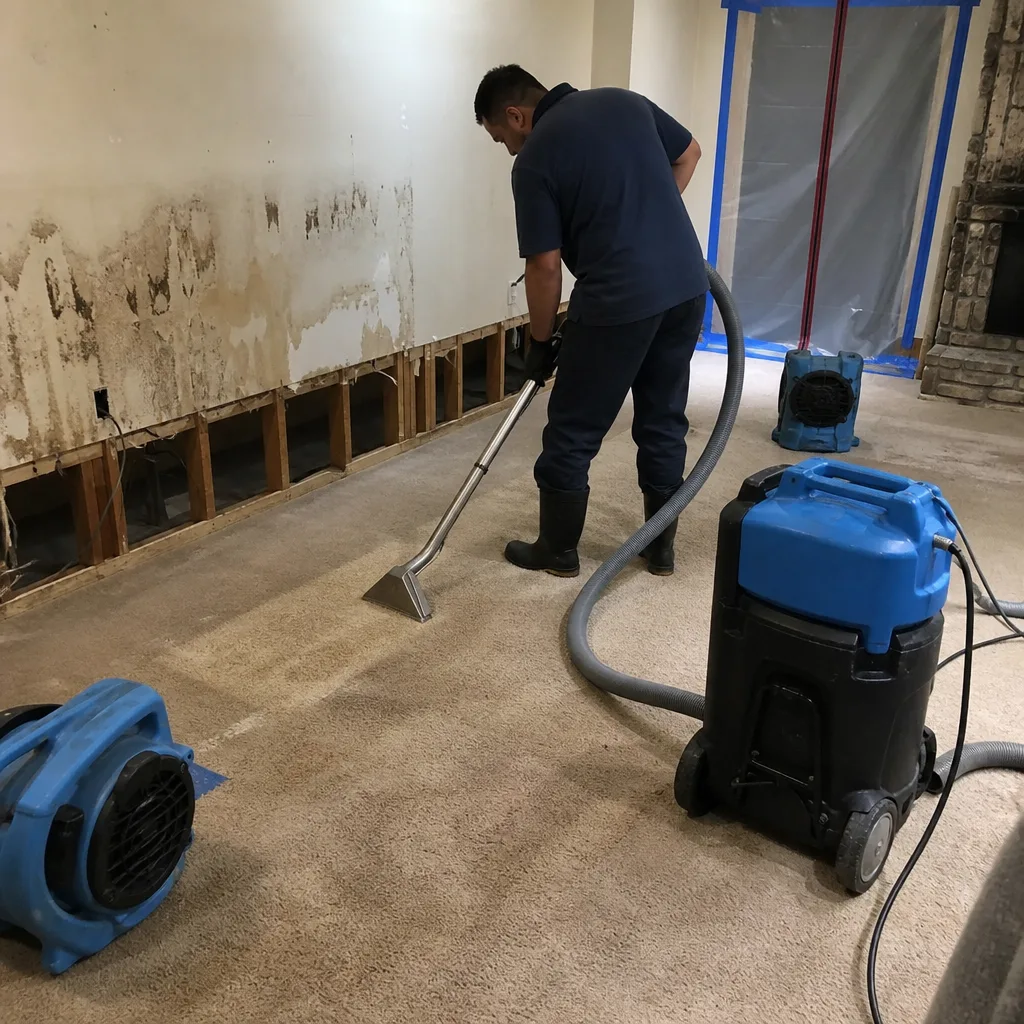
These four tasks repeat every three months. Each should take under an hour. The key is consistency and logging, not perfection.
Task 1: Inspect and Test Washing Machine Supply Lines
Braided stainless steel supply lines fail at the crimp connection, not the hose body. In Anaheim’s hard water environment, mineral scaling accelerates corrosion at that joint.
- Pull the washing machine forward to access both hot and cold lines
- Photograph the full length of each line, including the crimp fitting and valve connection
- Run your fingers along the line to feel for bulges, especially within 2 inches of the crimp
- Operate the shut-off valve fully closed and fully open; it should turn smoothly without grinding
- Check for moisture at the valve stem and the hose connection using a tissue or moisture meter
- Record the line manufacturer and install date; replace any line over 5 years old regardless of appearance
Log: photo of each line, valve operation note, moisture reading or “dry” confirmation, date.
Task 2: Check Refrigerator Ice Maker and Water Dispenser Lines
These lines are often plastic, run through cabinets, and leak slowly enough to cause cabinet base damage before anyone notices.
- Pull the refrigerator out; photograph the line where it connects to the valve and where it enters the refrigerator chassis
- Look for yellowing or hardening of plastic lines; these become brittle and crack
- Place a paper towel under the connection and check after 24 hours for dampness
- Verify the shut-off valve behind the refrigerator operates fully
Log: photo, line material and condition, valve operation, date.
Task 3: Inspect Irrigation System Pressure and Visible Lines
Anaheim’s municipal water supply runs at approximately 80 PSI at the meter, but household pressure should be regulated to 40-60 PSI. Hard water scaling in pressure regulators causes creep over time.
- Locate your pressure regulator, typically near the main shut-off or irrigation backflow preventer
- Attach a hose-thread pressure gauge to an outdoor spigot downstream of the regulator
- Record the static pressure (no water running) and dynamic pressure (irrigation zone running)
- Walk the visible irrigation lines, especially where they pass near the foundation or through planter beds
- Photograph any wet spots, efflorescence on concrete, or unexplained plant growth
Log: pressure readings in PSI, photos of regulator and any wet spots, date. If static pressure exceeds 65 PSI, schedule regulator service; high pressure stresses appliance seals and increases leak risk throughout the system.
Task 4: Examine Roof Penetrations and Visible Flashing
Anaheim’s Santa Ana wind season, typically October through April, drives rain horizontally into roof joints that would stay dry in vertical rainfall.
- From the ground or a secure ladder, photograph all roof penetrations: vents, chimneys, skylights, satellite mounts
- Look for lifted flashing, cracked sealant, or displaced tiles
- Check the attic, if accessible, for daylight visible around penetrations or water stains on rafters
- Photograph any change from the previous quarter’s inspection
Log: photos of each penetration, attic condition note, date. Schedule repair for any daylight visible or new staining; these are active leak paths, not future risks.
Annual Maintenance Tasks (2-3 Hours Each)
These deeper inspections require more time and sometimes basic tools. Schedule them in spring, before Santa Ana wind season, or in fall, before the winter rain pattern.
Task 1: Water Heater Tank and Connections
Tank water heaters in Anaheim fail most often at the supply connection, the temperature-pressure relief (TPR) valve, or the tank base. Hard water accelerates tank corrosion.
- Photograph the full installation: supply lines, TPR valve discharge pipe, gas connection or electrical conduit, and the base
- Test the TPR valve by lifting the lever briefly; water should discharge freely and stop when released
- Check the discharge pipe for corrosion or blockage; it must terminate within 6 inches of the floor, not into a drain that could hide a leak
- Place a moisture meter probe or simple paper towel at the tank base; any reading above 10% wood moisture equivalent or visible dampness indicates tank seam failure
- Record the tank serial number and manufacture date; replace any tank over 10 years old, or 8 years old if in a garage where leak damage spreads faster
Log: photos, TPR test result, moisture reading, tank age, date.
Task 2: Whole-House Shut-Off Valve Operation
When a line bursts, the difference between $2,000 and $20,000 in damage is often how fast someone finds and operates the main shut-off. Every adult in the household should know its location and verify it annually.
- Locate the main shut-off, typically near the front hose bib, in a garage wall, or at the meter
- Photograph the valve and its path from the house entry point
- Operate the valve fully closed and fully open; ball valves should turn 90 degrees smoothly; gate valves may require gentle persuasion but should not seize
- With the valve closed, verify no fixtures flow; if water continues, the valve is failing internally
- Label the valve with a tag or paint mark visible in low light
Log: photo, valve type and condition, operation test result, date. Replace failing valves immediately; this is not a deferred maintenance item.
Task 3: Slab Perimeter and Interior Moisture Monitoring
Homes built in Anaheim before 1990, common in the Anaheim Colony Historic District and surrounding neighborhoods, often lack modern moisture barriers beneath slab foundations. Seasonal groundwater fluctuation and irrigation overspray create slab-edge wicking.
- Photograph the slab perimeter where it meets soil or hardscape, looking for efflorescence (white mineral deposits), spalling concrete, or persistent dampness
- Inside, use a pinless moisture meter to scan baseboards and wall drywall at slab level in multiple rooms; readings above 16% indicate active moisture uptake
- Check under sinks and at toilet bases for tile grout discoloration or cabinet base swelling
- Verify bathroom exhaust fans move air strongly; inadequate ventilation traps slab moisture in finished spaces
Log: photos of slab perimeter, moisture readings by room, fan flow assessment, date. Persistent slab moisture requires professional assessment; it will not self-resolve and can trigger mold amplification within wall cavities.
Task 4: Gutter, Downspout, and Drainage System
Anaheim’s infrequent but intense winter storms overwhelm poorly maintained gutters. The flat terrain of much of the city means water that exits the gutter has nowhere to go but toward the foundation.
- Photograph gutters from ground level and from a ladder at each corner
- Clear debris; note if granules from asphalt shingles are accumulating, indicating roof wear
- Run water through gutters with a hose; verify flow toward downspouts without pooling
- Check downspout extensions; they should discharge at least 6 feet from the foundation on grade that slopes away
- Photograph any soil erosion or foundation exposure near discharge points
Log: photos, flow test result, extension condition, date. Erosion near the foundation indicates misdirected water that will eventually affect slab moisture.
Anaheim-Specific Risks: Hard Water, Santa Ana Winds, and Pre-1990 Slabs
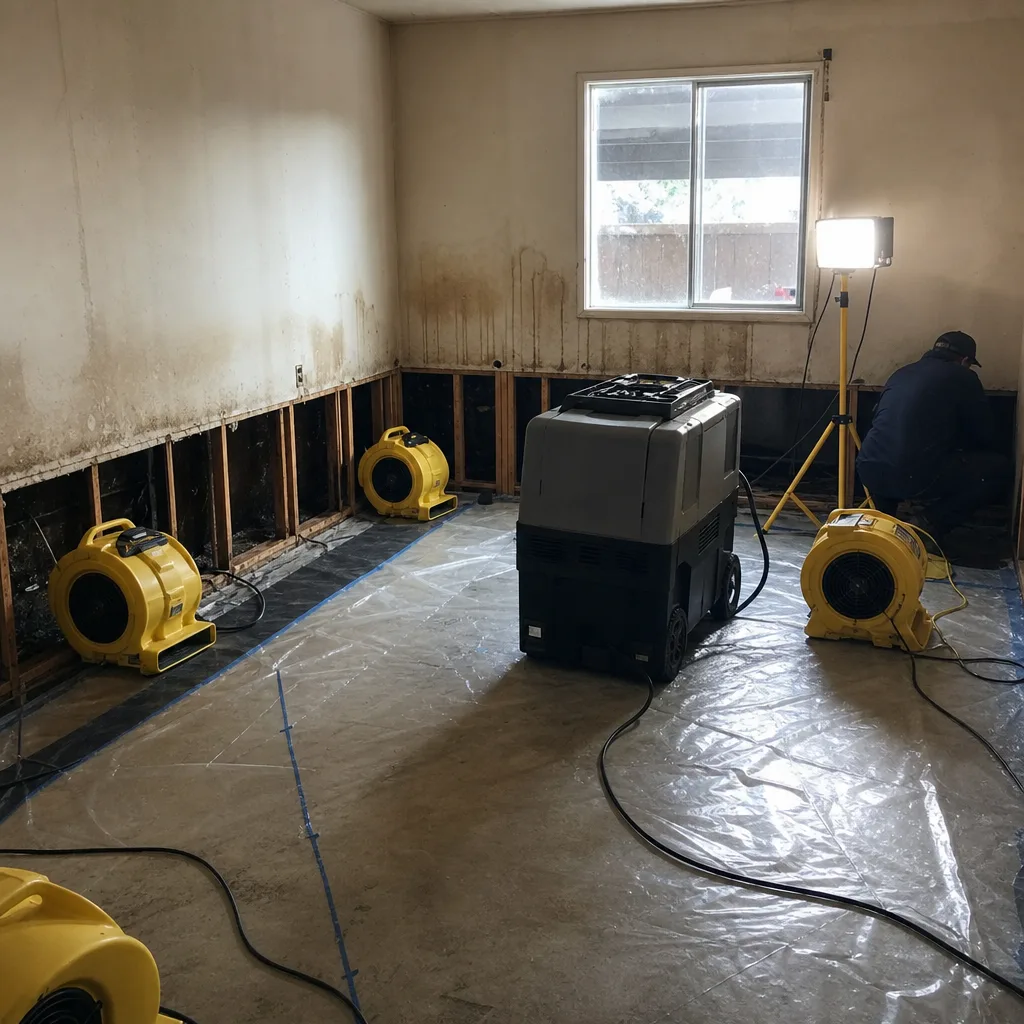
Generic checklists miss the conditions that actually drive water damage in this market. Three factors distinguish Anaheim from coastal Orange County or inland Riverside County.
Hard water scaling. Anaheim’s water supply, drawn from the Orange County Groundwater Basin and imported sources, averages 300-400 ppm total dissolved solids. This hardness deposits calcium and magnesium on valve seats, pressure regulators, and appliance heating elements. The visible result is reduced flow; the invisible result is accelerated seal wear and premature failure. Quarterly pressure tests catch regulator drift before it stresses the entire system. Annual water heater inspections reveal scaling that indicates imminent tank failure.
Santa Ana wind-driven rain. The Santa Ana pattern, most active October through April, produces sustained winds of 25-40 mph with gusts above 60. Rain in these conditions penetrates roof assemblies vertically and laterally, finding paths that calm-weather inspections miss. Annual roof inspections timed before this season, with particular attention to south and west exposures where wind pressure concentrates, identify vulnerabilities. In the Canyon and Anaheim Hills areas, where topography accelerates wind speed, this inspection should include assessment of tree proximity; branch abrasion damages roofing during wind events.
Pre-1990 slab-on-grade construction. Anaheim’s housing stock includes significant construction from the 1950s through 1980s, before modern moisture barrier standards. These slabs wick groundwater and irrigation overspray, delivering moisture to base plates and wall bottom plates. The moisture is often invisible until mold becomes detectable by odor or surface growth. Annual slab-perimeter moisture monitoring, with quantitative readings, provides early warning. In the Anaheim Colony and surrounding older neighborhoods, we regularly find slab-edge moisture readings above 20% in homes with no visible water damage, indicating conditions that will support mold amplification within wall cavities.
These three factors should drive prioritization: hard water affects every system under pressure, Santa Ana winds define the seasonal inspection calendar, and slab age determines monitoring intensity.
Appliance Replacement Schedules Based on Failure Data
Preventive replacement of high-risk components costs less than emergency mitigation. These thresholds are derived from insurance industry failure data and our field observations across 12,000 restorations.
| Component | Replacement Threshold | Failure Mode | Typical Damage When It Fails |
|---|---|---|---|
| Washing machine supply lines (rubber) | 3 years | Burst at hose body or connection | 2-4 affected rooms, 24-48 hours undetected |
| Washing machine supply lines (braided stainless) | 5 years | Crimp corrosion, hard water scaling | 1-2 rooms, often detected quickly |
| Water heater tank | 8 years (garage install); 10 years (interior closet) | Seam corrosion, TPR valve failure | Garage: 1-2 rooms; Interior: 3-5 rooms, structural damage |
| Refrigerator water line (plastic) | 5 years | Brittleness, connection fatigue | 1 room, cabinet and flooring damage |
| Refrigerator water line (copper) | 10 years | Pinhole corrosion from hard water | 1 room, often slow leak with hidden damage |
| Dishwasher supply line and valve | 7 years | Valve fatigue, hose deterioration | 1 room, cabinet base and subfloor |
| Toilet supply line and fill valve | 5 years | Fill valve overflow, line burst | 1 room, often bathroom and adjacent hallway |
These are maximum service intervals, not targets. A line that shows bulging, discoloration, or stiffness at year 4 should be replaced regardless of the schedule. The cost of premature replacement is $15-40 in parts and 20 minutes. The cost of failure is $3,000-15,000 in mitigation and restoration, plus potential mold remediation.
For Anaheim homeowners, hard water accelerates the lower end of these ranges by 10-20%. A washing machine line that might last 5 years in soft water conditions should be considered at end of life at 4 years here.
How to Log a Maintenance Visit Correctly
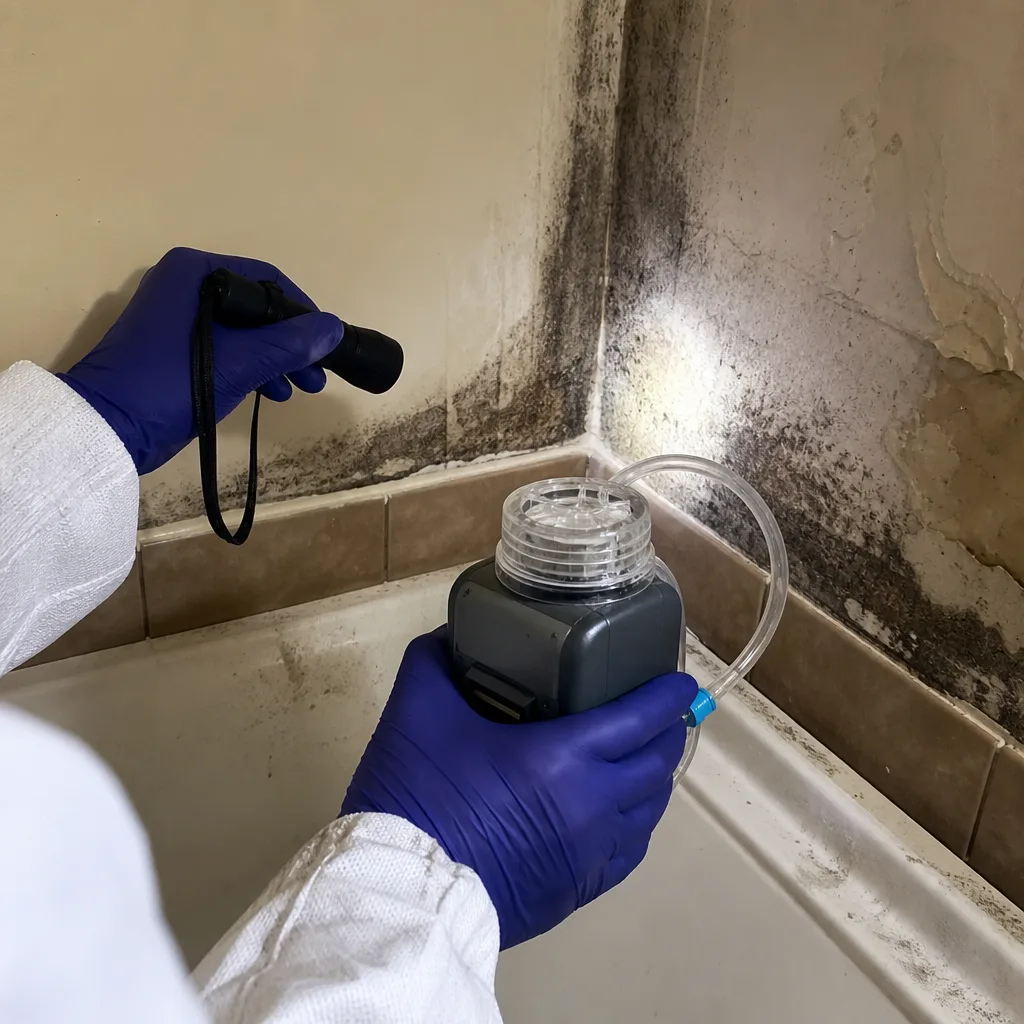
The maintenance task prevents damage. The log prevents claim disputes. Both must be done, but the log is where most homeowners fail.
What to Photograph
- The full item in context, not a close-up that could be any item anywhere
- The identifying label, serial number, or manufacturer marking
- The connection points where failure typically initiates
- The surrounding area that would show water spread if failure occurred
- Yourself or a household member in the frame, or a newspaper or phone showing date, to establish contemporaneity
What to Measure and Record
- Water pressure in PSI at a hose bib
- Moisture content of wood or drywall as percentage, using a pin or pinless meter
- Temperature and relative humidity if assessing conditions for mold risk
- Appliance age from serial number decode, not purchase date
- Any deviation from manufacturer specification or code requirement
Where and How to Store Records
- Use a cloud service with automatic backup: Google Drive, iCloud, Dropbox, or equivalent
- Create a folder structure: Property Address / Year / Quarter / Task
- Rename photos on upload: 2024-Q2-WaterHeater-TPRTest.jpg, not IMG_4729.jpg
- Keep a running spreadsheet with date, task, findings, action taken, and file name cross-reference
- Share access with your insurance agent or store a copy with them annually
- Print a summary annually and store off-site; digital access may be compromised if the damage affects your devices
The standard we apply to our own documentation, IICRC-compliant drying logs with psychrometric data (temperature, relative humidity, vapor pressure differential, and specific humidity readings that define how aggressively a structure is drying), is more detailed than a homeowner needs; for more guides & resources on documentation standards, see our blog. But the principle is identical: dated, quantitative, retrievable. A homeowner who applies even half this discipline to preventive maintenance will outperform the vast majority of claimants when damage occurs.
Common Mistakes to Avoid
- Photographing without dating. A photo of clean gutters proves nothing if its date cannot be established. Use phone automatic date stamping, or include a dated object in frame.
- Storing records only on a phone. Phones fail, are lost, or are damaged in the same event that causes the claim. Cloud backup is not optional.
- Checking without measuring. “Looks fine” is not documentation. A pressure reading of 72 PSI is documentation; it shows you identified and quantified a condition.
- Ignoring the slab in pre-1990 homes. Anaheim’s older neighborhoods have significant slab-on-grade stock. Moisture wicking is invisible until it is not. Annual quantitative monitoring is essential.
- Deferring valve replacement. A stiff shut-off valve that “still works” will fail when someone needs it most, typically at 2 AM during an emergency. Annual operation testing identifies degradation before failure.
- Assuming irrigation leaks are “just landscaping.” Water that escapes the irrigation system near the foundation becomes a structural moisture problem. The separation between “yard” and “house” is porous.
- Waiting for visible damage. By the time water damage is visible, mold amplification has often begun. The purpose of this checklist is to intercept conditions before they produce visible damage.
When to Call a Professional
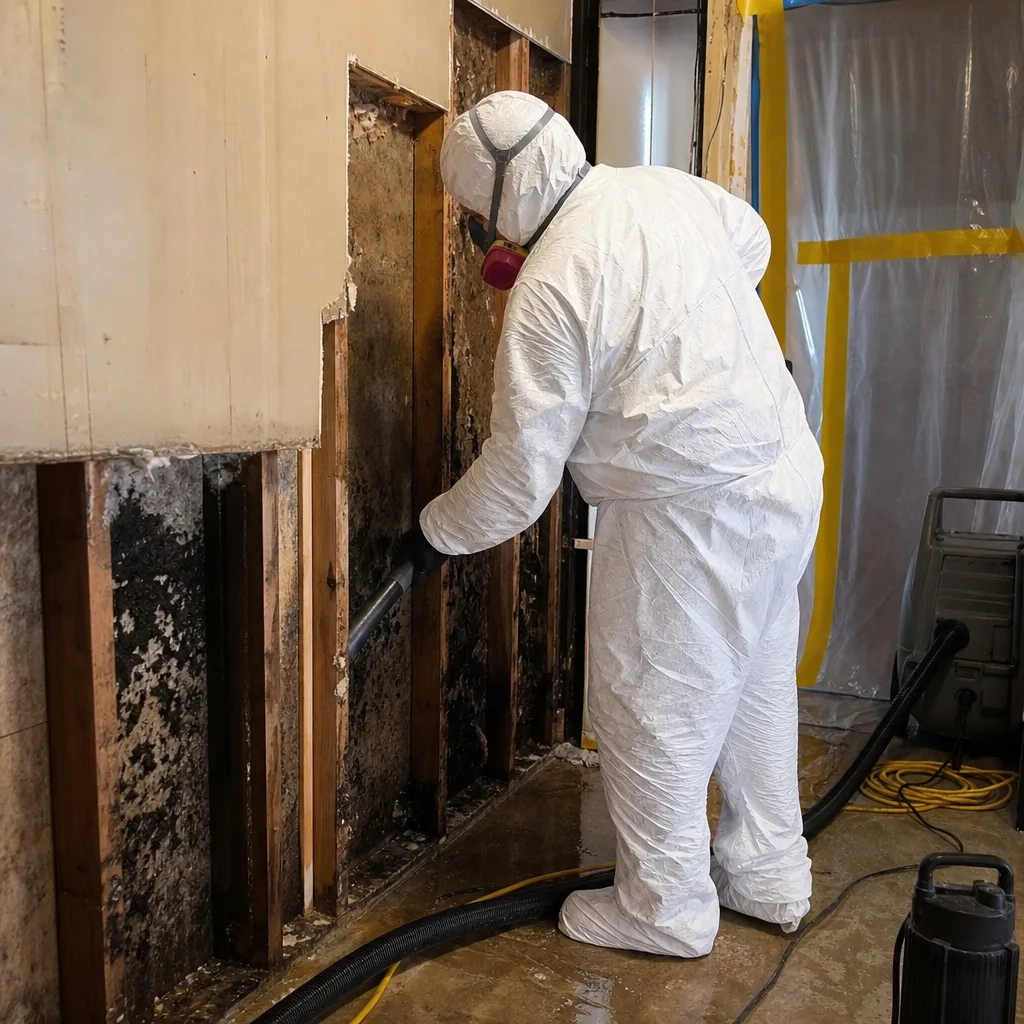
Some conditions exceed homeowner capability or equipment. Call for professional assessment when:
- Moisture meter readings exceed 16% at slab level or 20% in any structural wood
- Water pressure exceeds 80 PSI static or shows more than 15 PSI drop during flow, indicating regulator failure or pipe obstruction
- Any roof penetration shows daylight from the attic side, or rafters display staining that has grown since last inspection
- Water heater tank base shows any moisture, or TPR valve discharges continuously or not at all
- You smell mustiness without visible source, indicating hidden mold amplification
- Any supply line shows bulging, cracking, or corrosion at connection points
Water Damage Restoration in Anaheim requires documented assessment before remediation begins. Mold Remediation in Anaheim is similarly documentation-dependent; airborne spore counts and moisture mapping establish the scope that insurers will cover. DryMark Restoration Anaheim offers free estimates in Anaheim - call (909) 525-4167. Every estimate is delivered in writing before work begins, with photo documentation on every visit, under The Haven Standard.
Frequently Asked Questions
Quarterly inspections of appliances, irrigation, and roof penetrations, plus annual deep checks of water heaters, shut-off valves, slab perimeters, and drainage systems, provide adequate coverage for most homes. Pre-1990 construction or homes with mature trees overhead benefit from more frequent roof and slab monitoring. Call (909) 525-4167 if your home falls in these categories and you want a professional baseline assessment.
Insurance may deny or reduce claims where the insurer can demonstrate neglect contributed to the damage. The “neglect” exclusion is standard in California homeowners policies. Documented maintenance does not guarantee coverage, but it shifts the burden of proof; the insurer must demonstrate that your specific failure to maintain caused the loss, rather than asserting general neglect. We have seen documented homeowners receive full coverage where undocumented neighbors in identical situations faced partial denial.
Three factors: hard water scaling that accelerates valve and seal wear; Santa Ana wind-driven rain that penetrates roofing assemblies in ways vertical rainfall does not; and a significant stock of pre-1990 slab-on-grade homes without modern moisture barriers. Each requires specific monitoring and documentation protocols that generic checklists omit.
Pinless moisture meter readings above 16% at baseboard level, efflorescence or spalling at the slab perimeter, musty odors without visible source, or tile grout discoloration near exterior walls all indicate slab moisture uptake. These conditions do not self-resolve; they indicate either a failed moisture barrier, irrigation misdirection, or groundwater fluctuation that requires professional assessment and remediation planning.
Replace on schedule. The failure modes, burst and connection separation, occur suddenly and without reliable early warning. A line that appears sound can fail catastrophically. The cost of scheduled replacement is negligible; the cost of failure is substantial. For Anaheim’s hard water conditions, use the shorter end of replacement ranges: 3 years for rubber, 4 years for braided stainless.
Dated photographs showing the condition of maintained items, quantitative readings where applicable, and a continuous record without gaps. Adjusters look for patterns: a homeowner who documented quarterly for two years and then stopped six months before the loss faces questions about what changed. Consistency matters as much as content. The photo record we produce on every DryMark Restoration Anaheim home visit, included as standard deliverable, follows this same principle for the restoration phase.
The Bottom Line
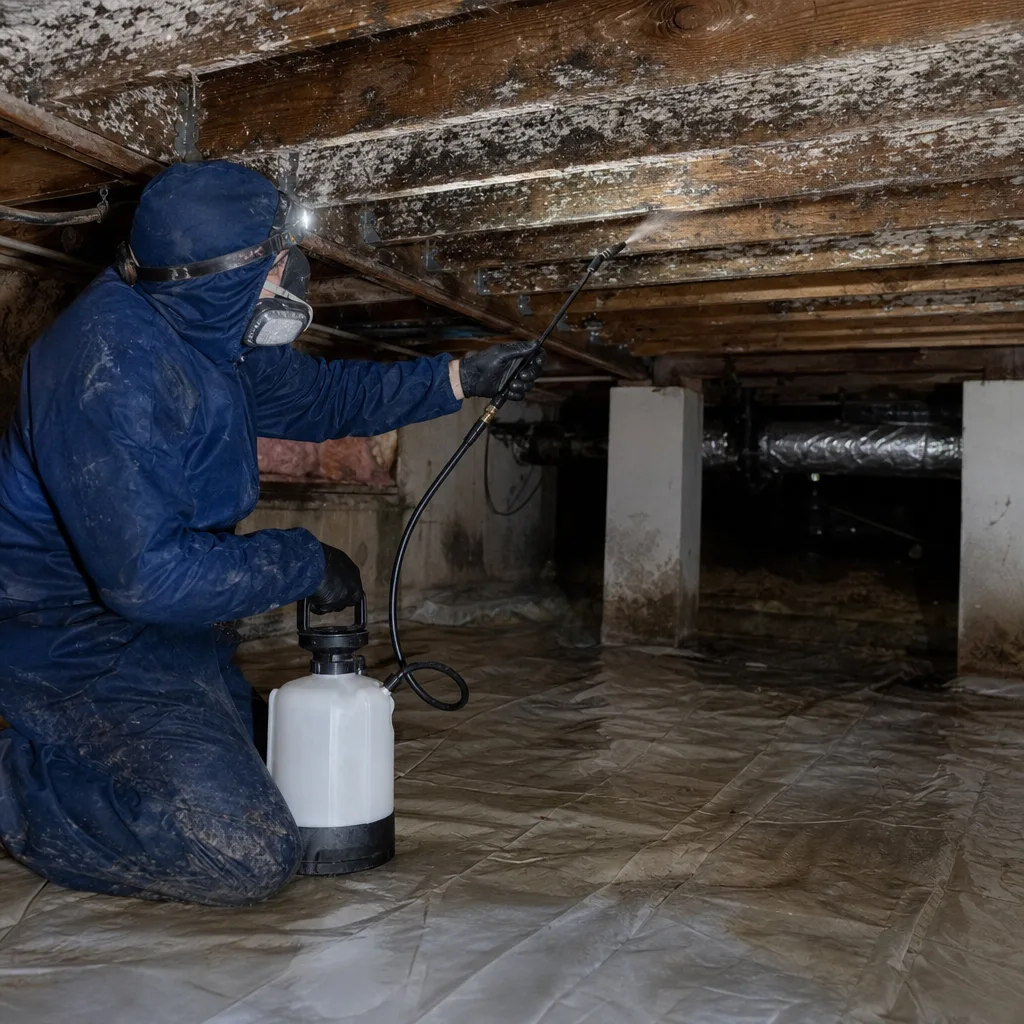
Water damage prevention in Anaheim is two jobs: reducing the probability of loss, and preparing the documentation that ensures coverage when loss occurs. This checklist addresses both. Quarterly tasks take 45 minutes; annual tasks take 2-3 hours. The logging discipline adds perhaps 15 minutes per task. Over two years, this investment of 8-10 hours produces a record that can save weeks of claim dispute and thousands in uncovered damage.
The homes we restore fastest, with the fewest coverage disputes, belong to homeowners who treated maintenance documentation as seriously as the maintenance itself. The Haven Standard, which governs every DryMark Restoration Anaheim job, applies the same discipline to restoration: written price before work begins, photo record on every visit, daily drying logs with psychrometric data, and a 365-Day Done Right Promise backed by signed warranty. Prevention and response share a common foundation. Build yours now, before the next Santa Ana season or supply line failure tests it.
For a free estimate, a second opinion on any competitor’s written quote, or professional moisture assessment of your Anaheim home, call (909) 525-4167. A live person answers, 24 hours a day, 7 days a week. Every estimate is delivered in writing before work begins, with no exceptions.
Written by Alicia Brennan, Owner at DryMark Restoration Anaheim, serving Anaheim since 2011.