
Last updated September 23, 2026
Free visual inspection and a written scope of work before any mitigation begins - photos, moisture readings, and drying logs go in your claim file
The scope we write is the scope we bill. Anything new gets shown to you, in writing, before we touch it.
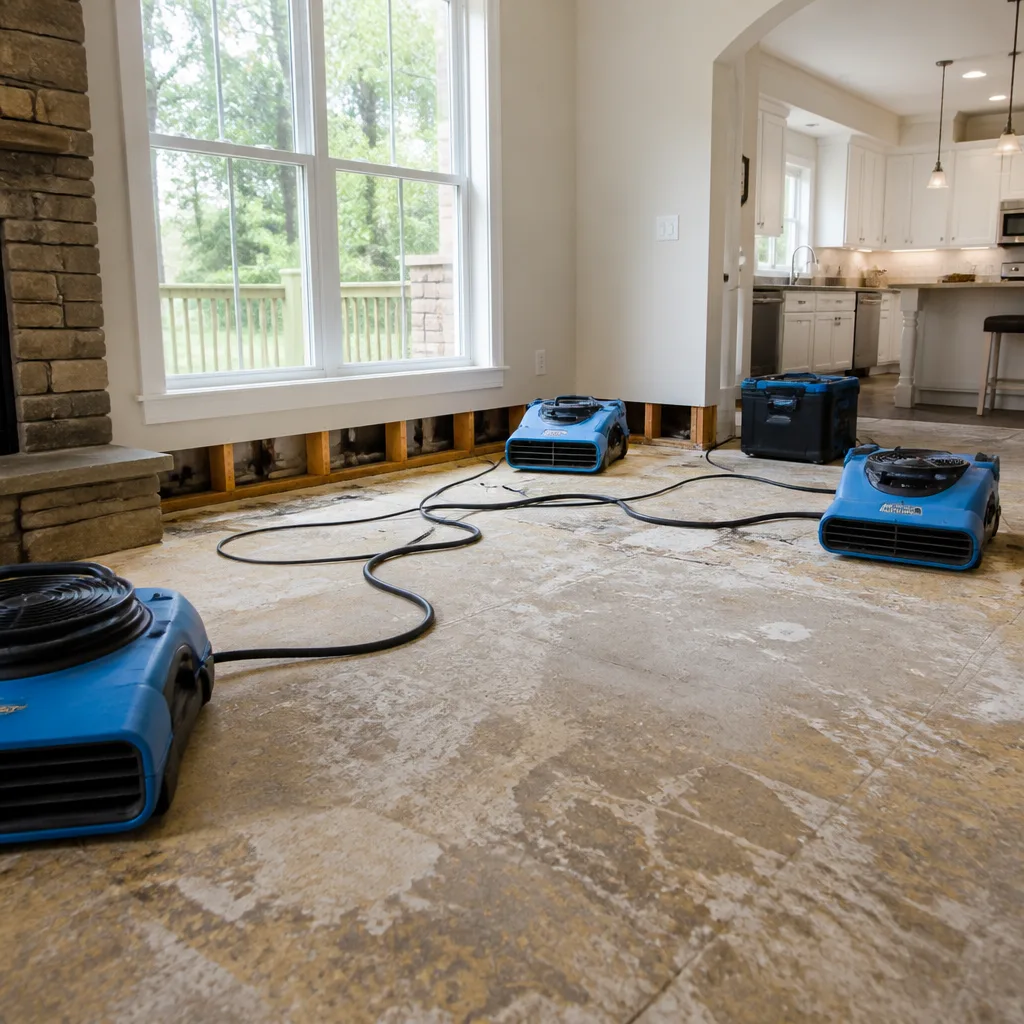
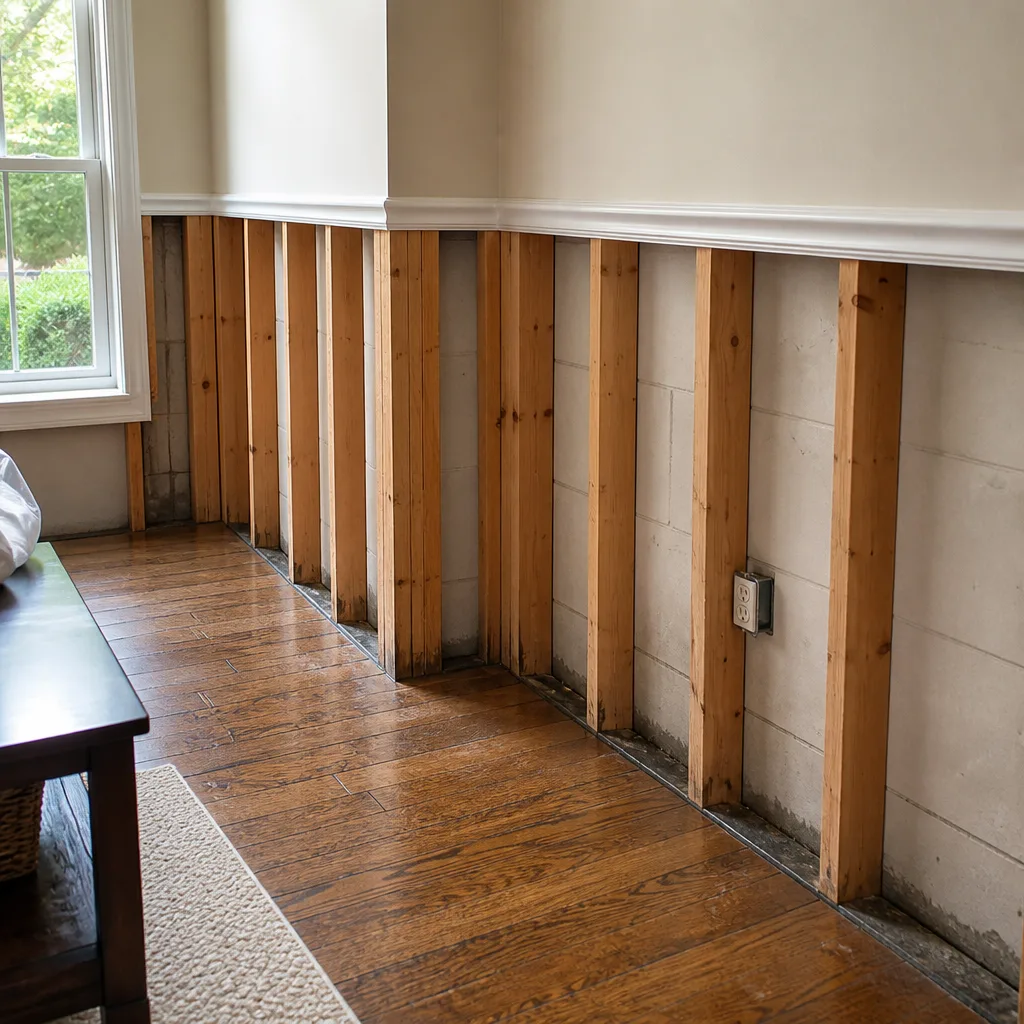
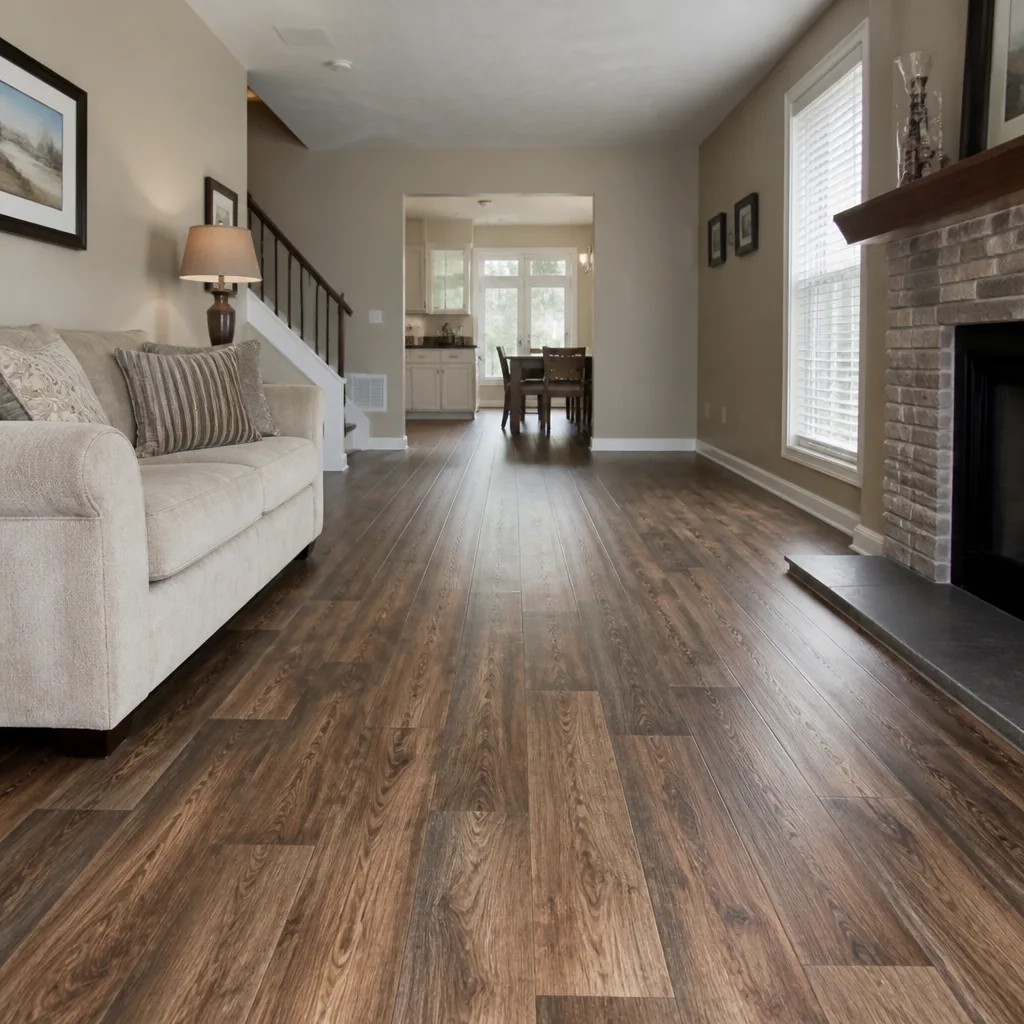
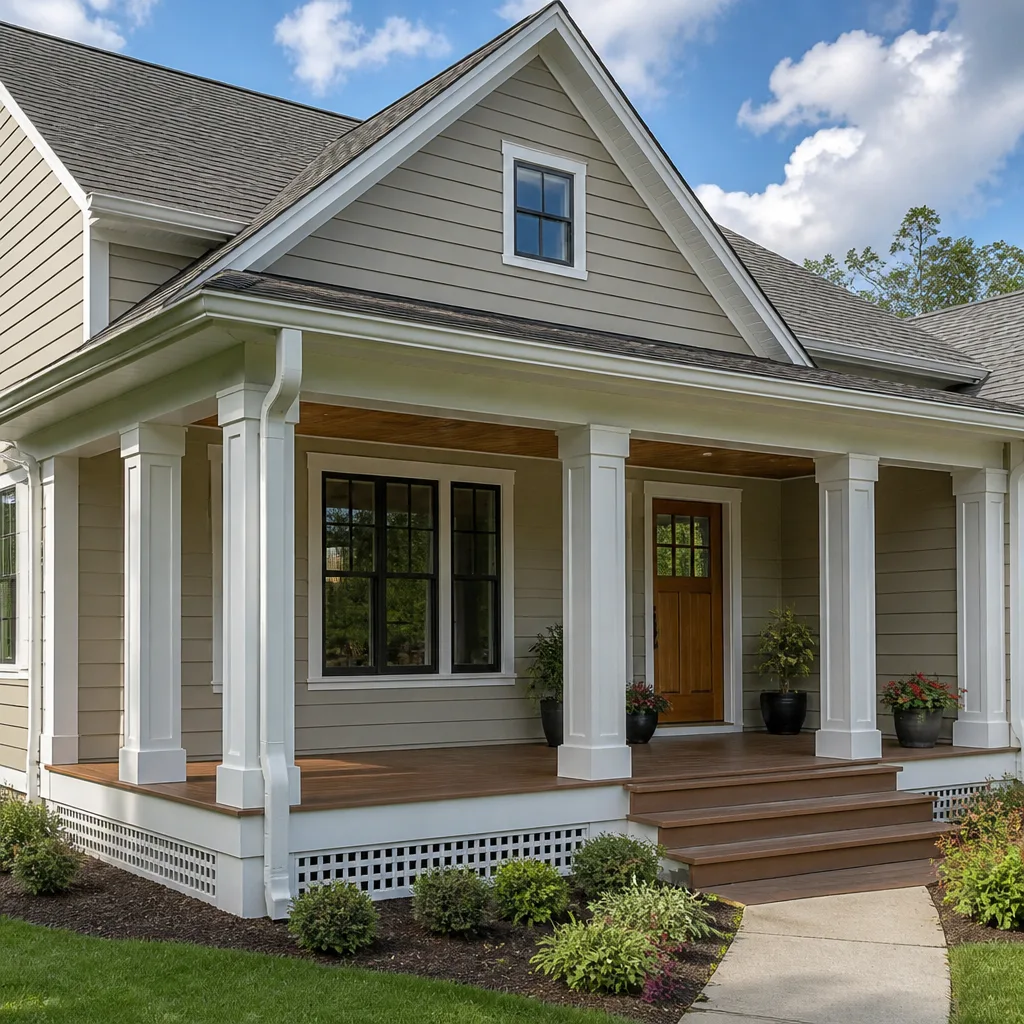
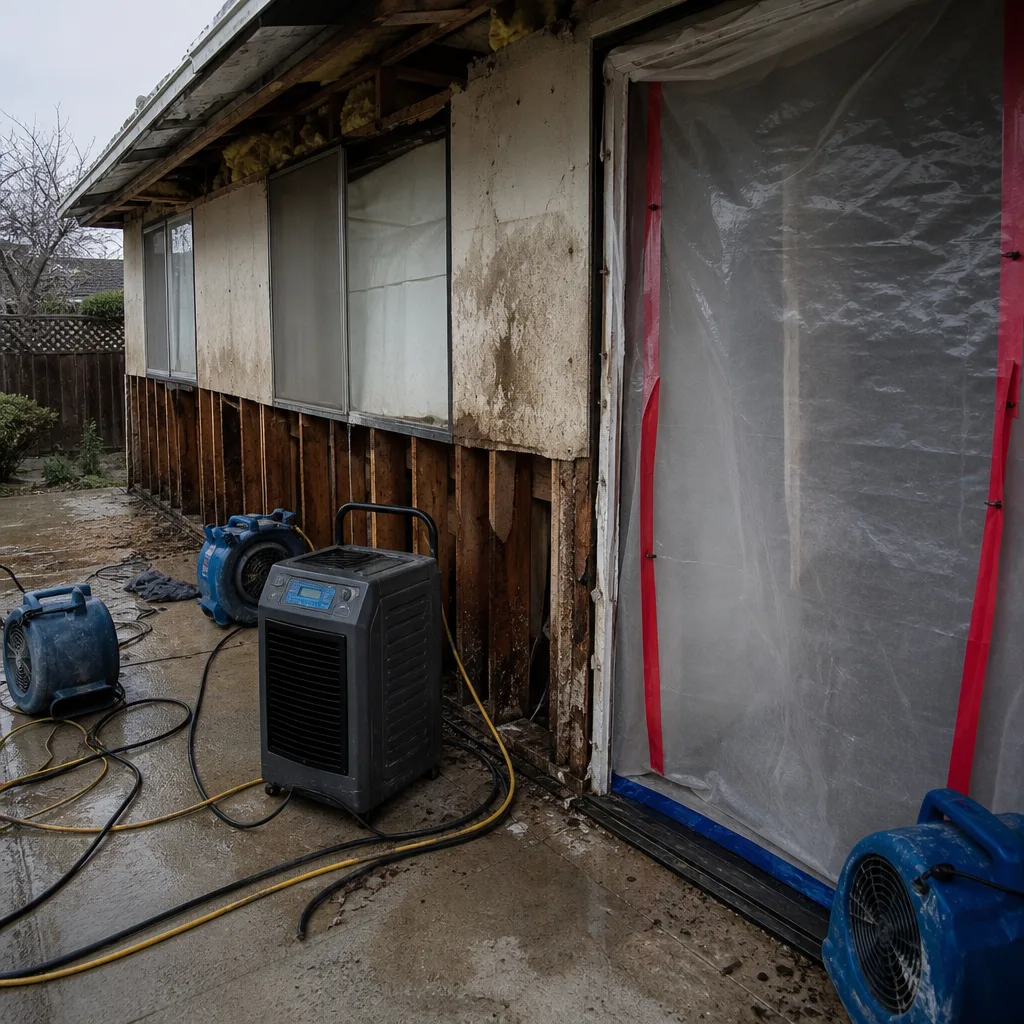 Before
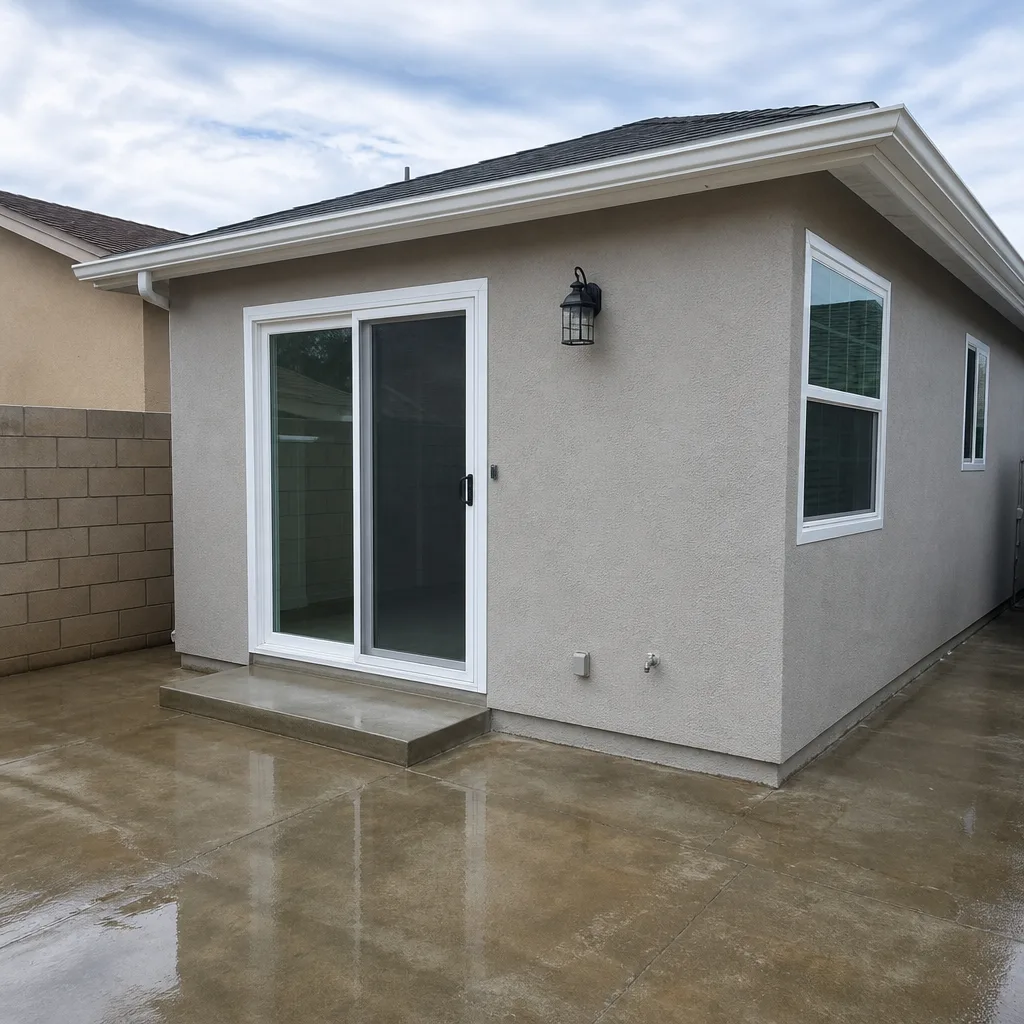 After
After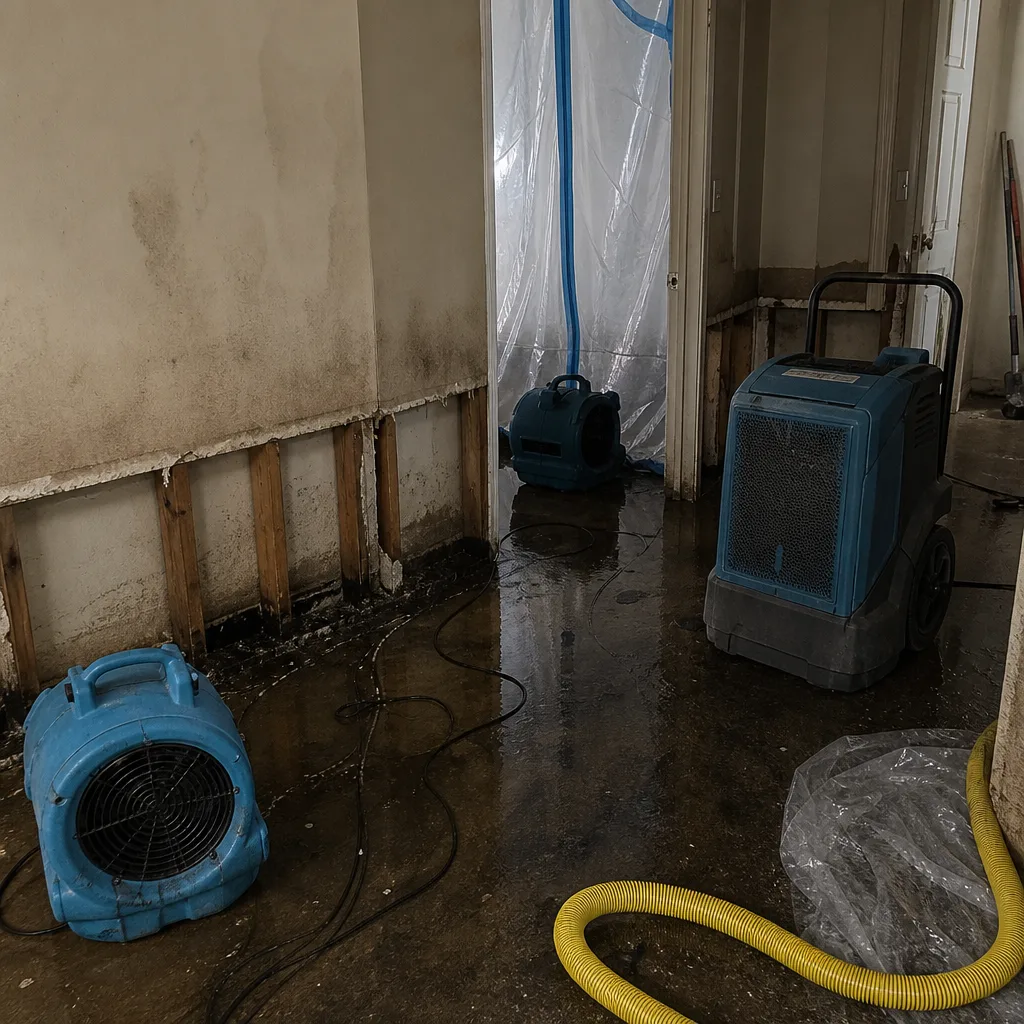 Before
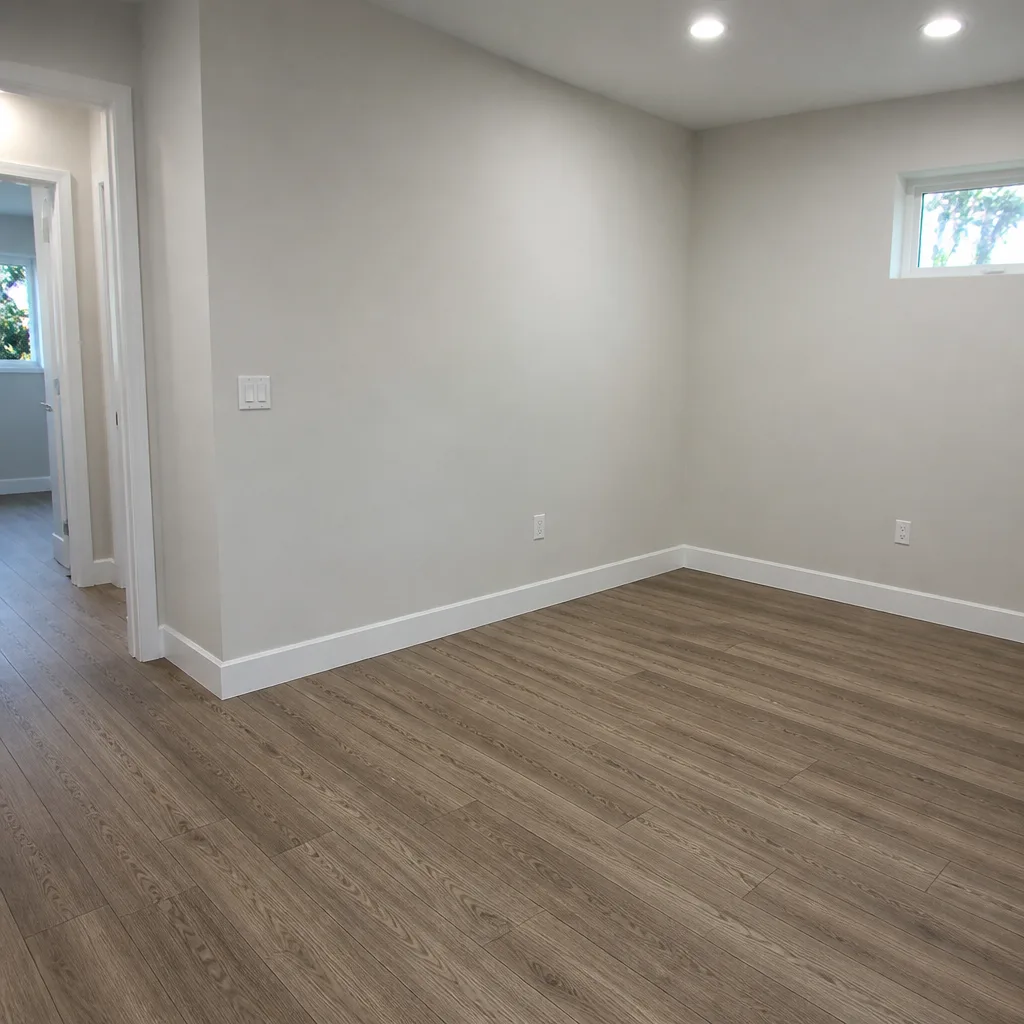 After
After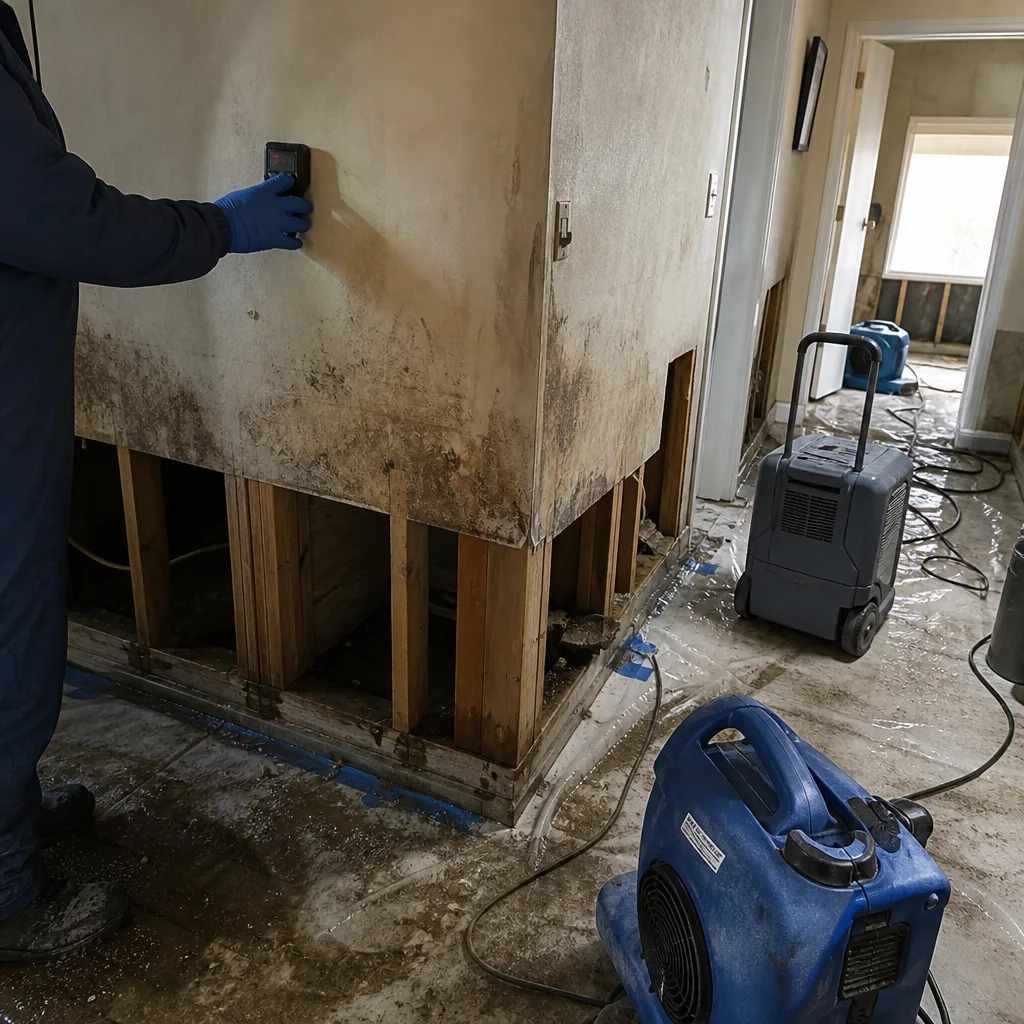 Before
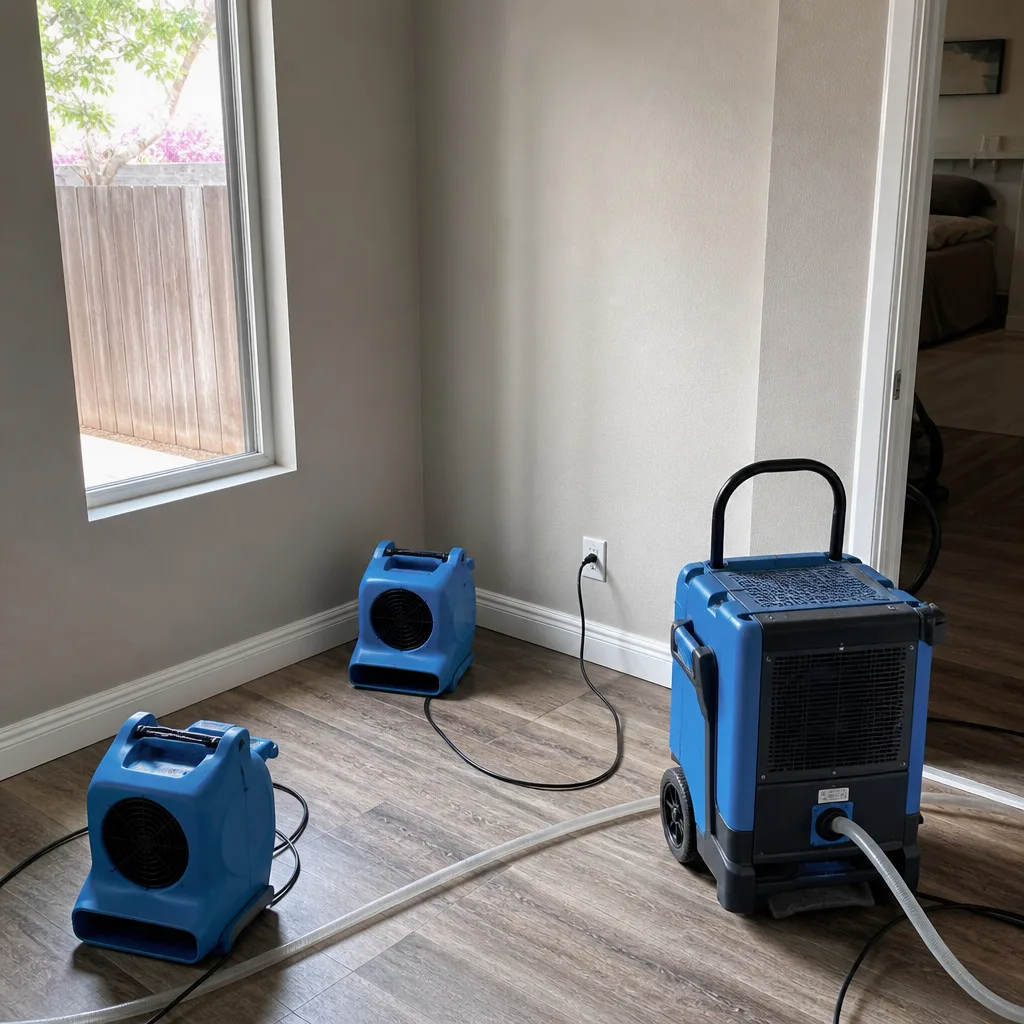 After
AfterHow to Hire a Damage Restoration Contractor in Anaheim: A Step-by-Step Guide
In California, a restoration contractor doesn’t need a specialty license to enter your home after water damage - a general B license is sufficient - which means the credential check most Anaheim homeowners rely on filters out almost nobody. We’ve seen the aftermath: crews with proper paperwork who leave no moisture logs, no photo record, and a claim that sits in dispute for months. This guide - along with our Complete Guide to Damage Restoration in Anaheim - walks you through the exact documents to request, the specific questions that surface documentation quality, and the contract red flags that separate contractors who help your claim from those who complicate it.
Quick Answer
To hire a damage restoration contractor in Anaheim, verify three license types based on scope (B-General, C-33 Painting, or C-36 Plumbing), request a complete documentation package from a recent job before signing, and insist on a written price with per-line-item pricing before any work begins. The contractor who can show you psychrometric drying logs, dated photo records, and a written scope supplement history is the contractor who will protect your insurance claim.
Table of Contents
- The Three License Types That Actually Matter in Anaheim
- The Documentation Package: What to Request Before You Sign
- Specific Interview Questions That Surface Documentation Quality
- Why “We Work Directly With Your Insurance” Is Sometimes a Warning
- Red Flags in a Restoration Contract
- Anaheim-Specific Considerations: Climate, Codes, and Neighborhoods
- A Step-by-Step Hiring Checklist
- Common Mistakes to Avoid
- When to Call a Professional
- Frequently Asked Questions
- The Bottom Line
 Before
 After
AfterThe Three License Types That Actually Matter in Anaheim
Most homeowners check for a license. Few check whether it’s the right license for the work being performed. In Anaheim, as across California, the Contractors State License Board (CSLB) issues distinct classifications, and restoration jobs routinely cross into territory that requires more than one.
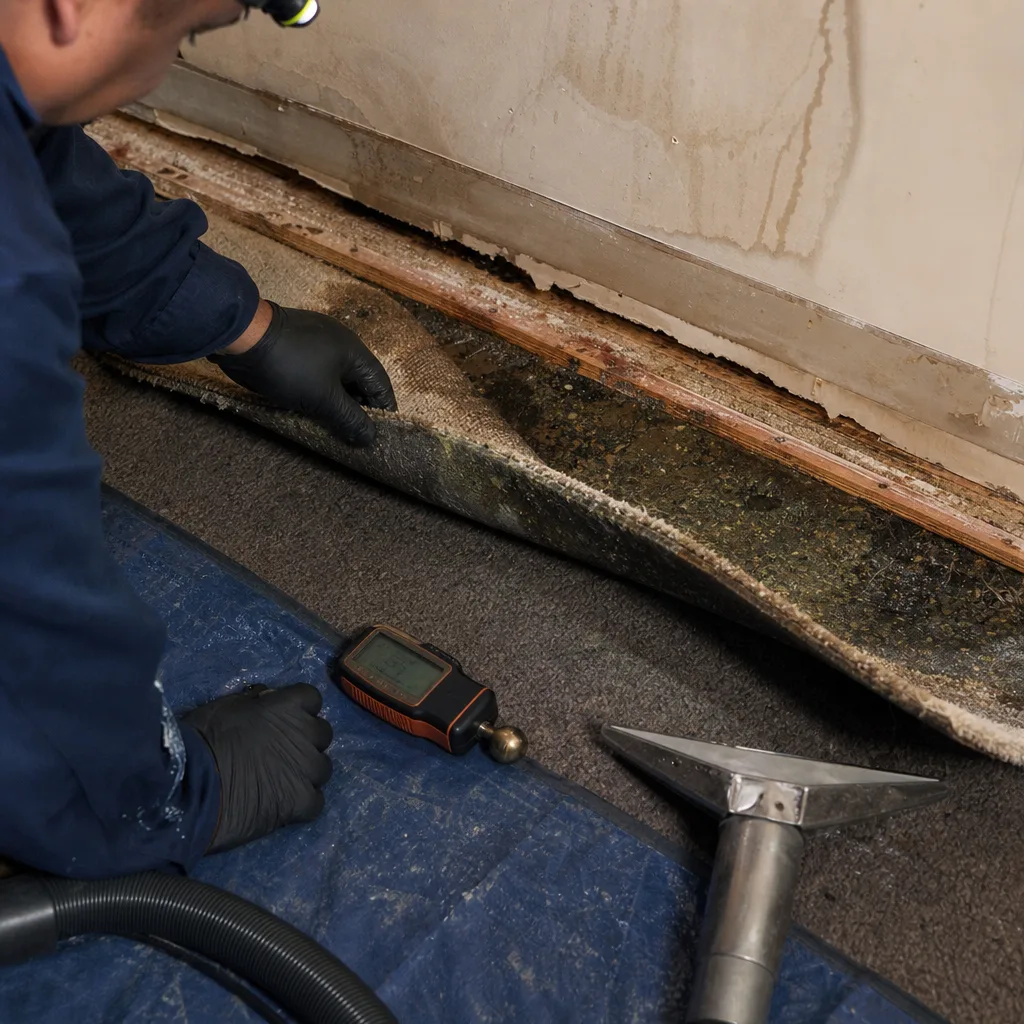
B-General Building Contractor. This is the license you’ll encounter most often. A B license holder can perform restoration work that involves two or more unrelated trades - framing, drywall, flooring - on a single project. For standard water damage restoration involving extraction, drying, and rebuild, this license is legally sufficient. But it is not specialty-specific. A B contractor cannot perform plumbing repairs on the supply line that caused the damage unless they also hold a C-36, and cannot apply mold encapsulation coatings unless they also hold a C-33.
C-33 Painting and Decorating Contractor. Mold remediation in Anaheim frequently ends with encapsulation - the application of a sealant to remaining structural members after removal of contaminated materials. This is legally painting work. A contractor performing encapsulation without a C-33 is operating outside their license classification. Ask specifically: “Will this scope include encapsulation, and who holds the C-33?”
C-36 Plumbing Contractor. Water damage originating from a supply line, angle stop, or pressurized fitting requires plumbing repair. A B contractor can subcontract this work to a C-36 holder, but the relationship must be disclosed. We’ve seen scopes where the “restoration contractor” performed the plumbing repair in-house without proper licensing, leaving the homeowner with no recourse when the repair failed six months later.
Verify any license at cslb.ca.gov using the contractor’s full business name or license number. Check for active status, bond history, and any disciplinary actions. A license in good standing for ten years means nothing if it was suspended for insurance fraud in year eight.
The Documentation Package: What to Request Before You Sign
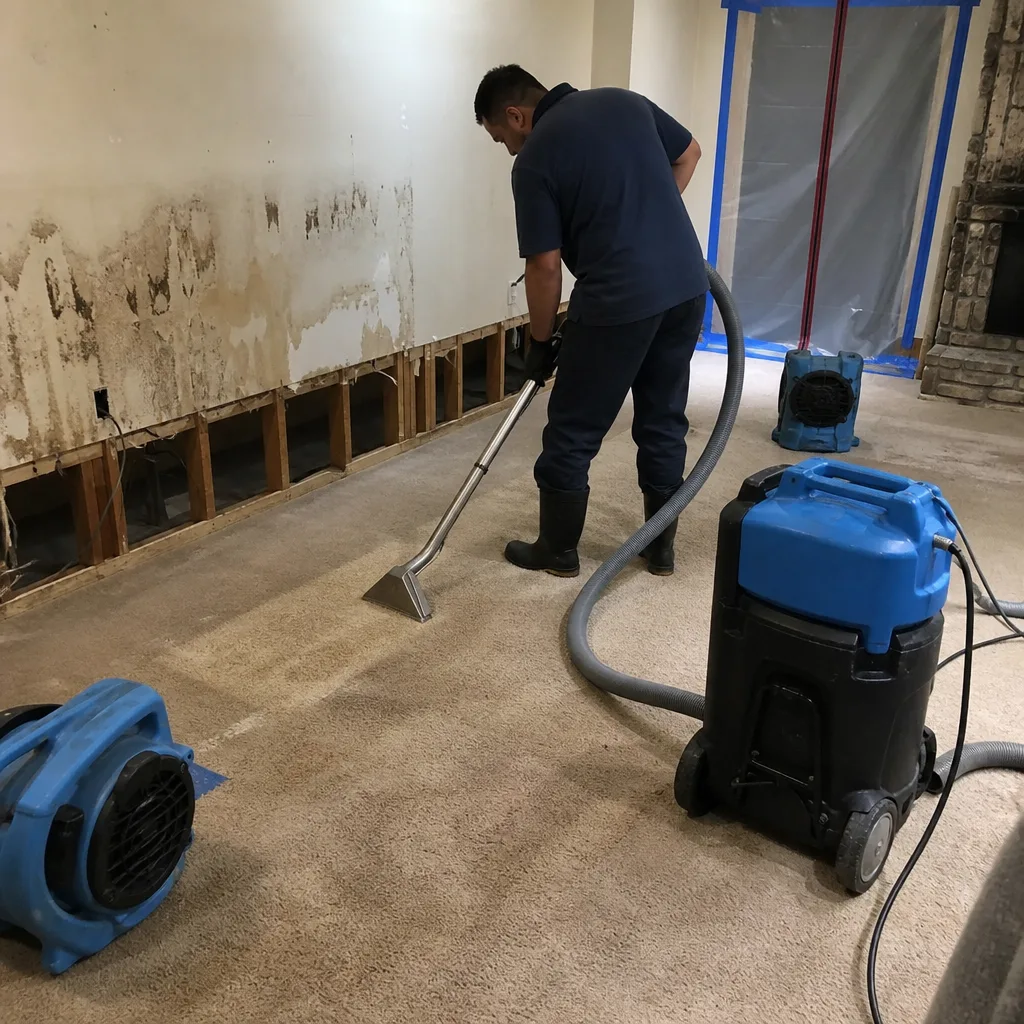
The single question that separates a restoration contractor who will help your claim from one who will complicate it is this: “Can I see the documentation package from a recently completed job?” A contractor who hands you a blank stare is telling you everything you need to know before you sign anything.
At DryMark Restoration Anaheim home, we produce four documents on every job, every time, under The Haven Standard. Any contractor worthy of your home should produce equivalents. Request to see:
- Written scope of work with per-line-item pricing. Not a single lump sum. Not “dry out living room: $4,200.” Line-item pricing means: air mover rental per day, dehumidifier rental per day, moisture monitoring visits, demolition labor by square footage, material classifications by trade name. This granularity is what allows an adjuster to approve payment without dispute. Haven Standard, Clause 1: written price before work begins - always, on every job, with no exceptions.
- Equipment placement plan. A diagram or room-by-room list showing the type, quantity, and strategic placement of drying equipment. Professional-grade drying systems from Dri-Eaz, Phoenix, and Injectidry are positioned based on psychrometric calculations - the measurement of temperature, relative humidity, and vapor pressure that determines how much moisture the air can hold and how fast materials will release it. A contractor who places equipment by intuition rather than calculation will extend drying time and inflate your invoice.
- Photo documentation schedule. Not “before and after.” A complete photo record with timestamps on every visit: initial moisture readings, equipment placement, daily or twice-daily moisture mapping, material removal, and final clearance readings. Our documented photo record is included as a standard deliverable, never an upsell. Ask to see a complete set from a recent job in Anaheim - not selected highlights, the full sequence.
- Daily or twice-daily moisture logs with psychrometric data. These are the records that transform a restoration invoice into a payable insurance claim. The log should show: date and time, room location, material type (drywall, subfloor, framing), moisture content percentage, target moisture goal, dehumidifier grain depression reading, and technician signature. Tertiary drying - the final phase where deep structural moisture is extracted at the molecular level - should be noted with specific vapor pressure differential readings.
A contractor who treats these documents as proprietary or claims they “can’t share another customer’s information” can redact the address and personal details. What matters is the structure, frequency, and specificity of the documentation. If they cannot produce a sample, they do not produce them routinely.
Specific Interview Questions That Surface Documentation Quality
General questions get rehearsed answers. Specific questions about documentation protocols reveal whether a contractor operates from procedure or improvisation. Ask these in your initial consultation:
- “How often do you record psychrometric data during the drying phase, and what equipment do you use?” The answer should be daily or twice-daily, using calibrated meters (Tramex, Delmhorst, or equivalent) with readings logged to software or physical drying logs. Vague answers like “we check regularly” or “our equipment has built-in sensors” suggest documentation is not a priority. Built-in sensors supplement; they do not replace, calibrated spot readings.
- “What is your moisture goal benchmark for drywall in Anaheim’s coastal-influenced climate, and how do you adjust for seasonal humidity?” Drywall in Anaheim typically targets 12-16% moisture content, but summer marine layer influence and winter Santa Ana conditions shift ambient humidity significantly. A contractor who gives a fixed number without seasonal adjustment is not accounting for real conditions. In the Anaheim Hills, where elevation increases temperature variation, benchmarks may differ from flatland neighborhoods like the Platinum Triangle.
- “Walk me through your last scope supplement request with an adjuster - what triggered it, and what documentation did you provide?” Scope supplements are routine in restoration. Hidden damage reveals itself during demolition. The question is not whether supplements occur, but how the contractor documents the need and communicates with your adjuster. Look for: photos of the hidden condition, written explanation of why it was not visible during initial assessment, and a revised line-item scope. A contractor who says “we just call the adjuster” without a documentation process is asking you to trust their phone skills.
- “What does your 365-Day Done Right Promise cover, and can I see the written warranty?” Verbal assurances are not assurances. The Haven Standard requires a signed, written warranty on every job. Ask to see the actual document. It should specify: what constitutes “not done right,” the process for invoking the promise, response time for return visits, and whether coverage extends to materials and workmanship or workmanship only.
- “If I bring you a competitor’s written estimate, will you review it at no charge?” This tests confidence and transparency. At DryMark Restoration Anaheim, we offer a Free Second Opinion on any competitor’s written estimate - not to undercut, but to identify scope gaps, missing documentation requirements, or line items that will trigger adjuster disputes. A contractor who refuses this review may not want scrutiny of their own practices.
Why “We Work Directly With Your Insurance” Is Sometimes a Warning
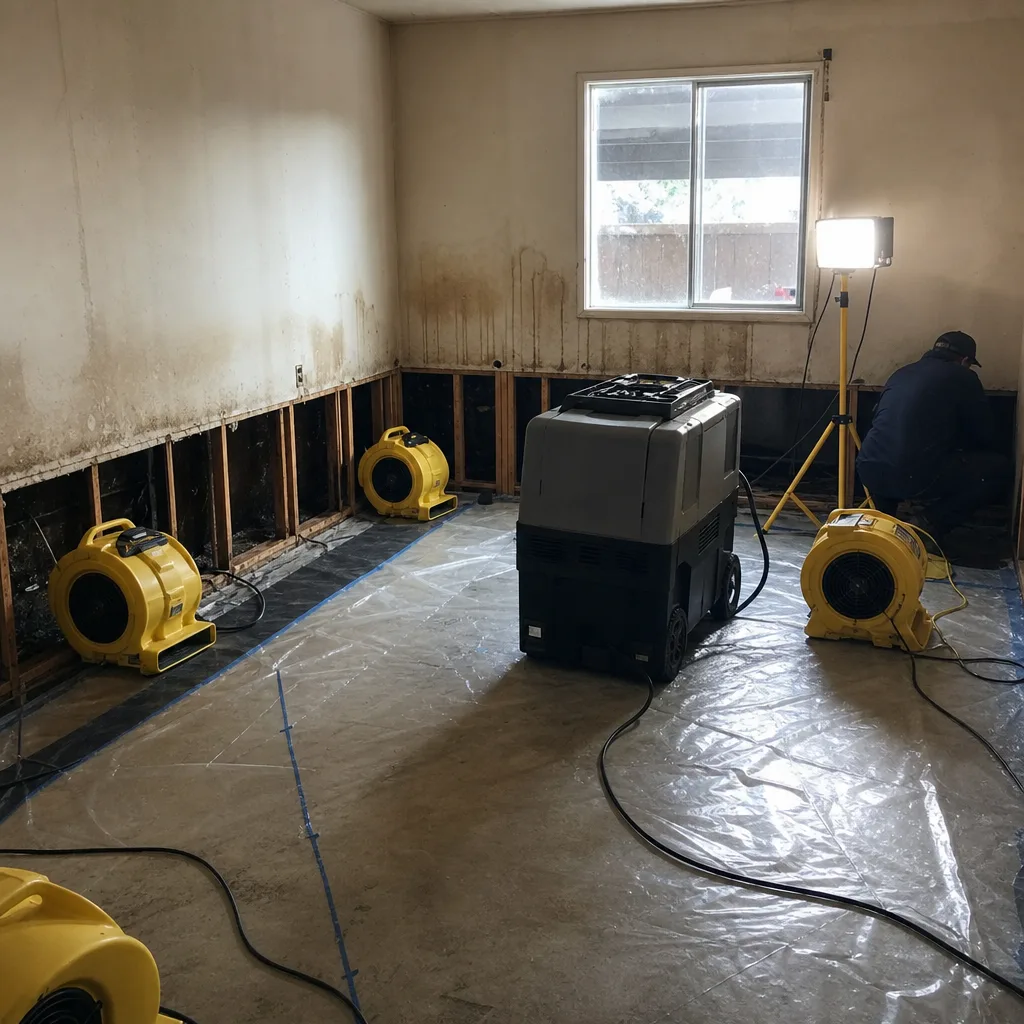
This phrase sounds like convenience. In some cases, it is. In others, it signals an assignment of benefits (AOB) arrangement that removes your control over the claim and invites inflated invoicing.
Here’s how AOB works in restoration: you sign a document transferring your insurance claim rights to the contractor. The contractor now bills your insurer directly, negotiates the settlement, and in some cases, litigates if payment is disputed. You are no longer the claimant. You may not see the final invoice. You may not know the scope was expanded. And if the insurer denies a portion as unreasonable, the contractor may place a lien on your home for the difference.
California has tightened AOB regulations, but the practice persists in modified forms. Red flags include:
- Pressure to sign an AOB before you’ve seen a written scope
- Language like “we’ll handle everything with insurance - you don’t need to worry about it”
- Refusal to provide you with copies of all documentation sent to your adjuster
- A contract that names the contractor as the “insured party” for purposes of claim payment
The alternative is direct coordination with your involvement: the contractor documents thoroughly, provides you with complete copies, and you or your public adjuster submit the claim. This preserves your right to dispute, your visibility into the process, and your protection against surprise balances. At DryMark Restoration Anaheim, we provide photo-documented assessments and direct adjuster coordination - with you cc’d on every communication and every document - as part of our Water Damage Restoration Maintenance Checklist for Anaheim Homeowners approach.
Ask explicitly: “Will I retain my claim rights, and will I receive copies of every invoice and scope revision sent to my insurance?” The answer should be yes, without hesitation.
Red Flags in a Restoration Contract
Restoration contracts in Anaheim vary widely in quality. Some are detailed scopes with line-item precision. Others are single-page authorizations with open-ended language that exposes you to unlimited liability. Review every contract for these specific hazards:
Vague line items with no quantity or duration limits. “Dry out structure: TBD” or “equipment as needed” creates a blank check. Every line item should specify: the service, the unit of measurement (square foot, linear foot, per day, per visit), the quantity, and the unit price. “Dehumidifier, LGR, per day, 3 days maximum, $85/day” is a line item you can verify. “Dehumidification” is not.
No written price before work begins. This is the most common and most costly red flag. A contractor who begins emergency mitigation - extracting water, placing equipment - and promises to “work out pricing later” has violated the foundational protection you have as a consumer. Haven Standard, Clause 1 exists precisely to end this practice. A written price delivered before work starts, every time, with no exceptions. If a contractor claims emergency conditions prevent written pricing, the emergency is their business model.
Clauses restricting second opinions. Any contract language that penalizes you for seeking another estimate, that voids a “guarantee” if another contractor reviews the work, or that charges a fee for equipment removal if you decline to proceed - these are control mechanisms, not service terms. A confident contractor welcomes comparison. We provide a Free Second Opinion on any competitor’s written estimate specifically because documentation quality speaks for itself.
Automatic authorization for scope expansion. Language like “contractor may perform additional work as necessary to complete restoration” without written approval thresholds gives unlimited authority. The contract should specify: a dollar threshold for written approval (typically $500 or $1,000), the timeframe for providing that approval, and your right to halt work pending review.
No reference to documentation standards. A contract that does not mention moisture logs, photo records, or drying benchmarks is a contract that does not require them. If the contractor’s promise of “thorough documentation” is not in the written agreement, it is not enforceable.
Anaheim-Specific Considerations: Climate, Codes, and Neighborhoods
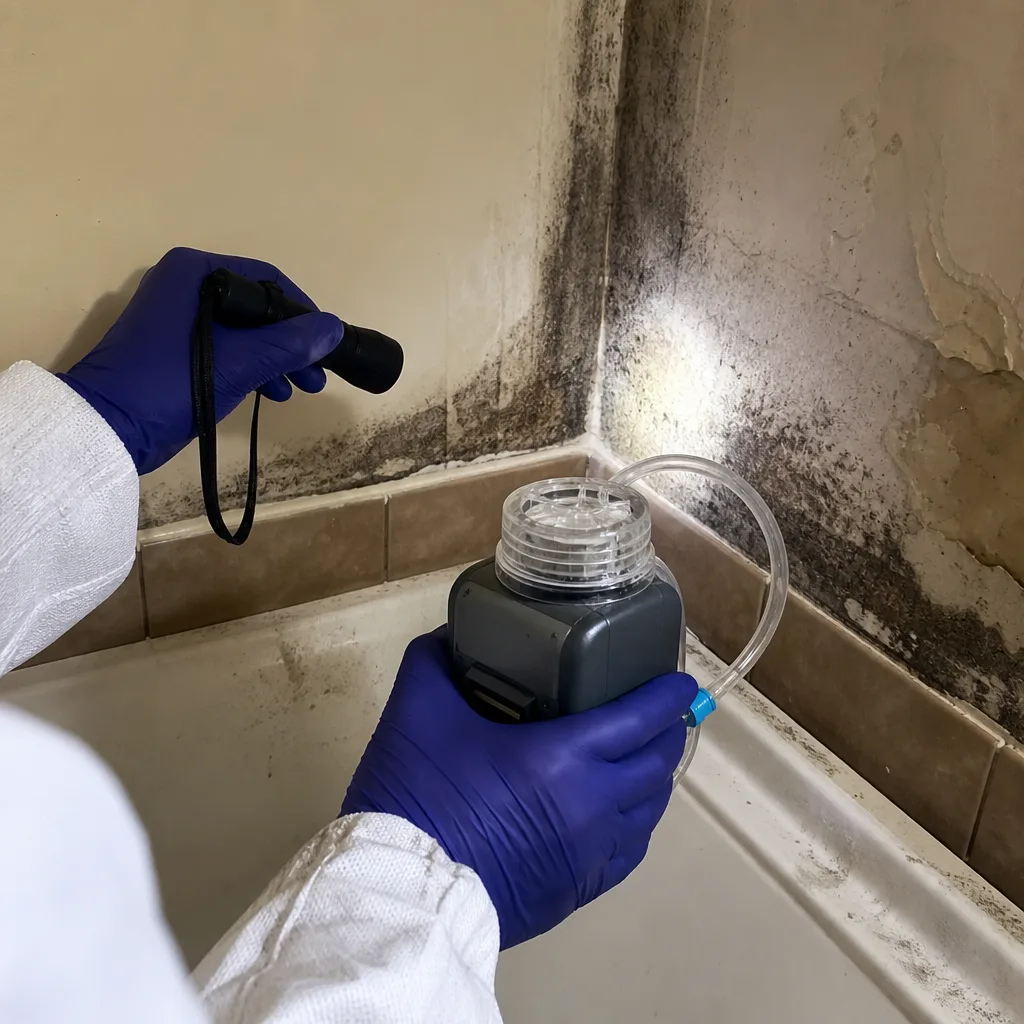
Anaheim’s restoration market has characteristics that affect both contractor selection and project execution. Understanding these local factors - detailed further in our Seasonal Damage Restoration Care for Anaheim: Year-Round Homeowner’s Guide - helps you evaluate whether a contractor has genuine Anaheim experience or simply bought a local phone number.
Climate and drying conditions. Anaheim sits in northern Orange County with a climate that blends coastal marine layer influence and inland heat. Summer mornings below 70°F with 80% relative humidity slow evaporation rates significantly compared to afternoon conditions. Winter Santa Ana winds drop humidity to 15% and create rapid surface drying that masks deep structural moisture. Contractors unfamiliar with these swings may declare a structure dry based on surface readings while subfloors and wall cavities remain wet. In the Anaheim Hills, elevation changes of 500+ feet create microclimates where standard benchmarks don’t apply.
Permit and code considerations. The City of Anaheim Building Division requires permits for reconstruction work exceeding specific thresholds: structural repairs, electrical or plumbing modifications, and any work affecting load-bearing elements. A restoration contractor who proposes to “handle permits” without specifying which permits, for which scope, and at what cost to you is obscuring a line item that should be transparent. Ask for the permit application number and verify it with the city.
Neighborhood-specific construction. Anaheim’s housing stock varies dramatically by era and location. The Anaheim Colony Historic District contains pre-1940s construction with plaster-and-lath walls, balloon framing, and no vapor barriers - materials that require fundamentally different drying protocols than 1990s tract homes in Anaheim Hills. The Platinum Triangle and resort-adjacent areas feature high-rise and mixed-use construction with shared wall assemblies and HOA-coordinated mitigation. A contractor who applies residential single-family methodology to these structures will miss critical containment and documentation requirements.
Insurance market density. Anaheim’s concentration of higher-value homes and commercial properties means adjusters here are experienced and documentation-demanding. The contractors who thrive are those whose documentation packages meet or exceed adjuster expectations on first submission. A contractor who complains about “picky adjusters” is revealing that their documentation has been rejected before.
Water Damage Restoration in Anaheim requires contractors who understand these local variables. The same applies to Mold Remediation in Anaheim, where Anaheim’s summer humidity spikes and winter condensation patterns create specific growth conditions, and Fire & Smoke Damage Restoration in Anaheim, where resort-area commercial codes and residential historic district requirements diverge sharply.
A Step-by-Step Hiring Checklist
Use this sequence when evaluating any restoration contractor in Anaheim. Skipping steps is how documentation gaps become claim disputes.
- Verify license classification at cslb.ca.gov. Confirm active status, proper classification for your scope (B, C-33, and/or C-36), and no recent disciplinary actions. Record the license number for your files.
- Request a sample documentation package from a recent job. Ask for: written scope with line-item pricing, equipment placement plan, complete photo record with timestamps, and moisture logs with psychrometric data. Redact personal information if needed. If the contractor cannot produce this, end the conversation.
- Conduct the documentation-specific interview. Ask the five questions from the interview section above. Record answers in writing. Compare across multiple contractors.
- Clarify insurance coordination terms. Confirm you retain claim rights, receive copies of all documentation, and are not being asked to sign an assignment of benefits. Get this in writing.
- Review the contract for red flags. Check for vague line items, missing written price requirements, restrictions on second opinions, automatic scope expansion language, and absence of documentation standards. Do not sign until all are addressed.
- Confirm the 365-Day Done Right Promise in writing. Read the actual warranty document. Understand what triggers it, how to invoke it, and what it covers. A verbal promise is not a promise.
- Obtain the written price before any work begins. This is not a negotiation point. It is the condition under which work proceeds. Haven Standard, Clause 1.
- Schedule the work only after steps 1-7 are complete. Emergency water damage creates pressure to begin immediately. The cost of a few hours’ delay for proper documentation is negligible compared to the cost of an unverified, unscoped, unpriced mitigation that your insurer disputes for months.
Common Mistakes to Avoid
- Hiring based on response speed alone. In Anaheim’s competitive restoration market, the contractor who arrives fastest is often the contractor who dispatches before assessing, scopes before documenting, and invoices before pricing. Speed matters in water damage - but speed without documentation is expensive.
- Accepting a “verbal estimate” for emergency work. California law requires a written contract for home improvement work exceeding $500. More importantly, your insurer requires documentation to approve payment. A verbal estimate serves neither requirement.
- Failing to verify which license covers which scope. The B-General contractor who performed your water extraction cannot legally encapsulate mold or repair your supply line without additional classification. Unlicensed work voids portions of your claim and eliminates CSLB recourse.
- Ignoring neighborhood-specific experience. A contractor successful in Santa Ana’s 1970s tract homes may lack experience with Anaheim Colony plaster walls or Platinum Triangle high-rise protocols. Ask for specific Anaheim project references in your neighborhood or building type.
- Signing authorization before seeing documentation standards. The authorization to enter your property and begin work is a contract. Once signed, it governs your relationship. Documentation requirements should be specified in this document, not promised afterward.
- Assuming “licensed and insured” means adequately insured. Request certificates of insurance showing general liability, workers’ compensation, and pollution liability (critical for mold and sewage work). Verify with the issuing carrier. Minimum coverage in Anaheim’s restoration market should be $1 million per occurrence, but high-value homes and commercial properties may require more.
- Not getting a second opinion on a large scope. Any estimate exceeding $5,000 warrants comparison. Our Free Second Opinion on any competitor’s written estimate exists because scope gaps are common and costly. A second opinion is due diligence, not distrust.
When to Call a Professional
Some damage scenarios require immediate professional intervention regardless of your hiring timeline. Category 3 water damage (sewage or flooding from outside sources), fire damage with structural compromise, and any mold contamination exceeding 10 square feet should not wait for extended contractor comparison. In these cases, verify license and insurance rapidly, confirm documentation standards verbally, and demand written pricing before reconstruction begins - but do not delay emergency mitigation.
For water damage with Category 1 or 2 classification, fire damage with intact structure, and mold concerns under 10 square feet, you have time to complete the full eight-step checklist above. The documentation quality of your chosen contractor will determine whether your claim resolves in weeks or months.
DryMark Restoration Anaheim offers free estimates in Anaheim - call (909) 525-4167. Our live person answers every call, 24 hours a day, 7 days a week, with no voicemail on emergency lines. Every job is quoted in writing before work begins, documented with a photo record on every visit, and covered by the 365-Day Done Right Promise under The Haven Standard.
Frequently Asked Questions
Water damage restoration in Anaheim typically ranges from $1,200 for limited extraction and drying of a single room to $8,500+ for whole-structure mitigation with reconstruction. Per-line-item pricing breaks down as: emergency extraction $300-$600, air mover rental $25-$45 per day per unit, LGR dehumidifier rental $75-$125 per day, moisture monitoring visits $150-$250 each, and demolition/disposal by square footage. Call (909) 525-4167 for an exact quote - estimates are free, and Haven Standard, Clause 1 requires a written price before any work begins.
Most Anaheim homeowners’ policies cover sudden and accidental water damage from internal sources - burst pipes, appliance failures, water heater ruptures. They typically exclude gradual leaks, flood damage from external sources (which requires separate flood insurance), and damage from unresolved maintenance issues. The key to coverage is documentation: dated photos, moisture logs showing the sudden nature of the event, and a written scope that distinguishes damage from pre-existing conditions. We provide photo-documented assessments and direct adjuster coordination to support your claim.
For emergency water damage, DryMark Restoration Anaheim dispatches within 60-90 minutes of your call across Anaheim, including Anaheim Hills, the Platinum Triangle, and resort-adjacent areas. Response time for non-emergency assessments is typically same-day or next-business-day. Speed language applies to mitigation only - reconstruction and rebuild work is scoped, scheduled, and priced in writing like any remodel project.
For mold contamination under 10 square feet on a non-porous surface, DIY cleaning with proper PPE may suffice. For larger areas, porous materials (drywall, insulation), HVAC involvement, or any uncertainty about contamination extent, professional remediation is necessary. Disturbing mold without containment spreads spores and creates liability issues with your insurer. In Anaheim’s summer humidity, incomplete remediation often regrows within 60 days. We provide documented clearance testing to confirm remediation completion.
You retain primary responsibility for your claim, but a documentation-first contractor coordinates directly with your adjuster while keeping you fully informed. At DryMark Restoration Anaheim, we cc you on all communications and provide you with complete documentation copies. We do not accept assignment of benefits - you maintain claim control. The contractor’s role is to produce documentation so thorough that adjuster approval becomes routine rather than adversarial.
Anaheim combines coastal-influenced humidity, inland heat variation, diverse housing stock from 1920s to present, and high adjuster documentation expectations due to property values and commercial density. Contractors without specific Anaheim experience often misjudge drying timelines in historic districts, underestimate permit requirements in mixed-use zones, or fail to account for microclimate variation between flatland and hillside neighborhoods. Local documentation standards here are higher than in less scrutinized markets.
The Bottom Line
Hiring a restoration contractor in Anaheim is not primarily about finding someone with a license and a truck. It is about finding a contractor whose documentation practices will protect your property, your claim, and your financial exposure. The three license types matter, but documentation quality matters more. The interview questions above - and more guides & resources on our blog - surface whether a contractor operates from verified procedure or improvised reassurance. The contract red flags protect you from open-ended liability. And the step-by-step checklist, applied consistently, separates contractors who will help your claim from those who will complicate it.
Since 2011, Back to Dry Restoration has operated under The Haven Standard, producing the daily drying logs, written scopes, and photo records that turn restoration invoices into claims insurers pay without dispute. Our 12,000+ homes restored include Anaheim properties across every neighborhood and construction era, each with a written price before work started and a documented record when the crew left.
Call (909) 525-4167 for a free estimate, or bring us any competitor’s written estimate for a Free Second Opinion. A real person answers every call, 24 hours a day, 7 days a week.
Written by Alicia Brennan, Owner at DryMark Restoration Anaheim, serving Anaheim since 2011.