
Last updated September 23, 2026
Free visual inspection and a written scope of work before any mitigation begins - photos, moisture readings, and drying logs go in your claim file
The scope we write is the scope we bill. Anything new gets shown to you, in writing, before we touch it.
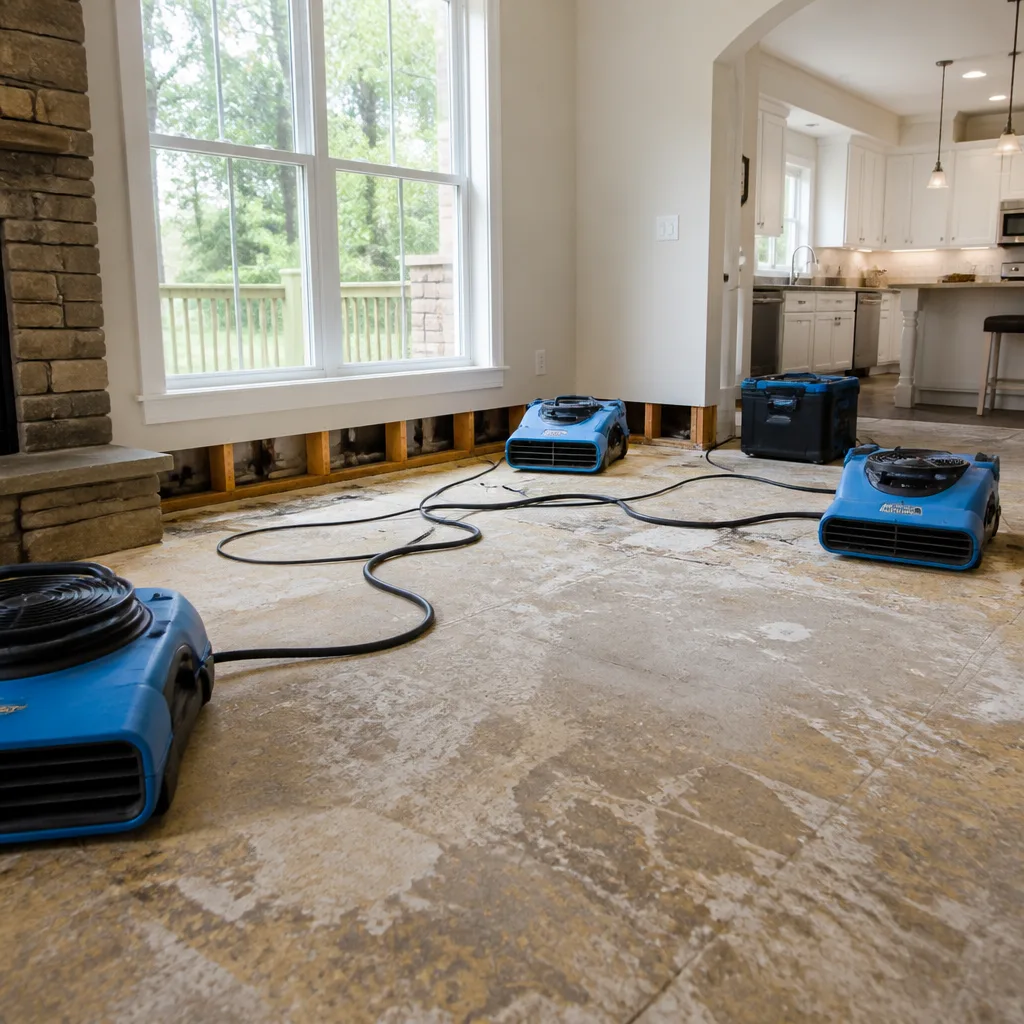
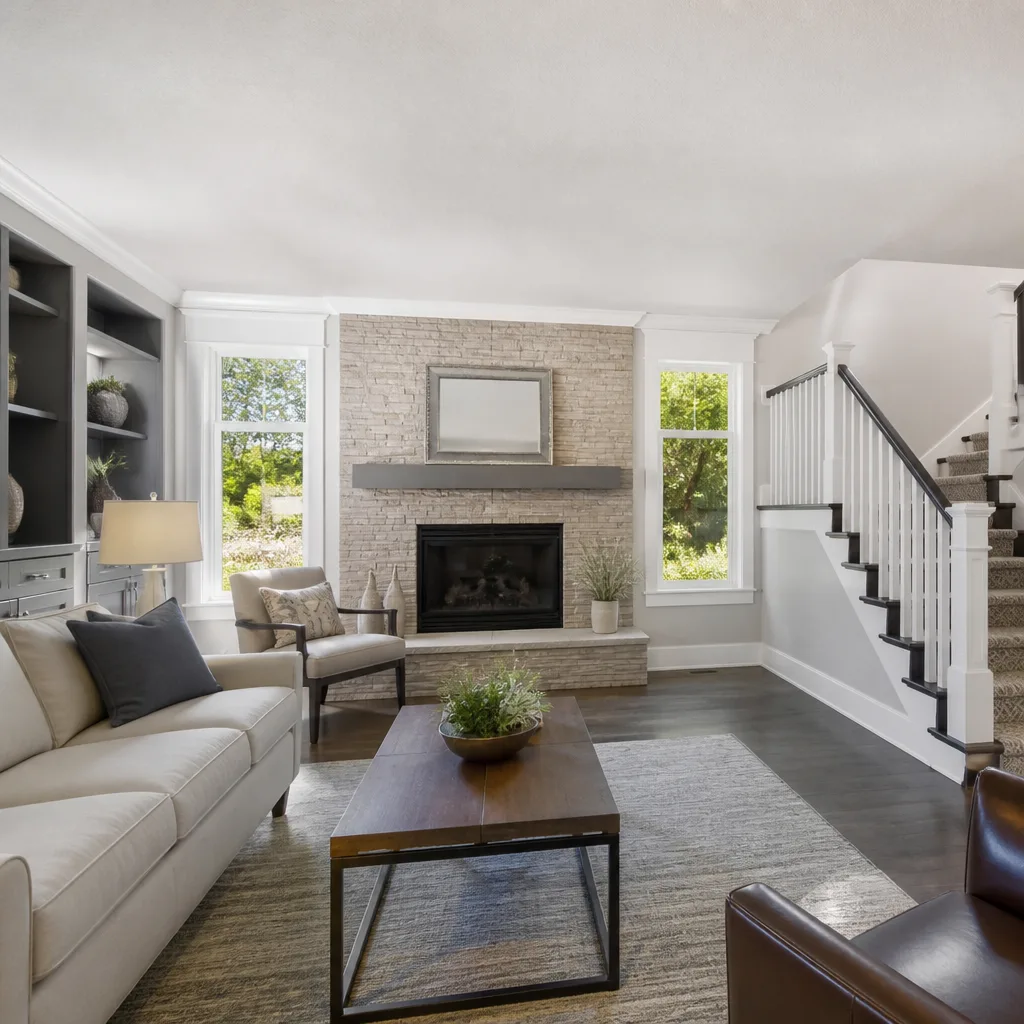
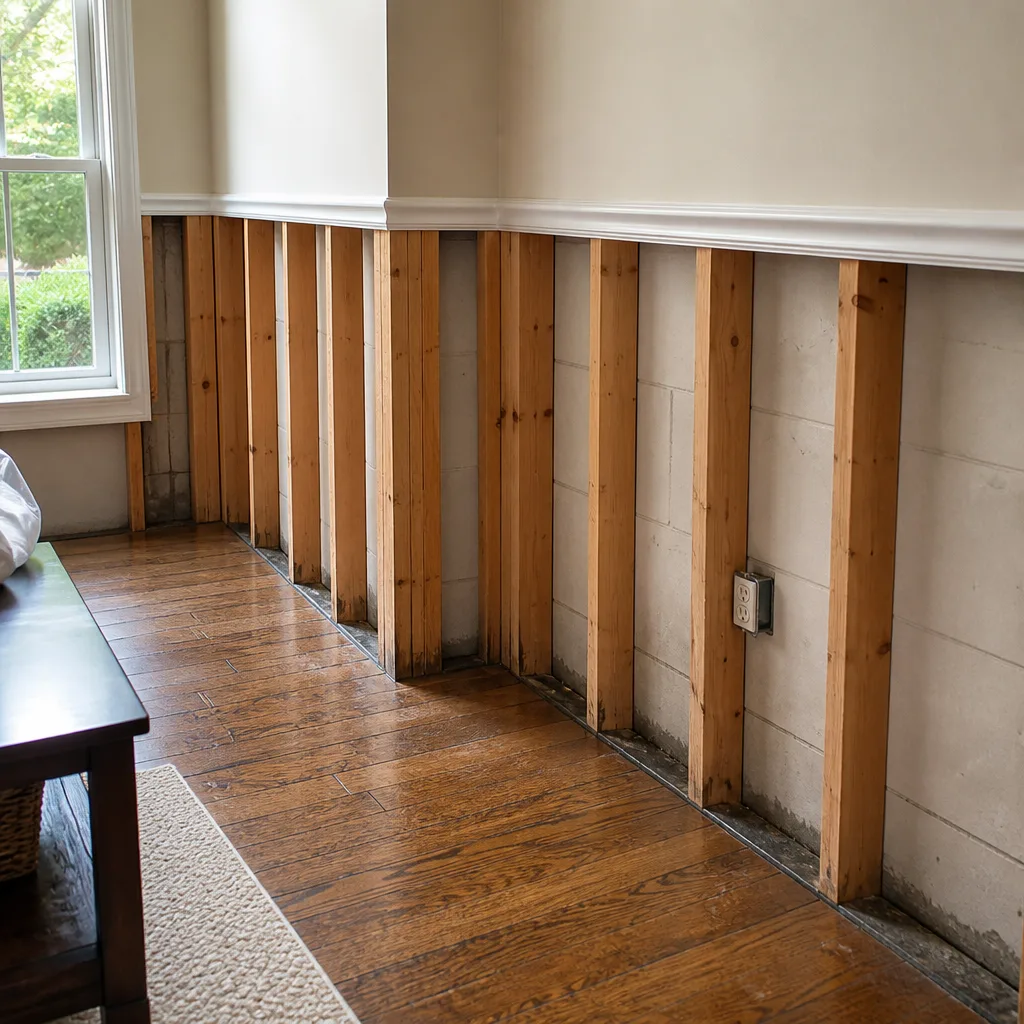

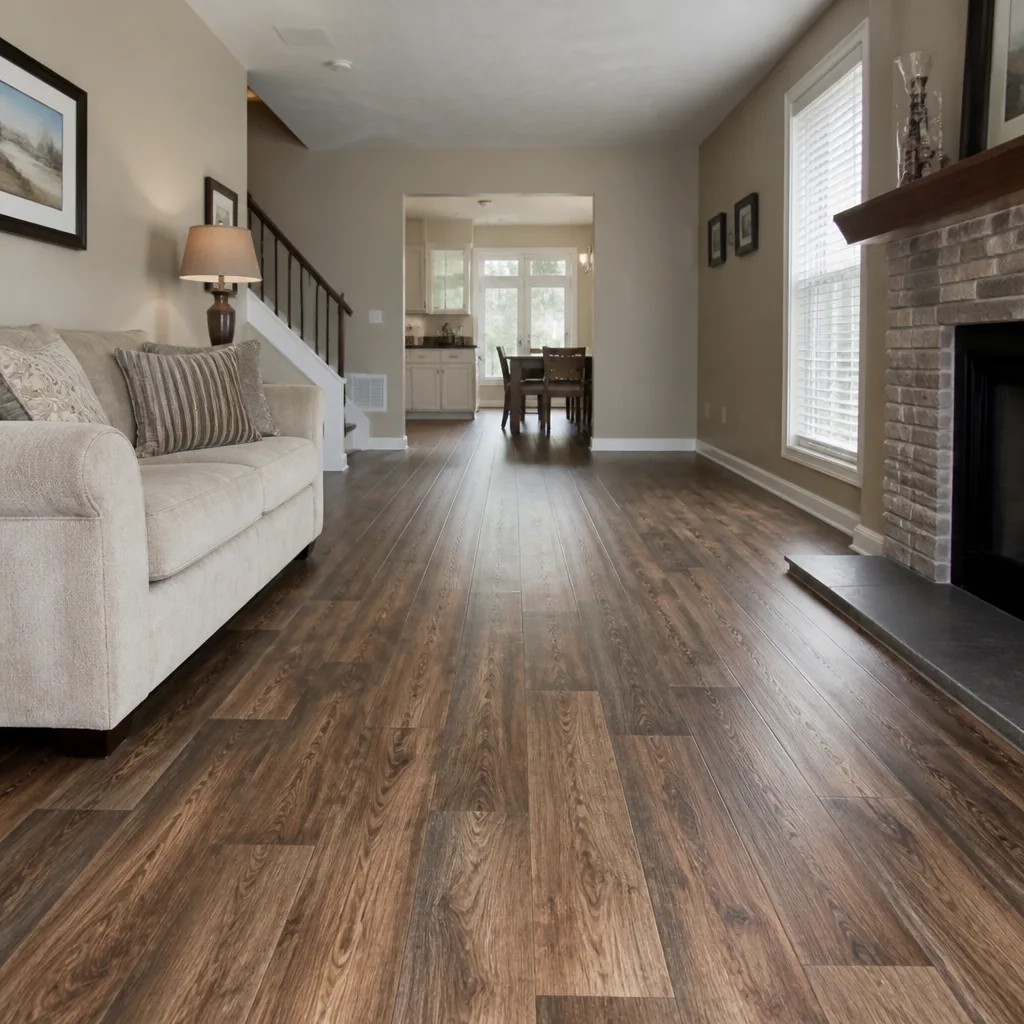

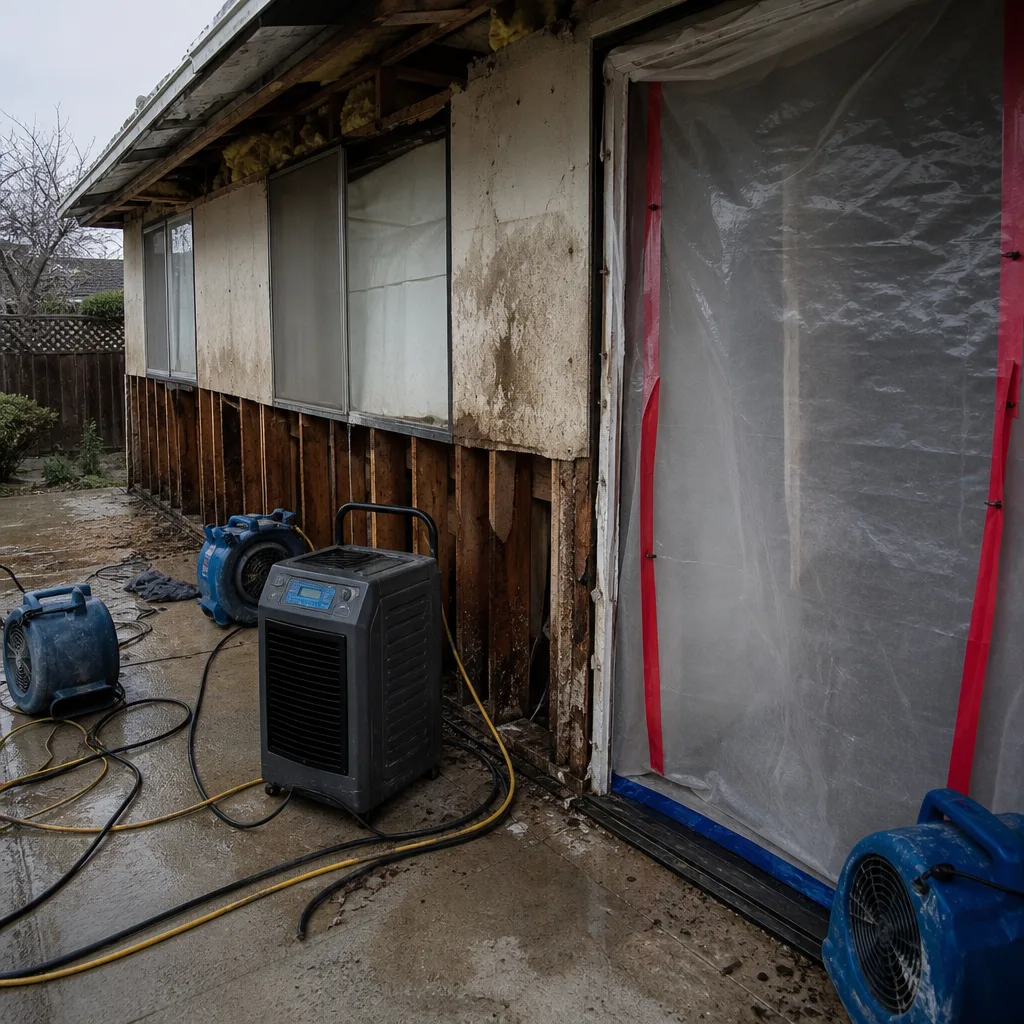 Before
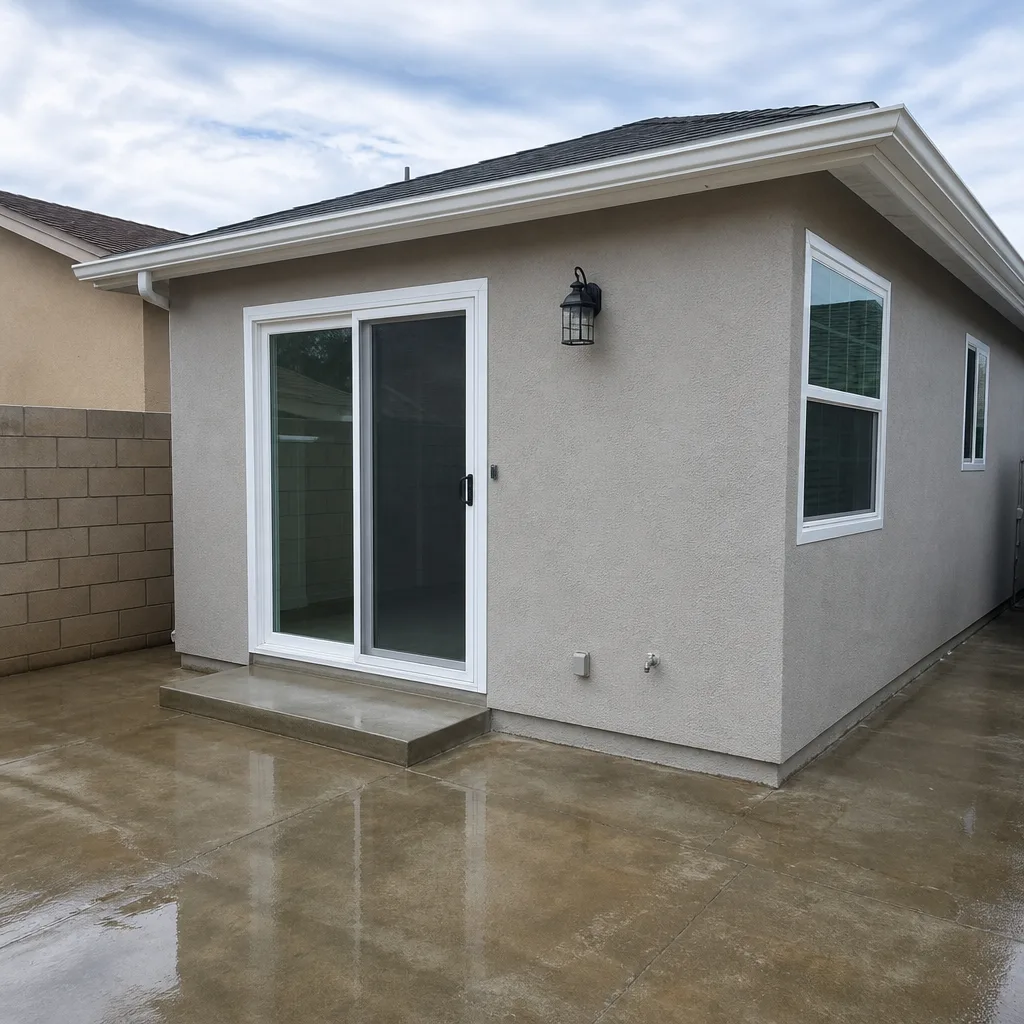 After
After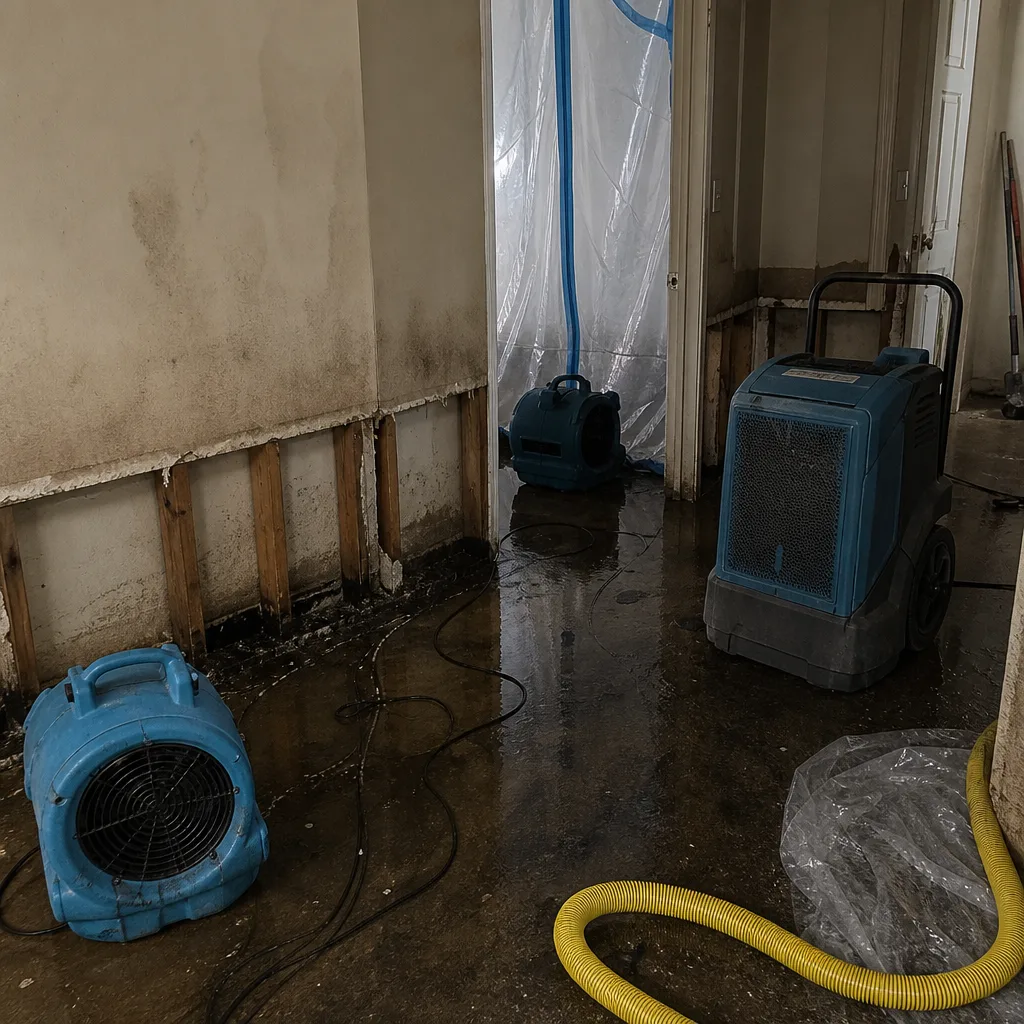 Before
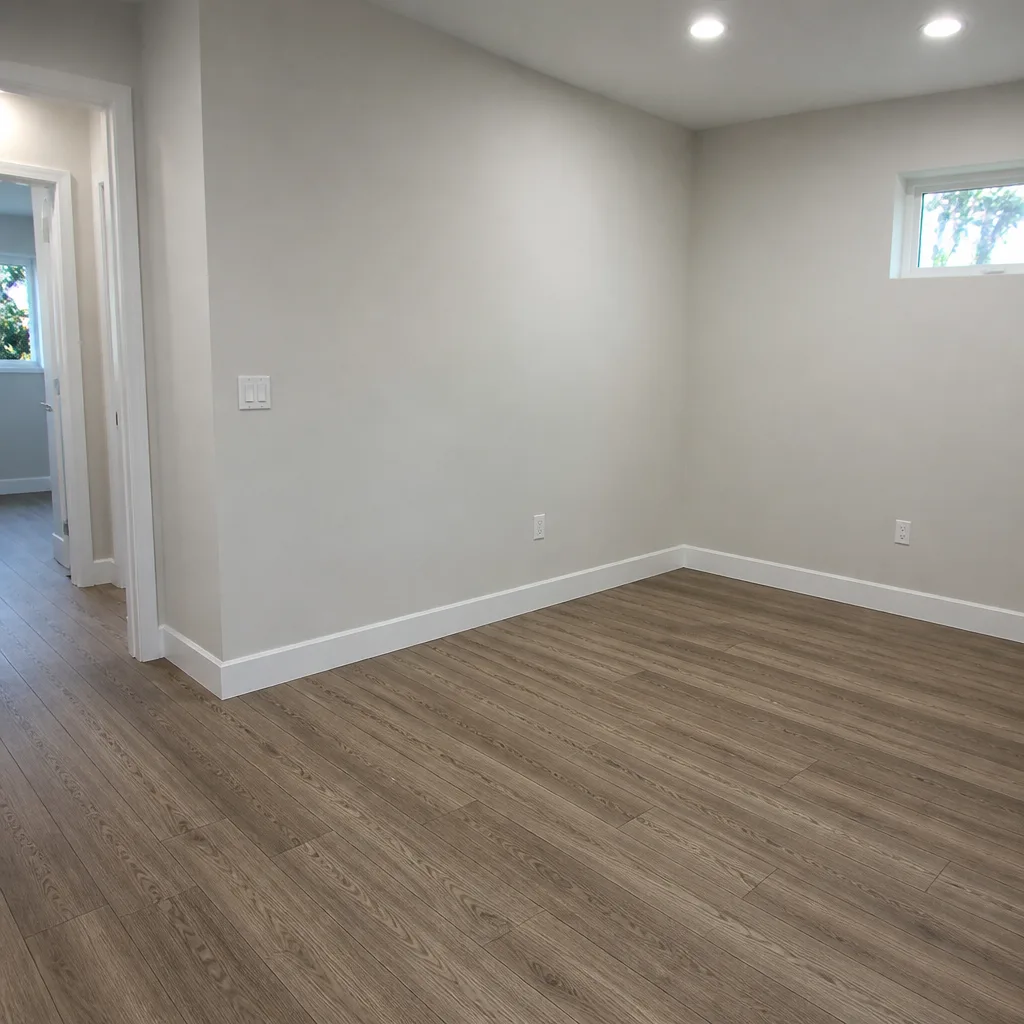 After
After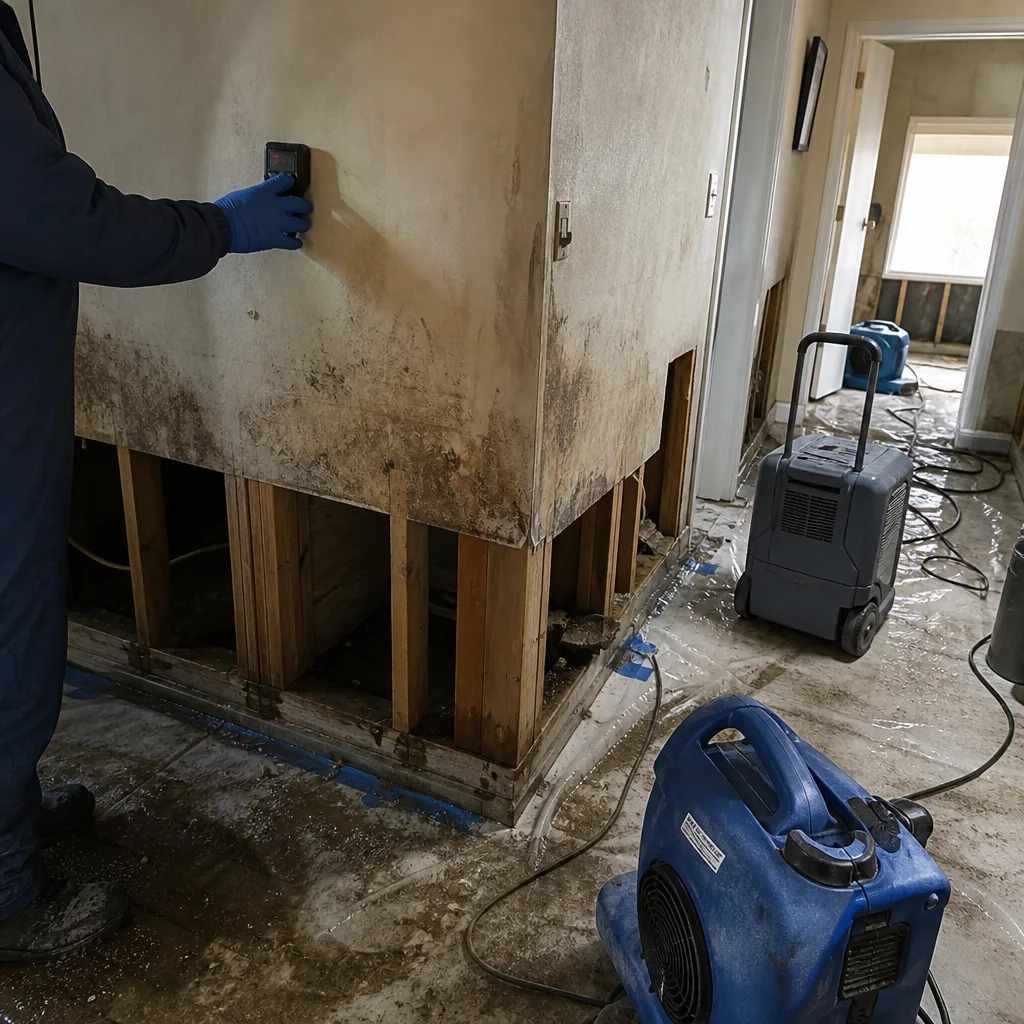 Before
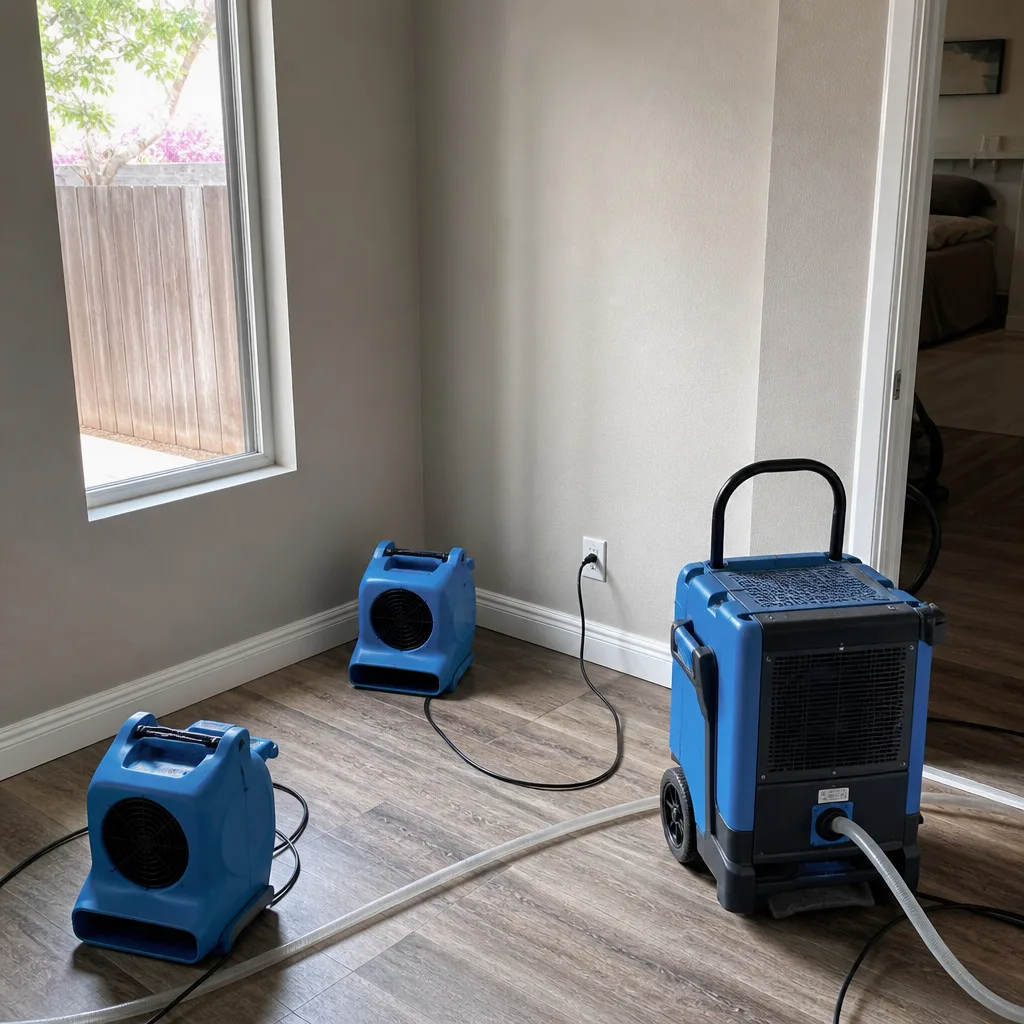 After
AfterDamage Restoration Permits, Codes & Inspections in CA: What You Need to Know
Most Anaheim homeowners discover permit requirements only after their restoration contractor has already cut open the walls. The City of Anaheim Building Division requires a permit for any repair involving wall cavity access, replacement of more than 32 square feet of drywall, or any work touching electrical or plumbing systems - thresholds that a moderate water damage job crosses before our Dri-Eaz dehumidifiers are even staged. An unpermitted repair discovered during a future home sale, or documented in your contractor’s own photos after a second water event, can void your homeowner’s insurance coverage retroactively on that portion of the structure. This guide explains when permits trigger, how California building codes interact with insurance obligations, and why the permit fee is usually the cheapest line item in your entire restoration project.
Quick Answer
Most restoration work in Anaheim requires a permit when it involves structural repairs, electrical or plumbing systems, or more than 32 square feet of drywall replacement. California Health and Safety Code Section 17920.3 classifies visible mold as a substandard building condition, which triggers additional inspection requirements for rental properties. Your insurance policy likely contains language tying coverage to code-compliant repairs, meaning unpermitted work can be denied at renewal or claim time.
Table of Contents
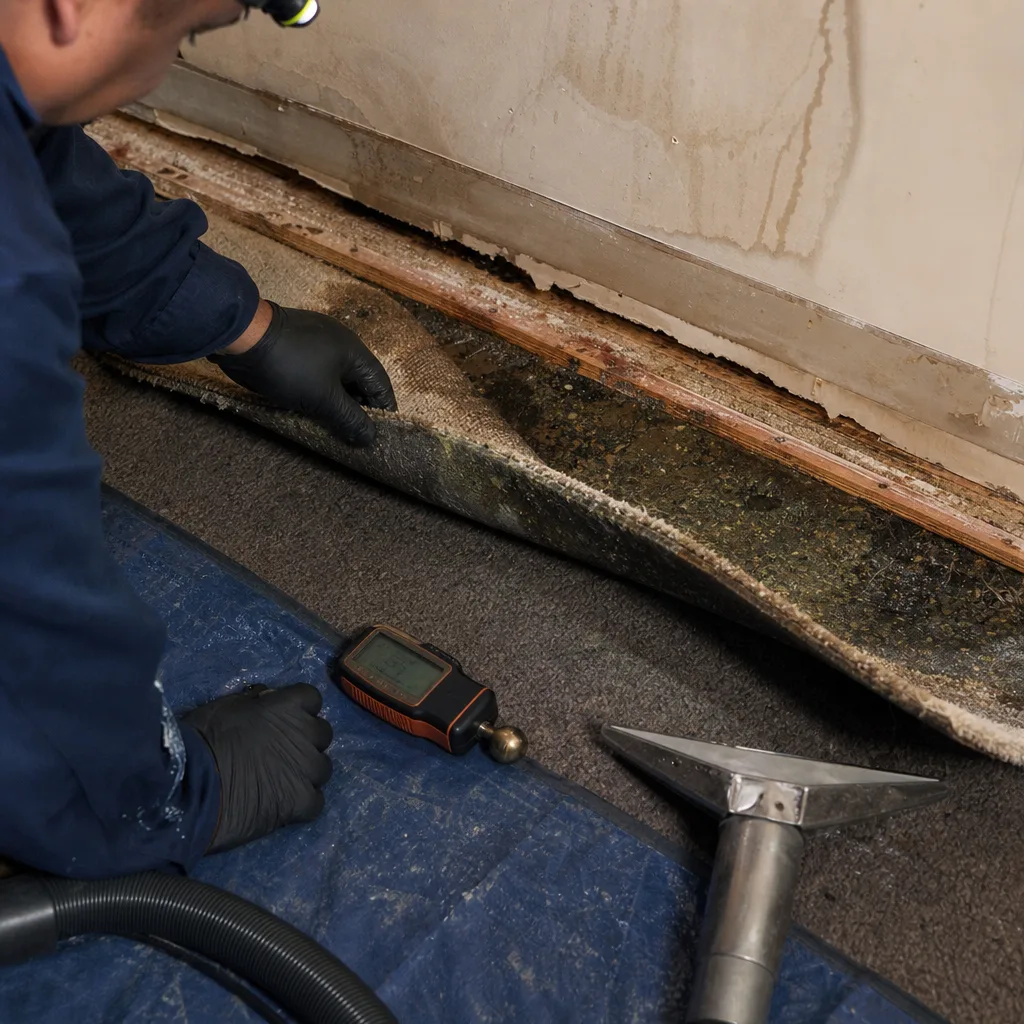
- When Permits Are Required for Restoration Work
- Anaheim Building Division Permit Thresholds
- California Health and Safety Code Section 17920.3 and Mold
- How Insurance Policies Tie Coverage to Code Compliance
- Reading Your Certificate of Occupancy
- Realistic Permit Timelines in Anaheim
- What Documentation Belongs in Your Claim File
- Common Mistakes to Avoid
 Before
 After
AfterWhen Permits Are Required for Restoration Work
Permit requirements catch homeowners off guard because they seem designed for new construction, not emergency repairs. In practice, the dividing line is simpler than most contractors admit: if you’re restoring what was there, you may not need a permit; if you’re replacing damaged structural, electrical, or plumbing components, you almost certainly do.
The water damage restoration in Anaheim jobs we handle typically trigger permits in these scenarios:
- Wall cavity access for drying or mold remediation - once studs are exposed, the repair that follows is structural
- Drywall replacement exceeding 32 square feet - roughly one standard 4×8 sheet, or two sheets in many configurations
- Electrical outlet or switch replacement below the flood line - any work on branch circuits requires an electrical permit
- Plumbing supply line or drain repair - even a single joint replacement triggers plumbing permit requirements
- HVAC ductwork replacement or cleaning after contamination - mechanical permits apply to duct modifications
- Subfloor replacement in bathrooms or kitchens - structural element, always permitted
The 32-square-foot drywall threshold is particularly relevant in Anaheim’s condo and townhouse market, where the Anaheim Resort and Platinum Triangle areas contain thousands of units built between 1965 and 1995 with original gypsum board. A pipe burst in a second-floor bathroom often damages ceiling drywall in the unit below, and two sheets of wet drywall plus the necessary corner bead and taping easily exceeds the threshold.
We’ve seen homeowners attempt to avoid permits by having contractors “dry in place” - leaving wet drywall intact and painting over it. Before attempting shortcuts, review our DIY vs Professional Damage Restoration: The Anaheim Homeowner’s Decision Guide. This fails on two counts. First, the moisture readings we document with our Phoenix thermo-hygrometers show that painted-over wet drywall remains above 16% moisture content for months, continuing to feed mold growth. Second, when that moisture is discovered during a subsequent claim, the insurer can deny coverage for the entire affected area on the basis that the prior repair was not code-compliant.
Anaheim Building Division Permit Thresholds
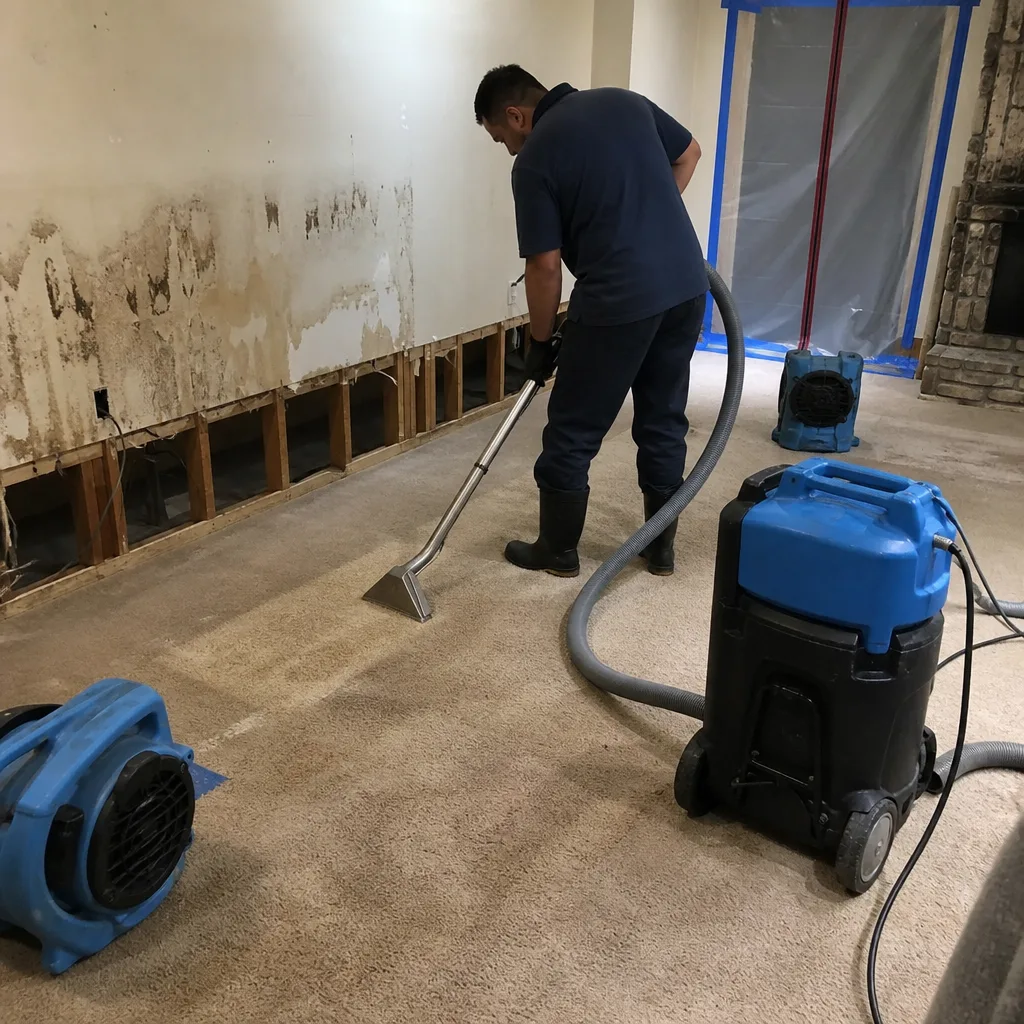
The DryMark Restoration Anaheim home team works with Anaheim Building Division requirements weekly. Understanding their specific thresholds helps you sequence your restoration correctly and avoid the costly error of completing work that must then be opened for inspection.
Over-the-Counter Permits
These are issued same-day at the Anaheim Building Division counter and cover:
- Like-for-like drywall repair up to 200 square feet in a single room, provided no structural members are affected
- Single electrical device replacement (outlet, switch, fixture) on existing branch circuits
- Plumbing fixture replacement using existing rough-in, no relocation
- Non-structural flooring replacement in areas under 200 square feet
The over-the-counter process requires the property owner or licensed contractor to present a scope of work, pay the fee (typically $85-$220 depending on valuation), and schedule any required inspections at the time of permit issuance. For restoration work, we always request the inspection schedule upfront so we can coordinate with active drying.
Plan-Check Submissions
These require 5-15 business days for review and cover:
- Structural repairs involving load-bearing walls, beams, or subfloor systems
- Electrical panel work or circuit additions
- Plumbing rough-in modifications or fixture relocation
- Repairs exceeding 200 square feet in affected area
- Work in buildings with designated historic status - relevant in Anaheim’s Colony District and portions of the Anaheim Resort area
The plan-check fee is separate from the permit fee and typically adds $180-$450 to project costs. For insurance claims, this fee is usually recoverable as part of “code upgrade” coverage if your policy includes Ordinance or Law coverage, which most Anaheim homeowner policies written after 2015 do include at 10-25% of dwelling coverage.
When Mold Remediation Triggers Additional Requirements
Mold remediation in Anaheim operates under a parallel track. The Building Division does not issue mold-specific permits, but the Anaheim Fire & Rescue Department’s Environmental Services Division requires notification for remediation projects exceeding 100 square feet of visible mold or any project involving HVAC contamination. This notification must include:
- Contamination area in square feet, documented with photos
- Remediation protocol following IICRC S520 or EPA guidelines
- Post-remediation verification plan, including air sampling methodology
- Contractor license and insurance documentation
We document all of this in our written scope before work begins, per Haven Standard, Clause 1. The air quality inspection that follows must be conducted by a third-party industrial hygienist, not the remediation contractor, to maintain conflict-of-interest standards that insurers and courts both recognize.
California Health and Safety Code Section 17920.3 and Mold
California Health and Safety Code Section 17920.3 defines visible mold growth as a substandard building condition when it exceeds 10 square feet in area or is present in HVAC systems. This definition matters because it triggers different obligations depending on whether you occupy the property or rent it to others.
For Owner-Occupants
The code does not mandate specific remediation procedures for owner-occupants, but it does establish that mold constitutes a building code violation. This means:
- Your insurance company can require code-compliant remediation as a condition of coverage continuation
- Future buyers can negotiate remediation or walk away based on disclosure requirements
- Unpermitted repairs that conceal mold may constitute fraud in real estate transactions
For Landlords
The same code section, combined with California Civil Code Section 1941.1 (the implied warranty of habitability), creates strict obligations:
- Visible mold must be remediated within a reasonable time after tenant notice, typically interpreted as 30 days for non-emergency conditions
- Tenants may withhold rent, repair and deduct, or terminate lease if remediation is not completed
- Local enforcement - including Anaheim Code Enforcement - can issue correction notices and penalties
- Documentation requirements for landlords are stricter; post-remediation verification is essentially mandatory for legal protection
In our experience across Anaheim’s rental market, from the older duplexes near La Palma Park to the larger apartment complexes along Katella Avenue, landlords who attempt to handle mold without proper documentation face tenant disputes that cost far more than the original remediation. We provide the photo record, drying logs, and third-party verification that holds up in housing court.
The code also interacts with Anaheim’s specific climate conditions. Orange County’s coastal influence creates higher humidity than inland areas, particularly in morning hours when marine layer moisture settles. We’ve documented secondary mold growth in Anaheim Hills properties where initial water damage was “dried” without dehumidification, relying only on air movement from XPOWER air movers. Psychrometric data - the measurement of temperature, relative humidity, and vapor pressure - shows why dehumidification is non-negotiable in this climate, not optional.
How Insurance Policies Tie Coverage to Code Compliance
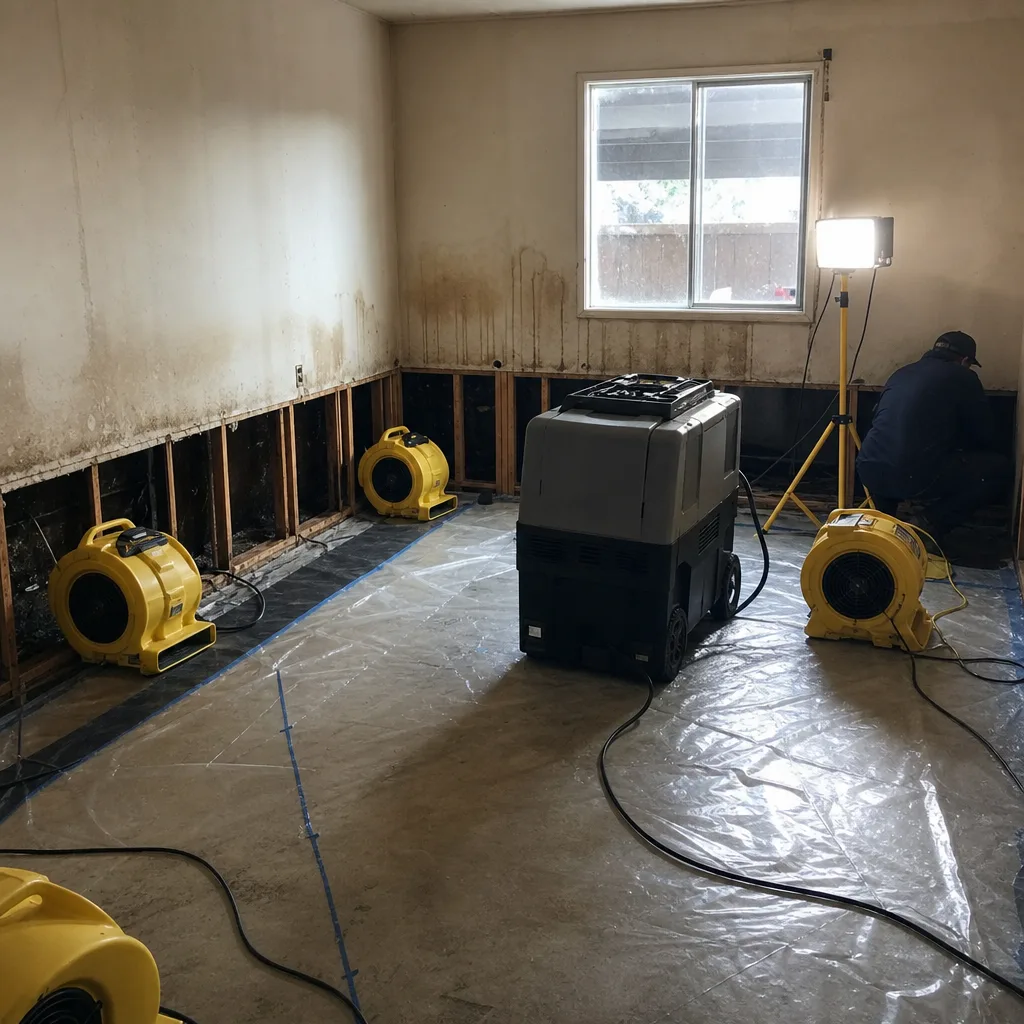
This is where permit requirements become financially consequential, not merely bureaucratic. Most California homeowner insurance policies contain language in the “Duties After Loss” section requiring the insured to “protect the property from further damage” and to “cooperate with the insurer’s investigation.” What fewer homeowners recognize is the policy language, often in endorsements or conditions, that ties coverage to repairs completed “in accordance with applicable building codes.”
The Documentation Paradox
Your restoration contractor’s own photos - the ones taken to document drying progress or justify invoice line items - can become evidence against you if they show unpermitted work. We’ve reviewed claim files where:
- Insurer adjusters noted exposed wiring in contractor photos and requested electrical permit documentation
- Post-remediation photos showed replaced drywall without permit stamps, triggering coverage questions for future water events in the same area
- Mold remediation photos revealed containment violations that voided the contractor’s own guarantee
The mold remediation in Anaheim projects we handle include permit research as a standard step, not an afterthought. We check Anaheim Building Division records for prior permits on the affected areas, identify what current work triggers, and build permit costs into our written scope upfront. This prevents the scenario where a $180 permit becomes a $4,000 coverage dispute.
Ordinance or Law Coverage
Most Anaheim homeowner policies include Ordinance or Law coverage at 10%, 20%, or 25% of dwelling coverage. This coverage specifically pays for:
- Demolition costs to remove undamaged portions of the building required by current code
- Increased repair costs to meet current code when the original construction predated those requirements
- Permit and inspection fees associated with code-compliant repairs
The catch: this coverage only applies when the underlying repair is itself covered. If your insurer denies the base claim because work was unpermitted, Ordinance or Law coverage does not activate. The permit is the gateway to all other coverage.
Retroactive Coverage Voidance
Insurance policies are annual contracts. At renewal, insurers conduct increasingly sophisticated data searches, including permit history cross-referenced against claim history. Unpermitted work documented in prior claim files - even closed claims - can trigger:
- Non-renewal
- Exclusion riders for specific building areas
- Increased premiums based on “maintenance and condition” adjustments
- Denial of future claims in areas with unpermitted repair history
We’ve worked with Anaheim homeowners in the Euclid Street corridor and Anaheim Hills who faced non-renewal after their own prior contractor’s documentation revealed unpermitted electrical work. The $200 saved on the original permit cost thousands in new policy premiums and coverage gaps.
Reading Your Certificate of Occupancy
The Certificate of Occupancy, or CO, is the document the City of Anaheim issues confirming a building complies with approved plans and is safe for its intended use. For restoration work, the CO matters because it establishes the baseline against which repairs are measured.
What the CO Confirms
- Legal use of the building - single-family residential, duplex, etc.
- Approved square footage and room count
- Original construction date and applicable code cycle
- Any special conditions or variances attached to the original approval
What the CO Does Not Confirm
- Current code compliance - the CO reflects the code at time of construction, not current standards
- Condition of systems - plumbing, electrical, and mechanical systems age and degrade
- Permit history since original construction - subsequent permitted and unpermitted work does not appear
- Absence of latent defects - the CO is not a warranty or inspection report
Why Final Inspection Sign-Off Belongs in Your Claim File
When restoration work requires permits, the final inspection sign-off - the inspector’s approval that work meets code - should be treated as a claim document, not merely a contractor deliverable. We include it because:
- It proves code compliance for future insurance purposes
- It supports property value in sale transactions
- It activates any contractor warranty that requires permit compliance as a condition
- It closes the documentation loop that insurers and adjusters expect to see
For fire and smoke damage restoration in Anaheim, the CO takes on additional significance. Fire damage often involves structural repairs that change the building’s configuration. Any deviation from CO-documented square footage or room count requires not just permits but potential CO amendment, particularly if the property is later sold or refinanced. We’ve handled fire restoration in Anaheim’s older neighborhoods where original COs from the 1950s and 1960s describe layouts that have been modified multiple times, creating permit archaeology that must be resolved before current work can be approved.
Realistic Permit Timelines in Anaheim
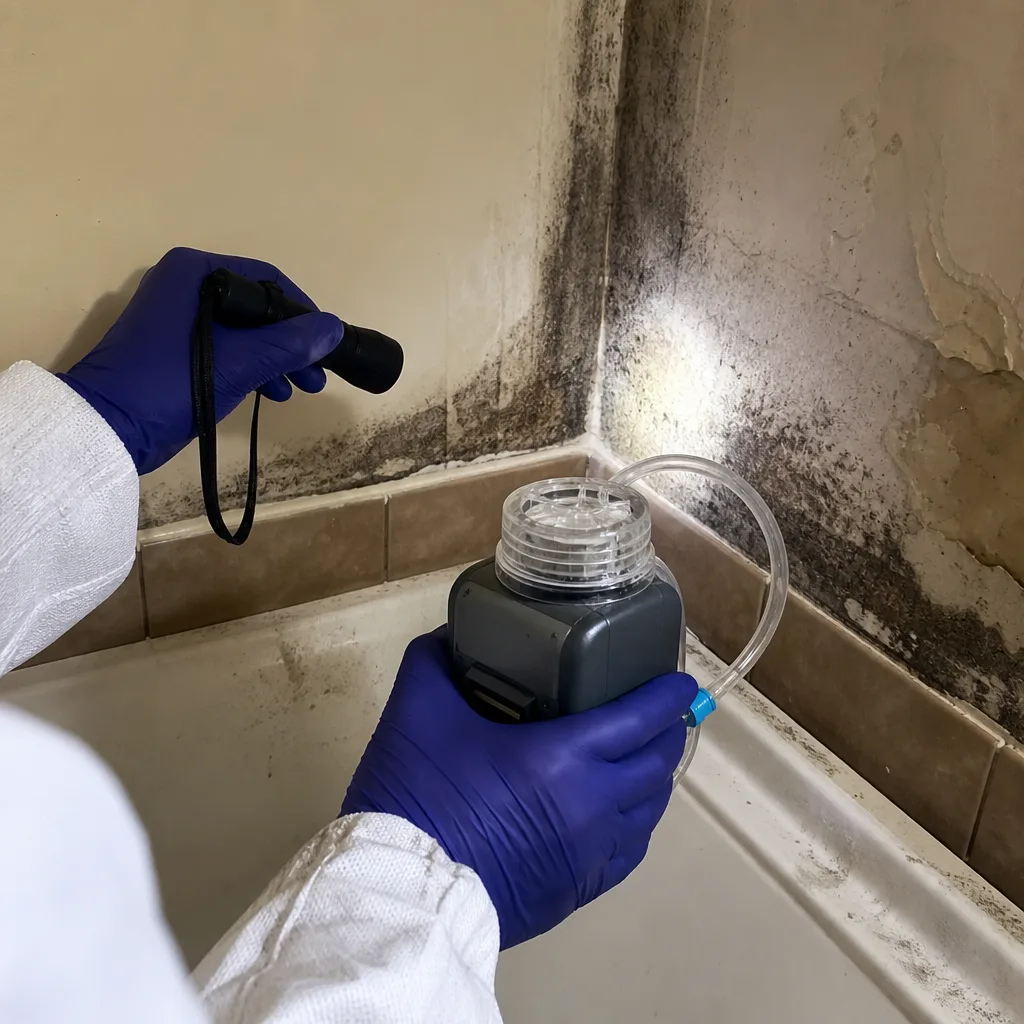
Restoration work has a critical path: water continues damaging materials until extraction begins, mold grows until moisture is controlled, and smoke residues set until cleaned. Permits that delay this critical path can cause more damage than they prevent. The key is sequencing permits correctly with active mitigation.
Emergency Mitigation: No Permit Required
The City of Anaheim recognizes emergency work that protects life and property. This includes:
- Water extraction and initial drying (first 72 hours)
- Board-up and tarping for security
- Electrical service disconnection by utility or licensed electrician for safety
- Removal of hazardous materials (sewage, fire debris)
This work proceeds immediately, with permits obtained in parallel for the repair phase. Our live phone coverage, available 24 hours a day, 7 days a week, means we can dispatch for emergency mitigation while permit research begins.
Permit Sequencing with Active Drying
| Phase | Permit Status | Work Activities | Typical Duration |
|---|---|---|---|
| Emergency Mitigation | Not required | Extraction, demolition of unsalvageable materials, equipment placement | 1-3 days |
| Permit Application | In process | Scope preparation, plan-check if required, fee payment | 1-15 days |
| Active Drying | Obtained or pending | Dehumidification, air movement, daily moisture readings | 3-7 days |
| Structural Repair | Required before work | Drywall, subfloor, electrical, plumbing replacement | 2-10 days |
| Final Inspection | Scheduled | Inspector verification, sign-off, CO update if needed | 1-3 days |
The 32-square-foot drywall threshold becomes relevant during sequencing. If initial demolition reveals damage exceeding the threshold, we revise our scope and permit application immediately rather than attempting to segment the repair into sub-threshold pieces. The latter approach almost always fails inspection and creates documentation gaps.
Anaheim’s Building Division offers expedited review for insurance-related restoration work when documentation of the triggering event is provided. We include the initial loss documentation - photos, moisture readings, and cause determination - with every permit application to qualify for this track.
What Documentation Belongs in Your Claim File
The claim file is your protection against coverage disputes, and its contents should be deliberate, not accidental. Based on our work with Anaheim homeowners and their insurers, these documents belong in every restoration claim file:
Before Work Begins
- Written scope of work with line-item pricing (Haven Standard, Clause 1)
- Permit research summary: required permits, application status, estimated fees
- Insurance policy declaration page and relevant endorsements
- Photo documentation of loss conditions, with moisture readings on visible surfaces
During Work
- Daily drying logs with psychrometric data: temperature, relative humidity, and specific humidity readings
- Photo record on every visit, dated and annotated
- Permit inspection records and corrections, if any
- Change orders in writing, with customer sign-off
After Completion
- Final inspection sign-offs from Anaheim Building Division
- Post-remediation verification, including third-party air sampling for mold projects
- Written warranty (our 365-Day Done Right Promise under The Haven Standard)
- Final invoice with permit fees shown as separate line items for Ordinance or Law recovery
The drying log is particularly important for insurance purposes. Our B-Air and Dri-Eaz equipment produces data that we record daily: grain depression (the moisture removed from air), vapor pressure differential (the force driving evaporation), and equipment runtime hours. This data transforms a restoration invoice from a list of charges into a documented process that adjusters can verify and approve.
We’ve had Anaheim homeowners use our documentation to recover additional living expense coverage they didn’t initially know they had, simply because our written scope identified the code requirements that triggered displacement. The permit that seemed like an expense became the key to coverage. For more guides & resources on navigating restoration and insurance, visit our blog.
Common Mistakes to Avoid
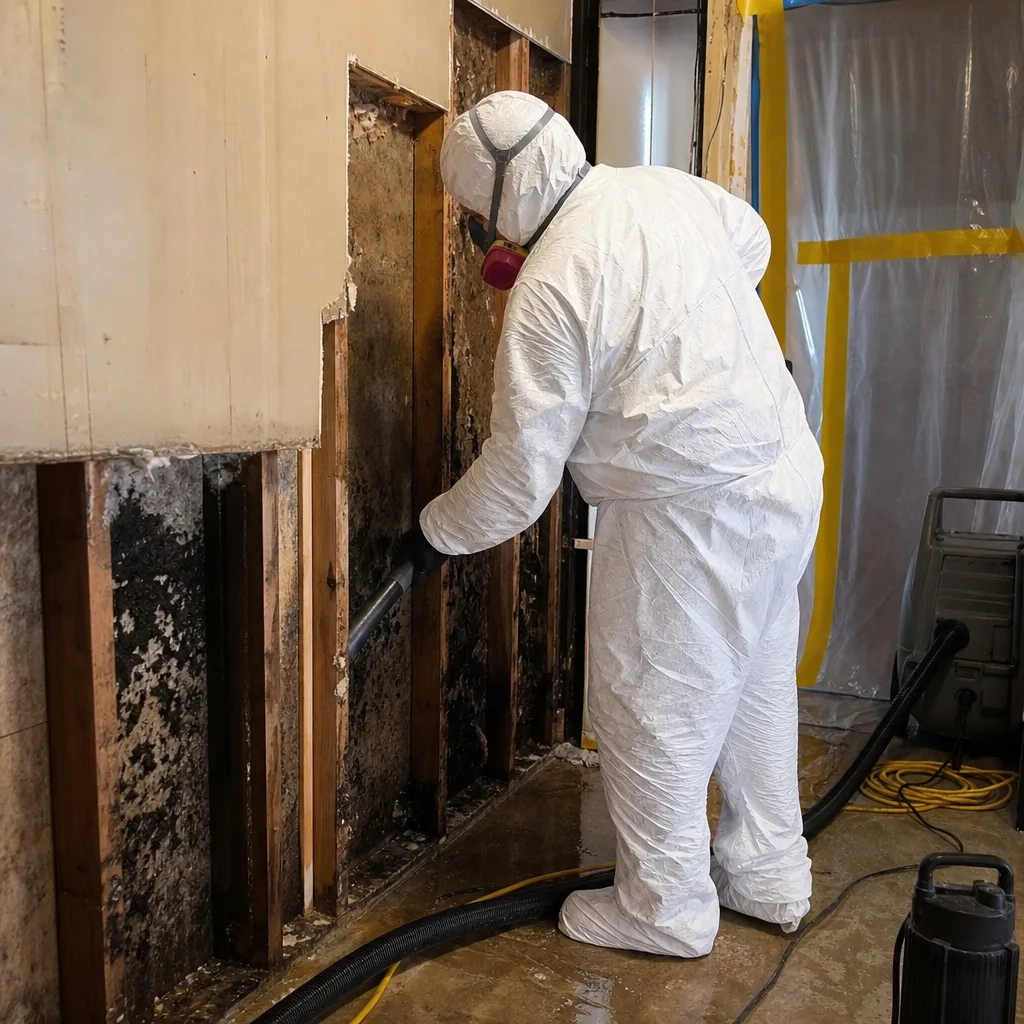
- Assuming emergency mitigation covers everything. Emergency work protects from further damage; it does not include repairs. Many Anaheim homeowners believe the initial extraction and drying permit covers subsequent drywall and electrical replacement, only to discover mid-project that permits were never obtained for the repair phase.
- Accepting a contractor’s verbal assurance that permits “aren’t needed for this.” Permit requirements are determined by the City of Anaheim Building Division, not by contractor preference. We provide permit research in writing as part of our scope, with specific code citations.
- Segmenting work to stay below thresholds. Splitting a 100-square-foot drywall repair into three separate 32-square-foot permits is permit fraud. Inspectors recognize this pattern, and it voids both the permit and any insurance coverage tied to it.
- Neglecting to obtain final inspection sign-offs. A permit without final inspection is legally equivalent to no permit. We’ve purchased homes in Anaheim where sellers provided permit applications but never closed the inspection loop, creating title issues that delayed closing.
- Failing to document permit fees for insurance recovery. Ordinance or Law coverage requires proof of payment. We itemize permit fees on every invoice specifically for this purpose.
- Ignoring mold notification requirements for smaller projects. Even sub-100-square-foot mold projects in rental properties can trigger tenant rights under California Civil Code. Documentation protects both landlord and tenant.
- Using the same contractor for remediation and post-remediation verification. Conflict-of-interest standards require third-party verification for legal and insurance defensibility. We coordinate with independent industrial hygienists and include their reports in your claim file.
When to Call a Professional
Permit requirements compound quickly in restoration scenarios. If your water damage involves wall cavities, electrical systems, or subfloor access; if mold is visible or suspected; if fire damage has compromised structural elements; or if you’re navigating insurance claims with an adjuster who has requested documentation you don’t have, professional guidance prevents costly errors. DryMark Restoration Anaheim offers free estimates in Anaheim - call (909) 525-4167. We research permit requirements before quoting, include all fees in our written scope, and deliver the documented record that turns restoration invoices into payable claims.
Frequently Asked Questions
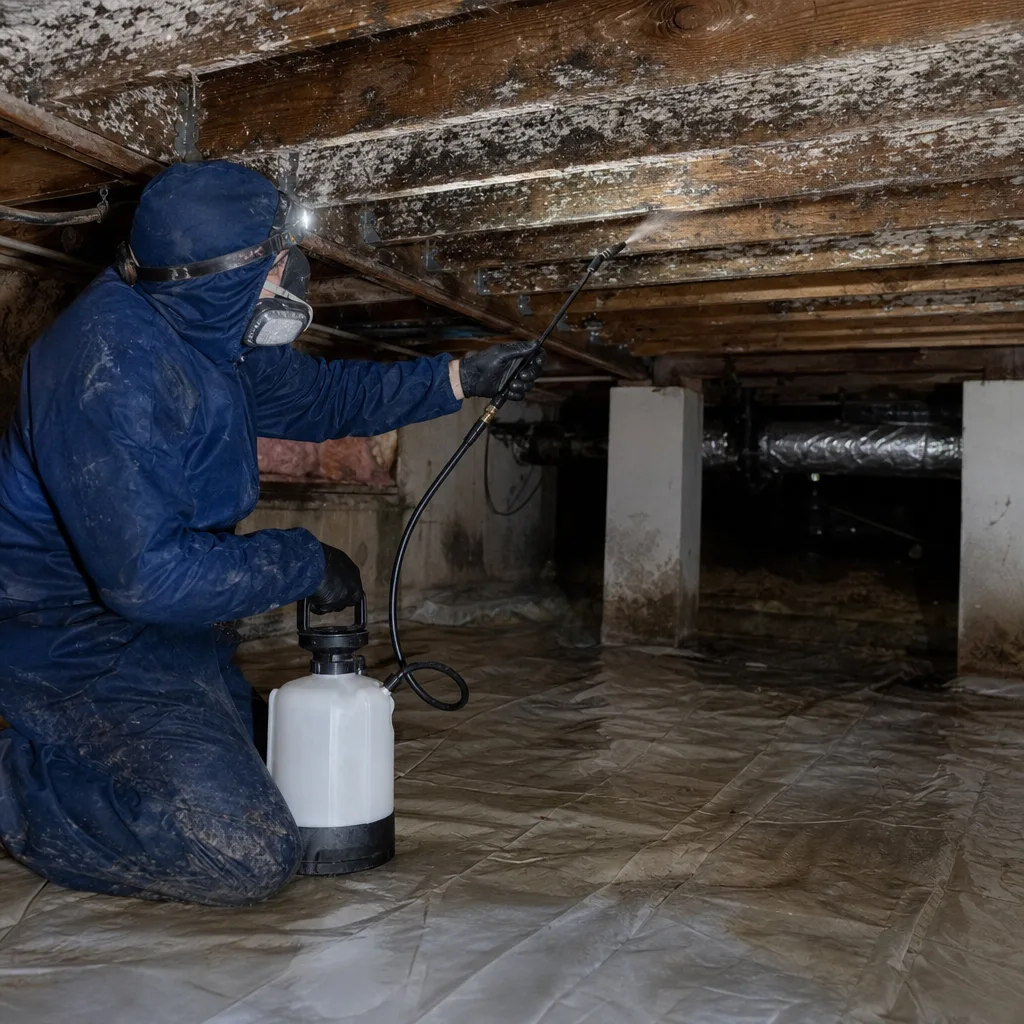
You need a permit when restoration involves wall cavity access, replacement of more than 32 square feet of drywall, or any electrical or plumbing work. Emergency water extraction and drying do not require permits and should begin immediately. Call (909) 525-4167 for an exact scope and permit assessment - estimates are free.
Most Anaheim homeowner policies include Ordinance or Law coverage at 10-25% of dwelling coverage, which specifically pays permit and inspection fees for code-compliant repairs. This coverage only activates when the underlying repair is covered and properly permitted. We itemize permit fees in our written scope for direct recovery.
Over-the-counter permits for like-for-like repairs issue same-day; plan-check submissions require 5-15 business days. Insurance-related restoration qualifies for expedited review when loss documentation is included. We sequence emergency mitigation to proceed while permits are in process, preventing additional damage during wait times.
California real estate disclosure requirements mandate disclosure of unpermitted work. Buyers can negotiate price reductions, require permit retroactivity, or walk away entirely. Unpermitted electrical or plumbing work may also void your title insurance in some circumstances. The permit fee avoided today typically costs multiples at sale time.
The Building Division does not issue mold-specific permits, but the Anaheim Fire & Rescue Environmental Services Division requires notification for remediation exceeding 100 square feet or involving HVAC systems. California Health and Safety Code Section 17920.3 classifies visible mold as a substandard building condition, creating additional obligations for landlords under the implied warranty of habitability.
Licensed contractors can pull permits as the responsible party, but the property owner remains ultimately responsible for compliance. We pull permits as part of our standard process, include permit numbers in our written scope, and schedule inspections to coordinate with our work schedule. The permit record is then included in your claim file documentation.
The Bottom Line
Permits in restoration work are not bureaucratic obstacles; they are insurance prerequisites and property value protections. The City of Anaheim’s 32-square-foot drywall threshold, electrical and plumbing triggers, and mold notification requirements create a compliance framework that directly intersects with your insurance coverage. Unpermitted work documented by your own contractor’s photos can void coverage retroactively, while properly permitted and inspected work creates a defensible record that supports claims, sales, and warranties. The permit fee - typically $85-$450 in Anaheim - is the smallest line item in a restoration project and the largest protection against future loss.
Written by Alicia Brennan, Owner at DryMark Restoration Anaheim, serving Anaheim since 2011.