
Last updated September 23, 2026
Free visual inspection and a written scope of work before any mitigation begins - photos, moisture readings, and drying logs go in your claim file
The scope we write is the scope we bill. Anything new gets shown to you, in writing, before we touch it.
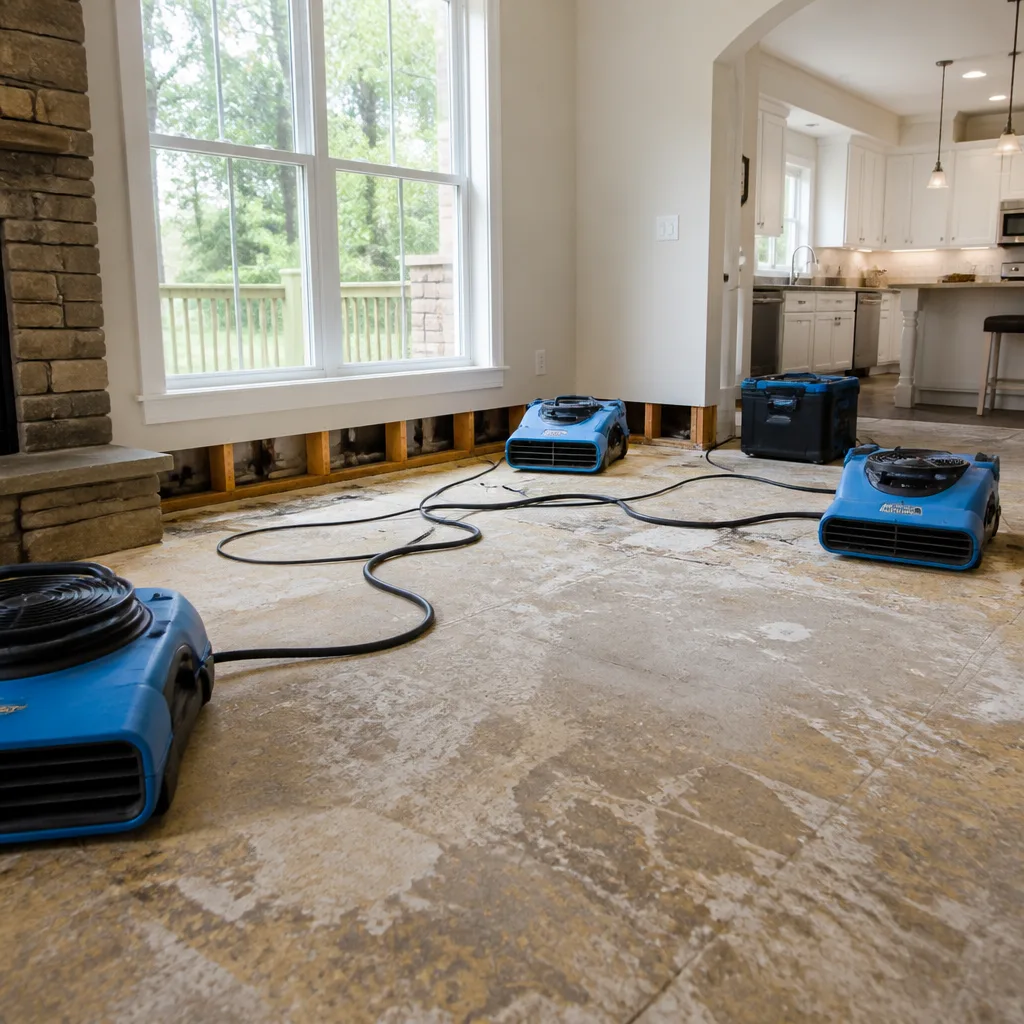

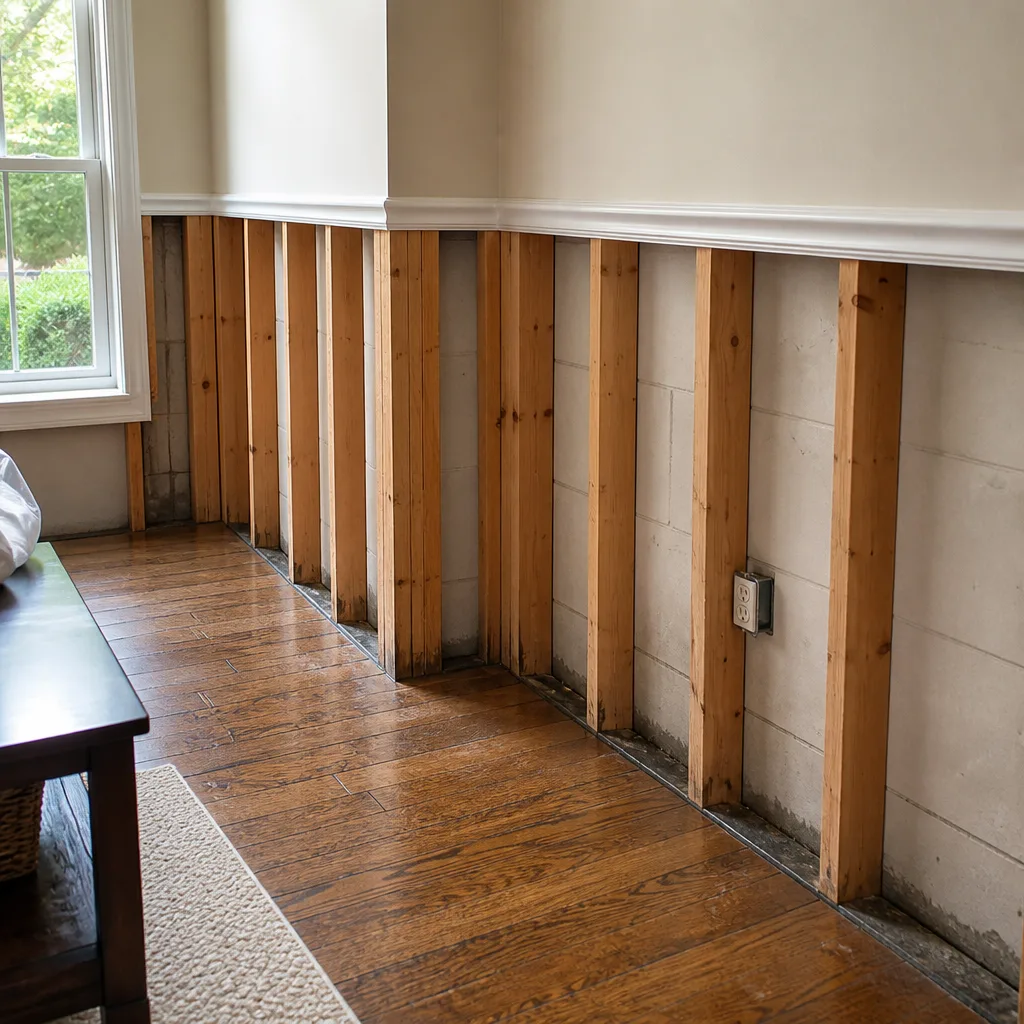



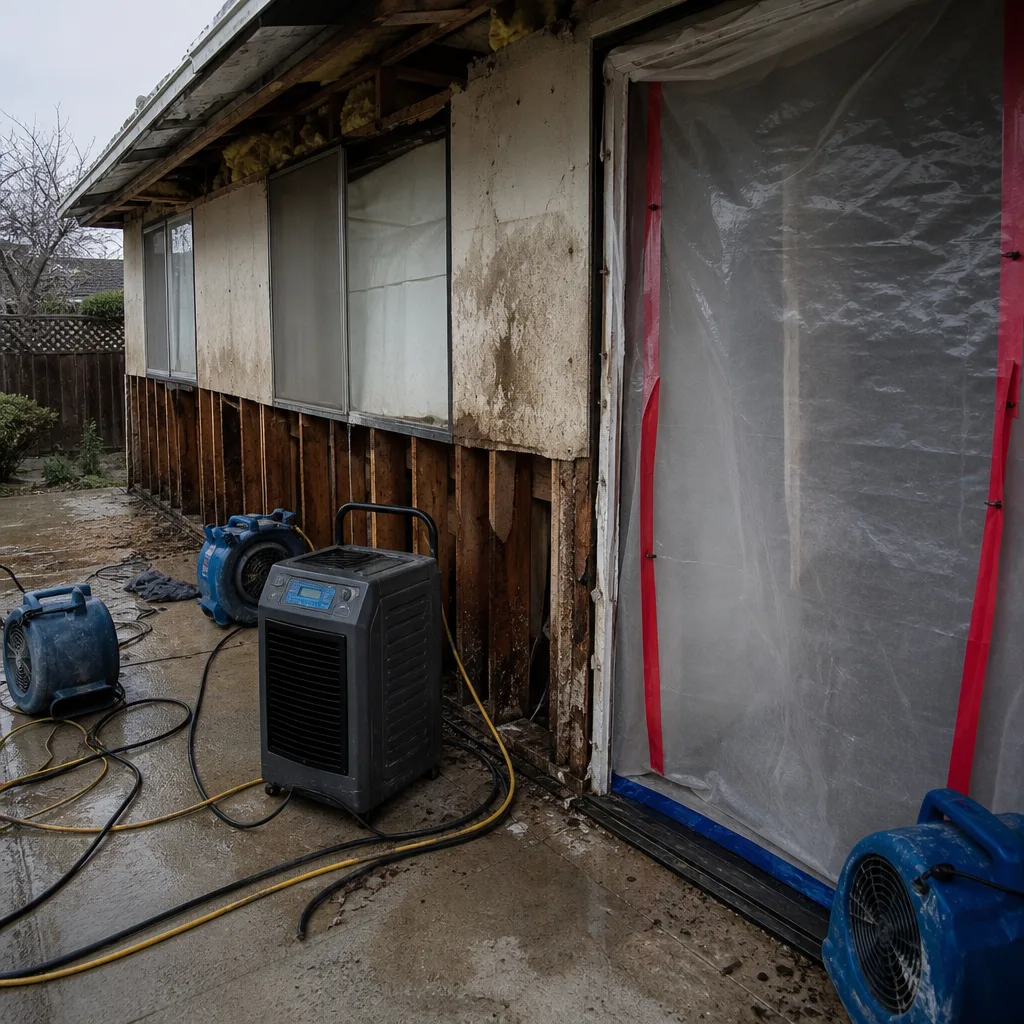 Before
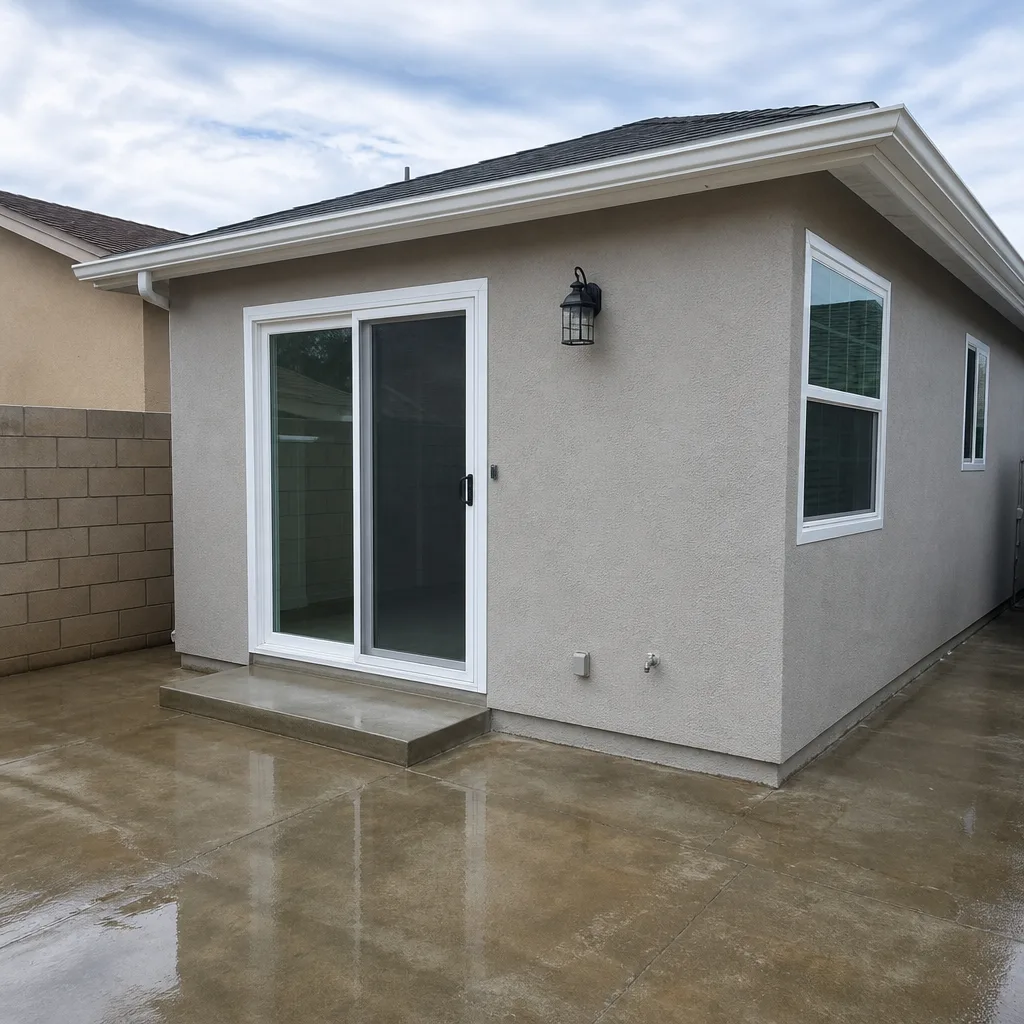 After
After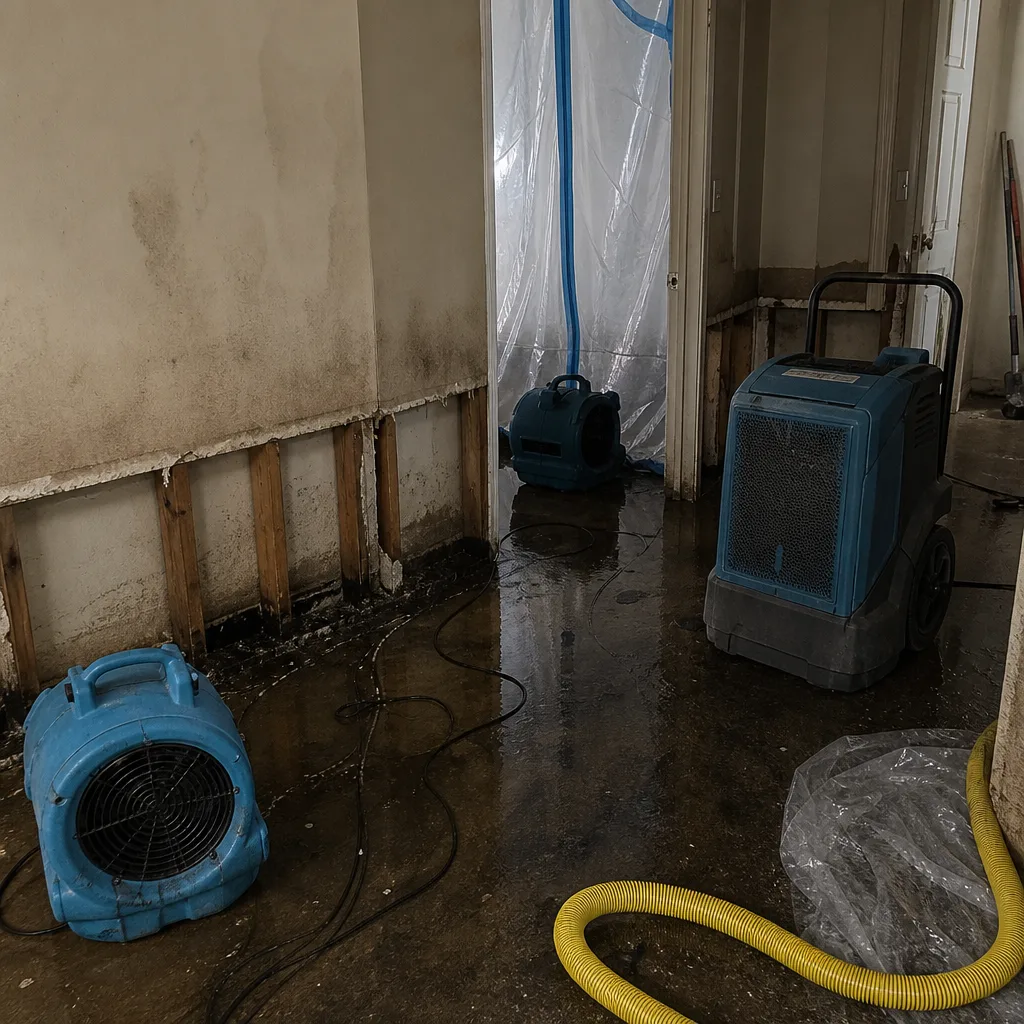 Before
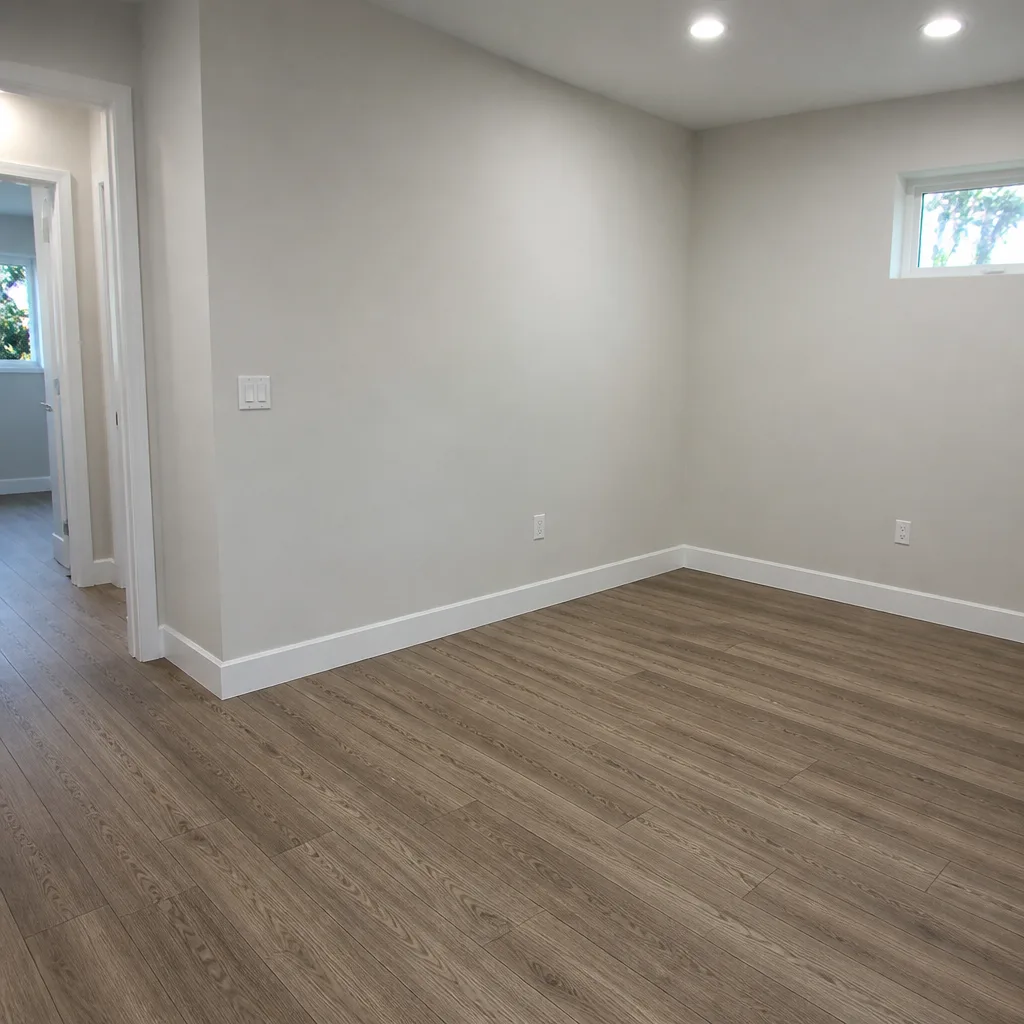 After
After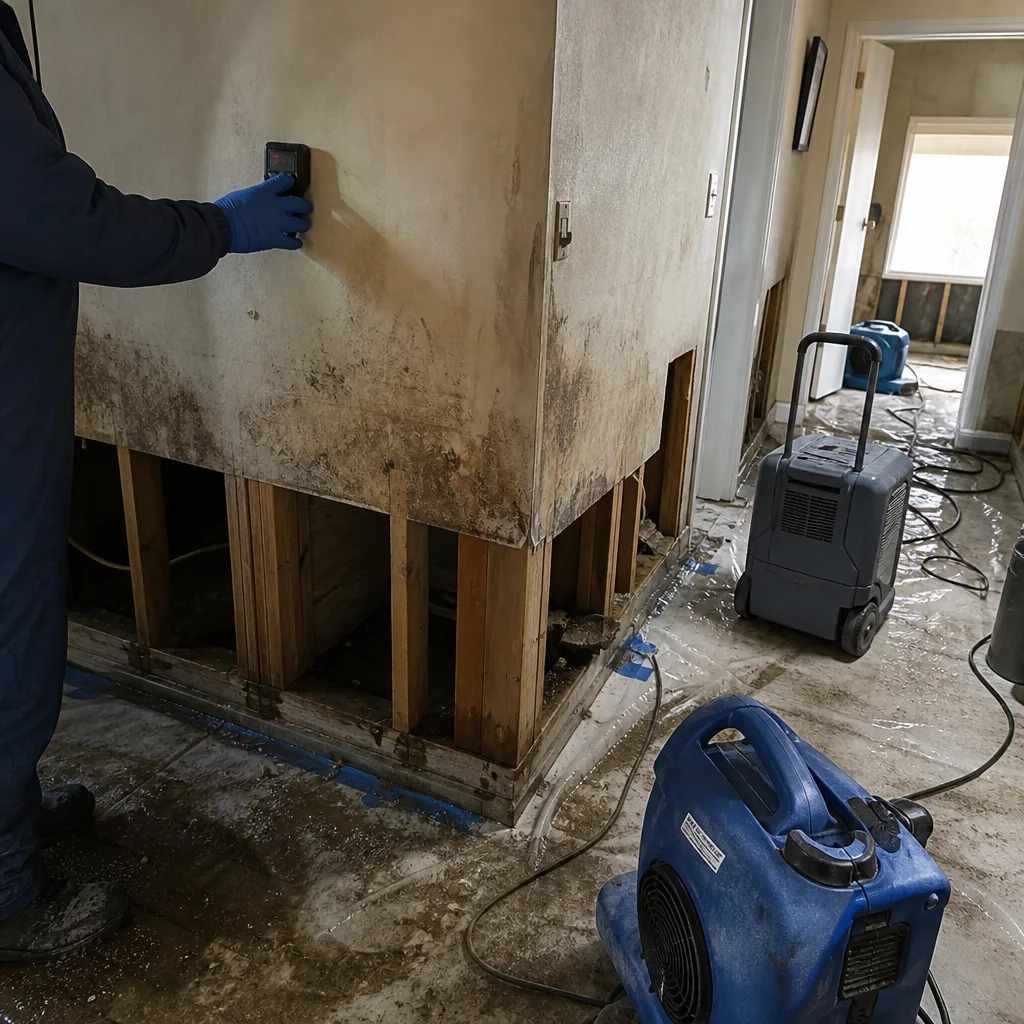 Before
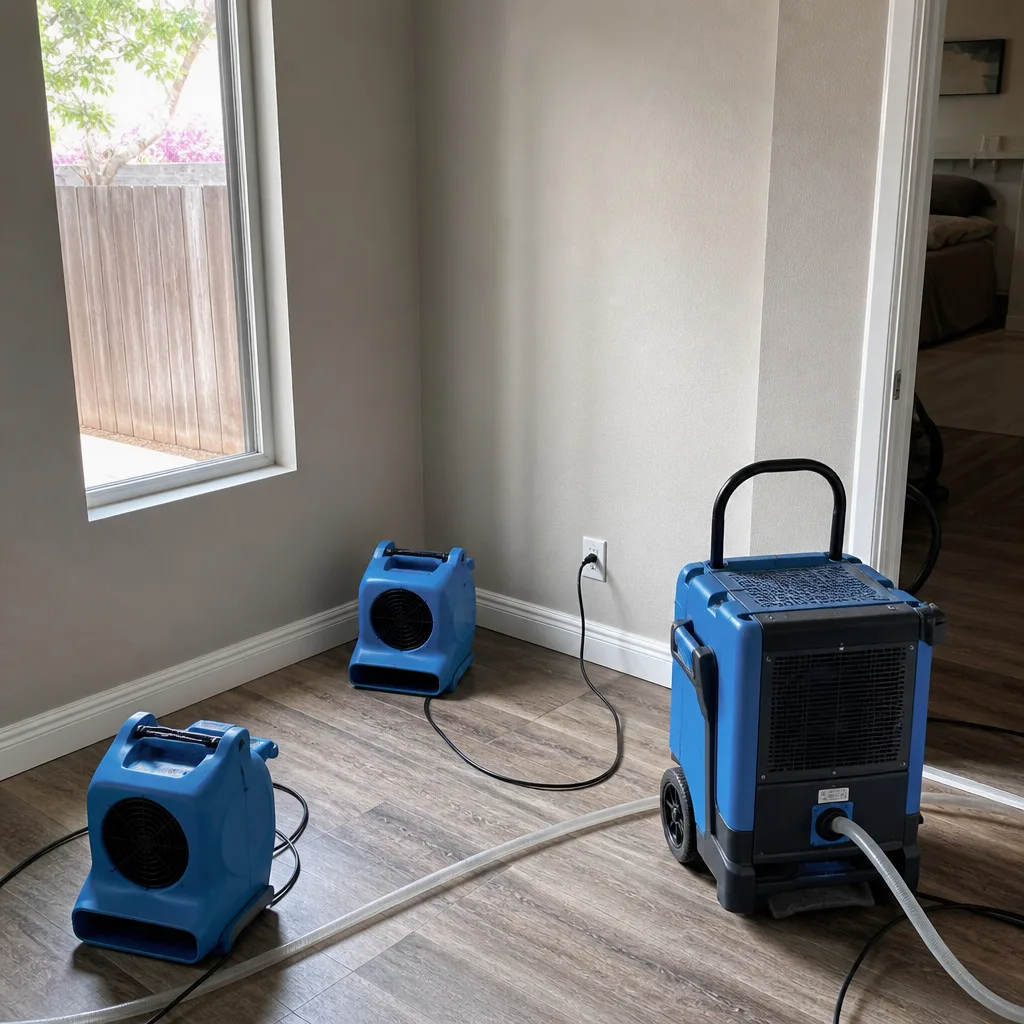 After
AfterSeasonal Damage Restoration Care for Anaheim: Year-Round Homeowner’s Guide
Anaheim averages fewer than 14 inches of rain per year. That dry spell lulls homeowners into skipping roof and drainage inspections for years, sometimes since 2021 or earlier. Then an atmospheric river drops three inches in 48 hours on a system nobody has checked, and the damage starts moving through walls before anyone notices a stain. In our experience restoring more than 12,000 homes since 2011, the homeowners who avoid catastrophic loss aren’t the ones with the newest roofs. They’re the ones who inspect around three specific annual events: Santa Ana wind season, the atmospheric river window, and summer irrigation peak. This guide maps exactly what to check, when to check it, and what to document so your maintenance record holds up if you ever file a claim.
Quick Answer
Seasonal damage restoration care in Anaheim means inspecting your home three times per year around Santa Ana winds (October-December), atmospheric rivers (January-March), and peak irrigation season (June-August). Homeowners who follow this schedule and document four photos plus one moisture reading per inspection catch roughly 80% of preventable damage before it triggers a claim. The key is timing inspections to Anaheim’s actual weather patterns, not generic spring and fall calendars.
Table of Contents
- Anaheim’s Three Real Seasons of Damage Risk
- October-December: Pre-Santa Ana Roof and Exterior Defense
- January-March: Atmospheric River Preparation and Response
- June-August: Irrigation, Foundation Moisture, and Hidden Leaks
- The Month-by-Month Inspection Schedule
- What to Document: The Four Photos and One Reading
- How Seasonal Patterns Map to Insurance Claim Types
- Common Mistakes to Avoid
- When to Call a Professional
- Frequently Asked Questions
 Before
 After
AfterAnaheim’s Three Real Seasons of Damage Risk
Most seasonal home maintenance guides divide the year into spring, summer, fall, and winter. That framework fails in Anaheim. Our Mediterranean climate with mild wet winters and extended dry periods creates a damage calendar that doesn’t match the Midwest or Northeast models.
The three events that actually drive restoration calls in Anaheim are:
- Santa Ana wind season (October-December): Sustained northeasterly winds reaching 40-60 mph, with gusts above 80 mph in canyon-adjacent neighborhoods like Anaheim Hills. These winds displace roof tiles, crack aging caulk at vent penetrations, and force open compromised window seals. The damage often sits invisible until January rains arrive.
- Atmospheric river window (January-March): Narrow corridors of concentrated moisture that can deliver 2-4 inches in 24-48 hours. Anaheim’s drainage infrastructure, built for infrequent light rain, backs up quickly. Homes with clogged gutters or displaced flashing take water at volumes the original design never anticipated.
- Summer irrigation peak (June-August): Automatic sprinkler systems running 4-6 days per week raise soil moisture against foundation walls. On Anaheim’s older slab homes, particularly those built 1950-1980 in neighborhoods like The Colony and West Anaheim, this creates vapor pressure differential that pulls moisture through concrete and into wall cavities.
We’ve documented this pattern across thousands of Anaheim jobs. The homeowner who treats these three windows as mandatory inspection periods, rather than relying on a generic seasonal checklist, consistently avoids the secondary damage that doubles restoration costs: mold growth behind drywall, subfloor delamination, and insulation saturation that requires full cavity removal.
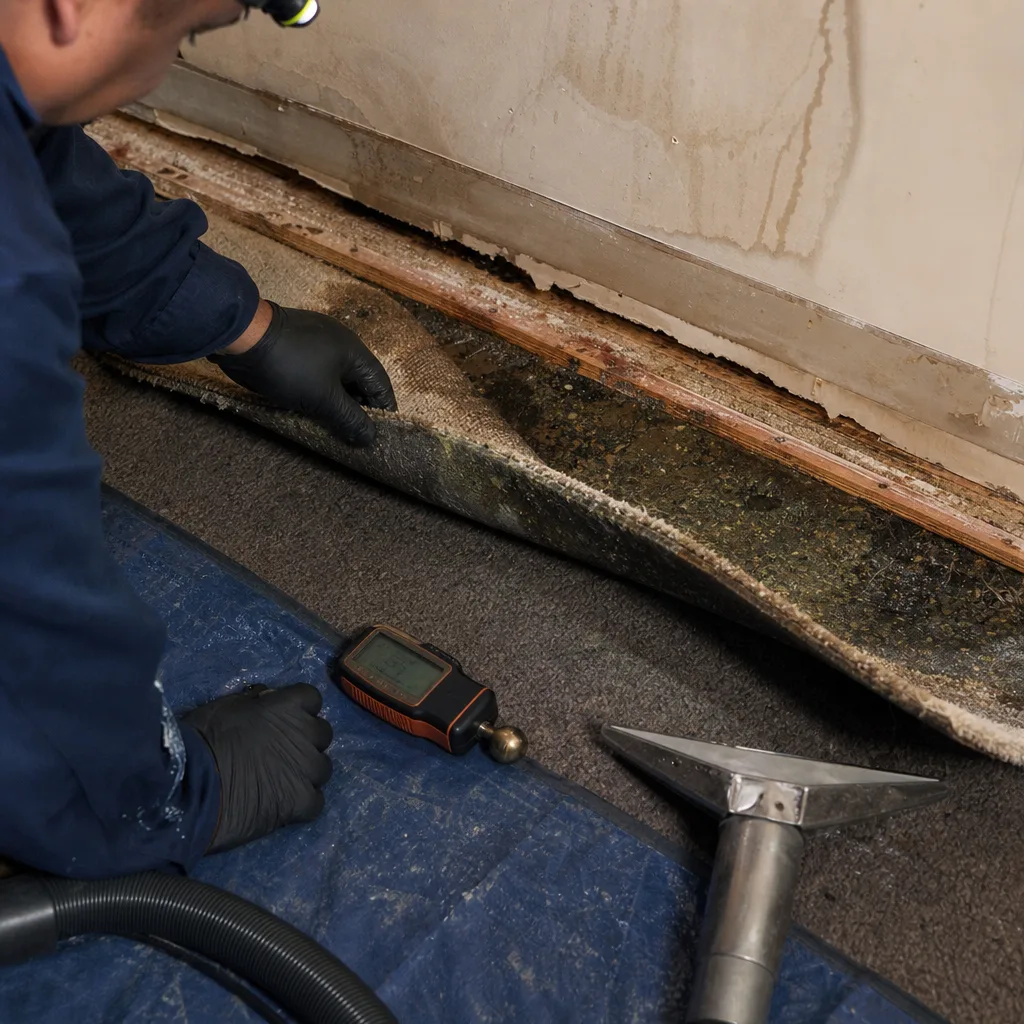
Water damage restoration in Anaheim typically runs $2,800-$7,500 for Category 1 losses caught within 72 hours. The same leak undetected for three weeks crosses into Category 2 or 3, often requiring mold remediation in Anaheim and pushing costs past $12,000. The inspection schedule below exists to keep losses in that first category.
October-December: Pre-Santa Ana Roof and Exterior Defense
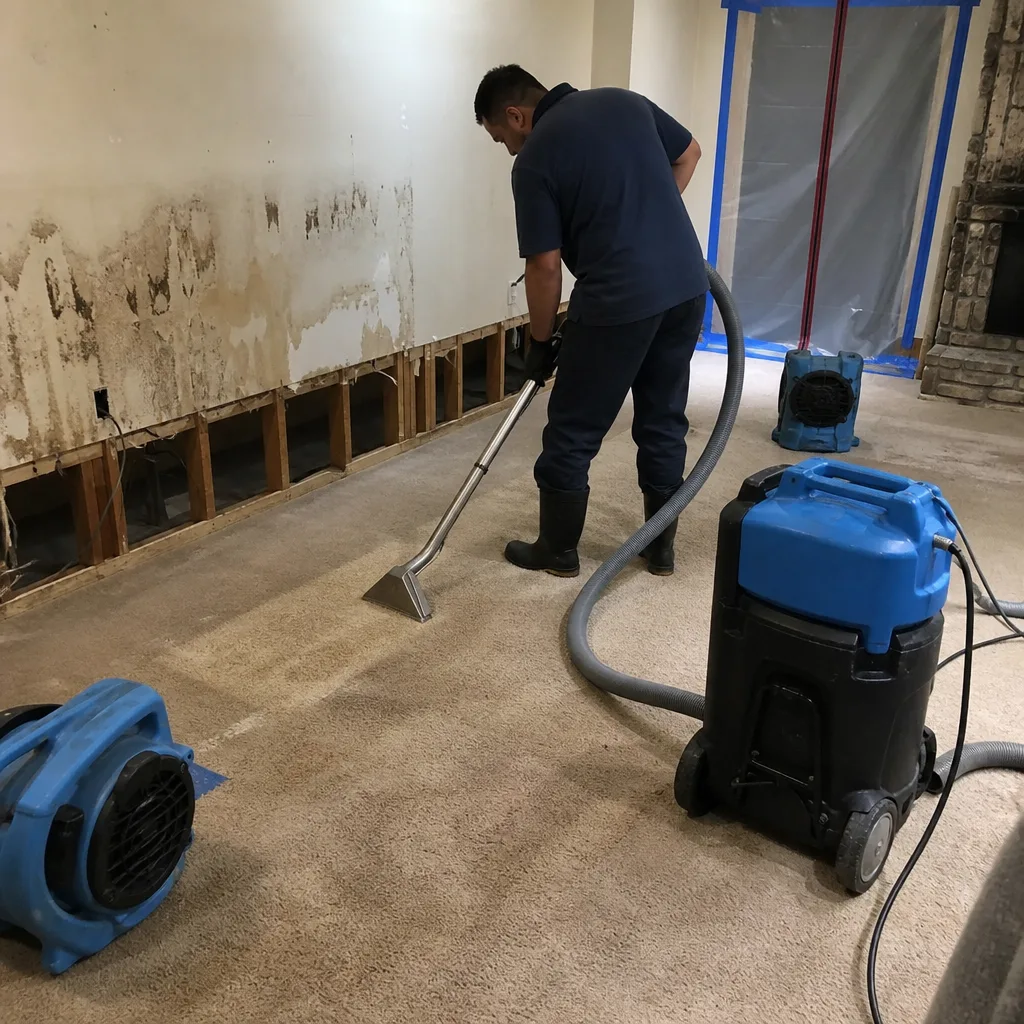
Santa Ana winds originate from high-pressure systems over the Great Basin, accelerating through mountain passes and descending hot and dry into Orange County. In Anaheim, the effect is most severe in elevated areas and neighborhoods with east-facing exposures. The damage mechanism isn’t immediately obvious: wind doesn’t typically blow water directly into your attic. Instead, it creates entry points that remain dry for weeks or months, then funnel January rain exactly where it can do maximum harm.
What Santa Ana Winds Actually Damage
We’ve photographed the same failure patterns across Anaheim Hills, East Anaheim, and canyon-adjacent properties:
- Roof tile displacement: Concrete and clay tiles lift at the overlap, breaking the mortar bed or dislodging the nail flange. From the ground, the roof looks intact. From a ladder at the eave, you’ll see exposed felt paper or skip sheathing. One displaced tile per 100 square feet is enough to allow significant water intrusion during a driven rain event.
- Vent cap failures: Plumbing vents, furnace vents, and bathroom exhaust caps rely on caulked seams and gravity-sealed collars. Sustained 50 mph wind vibrates these assemblies until the caulk cracks or the collar lifts. We find this on roughly 30% of Anaheim homes inspected after Santa Ana events.
- Window and door seal compromise: Older single-hung windows and sliding glass doors, common in Anaheim’s 1960s-1980s housing stock, have weatherstripping that hardens and shrinks in our dry climate. Wind-driven dust accelerates this degradation. The seal fails gradually, then the first horizontal rain finds the gap.
The October Inspection Protocol
- Ground-level roof scan with binoculars: Look for tiles that sit higher than their neighbors, visible gaps at ridges, or debris accumulation that indicates recent movement. Document with one photo showing the overall slope condition.
- Ladder inspection at eaves: Check vent penetrations for cracked caulk, lifted flashing, or gaps between the vent pipe and the roof deck. Photo document each penetration.
- Window and door seal test: Close each window on a strip of paper. If the paper pulls free without tearing, the seal has failed. Note which openings need weatherstripping replacement.
- Moisture reading at interior ceiling penetrations: Using a pinless moisture meter (available for $40-$80 at hardware stores), check the drywall or plaster around ceiling light fixtures, particularly on the windward side of the house. A reading above 16% indicates active or recent moisture migration and warrants professional evaluation.
The critical documentation from this inspection establishes your maintenance diligence. If a January leak develops at a location you inspected and photographed as sound, your insurer has less basis for a pre-existing condition denial. If you documented a compromised seal and failed to repair it, you’ve created the opposite problem. The Haven Standard approach: photograph what you find, date the image, and either repair or schedule repair within 30 days.
January-March: Atmospheric River Preparation and Response
Atmospheric rivers, sometimes called the Pineapple Express when originating near Hawaii, are narrow corridors of water vapor transport that can carry moisture equivalent to 7-15 times the flow of the Mississippi River. When these systems stall over Southern California, Anaheim receives more rain in 48 hours than in the preceding three months combined.
The damage pattern is predictable because it’s structural, not random. Homes with maintained drainage systems typically survive even intense events with minimal intrusion. Homes with neglected systems fail at known weak points.
Pre-Storm Preparation (December 15-January 15)
- Gutter and downspout clearance: Anaheim’s sycamore, eucalyptus, and pepper trees shed continuously into gutters. A gutter with 2 inches of composted leaf matter blocks flow and overflows at the fascia, saturating the roof edge and soffit. Clean gutters thoroughly, test downspout flow with a hose, and verify that extensions carry water at least 6 feet from the foundation.
- Drainage path verification: Walk your property during light rain if possible. Identify pooling areas, particularly where hardscape meets the foundation. In Anaheim’s flat neighborhoods near the Santa Ana River corridor, grading errors from original construction or subsequent landscaping often create collection zones against slab edges.
- Attic entry point seal check: The October inspection identified potential wind damage. Now verify that repairs held and that no new entry points developed. Atmospheric river rain is often wind-driven; it enters at angles that calm-season rain does not.
During and Immediately After Storm Events
When rain is falling at 1-2 inches per hour, there’s limited active prevention possible. Focus on documentation and rapid response:
- Interior perimeter scan every 4 hours during extended rain: Check ceiling stains, baseboard discoloration, and window sill moisture. Use your pinless meter at baseboard level on exterior walls. Readings above 20% indicate active water intrusion requiring immediate mitigation.
- Photograph any new stain or moisture indication with date stamp: This establishes the storm as the proximate cause, critical for claim documentation.
- Contact a restoration professional if moisture readings exceed 20% or if visible water appears: Category 1 water becomes Category 2 in 48-72 hours as microbial activity begins. Professional drying with Phoenix and XPOWER dehumidification units, documented to IICRC S500 standards, preserves your claim position and prevents secondary damage.
We’ve responded to hundreds of Anaheim atmospheric river losses. The homeowners who call within 24 hours of first detection typically see drying completed in 3-5 days with minimal material removal. Those who wait for the rain to stop, hoping the problem will resolve, often face 2-3 weeks of drying with full drywall replacement and mold remediation in Anaheim protocols.
June-August: Irrigation, Foundation Moisture, and Hidden Leaks
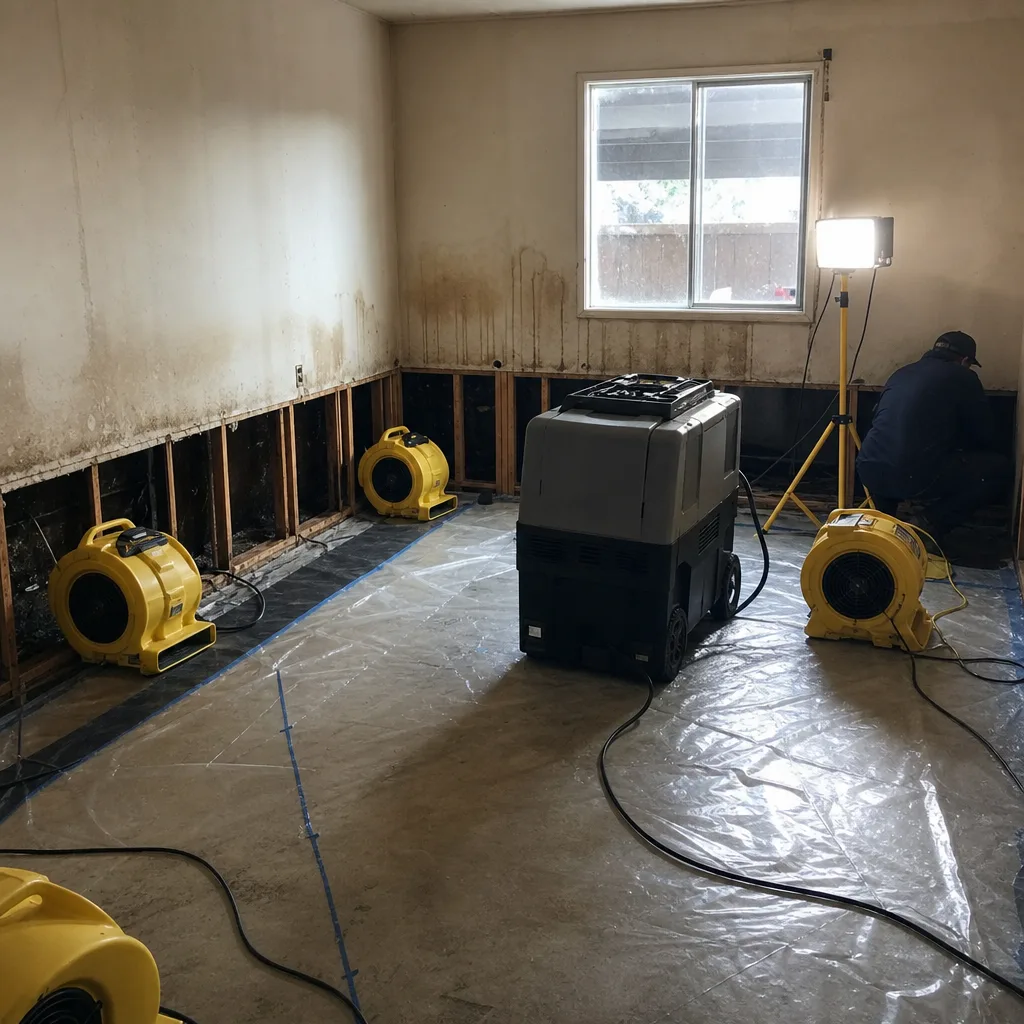
This is the season most Anaheim homeowners ignore for water damage risk. The sky is clear, the forecast is reliable, and the threat feels absent. In reality, summer irrigation causes a significant percentage of the structural moisture problems we treat in fall and winter.
The Mechanism: Vapor Pressure Differential
When soil moisture against a concrete slab foundation rises above 30% volumetric water content, typically from daily sprinkler overspray or poor drainage, a vapor pressure differential develops. The concrete, which is porous despite appearances, allows water vapor to migrate toward the drier interior space. This isn’t liquid water intrusion; it’s vapor drive that condenses on the cooler interior surface of the slab or the base plate of framed walls.
We’ve measured this in Anaheim’s older neighborhoods repeatedly. A homeowner sets sprinklers to 15 minutes per zone, 6 days per week, to keep St. Augustine grass green through July. By August, our moisture meters read 18-24% at the base of interior drywall, 6 inches above the slab. The drywall isn’t wet to touch. The paint looks normal. But the moisture reading indicates conditions that support mold growth and will accelerate if an autumn Santa Ana wind event creates any additional entry point.
The August Inspection Protocol
- Irrigation audit: Run each zone and observe. Water should not contact the foundation wall, pool against the slab, or spray above grade level. Adjust heads, reduce duration, or install drip conversion where overspray is chronic.
- Foundation perimeter moisture reading: Take pinless meter readings at the base of interior walls, particularly on walls that receive sprinkler exposure. Document locations and readings. A reading of 16% or higher warrants monitoring; 20% or higher requires intervention.
- Slab edge visual inspection: Look for efflorescence (white mineral deposits), spalling (surface flaking), or darkening at the concrete perimeter. These indicate sustained moisture contact.
- Plumbing pressure test consideration: Summer is the optimal season for this because ambient humidity is low and any leak is easier to isolate. If your water bill has risen without explanation, or if you hear running water when all fixtures are off, a pressure test by a licensed plumber can identify slab leaks before they create structural damage.
The equipment we deploy for confirmed vapor drive issues includes B-Air and Injectidry systems that create negative pressure within wall cavities, pulling moisture out through targeted extraction ports without removing drywall. This is tertiary drying, defined as the removal of bound water from materials that have already passed through primary (liquid extraction) and secondary (surface evaporation) phases. The daily moisture logs we produce, documented to IICRC and RIA standards, show your insurer exactly when the problem started and when it was resolved.
The Month-by-Month Inspection Schedule
Here’s the practical calendar that replaces generic seasonal advice with Anaheim-specific timing:
| Month | Focus | Key Action | Documentation |
|---|---|---|---|
| October | Pre-Santa Ana roof check | Tile, vent cap, and seal inspection | 4 photos, 1 moisture reading at ceiling fixtures |
| November | Repair window | Complete October findings; replace weatherstripping, re-caulk vents | Before/after repair photos |
| December | Pre-rain drainage audit | Gutter clearance, downspout test, grading verification | Flow test video, gutter condition photos |
| January | Storm monitoring | Perimeter scans during atmospheric river events | Time-stamped moisture readings, stain photos |
| February | Mid-season verification | Confirm January repairs held; check attic for missed entry | Attic moisture reading, penetration photos |
| March | Post-rain attic scan | Full attic inspection for delayed leaks, insulation condition | Insulation depth measurement, sheathing moisture reading |
| April-May | Maintenance buffer | Address deferred repairs; plan any roofing work | Written scope for contractor, photo baseline |
| June | Irrigation system start-up check | Head alignment, timer programming, coverage map | Zone diagram, spray pattern photos |
| July | Mid-irrigation monitoring | Foundation perimeter moisture spot-check | 2-3 readings on exposed walls |
| August | Full irrigation pressure review | Complete protocol: audit, readings, slab edge inspection | 4 photos, 1 moisture reading per exposed wall |
| September | Transition preparation | Service irrigation system; verify drainage still clear | Service receipt, drainage flow confirmation |
This schedule demands roughly 8-10 hours of homeowner attention per year, concentrated in four inspection periods. The documentation produced, maintained in a dated digital folder, becomes your most powerful tool if a claim dispute arises.
What to Document: The Four Photos and One Reading
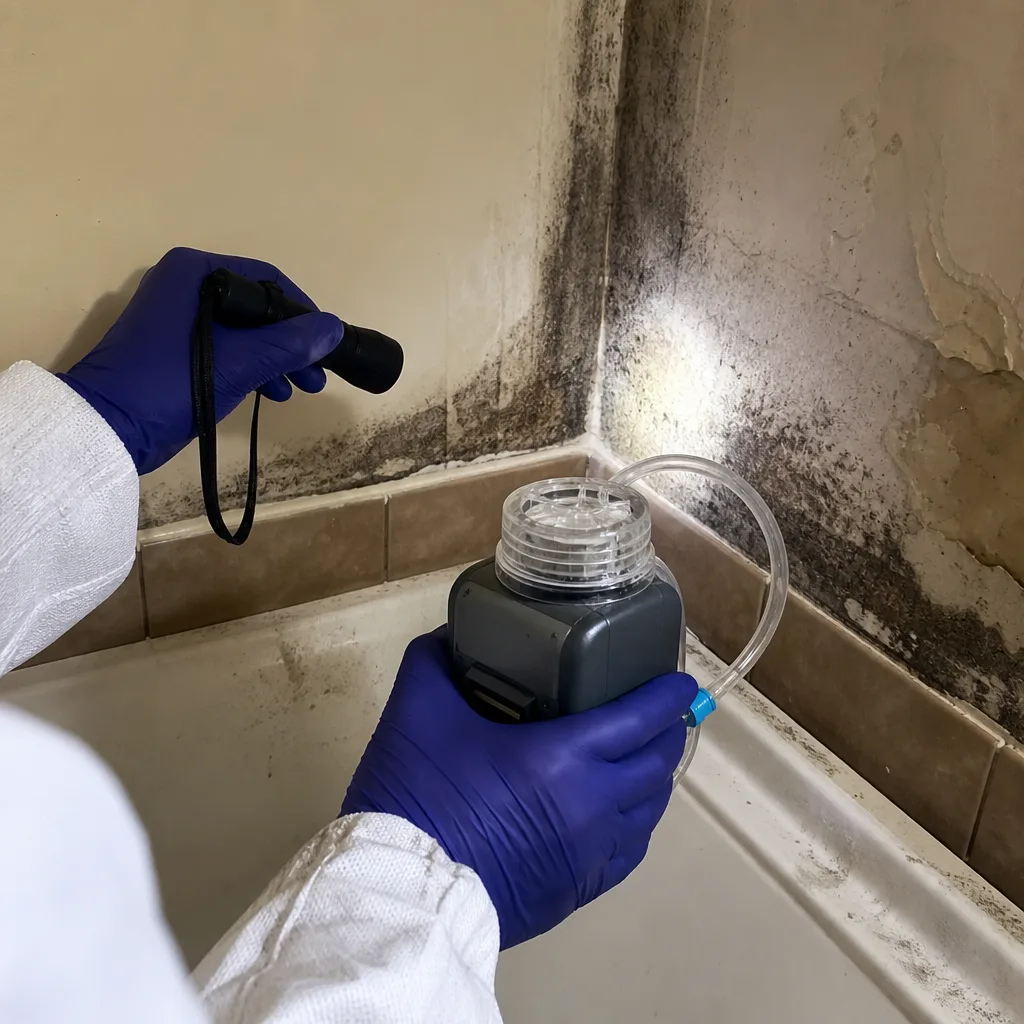
Insurance adjusters evaluate two things: whether the loss is covered, and whether the claimed damage is consistent with the reported cause. Your documentation answers both questions before they’re asked.
The standard we apply on every DryMark Restoration Anaheim job, and that we recommend homeowners adopt for their own inspections, is four photos and one moisture reading per inspection event:
- Wide context photo: Shows the overall area or system being inspected. For a roof, this is the full slope from the ground. For a foundation wall, this is the full wall section including adjacent landscaping.
- Detail photo of the specific condition: The displaced tile, the cracked caulk bead, the efflorescence pattern. Close enough to read texture and dimension.
- Location marker photo: Shows where the detail sits within the wider context. A photo from the ladder showing which vent penetration, or from the room corner showing which wall section. This prevents ambiguity if you have multiple similar conditions.
- Date and condition documentation: A photo of your phone showing the date, or a written note in the frame, plus any measurement tool (moisture meter display, ruler, tape measure) proving scale and quantification.
- One moisture reading: Taken with a pinless meter at the most vulnerable point identified. Record the exact location, the reading, and the meter model. Professional-grade meters from manufacturers like Protimeter or Delmhorst provide readings accurate enough for adjuster review.
Store these in a dated folder structure: 2024-10-15_Roof_Inspection, 2024-12-03_Drainage_Audit. If you ever file a claim, this folder demonstrates maintenance diligence and establishes the timeline of damage. We’ve seen claims denied because a homeowner couldn’t prove a roof was intact before a storm. We’ve never seen a well-documented claim denied for pre-existing condition when the documentation was this specific.
The Haven Standard requires this same documentation on every professional job we perform: photo record on every visit, written scope before work begins, daily moisture logs with psychrometric data (temperature, relative humidity, specific humidity, and vapor pressure recorded together to calculate drying progress). Homeowners who adopt a simplified version of this discipline protect themselves independently of any contractor’s involvement.
How Seasonal Patterns Map to Insurance Claim Types
Not all water damage is covered equally. Understanding how your seasonal inspection findings relate to claim categories helps you document appropriately and avoid coverage surprises.
Sudden and Accidental Water Damage
This is the broadest coverage category, typically covering burst pipes, appliance failures, and storm-driven rain through damaged building envelopes. The key documentation need is proof that the damage was sudden, not gradual.
Your October and December inspections serve this directly. If you photographed intact flashing in October and water intrusion at that same location in January, the storm is the proximate cause. Without the October photo, your insurer may argue the flashing failed gradually over years and is excluded as maintenance neglect.
Gradual Damage and Maintenance Exclusions
Most policies exclude damage that results from long-term leakage, repeated seepage, or failure to maintain. Summer irrigation vapor drive often falls here if undocumented.
Your August moisture readings are critical. A reading of 22% in August, with no action taken, supports an exclusion argument if mold appears in November. A reading of 22% in August, followed by irrigation adjustment and a September reading of 16%, demonstrates responsive maintenance that preserves coverage for any subsequent related damage.
Mold Remediation Coverage
Mold coverage in California is typically limited to $10,000 unless specifically endorsed higher, and often requires that the mold result from a covered water loss. The documentation chain matters enormously.
We’ve handled mold remediation in Anaheim where the mold resulted from a covered storm event, but the insurer initially denied because the homeowner had no proof of when water first entered. Daily moisture logs from professional drying, started within 48 hours of the storm, established the timeline and preserved coverage. Homeowner photos of the initial storm damage, even phone photos, would have served the same purpose if they’d been taken promptly.
Foundation and Subsurface Water
Standard homeowners policies typically exclude foundation damage from groundwater, subsurface flow, or soil expansion/contraction. Your summer irrigation documentation won’t create coverage where none exists, but it can prevent a covered peril from being reclassified as excluded subsurface water.
If an atmospheric river causes surface water intrusion at a foundation crack, and your documentation shows the crack was dry and stable through August, the storm is the cause. If you have no documentation and the crack shows staining suggesting long-term moisture contact, the insurer may argue subsurface conditions contributed.
Fire and smoke damage restoration in Anaheim, while less seasonally variable, follows similar documentation principles: photo evidence of pre-loss condition, immediate documentation of the event’s impact, and professional assessment that ties damage directly to the reported cause.
Common Mistakes to Avoid
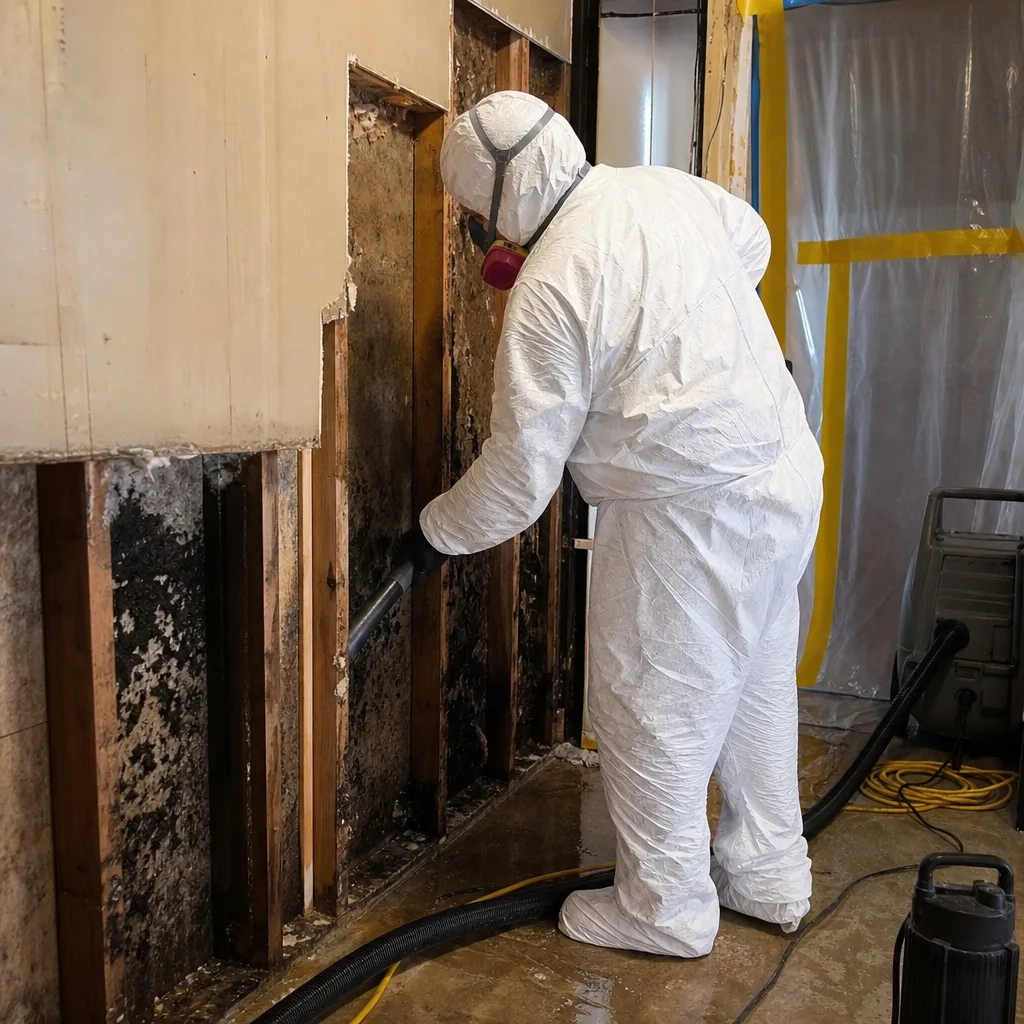
- Inspecting only after visible damage appears. By the time water stains show on drywall, the cavity behind has been wet for days or weeks. In Anaheim’s warm climate, mold colonization begins in 48-72 hours on organic materials above 16% moisture content. Inspect before symptoms, not after.
- Using generic national checklists that ignore Santa Ana winds. A checklist that mentions “fall leaf removal” but not wind-driven tile displacement leaves your highest-risk exposure unexamined. Anaheim’s damage calendar is specific; your inspection must match it.
- Documenting with undated photos or no photos at all. A photo without a date stamp has limited evidentiary value. A verbal recollection of “the roof looked fine last year” has none. Every photo gets a date, every reading gets a location.
- Ignoring summer irrigation as a structural threat. We’ve restored homes in The Colony where the homeowner never connected the August water bill spike to the November mold discovery. The connection was vapor drive from overspray against a 1950s slab. Irrigation is a structural system; inspect it as such.
- Assuming new construction doesn’t need inspection. Anaheim’s building boom in the 2010s-2020s produced homes with complex roof geometries and multiple penetrations. We’ve found failed vent cap seals on 3-year-old roofs after the first Santa Ana season. Age doesn’t guarantee integrity.
- Waiting for “the rainy season” to check drainage. By December, gutters are full, downspouts are blocked, and you’re checking during a storm when you can’t safely address findings. The December audit should confirm a system you already cleared in November.
- Discarding documentation after repairs. Keep inspection records for the life of your ownership plus 7 years. Claim disputes can arise years after a loss, and prior documentation often resolves them. Digital storage is essentially free; there’s no reason to delete.
When to Call a Professional
Some conditions exceed homeowner inspection and repair capacity. Call DryMark Restoration Anaheim or another IICRC-certified firm when:
- Moisture readings exceed 20% at any interior location, indicating active water migration that requires professional-grade drying equipment and daily moisture logging.
- You find visible mold growth exceeding 10 square feet, which triggers California’s mold remediation requirements and typically requires containment and negative air pressure protocols.
- A storm event has caused water intrusion at multiple points, suggesting systemic envelope failure rather than isolated damage.
- You need documentation that will withstand adjuster scrutiny for a large or complex claim, particularly where multiple rooms or structural elements are affected.
- You’re uncertain whether a condition is new or long-standing and need professional assessment to establish causation.
DryMark Restoration Anaheim offers free estimates in Anaheim. Our assessments include written scope documentation before any work begins, per Haven Standard, Clause 1. We also provide a Free Second Opinion on any competitor’s written estimate. Call (909) 525-4167 to schedule.
Frequently Asked Questions
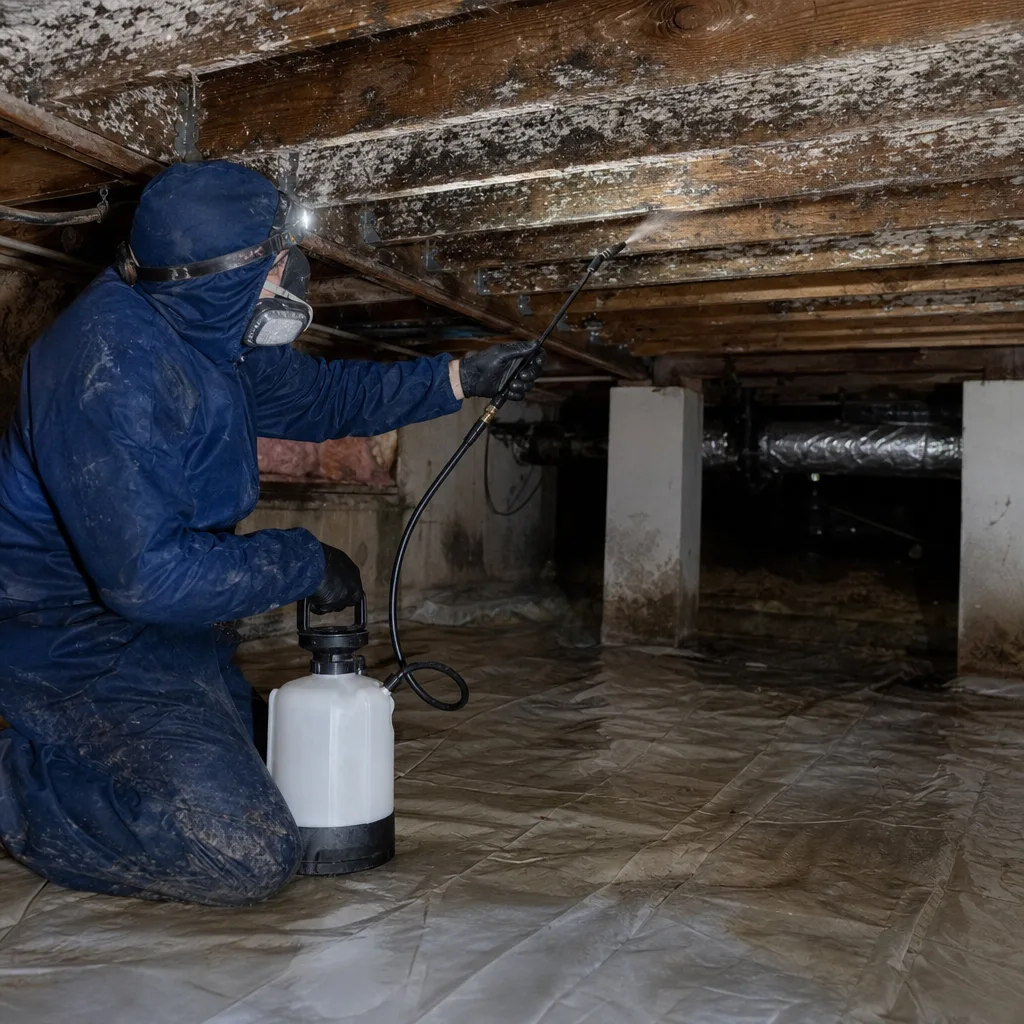
Professional mitigation for a contained Category 1 water loss in Anaheim typically ranges $2,800-$5,500, while Category 2-3 losses with mold involvement commonly exceed $12,000-$18,000. The 8-10 hours of annual homeowner inspection we recommend costs approximately $200-$400 in materials and tools amortized over several years. Prevention doesn’t eliminate all risk, but it shifts the probability toward smaller, simpler losses. Call (909) 525-4167 for an exact assessment of your home’s specific risk profile.
Insurance covers sudden and accidental damage, not damage from maintenance neglect. Lack of inspection documentation doesn’t automatically void coverage, but it weakens your position if the insurer argues the damage was gradual. Regular inspection with photo documentation is the strongest defense against pre-existing condition denials. We’ve seen well-documented claims approved and undocumented claims disputed for identical damage patterns.
Our live phone coverage operates 24 hours a day, 7 days a week with no voicemail on emergency lines. During regional storm events, response times extend based on call volume, but we prioritize active water intrusion with moisture readings above 20% or visible standing water. The critical factor is your call timing: within 24 hours of detection, drying typically completes in 3-5 days. After 72 hours, microbial activity requires more extensive remediation.
A pinless moisture meter costing $40-$80 provides readings accurate enough for homeowner monitoring and initial documentation. Professional-grade meters offer greater precision and deeper penetration, but the trend matters more than the absolute number. A reading that rises from 12% to 18% over three months indicates a developing problem regardless of meter exactitude. For claim documentation, professional readings with calibrated equipment carry more weight, which is why we include them in every assessment.
Anaheim Hills and canyon-adjacent properties face elevated Santa Ana wind exposure and should prioritize October roof inspections. The Colony, West Anaheim, and other pre-1980 neighborhoods with slab foundations face higher summer irrigation vapor drive risk and should emphasize August foundation moisture monitoring. Properties near the Santa Ana River corridor, including parts of Anaheim Resort and Platinum Triangle, face combined flood and drainage backup risk during atmospheric river events and should maintain rigorous December drainage audits.
We produce daily drying logs, photo records on every visit, and written scopes before work begins, all documented to IICRC, RIA, and IFA standards. This documentation goes to your adjuster directly if you authorize it. However, your own seasonal inspection records strengthen the overall claim file by establishing pre-loss condition and maintenance diligence. The most defensible claims combine homeowner documentation with professional restoration records. We coordinate with adjusters as part of our standard service; direct insurance billing is available where policy terms permit.
Haven Standard, Clause 5: our 365-Day Done Right Promise is a written, signed guarantee that if any work we perform is not done right, we make it right at no additional cost. This is not a verbal assurance or a materials-only manufacturer’s warranty. It covers our workmanship, our documentation, and our drying outcomes. If moisture readings rise in an area we dried and certified, we return and correct it. The guarantee is stamped on every job file, not mentioned in marketing copy alone.
The Bottom Line
Anaheim’s damage calendar runs on three events, not four seasons. Inspect before Santa Ana winds, before atmospheric rivers, and at peak irrigation. Document four photos and one moisture reading each time. Store records with dates and locations. This discipline catches most preventable damage early, preserves your insurance coverage position, and reduces the likelihood of secondary damage that doubles restoration costs. The homeowners who avoid catastrophic loss aren’t luckier; they’re more systematic. The tools are inexpensive, the time commitment is modest, and the return is measurable in avoided disruption and preserved property value.
Written by Alicia Brennan, Owner at DryMark Restoration Anaheim, serving Anaheim since 2011.