
Last updated September 23, 2026
Free visual inspection and a written scope of work before any mitigation begins - photos, moisture readings, and drying logs go in your claim file
The scope we write is the scope we bill. Anything new gets shown to you, in writing, before we touch it.
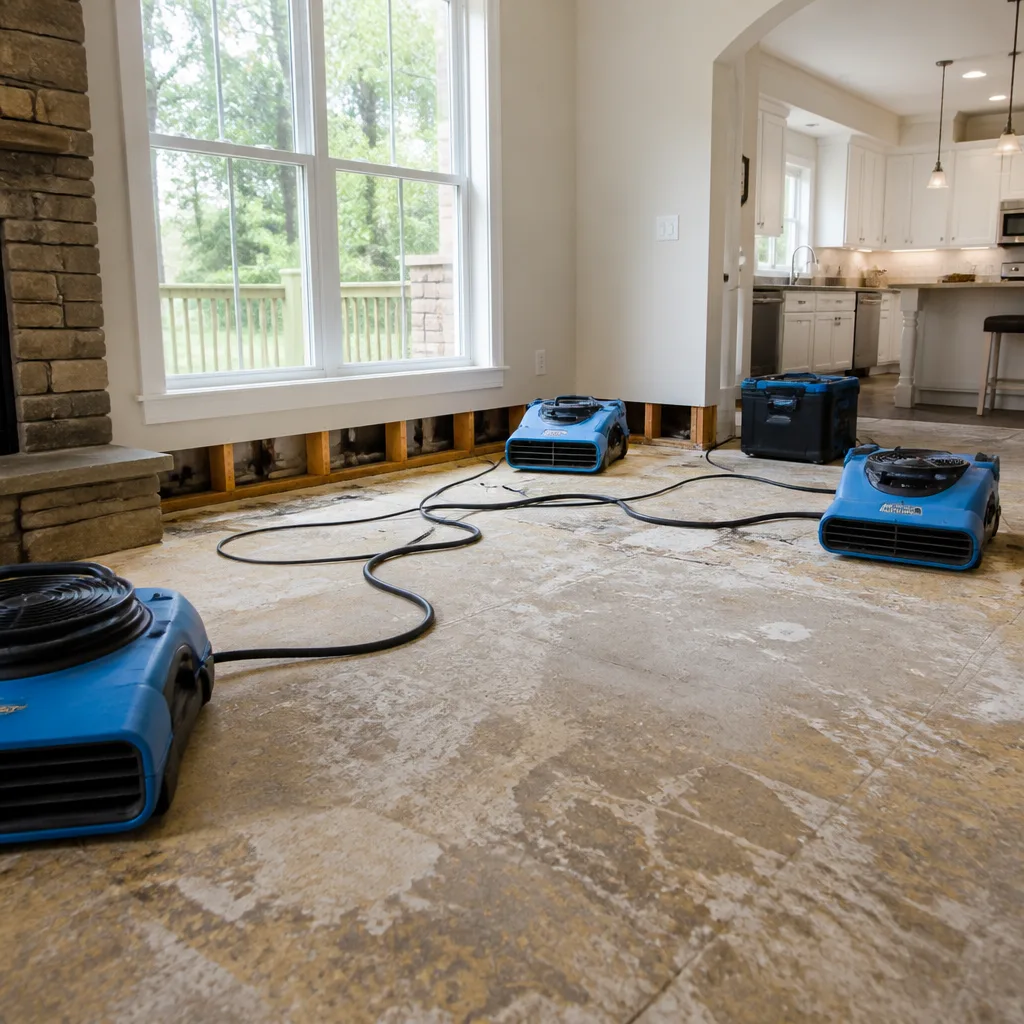
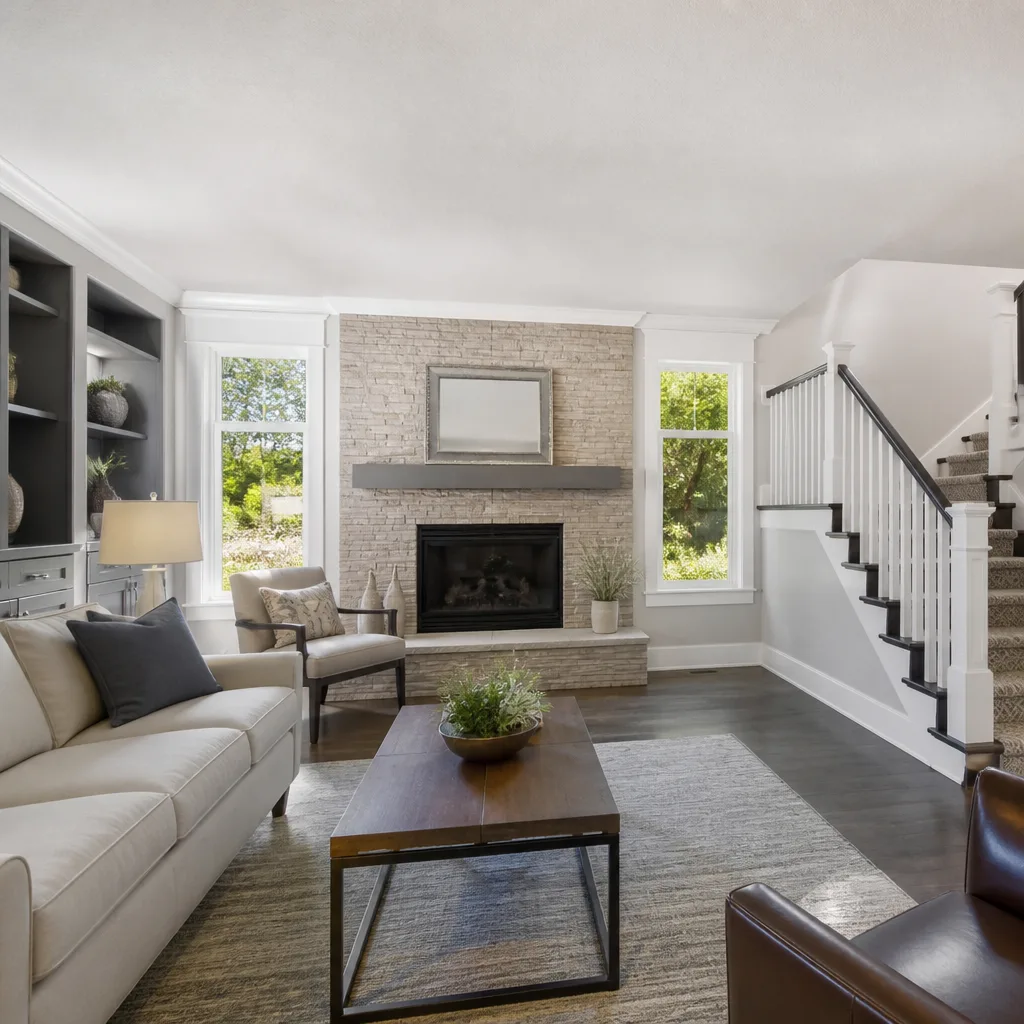
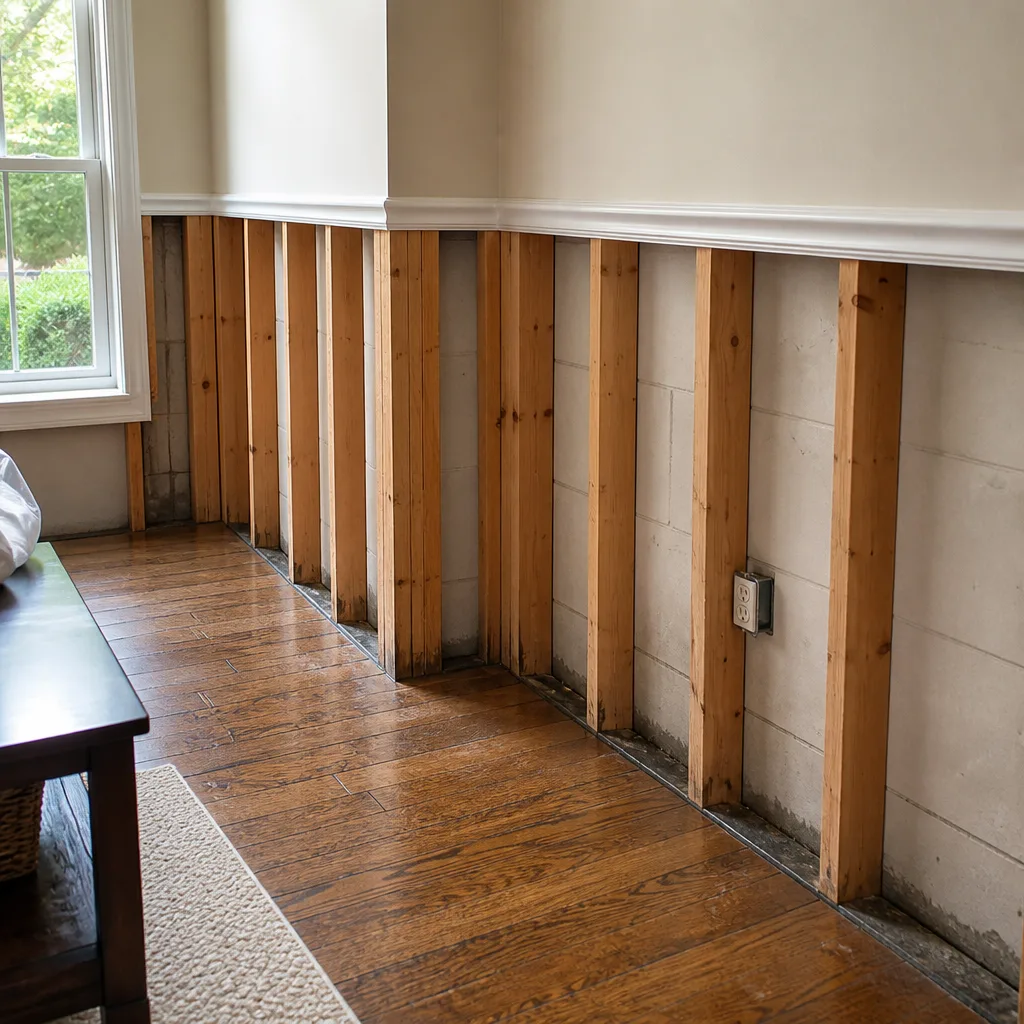
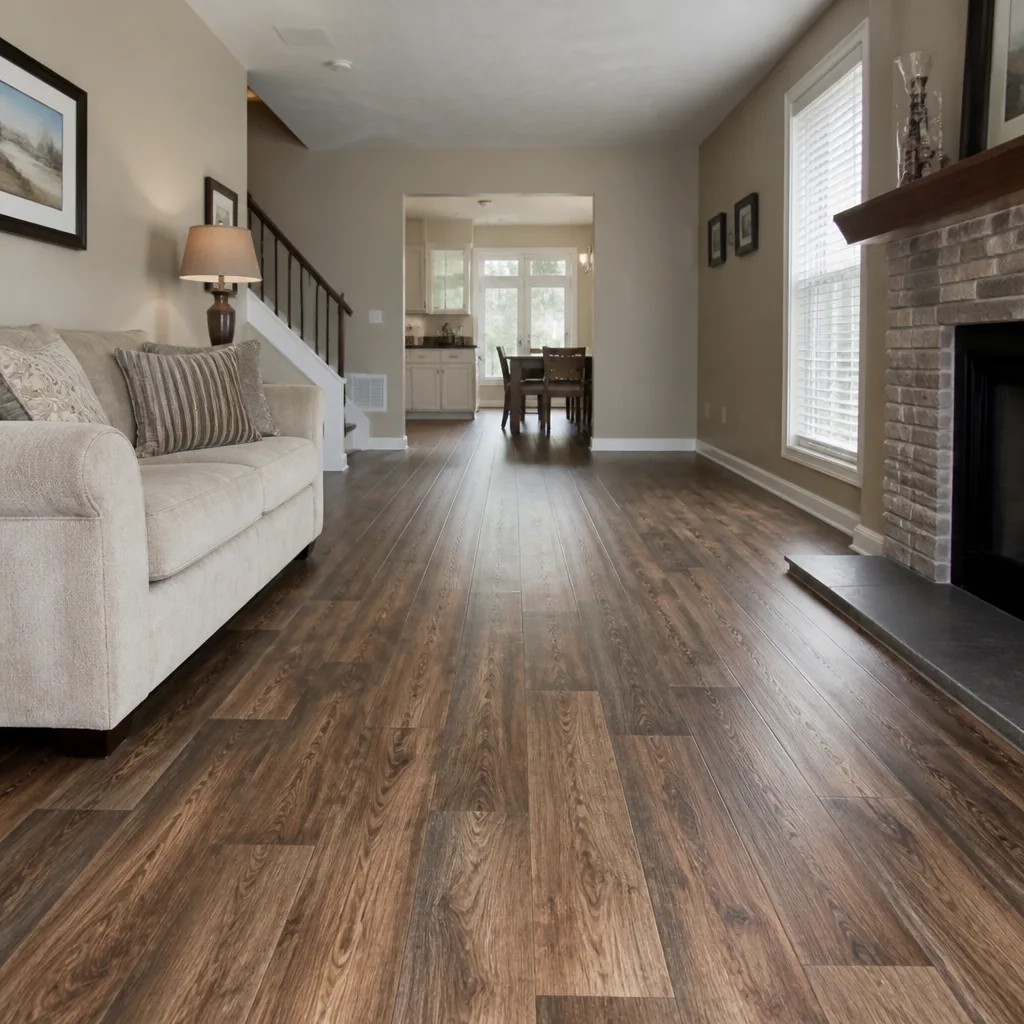
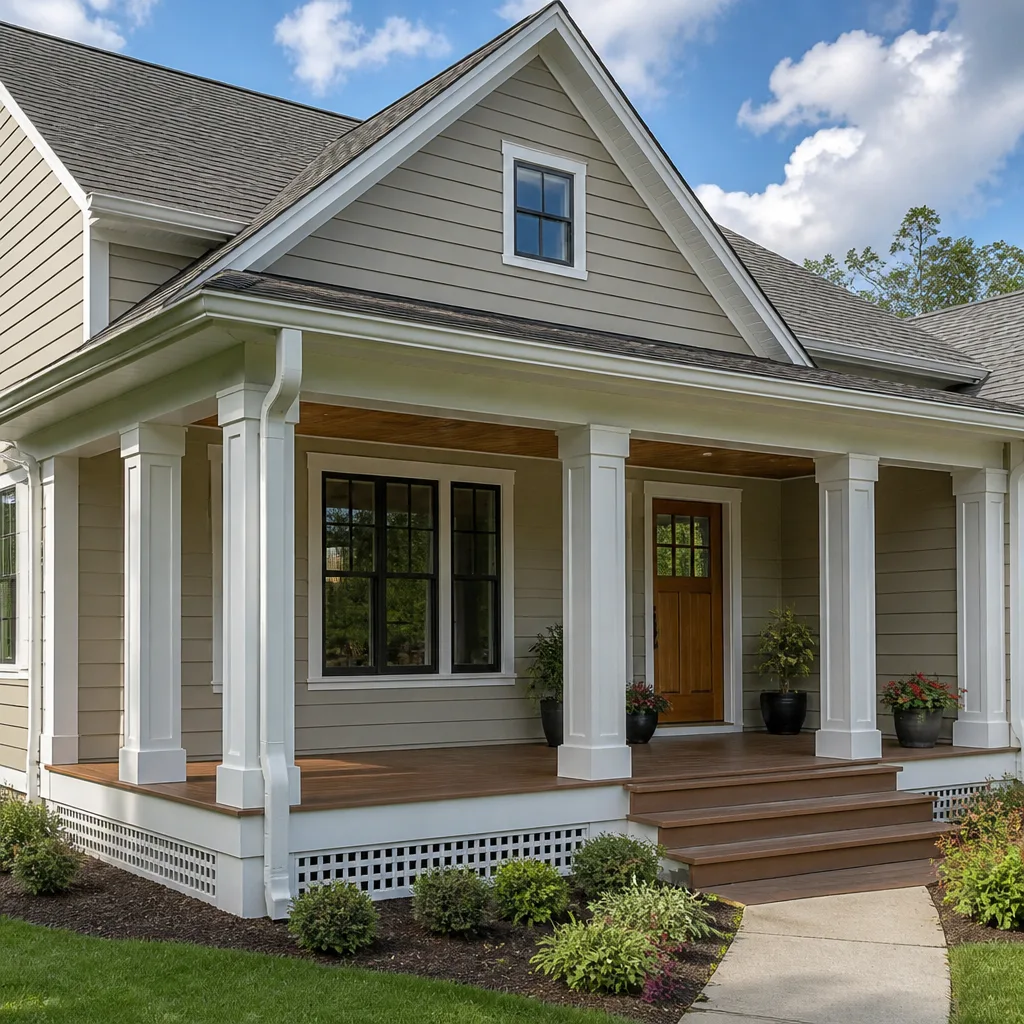
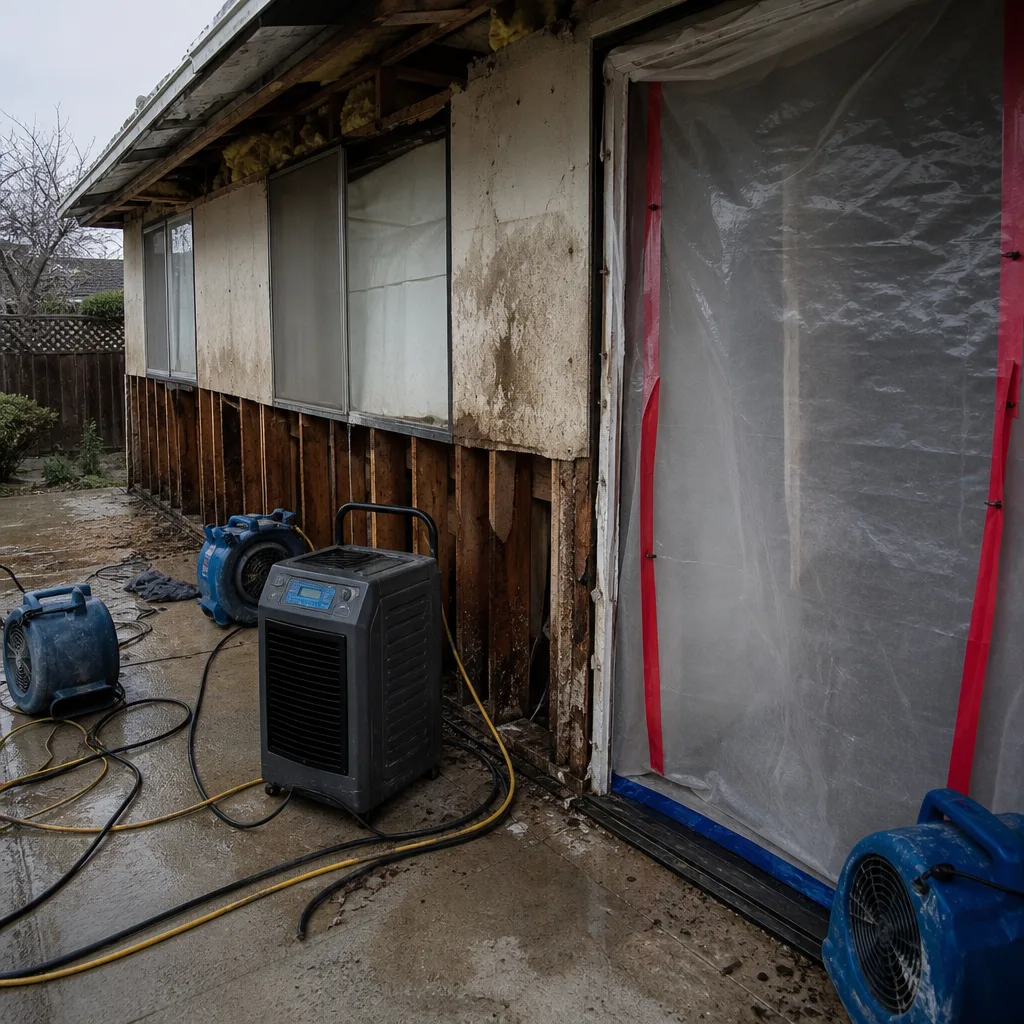 Before
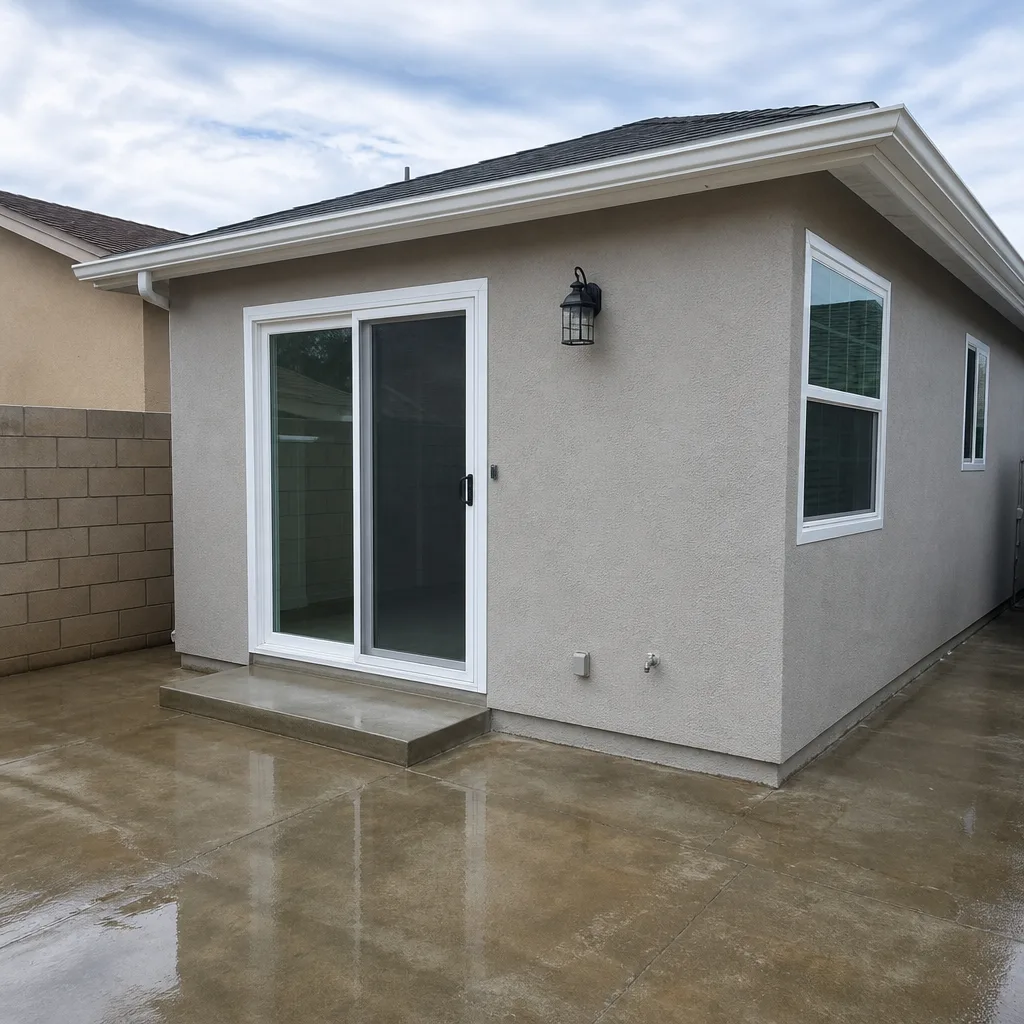 After
After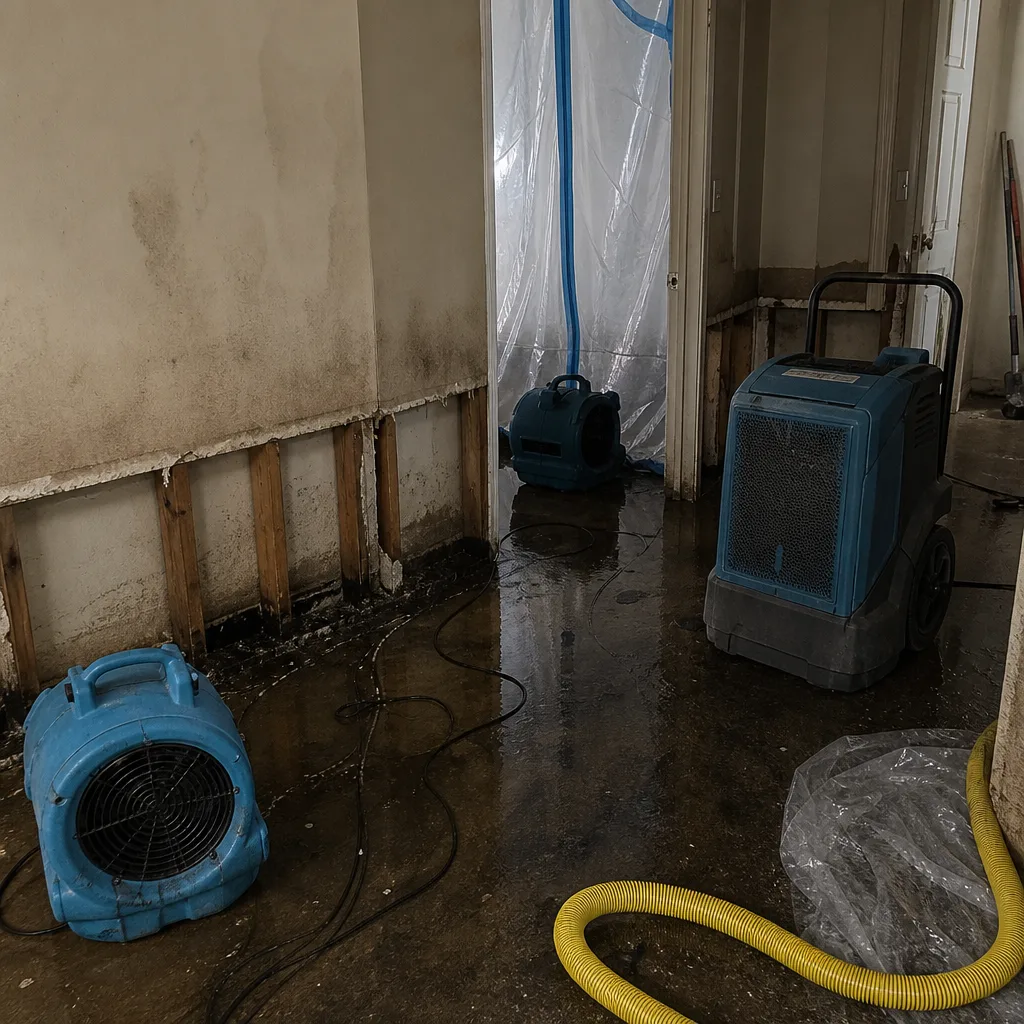 Before
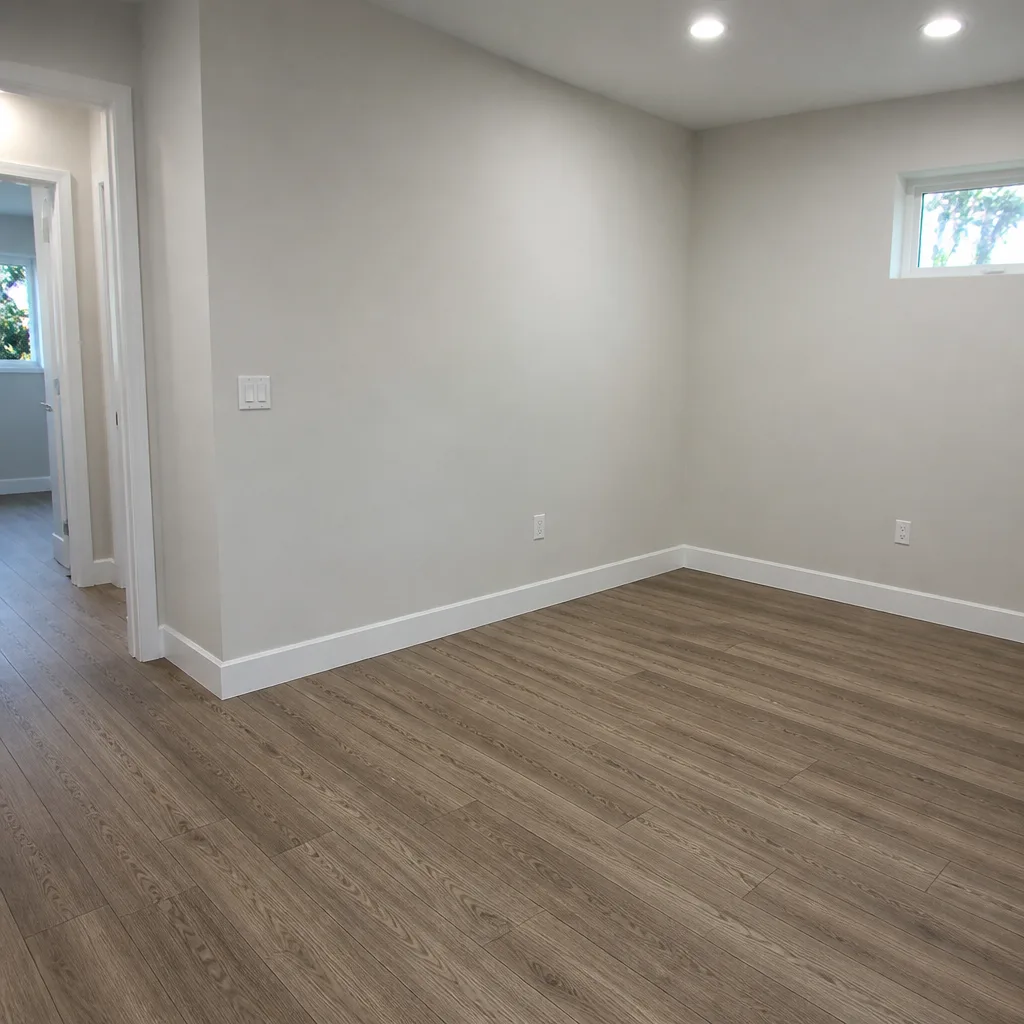 After
After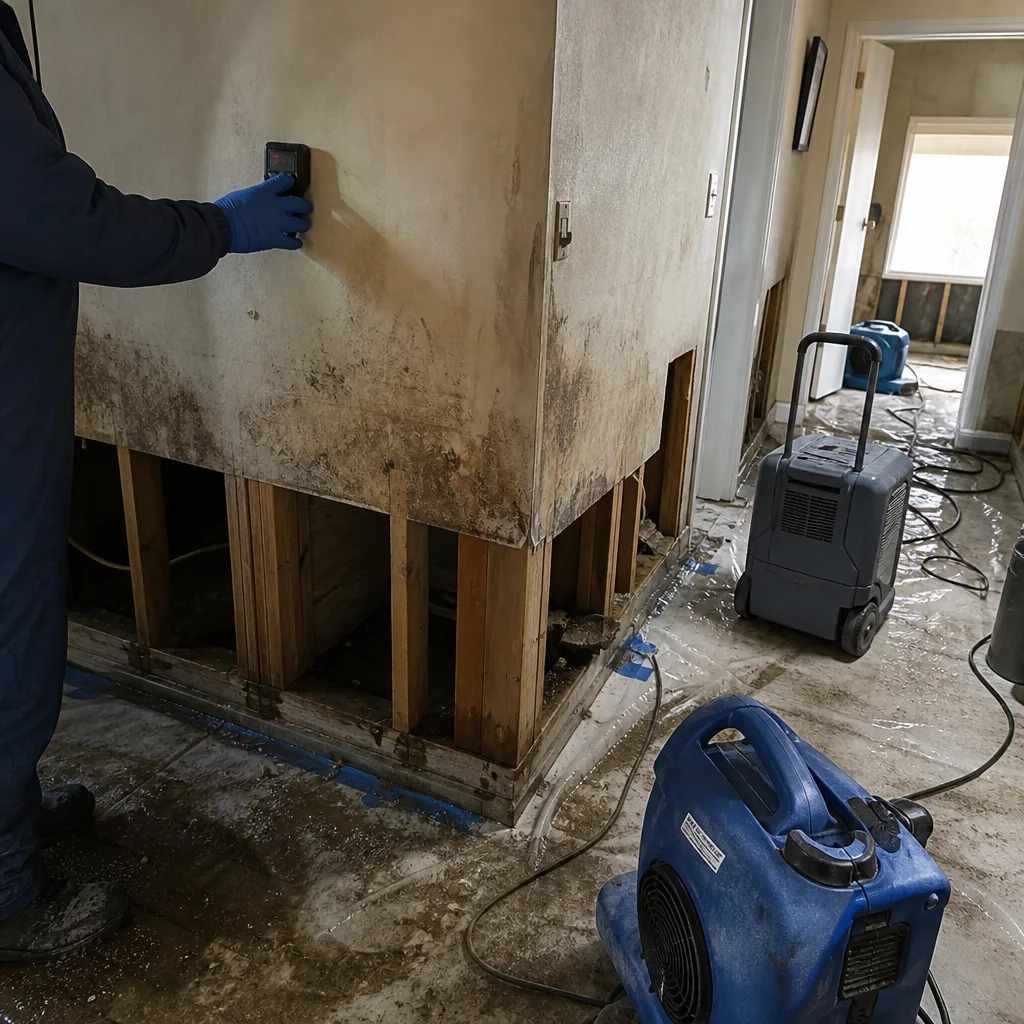 Before
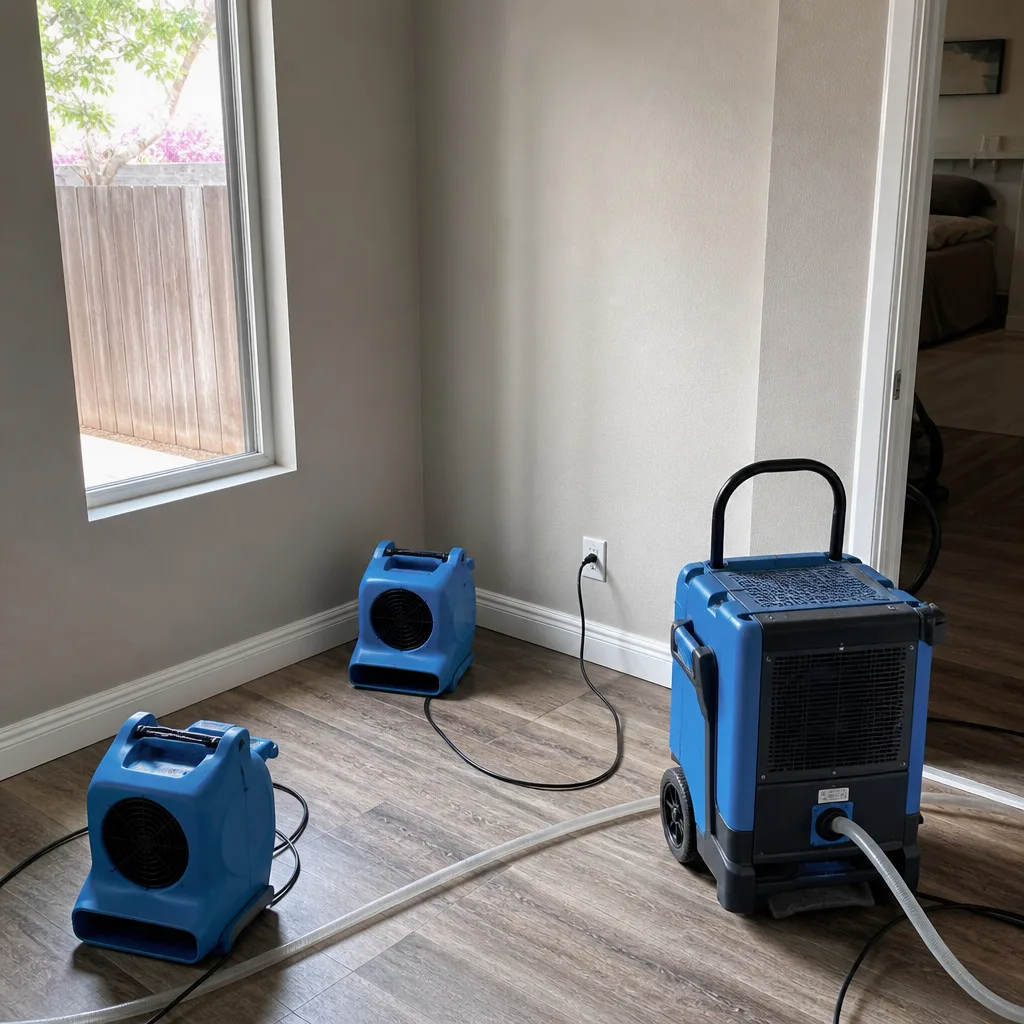 After
AfterDamage Restoration Cost Breakdown: The Anaheim Homeowner’s Reference for 2026
Here’s what most Anaheim homeowners get wrong about restoration pricing: they treat the invoice total as the number that matters. In our experience reviewing competitor estimates since 2011, the invoice total is actually the least important figure on the page. Insurance adjusters in Orange County price every restoration job through Xactimate, a software system that assigns unit costs specific to the 92805 zip code. A contractor using national flat rates produces a $9,000 invoice that an adjuster will reprice, dispute, and likely underfund. A contractor using Xactimate unit pricing produces a $12,000 invoice with defensible line items that gets paid without a phone call. This guide breaks down exactly how Anaheim-market pricing works, what each line item should cost, and how to read a written scope the way an adjuster does.
Quick Answer
Water damage restoration in Anaheim typically ranges from $3,200 for a contained kitchen leak to $18,000+ for a whole-home Category 3 flood with pack-out and reconstruction. The final cost depends on six unit-priced line items: water extraction ($0.85-$1.40 per square foot), dehumidifier rental ($125-$195 per day), air mover rental ($35-$55 per day), drywall removal ($4.50-$7.25 per linear foot), antimicrobial treatment ($1.20-$2.10 per square foot), and content manipulation/pack-out ($85-$140 per hour). A legitimate scope lists each unit with quantities, rates, and extended totals; a padded scope hides everything behind vague category totals.
Table of Contents
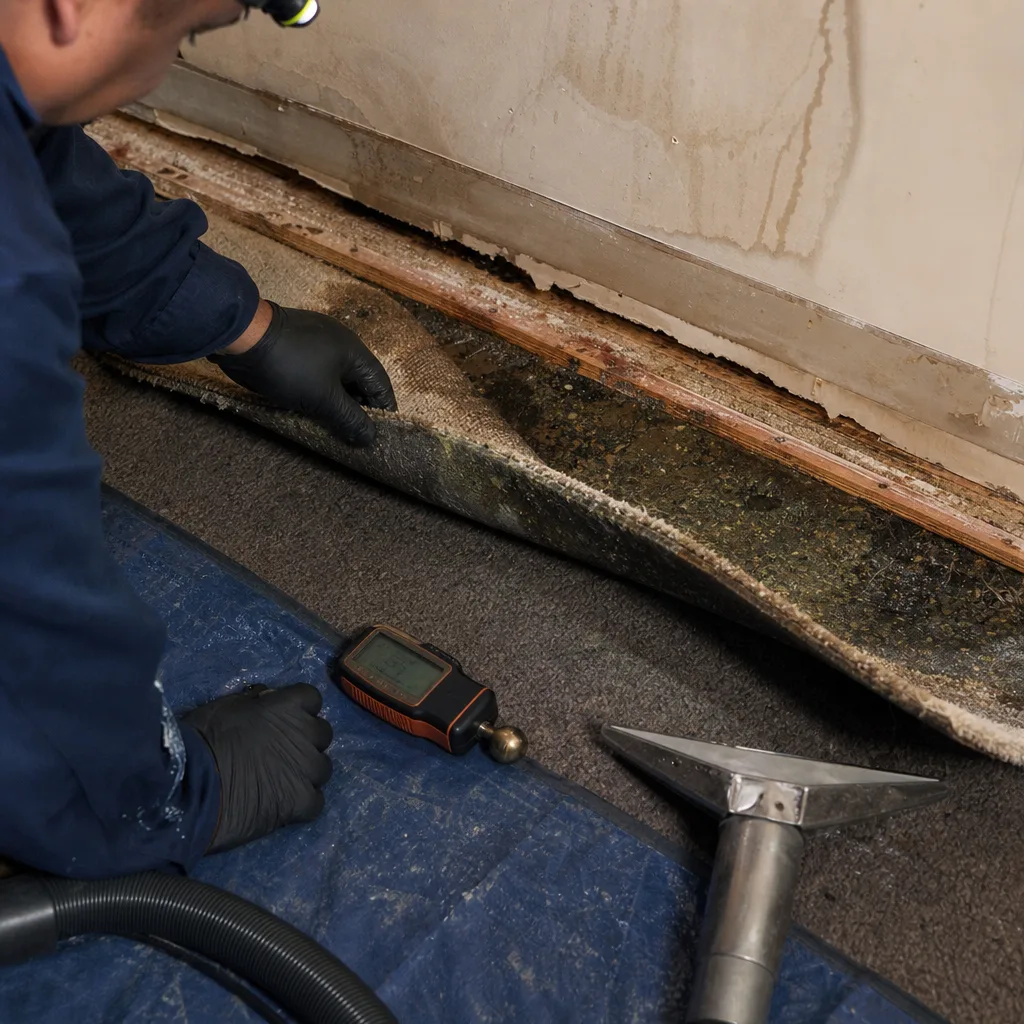
- How Xactimate Pricing Works in Anaheim
- The Six Line Items That Make Up Every Restoration Invoice
- Hidden Costs Anaheim Homeowners Don’t Anticipate
- How to Read a Written Scope Like an Adjuster
- The Three Cost Decisions You Actually Control
- Anaheim-Specific Factors That Affect Pricing
- Insurance Claims and Documentation
- Common Mistakes to Avoid
- When to Call a Professional
- Frequently Asked Questions
 Before
 After
AfterHow Xactimate Pricing Works in Anaheim
Xactimate is the pricing engine that drives virtually every property insurance claim in the United States. Adjusters at State Farm, Farmers, Allstate, and USAA don’t guess at restoration costs; they enter damage dimensions, material types, and geographic location into Xactimate, and the software returns unit prices calibrated to local labor rates, material costs, and permit fees.
For Anaheim, specifically the 92805 zip code and surrounding 92801, 92802, 92804, and 92806, Xactimate pulls from a rolling 12-month average of contractor invoices, supplier receipts, and building permit data. This means the unit cost for drywall removal in Anaheim is different from the unit cost in Riverside, different from San Diego, and significantly different from national averages that some out-of-area contractors use.
The problem arises when a contractor prices a job using a flat-rate system or national averages rather than Xactimate unit pricing. We’ve reviewed competitor estimates in Anaheim where a contractor quoted $4,800 for “water extraction and drying” with no breakdown. When we repriced that same job through Xactimate using the actual square footage, material classifications, and equipment counts, the legitimate scope came to $6,200. The homeowner initially thought they were getting a deal. What they actually got was a contractor who either didn’t understand insurance pricing or planned to supplement later with change orders, a practice that triggers delays, disputes, and sometimes denied coverage.
At DryMark Restoration Anaheim home, we write every scope to Xactimate unit standards before work begins. Haven Standard, Clause 1 requires it: a written price before any work starts, with line-item detail that an adjuster can verify against the software they already use.
The Six Line Items That Make Up Every Restoration Invoice
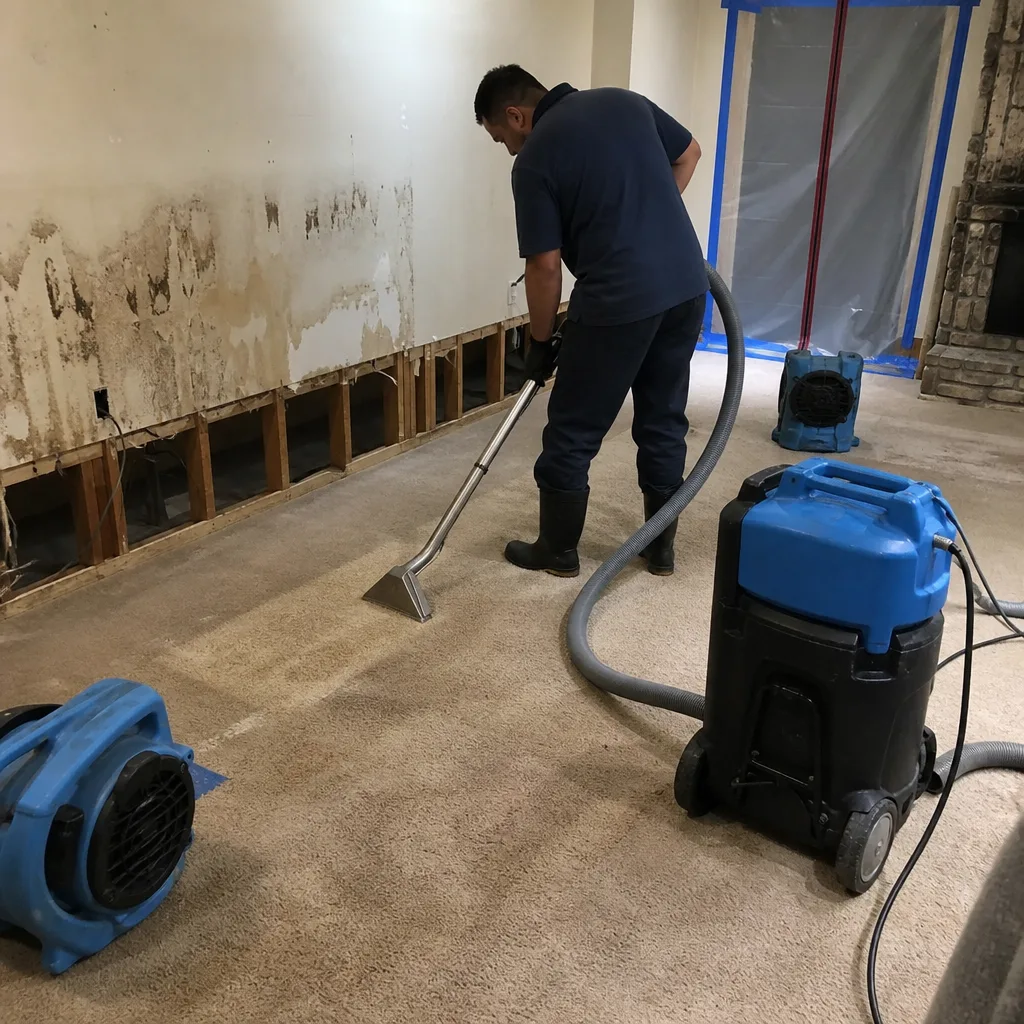
Every legitimate restoration invoice in Anaheim breaks down into these six categories. Understanding each unit lets you verify whether a scope is priced correctly or padded.
1. Water Extraction
This covers the initial removal of standing water using truck-mounted or portable extraction systems. In Anaheim’s market, extraction runs $0.85-$1.40 per square foot depending on water depth and accessibility. A standard two-car garage with 1-inch of standing water might measure 400 square feet at $1.10 per square foot, or $440. Deep water in a crawl space with limited access pushes toward the high end.
Extraction is typically a same-day service. The equipment used matters for documentation: we log the extraction volume in gallons, the equipment model (usually Dri-Eaz or Phoenix portable units for residential jobs), and the starting moisture content readings by room.
2. Dehumidifier Rental
Dehumidifiers remove vapor from the air to drive evaporation from wet materials. Anaheim’s mild coastal climate actually helps here, lower vapor pressure differentials mean faster natural drying than inland markets, but it also means contractors sometimes undersize equipment. Standard refrigerant dehumidifiers rent for $125-$195 per day in the 92805 market. A typical 1,500 square foot water loss requires two dehumidifiers running 3-5 days.
Psychrometric data, the temperature and relative humidity readings taken twice daily, determines when dehumidifiers come off the job. We document these readings on every visit; they’re the evidence that proves drying completed properly.
3. Air Mover Rental
Air movers accelerate surface evaporation by creating turbulent airflow across wet materials. At $35-$55 per day in Anaheim, air movers are the most commonly inflated line item on padded scopes. A legitimate scope calculates air movers by the ANSI/IICRC S500 formula: one air mover per 50-70 square feet of affected wet area in the first 24 hours, with adjustments for ceiling height and airflow restrictions.
A 12×15 living room with wet carpet and pad needs three air movers, not six. We’ve reviewed scopes from competitors in the Anaheim Hills area where a 900 square foot apartment was quoted twelve air movers for five days, a $2,100 line item that should have been $525. The homeowner didn’t catch it because the scope listed “drying equipment” as a single total.
4. Drywall Removal
Also called flood cut or drywall demolition, this line item covers the controlled removal of water-damaged gypsum wallboard, typically 12-24 inches above the visible water line to access wall cavities for drying. In Anaheim, drywall removal runs $4.50-$7.25 per linear foot, with the high end applying to double-layer systems, plaster overlays, or pre-1980 construction that may contain asbestos.
Here’s where Anaheim’s housing stock matters. The Colony district and older neighborhoods near downtown have significant pre-1980 inventory. Drywall removal in these homes triggers California’s asbestos testing requirement before demolition begins, a $350-$800 add-on that many scopes omit until work is already underway. We flag this in our initial written scope so homeowners can factor it into their decision.
5. Antimicrobial Treatment
Applied to affected surfaces after extraction and before drying, antimicrobial treatments inhibit microbial growth during the drying period. Anaheim pricing runs $1.20-$2.10 per square foot of treated area, not total home square footage. A legitimate scope calculates the actual surface area: walls up to the flood cut, flooring substrate, and base plate.
We specify the product by EPA registration number and application method in our scopes. This matters for insurance documentation and for homeowners with chemical sensitivities. The treatment is standard on Category 2 and Category 3 water losses; on Category 1 clean water losses with rapid response, it may be unnecessary, and we’ll note that rather than blanket-apply it.
6. Content Manipulation and Pack-Out
When water, fire, or mold damage affects furnished rooms, contents must be moved, inventoried, cleaned, or stored. Content manipulation, the on-site moving and blocking of furniture, runs $85-$140 per hour in Anaheim. Full pack-out to an off-site facility adds per-item inventory, cleaning, and monthly storage fees.
In the Platinum Triangle and Anaheim Resort area, we’ve seen significant pack-outs for condo units where water traveled through multiple floors. The decision to pack out versus clean in place affects both cost and timeline. We document this decision with photos and a written rationale, per Haven Standard documentation requirements.
| Line Item | Anaheim Unit Cost Range | Typical Quantity, 1,500 sq ft Water Loss | Extended Total |
|---|---|---|---|
| Water Extraction | $0.85-$1.40/sq ft | 800 sq ft affected | $680-$1,120 |
| Dehumidifier Rental | $125-$195/day | 2 units x 4 days | $1,000-$1,560 |
| Air Mover Rental | $35-$55/day | 6 units x 4 days | $840-$1,320 |
| Drywall Removal | $4.50-$7.25/linear ft | 45 linear ft | $203-$326 |
| Antimicrobial Treatment | $1.20-$2.10/sq ft | 400 sq ft treated | $480-$840 |
| Content Manipulation | $85-$140/hour | 4 hours | $340-$560 |
| Subtotal, Mitigation Only | $3,543-$5,726 |
These figures cover mitigation only, drying and stabilization. Reconstruction, replacing drywall, flooring, cabinetry, and paint, runs additional and is scoped separately under Haven Standard protocols.
Hidden Costs Anaheim Homeowners Don’t Anticipate
Four costs regularly appear on Anaheim restoration jobs that don’t show up in initial phone estimates. Knowing them in advance prevents the scope-creep surprises that strain budgets and insurer relationships.
Asbestos Testing on Pre-1980 Construction
California requires asbestos testing before disturbing any building material in structures built before 1980. In Anaheim’s older neighborhoods, The Colony, parts of West Anaheim, and the original Anaheim tract homes near Lincoln Avenue, this applies to a significant portion of the housing stock. Testing runs $350-$800 depending on the number of samples and turnaround time required. If asbestos is found, abatement adds $15-$35 per square foot.
We identify the construction year during our initial assessment and include testing in the written scope if required. Competitors who skip this step either risk fines or hit homeowners with change orders mid-job.
Permit Fees
Anaheim’s Building Division requires permits for reconstruction work exceeding $1,000 in value, including electrical, plumbing, and structural repairs. See our detailed post on Damage Restoration Permits, Codes & Inspections in CA: What You Need to Know for more detail. Permit fees scale with project value: approximately $200-$500 for typical residential water damage reconstruction. Expedited review, sometimes necessary when temporary repairs need permanent completion, adds 50%.
Permits also trigger inspections, which add timeline but protect resale value. Unpermitted reconstruction in Anaheim creates disclosure issues when the home sells, a problem we’ve helped homeowners resolve after discovering unpermitted competitor work.
Temporary Housing During Category 3 Remediation
Category 3 water, sewage or groundwater contamination, requires evacuation during remediation under IICRC standards. Homeowners insurance typically covers additional living expenses, but the deductible and daily limits vary. In Anaheim’s market, extended-stay hotels near the Anaheim Resort run $120-$180 per night; short-term rentals through corporate housing providers run higher.
We document the Category 3 classification with photos and lab results where appropriate, providing the evidence insurers require for ALE approval. Without this documentation, homeowners sometimes absorb weeks of hotel costs themselves.
Content Pack-Out Storage
When contents leave the home for off-site cleaning and storage, monthly fees apply. Anaheim-area content storage facilities charge $250-$450 per month for a typical household inventory. Storage extends until reconstruction completes, which in permit-requiring jobs can mean 60-90 days. A scope that shows pack-out costs but omits storage fees is incomplete.
How to Read a Written Scope Like an Adjuster
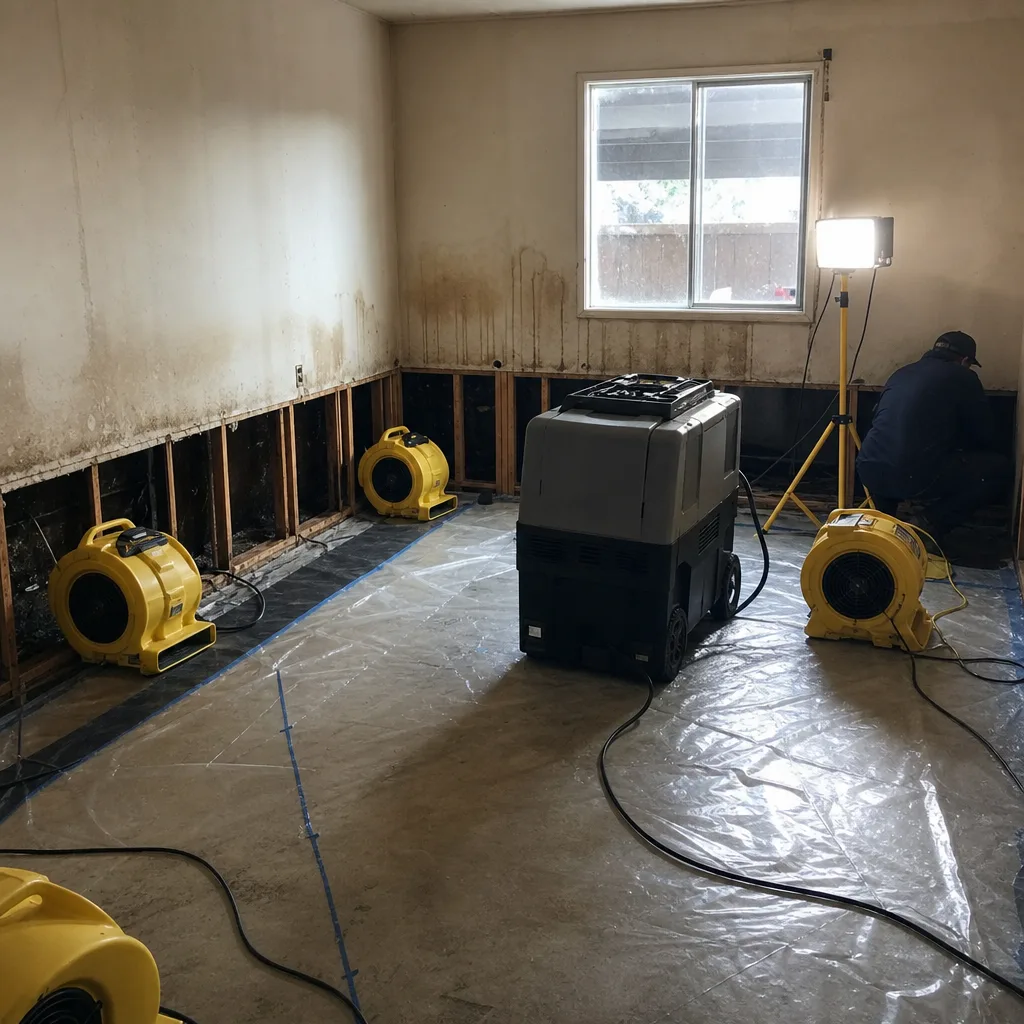
Adjusters approve or challenge restoration invoices based on three tests: are the unit quantities plausible for the described damage, are the unit rates consistent with Xactimate for the zip code, and is the documentation sufficient to prove the work happened. Homeowners who apply the same tests protect themselves from both overpayment and underinsurance.
Test 1: Plausible Quantities
Every line item should show its math. If a scope lists “air movers: $1,800,” that’s a red flag. It should read “air movers: 6 units @ $45/day x 5 days = $1,350.” Then verify the count: for a 1,200 square foot affected area, six air movers is reasonable; for a 400 square foot bathroom, it’s not.
We apply the ANSI/IICRC S500 equipment calculation formulas and note the basis in our scopes. Homeowners can cross-check using the same standard, which is publicly available.
Test 2: Consistent Unit Rates
Compare the stated rates to the ranges in this guide. Anaheim contractors using Xactimate will fall within these bands. Rates significantly higher suggest padding; significantly lower suggest a contractor who plans to supplement later or who carries inadequate insurance.
One competitor estimate we reviewed for a home near Anaheim Hills Golf Course quoted dehumidifiers at $85 per day, 40% below market. The contractor was using residential-grade equipment from a big-box store rather than professional LGR (low grain refrigerant) units. The job took eleven days to dry instead of four, and the homeowner’s insurer denied the extended equipment rental as unreasonable.
Test 3: Documentation Trail
A legitimate scope references supporting documentation: moisture readings with dates and locations, photos with timestamps, equipment serial numbers, and product data sheets. At DryMark Restoration Anaheim, every scope includes a statement of what documentation the homeowner will receive: the photo record, the daily drying log with psychrometric data, and the final moisture map showing readings below 16% wood moisture content or 4% dry standard for gypsum.
Scopes without documentation promises are scopes without accountability.
The Three Cost Decisions You Actually Control
Homeowners often feel powerless once water is flooding or mold is spreading. In reality, three decision points significantly affect final cost and claim outcome. Our Damage Restoration Warning Signs: A Anaheim Homeowner’s Reference Guide can help you spot trouble early.
Decision 1: When to Authorize Additional Scope
Water damage reveals hidden problems: compromised subflooring, corroded electrical, deteriorated plumbing. A legitimate contractor documents the finding with photos, explains the implication, and requests a written change order with a new price before proceeding. Haven Standard, Clause 1 applies to changes too: no work starts without a written price.
The red flag is verbal authorization requests during active mitigation, when homeowners feel pressure to approve immediately. We stop work, document the finding, and provide the change order in writing, typically within two hours. This slows the job slightly; it prevents disputes dramatically.
Decision 2: When to Request an Independent Scope Review
If a scope total seems wrong, either high or low, homeowners have the right to a second opinion. Water Damage Restoration in Anaheim from DryMark Restoration Anaheim includes free second-opinion review of any competitor’s written estimate. We reprice the scope through Xactimate and identify discrepancies, typically finding unit count errors or omitted required items.
This service exists because we’ve seen too many homeowners accept either inflated scopes or inadequate scopes that leave hidden moisture untreated. Both problems cost more in the long run. Read our DIY vs Professional Damage Restoration: The Anaheim Homeowner’s Decision Guide to understand when to call in experts.
Decision 3: How to Document Betterment Disputes
Insurance covers restoration to pre-loss condition, not improvement. When a 15-year-old carpet must be replaced, the insurer may depreciate the replacement cost. If the homeowner upgrades to hardwood, the difference is a betterment, and the homeowner pays it.
Disputes arise when insurers apply excessive depreciation or when contractors spec upgraded materials without disclosure. We document the pre-loss condition with photos, specify like-kind replacement in the scope, and flag any upgrade options as homeowner-paid betterments with signed acknowledgment. This documentation prevents the disputes that delay claim closure by months.
Anaheim-Specific Factors That Affect Pricing
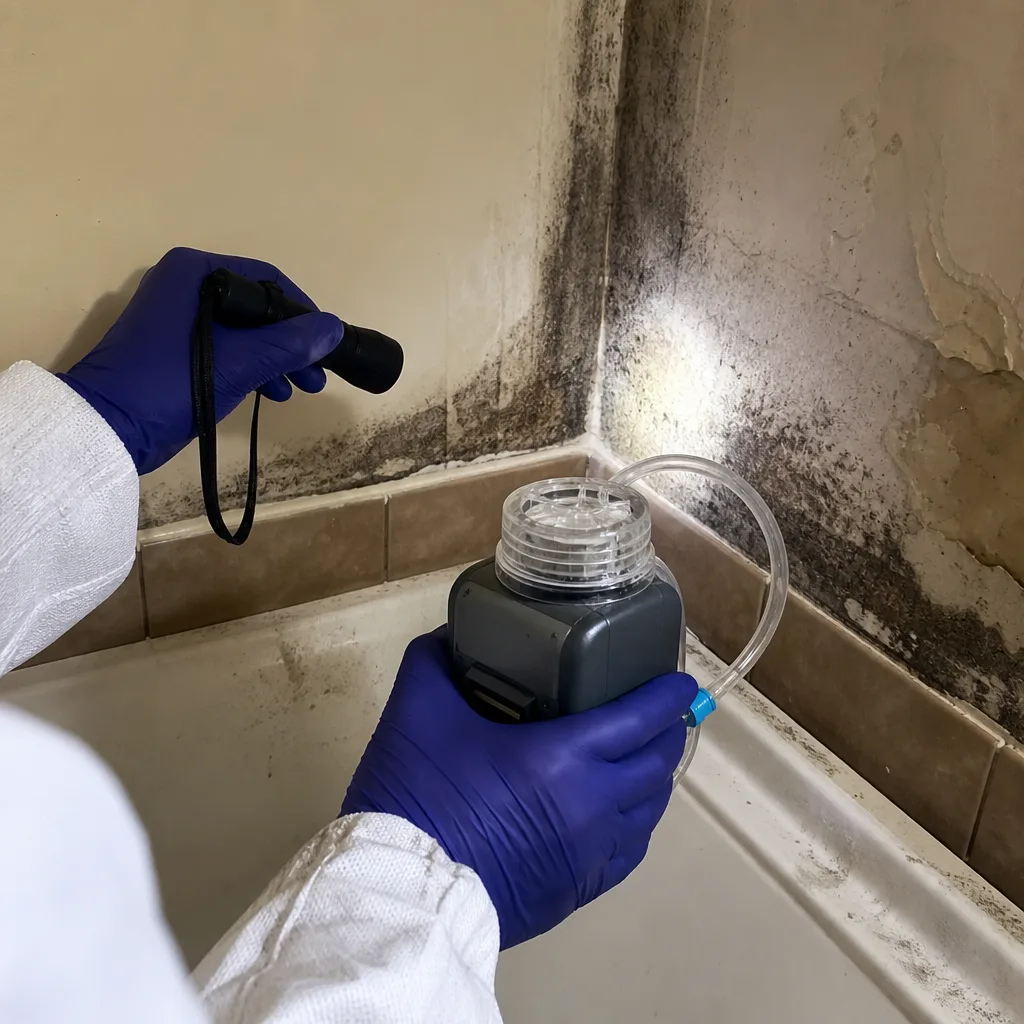
Several local conditions influence restoration costs in ways that national averages or Orange County-wide figures miss.
Soil and Foundation Types
Anaheim’s soil varies significantly by neighborhood. The flat areas near the Santa Ana River, including parts of Anaheim Resort and Platinum Triangle, have sandy loam with high permeability. Water drains downward quickly but can migrate laterally under slab foundations, creating hidden damage that thermal imaging reveals. Hillside areas near Anaheim Hills sit on denser clay soils that hold moisture against foundations, extending drying timelines.
We adjust equipment counts and drying duration based on soil type and foundation construction, documented in the initial moisture mapping.
Climate Patterns
Anaheim’s Mediterranean climate brings mild, dry summers and occasional winter rainstorms that drive water damage calls. The Santa Ana wind events, typically October through March, create unusual drying conditions: extremely low relative humidity and high temperatures that accelerate surface drying while trapping moisture in wall cavities. Tertiary drying, the final phase where bound moisture releases from dense materials, requires careful monitoring during these events.
Contractors who don’t adjust psychrometric targets for Santa Ana conditions sometimes declare jobs dry prematurely, leaving moisture that supports mold growth.
Housing Density and Access
Anaheim’s condo and townhome density, particularly in the Platinum Triangle and Anaheim Resort areas, complicates water damage response. Water travels between units through shared walls and plumbing chases. Access to affected units requires coordination with HOAs, property managers, and neighboring owners. We’ve handled losses where three units shared a single water source, requiring coordinated scopes and insurance coordination across multiple carriers.
These jobs cost more per unit due to coordination complexity, but legitimate scopes reflect the actual work per address rather than inflating any single homeowner’s invoice.
Local Labor Market
Anaheim’s construction labor pool competes with Disneyland Resort’s maintenance operations and the broader Orange County commercial market. Skilled restoration technicians command wages 12-18% above national averages, which Xactimate reflects in its 92805 unit pricing. Contractors using national labor rates underprice Anaheim jobs systematically, then either cut corners or supplement aggressively.
Insurance Claims and Documentation
The documentation gap is why restoration invoices get disputed. It’s also why Back to Dry Restoration was founded in 2011 by a former claims adjuster who watched homeowners lose legitimate coverage because contractors couldn’t produce the records adjusters needed.
Every job we complete in Anaheim includes four documentation deliverables as standard, never as upsells:
- Photo record on every visit: Time-stamped, geotagged, and organized by room. These photos prove the damage existed, prove the equipment was deployed, and prove the drying completed. Adjusters review them; homeowners keep them for resale disclosure.
- Daily drying log with psychrometric data: Temperature, relative humidity, and specific humidity readings by room, twice daily, with equipment settings and adjustments noted. This log proves the drying science was applied correctly.
- Written scope with line-item pricing: Haven Standard, Clause 1. Every unit, every quantity, every rate, every extended total. No category totals without breakdown.
- Signed 365-Day Done Right Promise: A written warranty under The Haven Standard, not a verbal assurance. If it’s not done right, we make it right.
These documents transform restoration from a service transaction into a claim-ready file. In 12,000+ homes restored since 2011, every one has left with this documentation. The result is faster claim approval, fewer disputes, and homeowners who can prove what was done if questions arise years later.
For Fire & Smoke Damage Restoration in Anaheim, documentation requirements intensify. Smoke damage requires pre-cleaning photo inventory, ultrasonic cleaning logs for contents, and air quality testing documentation. The same principles apply: every step recorded, every cost tied to a documented action.
Common Mistakes to Avoid
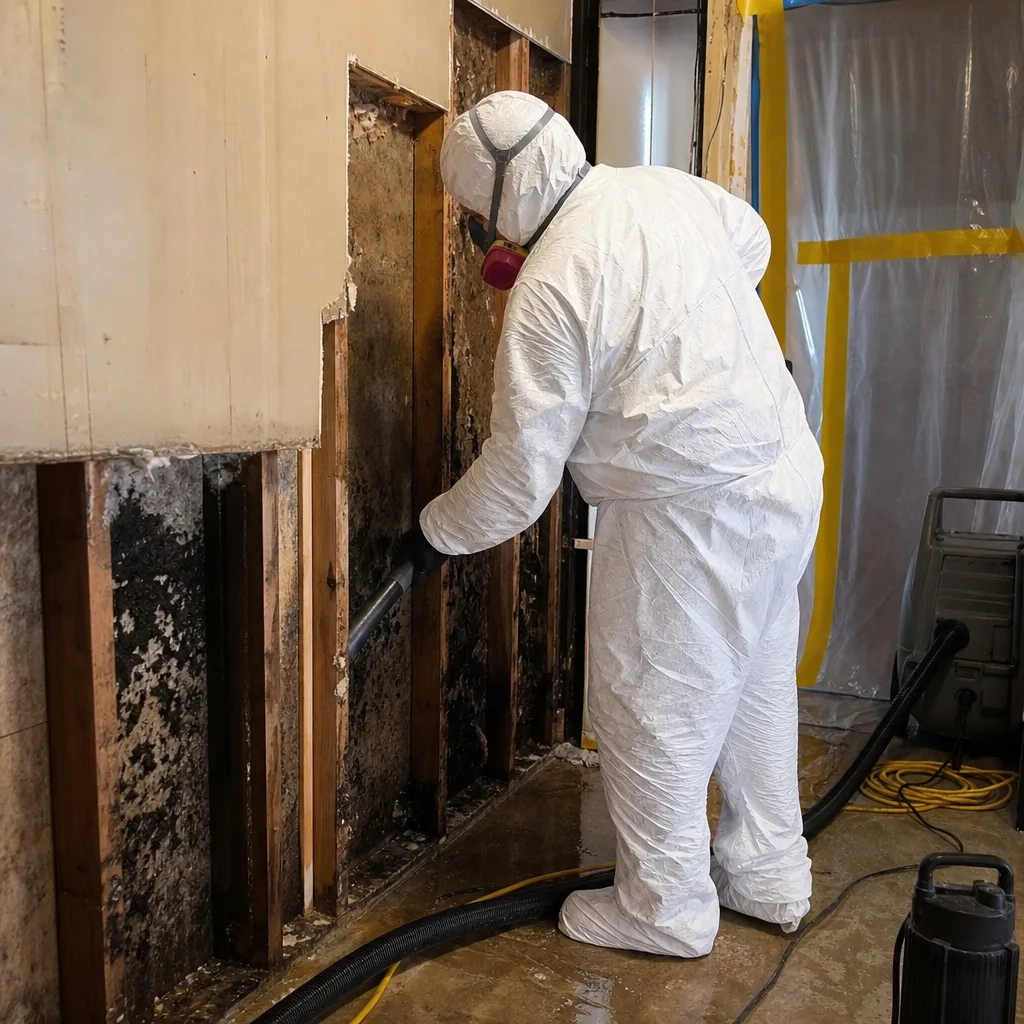
- Comparing only total prices. A $9,000 flat-rate invoice and a $12,000 line-item scope may describe identical work, or they may describe entirely different scopes. Without line-item detail, you can’t tell which contractor understood the job.
- Ignoring equipment counts. Air movers and dehumidifiers drive daily costs. A scope that doesn’t specify unit quantities is a scope that can’t be verified, and that’s where padding hides.
- Skipping asbestos testing to save $500. In pre-1980 Anaheim homes, this testing is legally required and practically necessary. Contractors who proceed without testing expose homeowners to liability and health risks; contractors who discover asbestos mid-job and stop work create expensive delays.
- Accepting verbal change orders. Every scope change should be written, priced, and signed before work proceeds. Verbal approvals during active mitigation have no documentation trail and create disputes at claim time.
- Not photographing pre-loss conditions. Homeowners should photograph their own property before damage occurs. These photos establish the baseline for betterment discussions and prove the extent of loss when disputes arise.
- Choosing the lowest bid on reconstruction. Reconstruction is scoped, scheduled, and priced like a remodel, not an emergency. The lowest reconstruction bid often omits permit costs, uses unlicensed subcontractors, or specifies materials below code. We provide written reconstruction scopes with permit inclusion and licensed trade verification.
When to Call a Professional
Call for professional assessment when water has affected more than a single small room, when you smell mustiness or see visible mold, when sewage or gray water is involved, when fire or smoke has affected multiple rooms, or when your insurer has requested documentation you cannot provide. These situations require equipment, training, and documentation protocols that exceed DIY capacity.
In our experience, Anaheim homeowners who wait to call often face expanded damage from secondary effects: mold growth beginning 48-72 hours after water intrusion, structural deterioration from prolonged moisture exposure, or content damage that pack-out could have prevented. The cost of delayed response typically exceeds the cost of prompt professional mitigation by 40-60%.
DryMark Restoration Anaheim offers free estimates throughout Anaheim and surrounding Orange County communities. Our live phone coverage operates 24 hours a day, 7 days a week with no voicemail on emergency lines. Call (909) 525-4167 to speak with a person who can dispatch a technician, schedule an assessment, or review a competitor’s written estimate at no charge.
Frequently Asked Questions
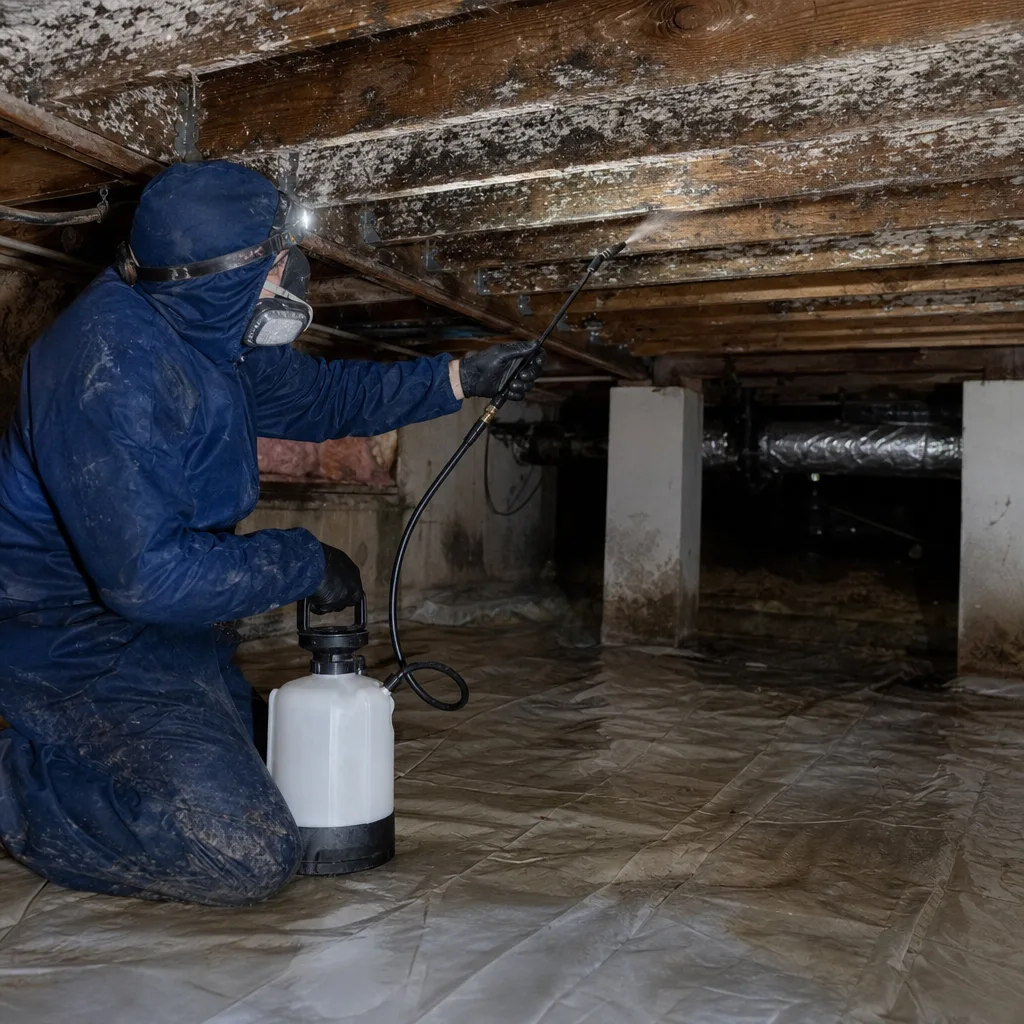
Water damage restoration in Anaheim typically costs $3,200-$18,000 depending on category, affected square footage, and whether reconstruction is required. A contained Category 1 kitchen leak in a single room runs toward the low end; a Category 3 whole-home flood with content pack-out and reconstruction runs toward the high end. The most accurate estimate comes from a written scope with Xactimate unit pricing for the 92805 zip code. Call (909) 525-4167 for a free written estimate with line-item detail.
Most homeowner policies cover sudden and accidental water damage from burst pipes, appliance failures, and weather-related intrusion. They typically exclude gradual leaks, maintenance-related failures, and flooding from outside rising water unless you carry separate flood coverage. Coverage approval depends on documentation: photos of the damage source, moisture readings proving the extent, and a written scope with unit pricing. We coordinate directly with adjusters and provide the documentation package insurers require. Call (909) 525-4167 to discuss your specific policy situation.
For active water losses, same-day response is standard for mitigation companies with 24-hour live dispatch. Our live phone coverage operates 24 hours a day, 7 days a week with no voicemail on emergency lines. Reconstruction work is scoped, scheduled, and priced in writing like a remodel, not dispatched for same-day arrival. The distinction matters: speed language belongs on mitigation topics only. For emergency water extraction in Anaheim, call (909) 525-4167.
Remediation is required when mold growth exceeds 10 square feet of contiguous area, when HVAC systems are contaminated, or when occupants have respiratory conditions that elevated spore counts could aggravate. Cleaning may suffice for isolated surface growth under 10 square feet on non-porous materials. The determination requires inspection, moisture mapping, and sometimes air sampling. We provide written recommendations with the basis for our determination, not blanket remediation prescriptions. For Mold Remediation in Anaheim assessment, call (909) 525-4167.
We coordinate directly with adjusters as part of our standard service, providing the photo documentation, drying logs, and written scopes they need to process claims. Homeowners remain the policyholder and must authorize our communication, but we handle the documentation burden that most homeowners find overwhelming. This coordination is documented to IICRC, RIA, and IFA standards, producing the records that turn restoration invoices into payable claims. We do not charge extra for adjuster coordination.
A legitimate scope lists every unit with quantity, rate, and extended total: “Air movers: 6 units @ $45/day x 4 days = $1,080.” A padded scope uses vague category totals: “Drying equipment: $3,200” with no breakdown. Legitimate scopes reference specific rooms, dimensions, and equipment models. Padded scopes round numbers heavily, duplicate line items, or apply premium rates to standard materials. We provide free second-opinion review of any competitor’s written estimate to help homeowners identify discrepancies. Call (909) 525-4167 to schedule a review.
The Bottom Line
Restoration pricing in Anaheim rewards homeowners who read invoices like adjusters do: line by line, unit by unit, with documentation that proves the work happened. The $12,000 invoice with defensible Xactimate pricing gets paid faster and with less dispute than the $9,000 flat rate with no breakdown. The six line items, water extraction, dehumidifiers, air movers, drywall removal, antimicrobial treatment, and content manipulation, form the vocabulary of every legitimate scope. Hidden costs like asbestos testing, permits, temporary housing, and storage require advance planning. And the three decisions you control, authorizing scope changes, requesting independent review, and documenting betterment disputes, protect both your property and your claim.
At DryMark Restoration Anaheim, every job since 2011 has started with a written price and ended with a documented record. That’s Haven Standard, Clause 1. That’s the documentation gap we were built to close. And that’s the standard we apply to every home in Anaheim we serve.
Written by Alicia Brennan, Owner at DryMark Restoration Anaheim, serving Anaheim since 2011.